
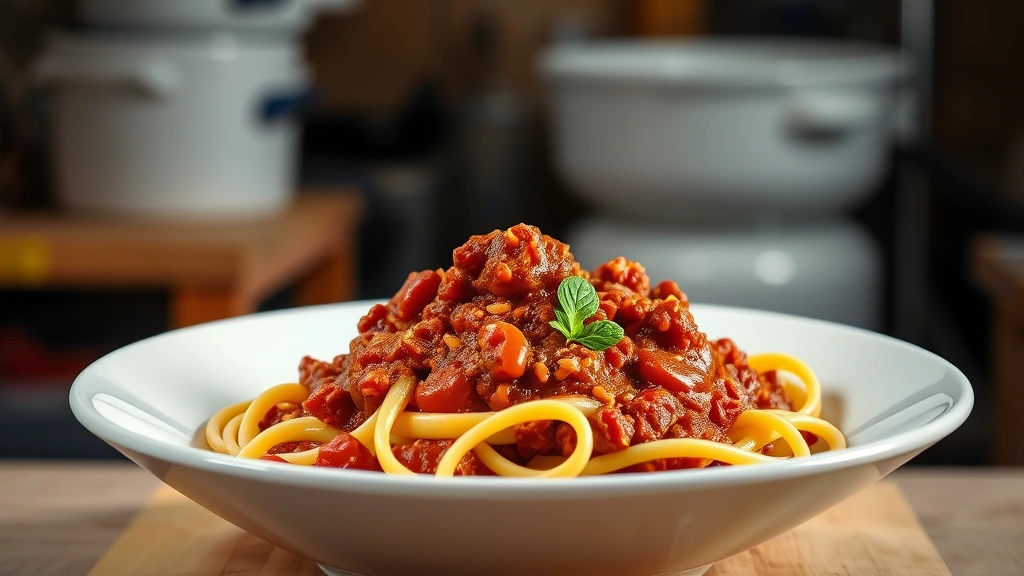
A classic bolognese recipe italian isn’t just about throwing some ground meat and tomato sauce together—it’s about understanding the craft of building layers of flavor that’ll make your kitchen smell like a Roman trattoria. I’ve spent years perfecting this dish, and I’m going to walk you through exactly how to make the real deal, not some watered-down version.
Table of Contents
What Makes Authentic Bolognese
Here’s the thing most home cooks get wrong: authentic bolognese isn’t a quick sauce. It’s a ragù—a slow-cooked meat sauce that requires patience and attention. The real Bolognese comes from Bologna, Italy, and it’s protected by a traditional recipe that’s been passed down for generations. What separates it from your average meat sauce is the combination of three meats, the ratio of meat to tomato, and the cooking time.
The authentic version uses equal parts ground beef, ground pork, and pancetta. It’s cooked low and slow for at least three hours, sometimes longer. You’re not making this in 30 minutes—that’s not bolognese, that’s just tomato sauce with meat in it. The difference is night and day when you taste it.
Essential Ingredients List
Don’t skimp on quality here. You need:
- 1 lb ground beef (80/20 blend works best)
- 1 lb ground pork
- 4 oz pancetta, finely diced
- 1 medium onion, finely minced
- 1 large carrot, finely minced
- 1 celery stalk, finely minced
- 2 tablespoons tomato paste
- 1 cup whole milk
- 1 cup dry white wine
- 28 oz can San Marzano tomatoes (crushed)
- Salt and black pepper to taste
- Pinch of nutmeg
- Extra virgin olive oil
That’s it. No shortcuts, no fancy ingredients you can’t pronounce. This is straightforward cooking.
Building the Flavor Base
Start by heating a large, heavy-bottomed pot (cast iron or stainless steel) over medium heat. Add your diced pancetta and let it render for about 5 minutes. You’re not cooking it crispy—you’re just getting the fat out and building the foundation of flavor. Once the pancetta releases its fat, add your finely minced onion, carrot, and celery. This combination is called a soffritto in Italian cooking, and it’s the backbone of your sauce.
Cook the soffritto for about 10 minutes, stirring occasionally, until everything softens and starts to caramelize slightly. The vegetables should be almost melting into the fat. This isn’t about speed—let them develop color and sweetness. The deeper the color, the deeper the flavor.
Meat Selection Matters
Don’t use pre-ground meat from the supermarket if you can help it. It’s been sitting around, and the quality degrades. If your butcher can grind fresh meat for you, that’s your best bet. Ground beef should be around 80/20 (80% lean, 20% fat). The fat is crucial—it carries flavor and keeps the sauce rich.
Ground pork adds sweetness and helps bind everything together. Pancetta—not bacon—is essential. Bacon is smoked and will overpower the delicate balance. Pancetta is cured but not smoked, giving you that porky richness without the smoke.
Once your soffritto is ready, increase the heat to medium-high and add your ground beef and pork. Break it up with a wooden spoon as it cooks. You want to render the meat and brown it properly, which takes about 8-10 minutes. Don’t rush this step. Good browning means good flavor development through the Maillard reaction.
Tomato Technique & Timing
Once the meat is browned, add your tomato paste and stir it around for about 2 minutes. This caramelizes the paste and deepens the tomato flavor. Then pour in your white wine and let it reduce by half—this takes about 3-4 minutes. The wine burns off the alcohol and leaves behind acidity and complexity.
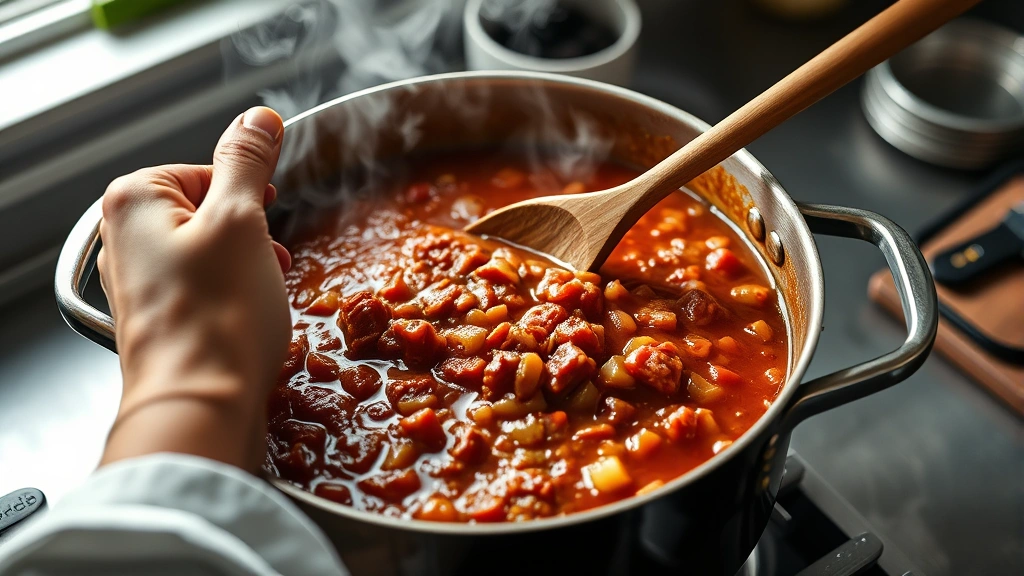
Now add your crushed San Marzano tomatoes. Don’t use regular canned tomatoes—San Marzano tomatoes are sweeter, less acidic, and have fewer seeds. They’re worth the extra dollar or two. Stir everything together, add a pinch of salt and pepper, and bring it to a gentle simmer.
Here’s where patience becomes your secret ingredient.
The Slow Cooking Process
Reduce the heat to low. You want the sauce barely bubbling—just a few lazy bubbles breaking the surface every few seconds. This is where most home cooks fail. They cook it too hot and the sauce breaks down into mush. Low and slow is the way.
Let it cook uncovered for at least 2.5 to 3 hours. I usually go 3.5 to 4 hours if I have the time. Stir it occasionally—maybe every 20 minutes or so. As it cooks, the liquid reduces, the flavors concentrate, and the meat breaks down into tiny pieces that almost dissolve into the sauce.
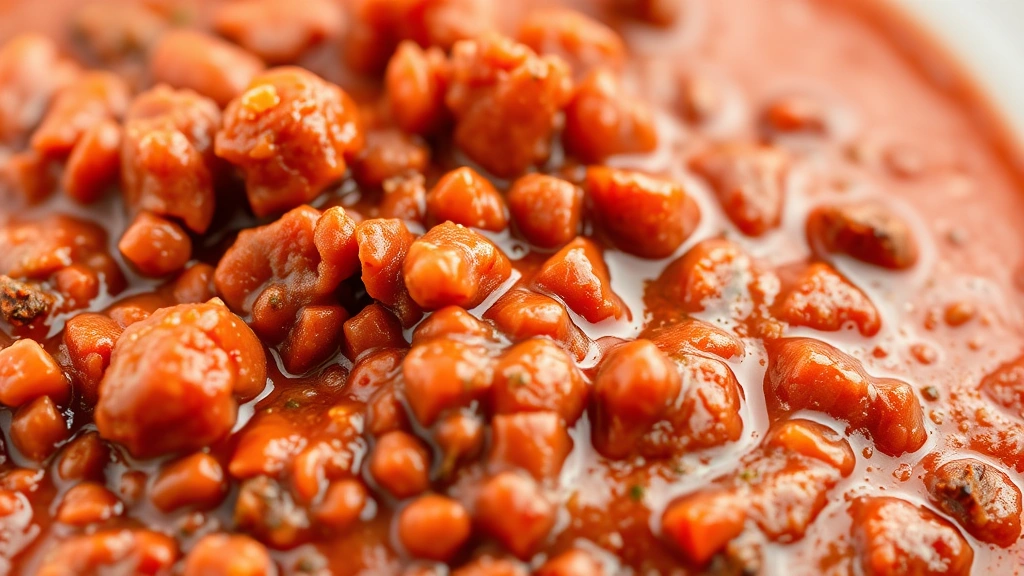
The sauce should go from looking like soup to looking thick and rich. The meat should be almost invisible, broken down into the sauce itself. If you’ve ever had authentic bolognese at a proper Italian restaurant, you know what I’m talking about—it’s not chunky, it’s velvety.
The Milk Secret
About 30 minutes before you’re done cooking, add your cup of whole milk. I know it sounds weird. It’s not weird. The milk does two things: it mellows out any sharp acidity from the tomatoes, and it adds a subtle sweetness and richness that makes the sauce taste more authentic. This is the detail that separates good bolognese from great bolognese.
Stir it in and let it continue cooking. The milk will mostly cook off, but its magic remains in the sauce. Trust me on this one.
Serving & Pairing Tips
Serve your bolognese over fresh egg pasta—tagliatelle is traditional, but pappardelle works beautifully too. Fresh pasta absorbs the sauce better than dried pasta. If you’re using dried pasta, make sure it’s a good quality Italian brand like De Cecco or Rustichella d’Abruzzo.
The ratio should be about 1 part sauce to 3 parts pasta by weight. You want enough sauce to coat the noodles without drowning them. Toss everything together in the pot for a minute to let the pasta absorb some of that gorgeous sauce. Finish with a handful of freshly grated Parmigiano-Reggiano and a crack of black pepper.
Pair it with a medium-bodied red wine—Chianti, Barbera, or even a basic Montepulciano d’Abruzzo works great. The acidity cuts through the richness of the sauce.
Storage & Make-Ahead Guide
This is one of those recipes that actually gets better the next day. The flavors continue to meld and develop. Store it in an airtight container in the fridge for up to 4 days. You can also freeze it for up to 3 months. I usually make a double batch and freeze half for a lazy Tuesday night.
To reheat, gently warm it on the stovetop over low heat, adding a splash of water or broth if it’s gotten too thick. Never use high heat—you’ll break the sauce and lose those delicate flavors you’ve been building.
Frequently Asked Questions
Can I use ground turkey instead of pork?
You can, but you’ll lose some of the richness and sweetness that pork brings. Ground turkey is leaner, which means less fat to carry flavor. If you’re set on using it, add an extra tablespoon of butter to compensate.
What if I don’t have white wine?
Use beef broth instead. It won’t have the same acidity and complexity, but it’ll work. Avoid red wine—it’ll make the sauce too dark and bitter.
How do I know when it’s done?
The sauce should be thick enough that a spoon dragged through it leaves a trail. The meat should be completely broken down and invisible. If you’re still seeing chunks of meat, keep cooking.
Can I use fresh tomatoes instead of canned?
You can during tomato season, but you’ll need about 2 lbs of fresh tomatoes, peeled and crushed. Canned San Marzano tomatoes are actually more reliable because they’re picked at peak ripeness and processed immediately.
Is the milk really necessary?
Yes. It’s not just a flavor thing—it’s traditional. The milk balances the acidity and adds authenticity. Don’t skip it.
What’s the difference between bolognese and marinara?
Marinara is a simple tomato sauce, usually with garlic and basil. Bolognese is a meat sauce with a long cooking time that creates deep, complex flavors. They’re completely different.
Can I make this in a slow cooker?
You can, but you’ll lose the browning step which develops crucial flavor. Brown everything on the stovetop first, then transfer to the slow cooker on low for 6-8 hours. It’s not ideal, but it works in a pinch.
The bottom line: Making an authentic classic bolognese recipe italian requires three things—good ingredients, proper technique, and patience. There are no shortcuts. But when you taste that first bite of silky, rich sauce clinging to fresh pasta, you’ll understand why Italian cooks have been making this the same way for centuries. It’s worth every minute.


