
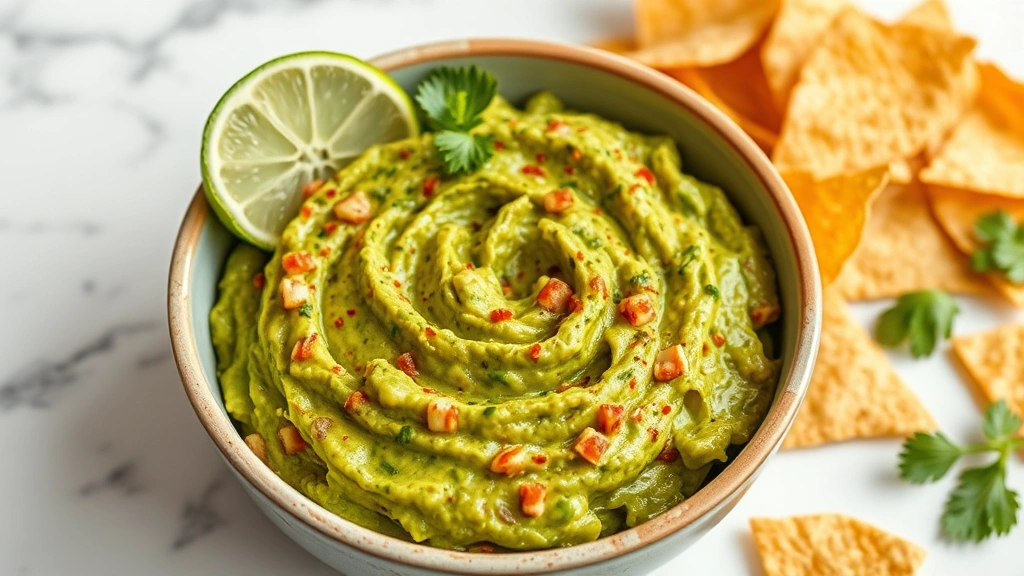
Learning how to make a chipotle guac recipe that tastes like it came straight from your favorite Mexican restaurant is easier than you think. I’m going to walk you through the exact technique I use in my kitchen, breaking down each step so you can nail it every single time. The secret isn’t some fancy ingredient—it’s understanding how smoke, heat, and balance work together to create that signature depth you crave.
Table of Contents
Choosing the Right Avocados
The foundation of any great guacamole starts with selecting avocados that are at peak ripeness. You want fruit that yields slightly to gentle pressure but isn’t mushy or bruised. I typically buy avocados 2-3 days before I plan to make guac, allowing them to ripen naturally at room temperature. If you’re in a pinch, place them in a paper bag with a banana to speed up the ripening process—the ethylene gas does the heavy lifting.
Here’s the thing about avocado selection that most people miss: you need to check the stem. Pop off the little brown nub at the top. If it’s brown and dry underneath, the fruit is overripe. If it’s bright green, you’re golden. The flesh should be a pale to medium green, never brown or stringy. For a chipotle guac recipe, I typically use 3-4 medium avocados, which gives you enough body to showcase the smoky pepper flavors without overwhelming the palate.
Prepping Your Chipotle Peppers
Chipotle peppers in adobo sauce are your secret weapon here. These are jalapeños that have been smoked and then canned in a tangy, spiced tomato sauce. Don’t skip the canned version thinking fresh is better—the smoking process is what creates that restaurant-quality depth you’re after. I typically use 1-2 whole peppers, depending on how much heat and smoke intensity I want.
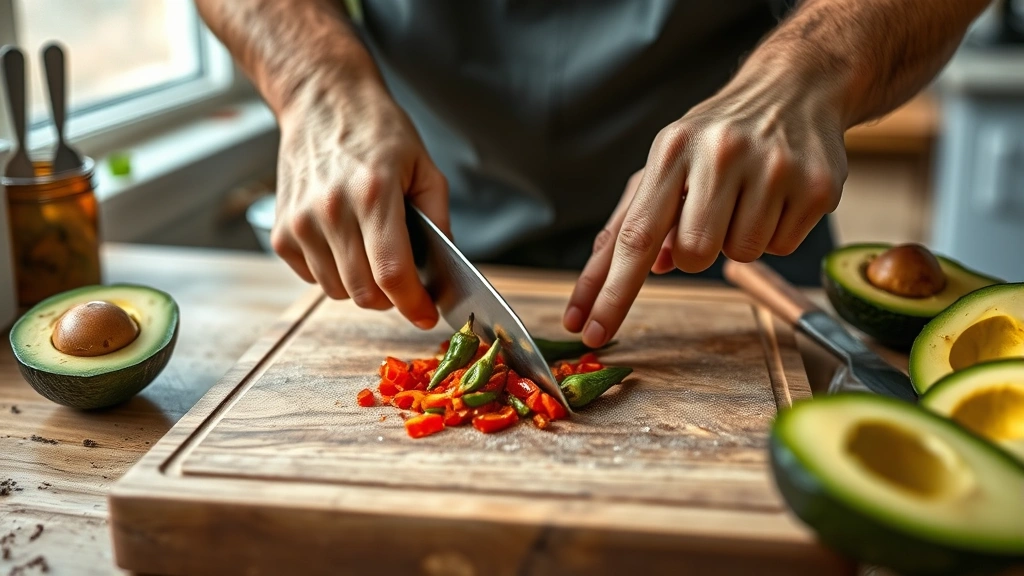
The preparation is critical. Remove the peppers from the can and place them on a cutting board. Slice them lengthwise and remove the seeds and white membrane—this is where most of the heat lives. If you like things spicier, leave some seeds in. Mince the pepper flesh finely, almost to a paste. The smaller the pieces, the more evenly the smoky flavor distributes throughout your guac. Don’t waste that adobo sauce either—reserve a teaspoon or two to add later for extra depth.
Building Your Flavor Base
After your avocados are prepped and your chipotles are minced, it’s time to build the foundational flavors. I start by cutting avocados in half lengthwise, removing the pit, and scooping the flesh into a medium bowl. Using a fork, I mash them to my desired consistency—I prefer leaving some chunks for texture, but that’s your call.
Next comes the acid component. Fresh lime juice is non-negotiable here. I use about 2 tablespoons of freshly squeezed lime juice (not bottled—the difference is real). The acid does three things: it brightens the chipotle smoke, prevents oxidation that turns guac brown, and adds a sharp contrast that makes the flavors pop. Add your minced chipotle peppers and a reserved teaspoon of adobo sauce at this point, folding gently to combine.
Balancing Heat and Smoke
This is where most homemade guac recipes fall short. The heat and smoke need to be balanced, not dominant. After adding your chipotles, taste immediately. The smoky pepper flavor should complement the avocado’s richness, not overpower it. If it’s too intense, add another avocado half and fold in gently. If it’s too mild, add another half chipotle and a splash more adobo sauce.
Sea salt is your next tool. Start with half a teaspoon and adjust from there. Salt amplifies the chipotle’s natural smokiness while bringing out the avocado’s subtle buttery notes. This is why I always taste as I go—every batch of avocados and peppers has slight variations. A quarter teaspoon of cumin can also deepen the smoky profile without adding more heat, which is a pro move if you want that restaurant complexity.
Texture and Consistency Technique
Restaurant guacamole has a specific texture that separates it from chunky homemade versions. It’s creamy but with intentional texture—not baby food, not chunky salsa. Here’s my technique: mash about 70% of the avocado to a smooth base, then fold in the remaining 30% as small, distinct pieces. This creates that professional appearance and mouthfeel.
The consistency should be thick enough to hold its shape on a chip but soft enough to spread easily. If your guac is too thick, fold in a tablespoon of fresh cilantro mixed with a splash of lime juice. If it’s too loose, you’ve either used overripe avocados or added too much liquid. Unfortunately, there’s no fix for that batch—it’s a learning moment. Going forward, be more conservative with liquid additions.
Timing and Storage Tips
Make your chipotle guac recipe as close to serving time as possible. Avocado oxidizes quickly, turning brown and developing off-flavors. I typically make mine 30-45 minutes before serving. If you need to make it ahead, here’s the trick: press plastic wrap directly onto the surface of the guac, removing as much air as possible. Store it in the coldest part of your refrigerator.
Another pro technique is saving one avocado pit and pressing it into the top of your guac. The pit doesn’t prevent browning entirely, but it slows it significantly. You can also add an extra squeeze of lime juice and cover it tightly—the citric acid creates a barrier against oxidation. In my experience, properly stored guac stays fresh and vibrant for up to 4 hours. Beyond that, the flavor and color start degrading noticeably.
Variations and Upgrades
Once you’ve mastered the basic chipotle guac recipe, you can elevate it further. A tablespoon of finely diced red onion adds a sharp, fresh contrast to the smoky peppers. Fresh cilantro—about 2 tablespoons chopped—brings brightness that complements the depth beautifully. Some restaurants add a pinch of garlic powder, though I prefer fresh minced garlic for more control over intensity.
For a protein-forward variation, I sometimes add crumbled cotija cheese or a spoonful of Mexican crema. If you’re serving this alongside grilled fish or how to cook swordfish, a tiny bit of smoked paprika can echo those cooking methods. You could also pair this with refreshing beverages like agua fresca recipe for an authentic Mexican spread.
Troubleshooting Common Issues
Guac turning brown? You’re either making it too far in advance or not using enough acid. Always use fresh lime juice and cover it properly. The brown oxidation is harmless but looks unappetizing, so prevention is your best strategy.
Tastes too bitter or harsh? You’ve either used too much chipotle or the peppers were lower quality. Some canned chipotle brands are more intense than others. Start with half a pepper next time and build from there. Bitterness can also come from over-mashing—treat the avocado gently.
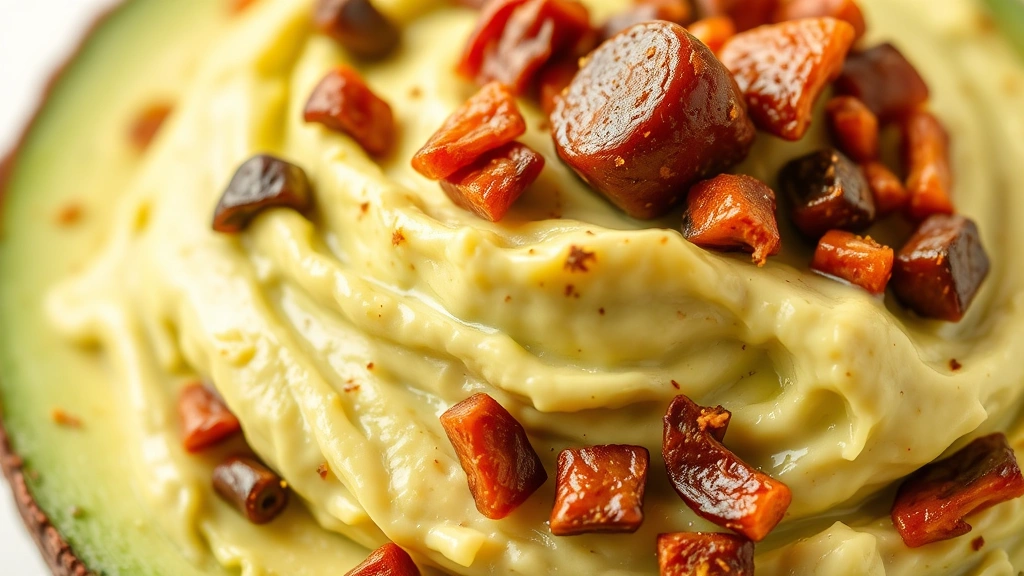
Not smoky enough? Add a teaspoon more adobo sauce before adding more whole peppers. The sauce carries concentrated flavor without adding excessive heat. You could also try a different brand of canned chipotles—quality varies significantly. If you really want to dial in the smoke, try smoking your own peppers at home, though that’s beyond the scope here. For reference, if you’re smoking other proteins, check out how long does it take to smoke a pork butt for timing insights.
Frequently Asked Questions
Can I make chipotle guac without fresh avocados?
Technically yes, but the result won’t be authentic. Frozen or pre-made guac bases lack the silky texture and delicate flavor of fresh avocados. The chipotle smoke deserves a quality canvas. Invest in fresh avocados—they’re the foundation of this recipe.
How spicy is chipotle guacamole?
Chipotle peppers are moderately hot, usually 2,500-8,000 Scoville units. When used in guac with the seeds removed, they provide smoky flavor with mild heat. Most people find it approachable rather than spicy. If you’re heat-sensitive, start with a quarter pepper and adjust upward.
Should I use canned or fresh chipotle peppers?
Canned chipotle peppers in adobo sauce are your best bet for this recipe. The smoking and canning process creates the exact flavor profile restaurants use. Fresh chipotle peppers exist but are harder to find and don’t have the same depth of flavor.
Can I make this ahead for a party?
Make it no more than 2 hours ahead, and store it properly with plastic wrap pressed directly on the surface. For parties, consider making smaller batches and refreshing the guac halfway through. Your guests will appreciate the fresher taste.
What should I serve chipotle guac with?
Crispy tortilla chips are traditional, but it’s also fantastic with fresh vegetables, on tacos, as a burger topping, or alongside grilled proteins. The smoky flavor pairs well with almost any Mexican-inspired dish.
Final Thoughts
Mastering a chipotle guac recipe is about understanding how each component—the creamy avocado, the smoky pepper, the bright acid—works together to create something greater than the sum of its parts. There’s no mystery here, just technique and attention to detail. Start with quality ingredients, taste as you go, and don’t be afraid to adjust based on what you’re working with. Your first batch might not be perfect, but by your third or fourth attempt, you’ll be making guac that rivals any restaurant version. That’s the real skill—knowing your ingredients well enough to adapt and improve with each attempt.


