
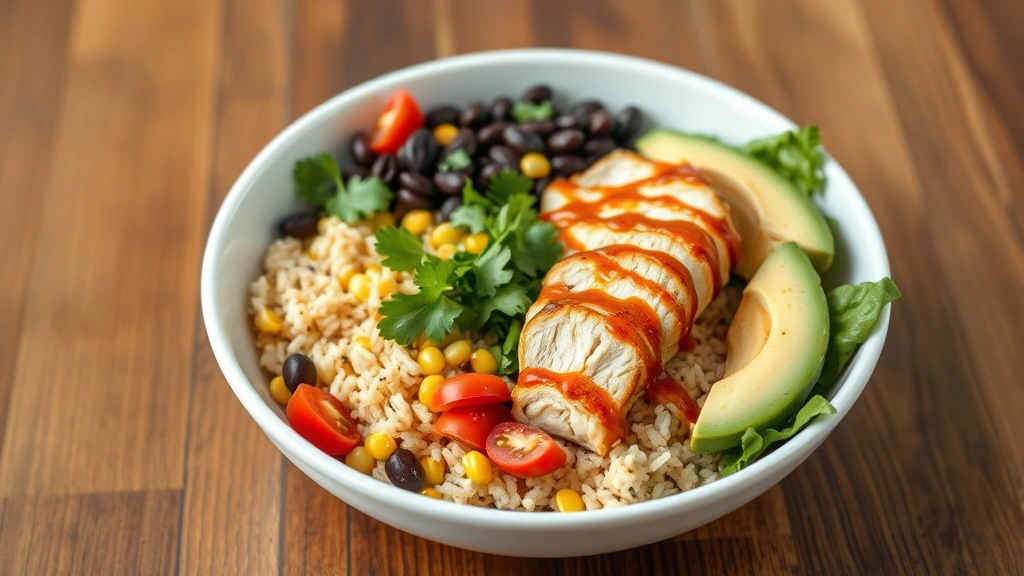
A chipotle bowl recipe is your ticket to restaurant-quality meals without the $12 price tag and the line out the door. I’m going to walk you through building a customizable bowl that tastes like you ordered it straight from Chipotle, except you’ll know exactly what’s in it and you’ll have spent half the money. This isn’t rocket science—it’s just smart kitchen strategy.
Table of Contents
Rice Foundation Matters
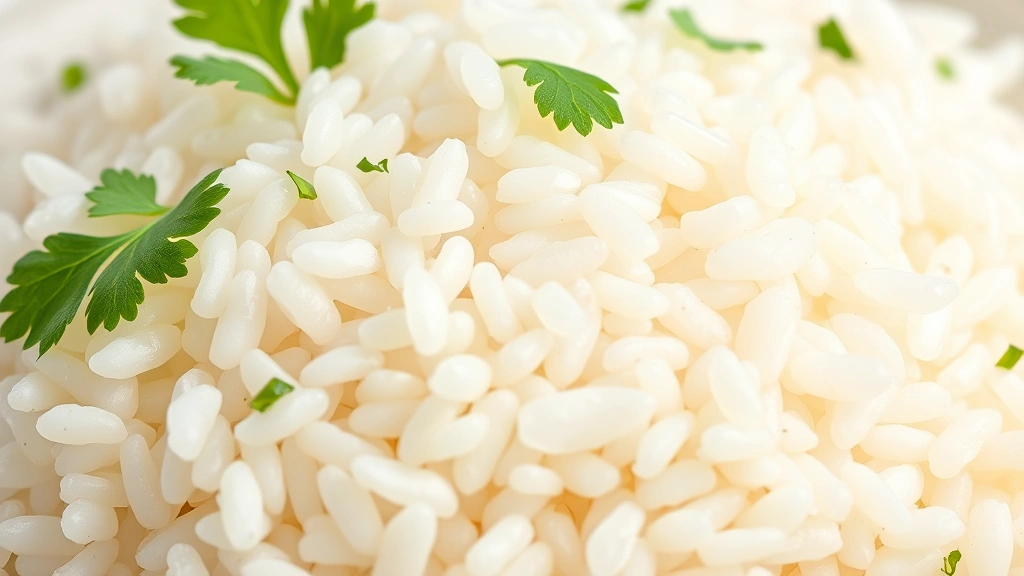
Every solid chipotle bowl recipe starts with rice. This is your base, your canvas, your foundation. I recommend using jasmine rice recipes as your starting point—jasmine has a subtle sweetness and fluffy texture that pairs perfectly with savory toppings. Cook your rice with a 2:1 water-to-rice ratio, bring it to a boil, then drop the heat and let it steam covered for 18 minutes. Don’t peek. Seriously.
Once your rice is done, fluff it with a fork and transfer it to a bowl. While it’s still warm, add lime juice (about 2 tablespoons per 2 cups cooked rice), a pinch of salt, and finely chopped cilantro. This simple step elevates your base from plain to restaurant-level. The warmth of the rice absorbs the lime and cilantro flavors, creating depth that makes people ask for your recipe.
Choosing Your Protein
Your protein choice makes or breaks the bowl. You’ve got three main lanes: chicken, carnitas (pulled pork), or sofritas (tofu scramble). Let’s talk chicken first since it’s the most popular option. Use boneless, skinless chicken breasts or thighs—thighs stay juicier, but breasts work fine if you don’t overcook them.
Season your chicken generously with cumin, chili powder, garlic powder, smoked paprika, salt, and pepper. Pan-sear it in a hot skillet for 6-7 minutes per side (depending on thickness), then let it rest for 5 minutes before slicing. The resting step is non-negotiable—it keeps your meat tender instead of tough.
If you’re doing carnitas, you’re looking at a longer commitment. Slow-roast pork shoulder at 300°F for 4-5 hours with the same spice profile, then shred it and crisp the edges in a hot skillet. For sofritas, crumble extra-firm tofu and scramble it with the same seasoning blend in a hot pan with a bit of oil until it’s golden and slightly crispy. Each protein brings its own character to your bowl.
Building Veggie Layers
This is where your chipotle bowl recipe gets personality. You’re layering multiple vegetables for texture, nutrition, and visual appeal. Start with your greens—romaine lettuce or a mix of spring greens. These go directly on top of your warm rice and will slightly wilt from the heat, which is exactly what you want.
Next, add your cooked vegetables. Steam broccoli for 3-4 minutes until it’s tender-crisp, then toss it with a bit of olive oil and salt. You can also roast bell peppers, zucchini, or corn. For corn, I prefer charring it in a hot skillet with a pinch of salt—this brings out natural sweetness that complements the spices.
Then add your fresh, raw vegetables. Diced tomatoes, red onion, cucumber, and radishes add crunch and freshness. A handful of black beans or pinto beans adds protein and fiber. Avocado or guacamole is the premium move—slice it fresh right before assembly or add it last so it doesn’t brown.
Mastering the Sauce Game
The sauce is what separates a good bowl from a great one. Chipotle’s signature move is their cilantro-lime vinaigrette and their chipotle-honey sauce. Let’s make both.
Cilantro-Lime Vinaigrette: Blend 1 cup cilantro, ½ cup olive oil, ¼ cup lime juice, 2 cloves garlic, 1 jalapeño (seeds removed), ½ teaspoon salt, and ¼ teaspoon cumin. This is bright, herbaceous, and cuts through rich proteins like a charm.
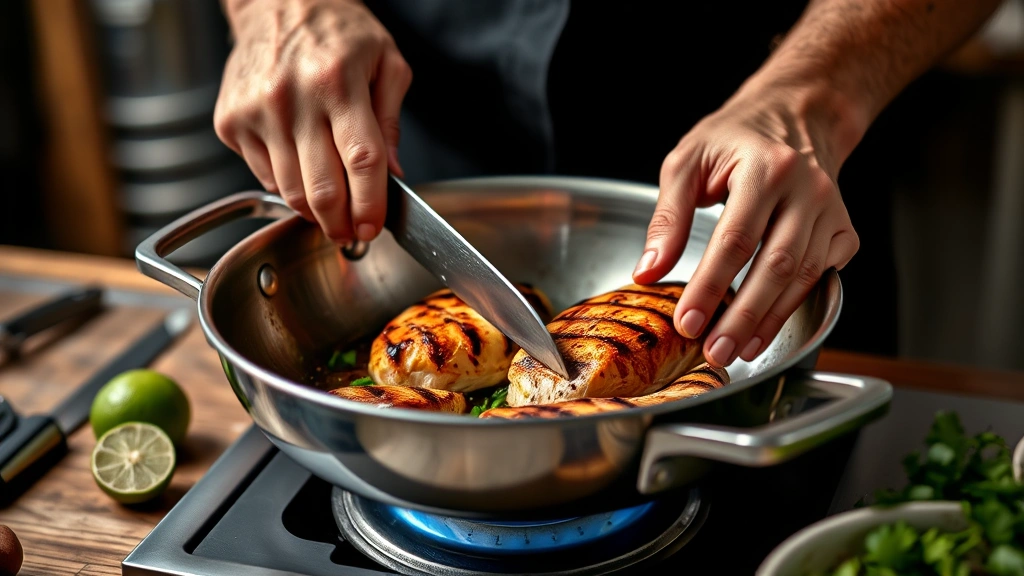
Chipotle-Honey Sauce: Mix 2 chipotle peppers in adobo (finely chopped), ½ cup sour cream, 2 tablespoons honey, 1 tablespoon lime juice, and salt to taste. This is creamy, smoky, and slightly sweet—the perfect complement to grilled chicken.
Don’t drown your bowl in sauce. Use about 2-3 tablespoons per bowl and let people add more if they want. Sauce restraint is a sign of confidence.
Smart Assembly Strategy
Order matters. Start with your warm cilantro-lime rice as the base. Layer your protein on top while everything’s still warm. Add your cooked vegetables next, then your fresh vegetables, then your beans. This order keeps warm things warm and prevents raw vegetables from getting soggy.
Finish with a handful of cheese (queso fresco or cheddar), a dollop of sour cream, salsa, and your sauce of choice. If you’re adding avocado, do it last—right before eating. A squeeze of fresh lime juice over everything ties it all together.
Meal Prep Like a Pro
The beauty of a chipotle bowl recipe is that it’s meal-prep friendly. Cook your rice in bulk and store it in the fridge for up to 4 days. Season your protein and store it separately. Chop your vegetables and keep them in airtight containers. The only things you shouldn’t prep ahead are avocado and fresh lime juice—these go in just before eating.
When you’re ready to eat, warm your rice and protein, assemble your bowl, and you’ve got a restaurant-quality meal in 5 minutes. This is how you actually stick to eating well—by removing friction from the process.
Flavor Customization Guide
Your bowl is a blank canvas. Prefer spicy? Add jalapeños, hot salsa, and extra chipotle sauce. Want it milder? Skip the hot sauce and go heavy on the cilantro-lime vinaigrette. Feeling Mediterranean? Swap your spices for oregano, lemon, and feta cheese. Add sun-dried tomatoes instead of fresh salsa.
Don’t like cilantro? Use parsley instead. Prefer brown rice to white? Go for it—you’ll just need to adjust your cooking time. The framework of the chipotle bowl recipe is flexible. Your job is to respect the core technique (good rice, properly seasoned protein, fresh vegetables, balanced sauce) and then make it yours.
Storage and Reheating
Store your components separately in airtight containers. Rice and protein last 4 days in the fridge. Vegetables last 3-4 days. When you’re ready to eat, reheat your rice and protein together in a microwave (2-3 minutes) or in a skillet over medium heat. Add your fresh vegetables and sauce, and you’re done.
Pro tip: If your rice dries out in the fridge, add a splash of water and a squeeze of lime juice when you reheat it. This refreshes both the texture and flavor. Never store your bowl fully assembled—the rice will absorb all the moisture and get mushy, and your fresh vegetables will wilt.
Frequently Asked Questions
Can I make this recipe vegetarian?
Absolutely. Skip the meat and double down on beans, tofu, or sofritas. Add extra vegetables and you’ll have a filling, protein-rich bowl. Pinto beans and black beans together give you a complete protein when combined with rice.
How far in advance can I prep ingredients?
Rice and cooked proteins keep for 4 days. Raw vegetables last 3-4 days in airtight containers. Prep everything except avocado and fresh lime juice. Assemble your bowl fresh to preserve texture and flavor.
What’s the best rice alternative if I don’t have jasmine?
White basmati works great. Brown rice is healthier but needs 45 minutes to cook. Cauliflower rice is lower-carb but changes the bowl’s character. Stick with white rice varieties for that authentic Chipotle feel.
Can I freeze this?
Rice and cooked proteins freeze fine for up to 3 months. Thaw overnight in the fridge and reheat. Don’t freeze fresh vegetables or avocado—they’ll turn to mush. Sauces freeze well too.
How do I keep avocado from browning?
Add it right before eating. If you must prep ahead, learn how to keep apples from turning brown—the same principles apply to avocado. A squeeze of lime juice slows oxidation significantly.
What’s your sauce recommendation for beginners?
Start with cilantro-lime vinaigrette. It’s harder to mess up and works with every protein. Once you master that, try the chipotle-honey sauce. Both are restaurant-quality but simple enough to make without thinking.
Final Thoughts
Building a chipotle bowl recipe at home isn’t about recreating Chipotle exactly—it’s about understanding the framework and making it work for your kitchen, your taste buds, and your budget. You’ve got warm rice, properly seasoned protein, fresh vegetables, and balanced sauce. That’s the formula. Everything else is customization.
Start with the basics I’ve outlined, make it a few times, then start playing. Add different spices, try new vegetables, experiment with sauce combinations. This is how you develop your own signature bowl that people will actually ask you to make for them. And honestly, that’s the best compliment a home cook can get.


