
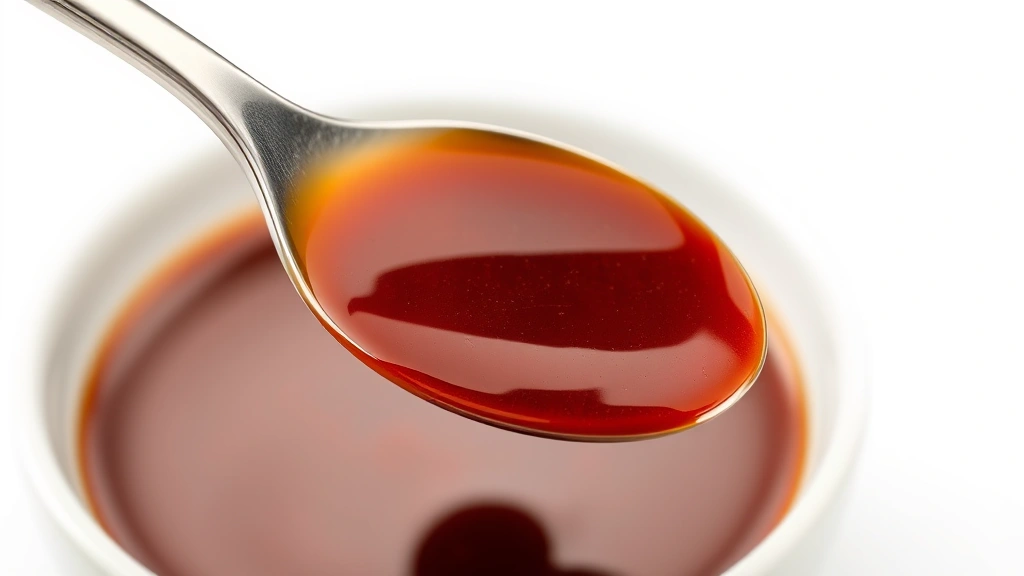
A chinese brown sauce recipe is your secret weapon for creating authentic, restaurant-quality dishes at home. This rich, savory sauce is the backbone of countless Chinese takeout favorites, from beef and broccoli to chow mein, and once you master it, you’ll never need bottled versions again.
Table of Contents
What Is Chinese Brown Sauce?
Chinese brown sauce is a fundamental building block in Asian cuisine. Unlike the lighter soy-based sauces you might use for dipping, this sauce is thicker, richer, and designed to coat your ingredients. It’s the workhorse sauce that brings together beef with broccoli, glazes your stir-fried vegetables, and makes your homemade chow mein taste like it came straight from your favorite takeout spot.
The magic lies in the balance between umami-rich ingredients like soy sauce and oyster sauce, the subtle sweetness from brown sugar, and the body provided by a thickening agent. Restaurant chefs have been perfecting this formula for generations, and you’re about to join their ranks.
Essential Ingredients Breakdown
Let’s talk about what actually goes into a solid chinese brown sauce recipe. You don’t need exotic items or a trip to specialty stores—most of these are pantry staples.
Soy Sauce (3 tablespoons): This is your umami foundation. Use regular soy sauce, not the low-sodium version, because you need that depth of flavor. Dark soy sauce works too if you want extra richness and color.
Oyster Sauce (2 tablespoons): This ingredient is non-negotiable. Oyster sauce adds a distinctive savory sweetness that you simply can’t replicate with anything else. It’s what makes restaurant sauce taste like restaurant sauce.
Brown Sugar (1 tablespoon): The sweetness should be subtle, not candy-like. Brown sugar dissolves smoothly and adds molasses notes that complement the savory elements perfectly.
Garlic (3-4 cloves, minced): Fresh garlic brings aromatic punch. Don’t use garlic powder here—fresh makes all the difference in authenticity.
Ginger (1 teaspoon, minced): This adds warmth and complexity. Fresh ginger is essential; bottled won’t cut it.
Rice Vinegar (1 tablespoon): The acid balances the sauce and prevents it from becoming one-dimensional. White vinegar works in a pinch, but rice vinegar is milder and more authentic.
Chicken Broth (1 cup): This creates the liquid base. You can use beef broth for heartier dishes, but chicken broth is the standard choice.
Cornstarch (1.5 tablespoons): This is your thickening agent. Cornstarch creates that glossy, clinging sauce that coats your food beautifully. Mix it with cold water first to prevent lumps.
Sesame Oil (1 teaspoon): Added at the very end, this provides finishing aroma and richness. A little goes a long way.
Step-by-Step Cooking Method
Now let’s build your sauce from the ground up. This process takes about 10 minutes, and the technique matters as much as the ingredients.
Step 1: Prepare Your Cornstarch Slurry
Mix 1.5 tablespoons of cornstarch with 2 tablespoons of cold water in a small bowl. Stir until completely smooth with no lumps. This slurry is your secret to avoiding that grainy texture some homemade sauces get. Set it aside.
Step 2: Sauté Your Aromatics
Heat 1 tablespoon of neutral oil (vegetable or canola) in a saucepan over medium heat. Add your minced garlic and ginger, stirring constantly for about 30 seconds. You want the kitchen to smell incredible—that’s your signal they’re releasing their oils and flavors. Don’t let them burn; that’s bitter and ruins everything.
Step 3: Combine Liquid Ingredients
Pour in your chicken broth, soy sauce, oyster sauce, brown sugar, and rice vinegar. Stir everything together and bring it to a gentle simmer. This is where your sauce starts coming together. The brown sugar will dissolve, and you’ll see the color deepen.
Step 4: Thicken the Sauce
Once your mixture is simmering, give your cornstarch slurry a final stir and slowly pour it into the pan while stirring constantly. The sauce will start thickening almost immediately. Keep stirring for about 2 minutes to ensure the cornstarch cooks through and the sauce reaches full body. You’re looking for a consistency that coats the back of a spoon.
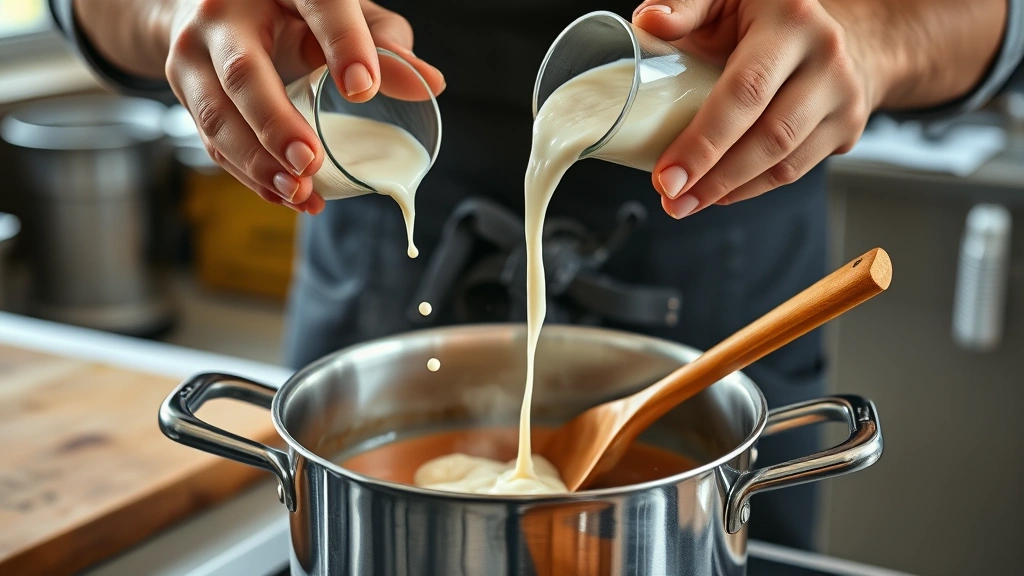
Step 5: Finish with Sesame Oil
Remove from heat and stir in your sesame oil. This final touch adds that authentic Chinese restaurant aroma and richness that makes people ask, “How did you make this taste so good?”
Achieving Perfect Consistency
The consistency of your sauce is critical. Too thin and it runs off your food. Too thick and it becomes gluey and unappetizing. You’re aiming for the texture of light gravy—it should coat your ingredients but still flow slightly.
If your sauce is too thin after the cornstarch has cooked, mix another tablespoon of cornstarch with 2 tablespoons of cold water and repeat the process. If it’s too thick, thin it with a tablespoon of broth at a time until you hit that sweet spot.
Temperature matters too. The sauce will thicken slightly as it cools, so if you’re making it ahead, account for that. When you reheat it, it might need a splash of broth to return to the right consistency.
Flavor Variations & Customization
Once you master the basic chinese brown sauce recipe, you can customize it for different dishes and preferences.
For Spicy Heat: Add 1/2 teaspoon of red pepper flakes or a splash of sriracha. Some people add a pinch of white pepper for subtle heat without visible spice.
For Extra Umami: Add 1/2 teaspoon of fish sauce or a splash of soy sauce. This deepens the savory profile significantly.
For Lighter Dishes: Reduce the oyster sauce to 1 tablespoon and add 1 tablespoon of hoisin sauce instead. This creates a slightly less intense but equally delicious version.
For Beef Dishes: Use beef broth instead of chicken broth and add 1/2 teaspoon of Worcestershire sauce. This pairs beautifully with beef and broccoli or beef lo mein. Similar to how Au Poivre Sauce Recipe enhances beef, this variation complements meat dishes wonderfully.
For Sweeter Applications: Increase brown sugar to 1.5 tablespoons and add 1/2 teaspoon of honey. This works great for glazing and caramelizing.
For Depth and Complexity: Add 1/4 teaspoon of star anise or a small piece of cinnamon stick while simmering. Remove before serving. This adds subtle aromatic complexity that elevates the sauce.
Storage & Shelf Life Tips
One of the best things about making your own chinese brown sauce recipe is that you can batch-prepare it and store it for later use.
Refrigerator Storage: Store your sauce in an airtight container for up to 5 days. It will thicken slightly as it cools. When reheating, add a tablespoon or two of broth to restore the proper consistency.
Freezer Storage: This sauce freezes beautifully for up to 3 months. Use ice cube trays for portion control, or freeze in small containers. Thaw overnight in the refrigerator before using.
Pro Tip: Make a double or triple batch when you have time. Having this sauce ready in your freezer means weeknight stir-fries become restaurant-quality meals in minutes. It’s the same philosophy as preparing components ahead—similar to how you might prepare a base like Authentic Bolognese Recipe for multiple uses throughout the week.
Common Mistakes to Avoid
Even with a solid recipe, small mistakes can derail your sauce. Here’s what to watch for:
Using Pre-made Cornstarch Mixture: Don’t dump dry cornstarch directly into your hot liquid. It will clump immediately and you’ll have a grainy mess. Always make a slurry with cold water first.
Overcooking the Garlic and Ginger: These aromatics can turn bitter in seconds. 30 seconds is plenty. You’re releasing oils, not browning them.
Skipping the Sesame Oil: This isn’t optional. It’s the difference between “good homemade sauce” and “tastes like the restaurant.” Don’t leave it out.
Using Low-Sodium Soy Sauce: This defeats the purpose. You need the full umami punch of regular soy sauce. If you’re concerned about sodium in your overall diet, make other adjustments, but not here.
Not Tasting as You Go: Every brand of soy sauce and oyster sauce varies slightly. After you add the thickener, taste your sauce. Adjust sweetness with a touch more brown sugar, or saltiness with a splash of soy sauce. This is how chefs work.
Pairing with Dishes & Serving
Your homemade sauce is incredibly versatile. Here’s how to use it:
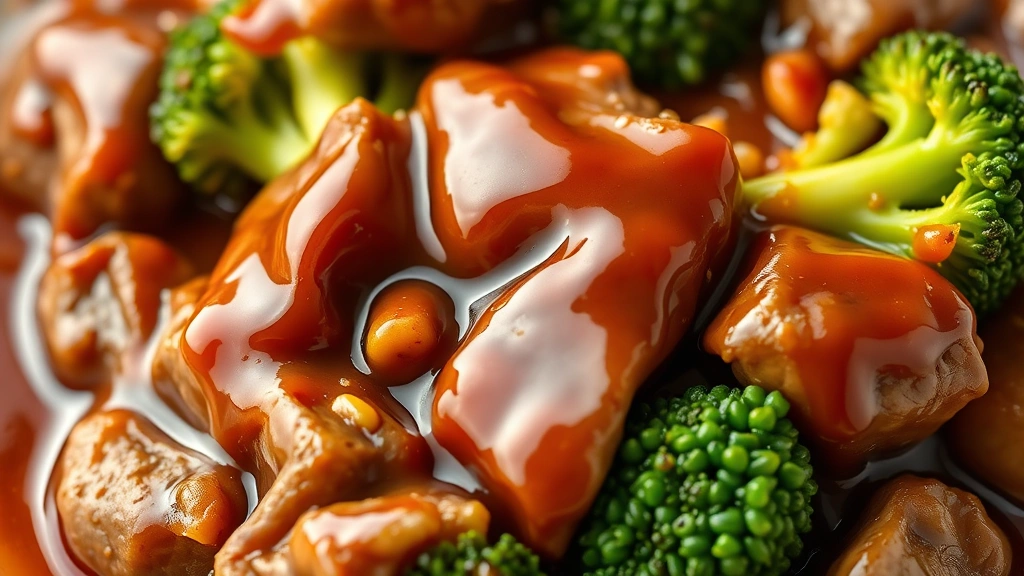
Beef and Broccoli: The classic application. Stir-fry your beef until nearly cooked, add broccoli florets, then pour this sauce over everything in the last minute of cooking. The sauce clings beautifully to the vegetables.
Chicken Stir-Fry: Works with any vegetable combination. The sauce complements chicken’s mild flavor without overwhelming it.
Vegetable Stir-Fry: Use this as your base sauce for any vegetable medley. It’s equally at home with bok choy, snap peas, mushrooms, or bell peppers.
Chow Mein and Lo Mein: Toss cooked noodles with this sauce for authentic takeout-style noodle dishes. This is where you see why consistency matters—too thin and it runs off the noodles, too thick and it clumps.
Glazing Applications: Use it as a glaze for baked chicken or tofu. Brush it on during the last 5 minutes of baking for a glossy, caramelized finish.
Dipping Sauce: While thicker than traditional dipping sauces, you can thin this with a splash of broth to create a dipping sauce for spring rolls or dumplings.
For comparison, if you’re interested in other sauce applications, you might explore how Bourbon Sauce Recipe works with different proteins—the principle of matching sauce to dish is universal.
Frequently Asked Questions
Can I make this sauce without cornstarch?
You can use arrowroot powder or potato starch as substitutes, using the same ratio. Arrowroot is actually preferred by some because it creates a clearer sauce. Avoid flour—it creates a cloudier, less refined texture. The thickening agent is essential for achieving that restaurant-quality consistency.
What if I don’t have sesame oil?
Sesame oil is really important for authentic flavor, but if you absolutely don’t have it, you can skip it. The sauce will still taste good, but it won’t have that signature aromatic finish. Don’t substitute with regular vegetable oil—that defeats the purpose. If you can, grab a bottle; it lasts forever in your pantry.
Can I use tamari or coconut aminos instead of soy sauce?
Yes, both work. Tamari is a gluten-free soy sauce with a richer flavor—use it 1:1. Coconut aminos is sweeter and less salty, so you might need to adjust by reducing brown sugar slightly and adding a pinch of salt. The sauce won’t taste identical, but it will still be delicious.
How do I fix a sauce that’s too salty?
Add a tablespoon of brown sugar and a tablespoon of rice vinegar. This balances the salt without diluting the sauce too much. If that doesn’t work, add a tablespoon of broth and re-taste. You’re looking for harmony between salty, sweet, and savory.
Can I make this sauce in advance?
Absolutely. This is one of its best features. Make it up to 5 days ahead and refrigerate, or freeze for up to 3 months. When you’re ready to use it, reheat gently and thin with broth if needed. This is perfect for meal prep—make a batch on Sunday and you’ve got sauce ready for multiple meals throughout the week.
Why does my sauce taste flat?
Flat sauce usually means you need more umami or acid. Add a splash more soy sauce for umami, or a teaspoon of rice vinegar for brightness. Sometimes a pinch of salt helps too. Taste as you adjust—you’re looking for balance where no single flavor dominates.
Can I use this on rice?
Yes, though it’s designed more as a coating sauce for stir-fried ingredients. If you want to serve it over plain rice, thin it slightly with broth so it doesn’t sit in a thick puddle. The sauce is at its best when it’s clinging to vegetables, meat, or noodles.
How do I make it spicier?
Add red pepper flakes, sriracha, or fresh chili peppers during the simmering stage. Start with 1/4 teaspoon of red pepper flakes and taste as you go. You can always add more heat, but you can’t take it out. Some people also add a pinch of white pepper for subtle heat without visible spice.
Final Thoughts
Mastering a homemade chinese brown sauce recipe is one of the best kitchen skills you can develop. It’s not complicated, it doesn’t require exotic ingredients, and the payoff is enormous. You’ll stop relying on takeout and start creating restaurant-quality meals at home. The consistency is perfect, the flavor is authentic, and you control every element.
Start with the basic recipe, make it a few times until you know it by heart, then experiment with variations. Keep it in your freezer and you’ll find yourself reaching for it constantly. Your weeknight dinners are about to get significantly better, and your family will wonder what your secret is. Now you know.


