
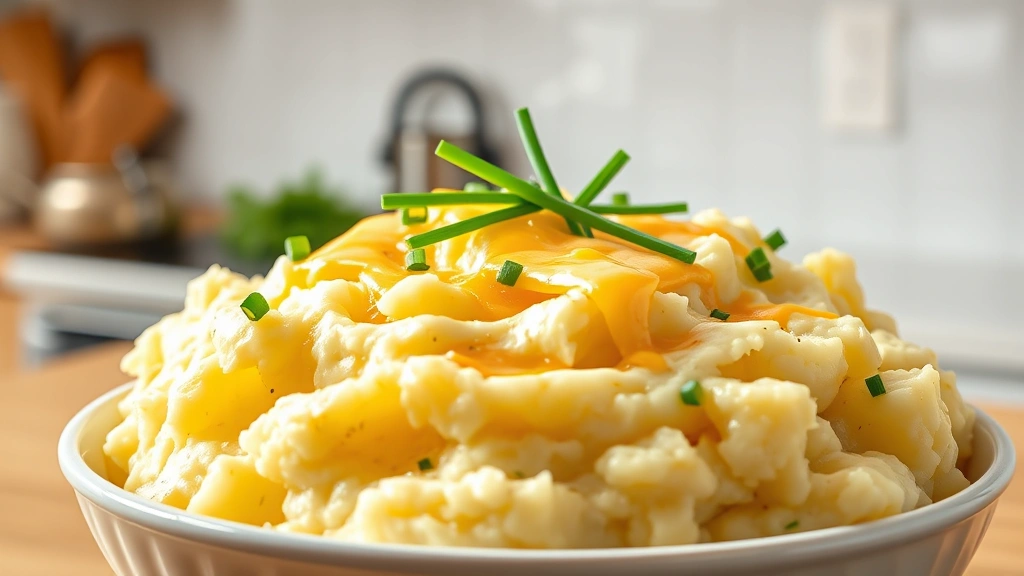
A solid cheesy mashed potatoes recipe is one of those kitchen fundamentals that separates folks who just eat dinner from folks who actually enjoy it. We’re talking fluffy, buttery, loaded-with-cheese mashed potatoes that make you forget about every sad, gluey side dish you’ve ever suffered through at a potluck. This isn’t fancy restaurant stuff—it’s straightforward, honest cooking that delivers maximum comfort with minimal fuss.
Table of Contents
Choosing the Right Potatoes
Not all potatoes are created equal, and this is where most people stumble. You want starchy potatoes—russets are your go-to choice. They break down beautifully when cooked and absorb butter and cheese like they were born for it. Yukon golds work too if you prefer a slightly waxy texture and don’t mind a bit more moisture. Avoid waxy potatoes like red potatoes or fingerlings; they’ll turn your mashed potatoes into a gluey mess faster than you can say “kitchen disaster.”
Grab about 2 pounds of potatoes for a decent serving that feeds 4-6 people as a side dish. If you’re making this for a holiday dinner where mashed potatoes are basically the main event, bump it up to 3 pounds.
Prep Work Matters More Than You Think
Cut your potatoes into roughly equal chunks—aim for about 2-inch pieces. This ensures even cooking. Peel them before or after cooking; honestly, both methods work, but peeling after cooking keeps more starch in the pot, which means fluffier results. Soak cut potatoes in cold water for 30 minutes if you’ve got time—this removes excess starch and prevents them from turning into paste.
Fill a large pot with cold water and add a generous pinch of salt. This is important: starting with cold water ensures even cooking throughout. If you dump cold potatoes into boiling water, the outside cooks faster than the inside.
Cooking Potatoes to Perfect Doneness
Bring the water to a boil and maintain a steady simmer. Don’t let it rage—aggressive boiling breaks potatoes apart before they’re fully tender. Cook for about 15-20 minutes, depending on chunk size. Test with a fork; you want them tender enough that a fork slides through with zero resistance, but not so soft they’re falling apart in the water.
Here’s a pro tip: drain them thoroughly in a colander and let them sit for a minute. This evaporates excess moisture, which is crucial for creamy (not watery) mashed potatoes. If you’re concerned about cooking timing, remember that mashing hot potatoes works better than cold ones.
Cheese Selection Guide
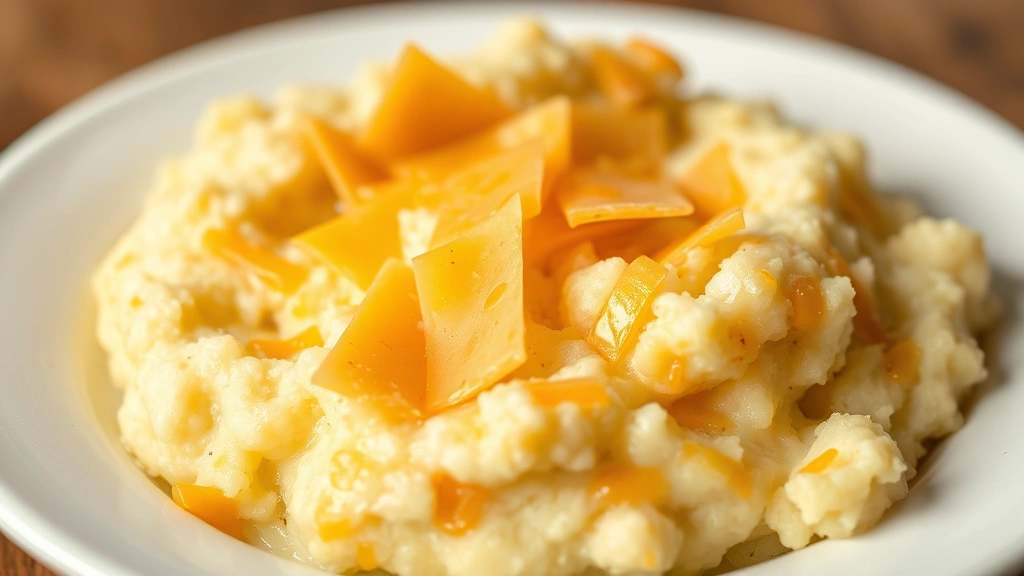
This is where your cheesy mashed potatoes recipe gets personality. Sharp cheddar is the classic choice—it’s bold, melts beautifully, and doesn’t get lost among the butter and cream. Use about 1.5 to 2 cups of shredded cheese for 2 pounds of potatoes. Always shred your own cheese from a block; pre-shredded cheese has anti-caking agents that prevent smooth melting.
Gruyère adds a nutty sophistication. A mix of sharp cheddar and gruyère is honestly the sweet spot. If you’re feeling adventurous, a small amount of smoked gouda or aged white cheddar transforms the whole dish. Just remember: stronger cheeses need lighter hands. A little goes a long way.
Don’t use processed cheese or cheese sauce—you’re better than that, and your potatoes deserve better too.

The Mashing Technique That Works
Transfer hot drained potatoes to a large bowl. A ricer is the gold standard here—it produces the fluffiest, most uniform texture. If you don’t have a ricer, a regular masher works fine; just don’t overwork the potatoes. Overworking releases too much starch, turning everything gluey and dense. Mix until mostly smooth with maybe a few small lumps remaining.
Add your shredded cheese while potatoes are still hot—the heat melts it evenly throughout. Stir gently to incorporate. If you add cold cheese to hot potatoes, you’re basically making the same thing, but the distribution won’t be as smooth.
Butter and Dairy Ratios
Start with 4 tablespoons of butter and 1 cup of heavy cream or half-and-half for 2 pounds of potatoes. Add these in stages rather than all at once. Start with half the butter and half the cream, mix gently, then taste and adjust. Some people like them richer; others prefer lighter. You’re in control here.
Warm the cream and butter together before adding if you can—this prevents the potatoes from cooling down while you’re mixing. Cold additions will make your potatoes less fluffy. Season with salt and freshly ground black pepper. Taste constantly; seasoning is personal, and you might want more than you think.
Flavor Variations Worth Trying
Once you nail the basic cheesy mashed potatoes recipe, experiment. Roasted garlic—about 4-5 cloves minced fine—adds depth without being aggressive. A tablespoon of Dijon mustard sounds weird but works brilliantly with sharp cheddar. Fresh chives or green onions scattered on top add brightness.
Crispy bacon crumbled on top is never wrong. A touch of horseradish (just a teaspoon) wakes up the whole dish. Some folks swear by a pinch of smoked paprika. The key is restraint—you’re enhancing the cheese and potatoes, not burying them.
If you’re serving these alongside gravy made from turkey drippings, keep the seasoning straightforward so the gravy shines.
Storage and Reheating Tips
Mashed potatoes keep in the fridge for 3-4 days in an airtight container. They also freeze well for up to 2 months, though the texture becomes slightly less creamy after thawing. When reheating, do it gently on the stovetop over medium-low heat, stirring occasionally and adding a splash of cream if they’ve dried out.
Never use a microwave for reheating if you can help it—it creates hot spots and uneven warming. A double boiler works beautifully if you’re reheating a large batch. The whole point of making something this good is preserving that creamy texture all the way to the table.
Frequently Asked Questions
Can I make cheesy mashed potatoes ahead of time?
Absolutely. Make them up to 2 hours before serving and keep them warm in a slow cooker on low, stirring occasionally. For longer storage, refrigerate and reheat gently on the stovetop with extra cream.
What’s the best cheese for mashed potatoes?
Sharp cheddar is the classic for good reason—it’s bold enough to taste like cheese without overwhelming the potatoes. A blend of sharp cheddar and gruyère is even better. Avoid mild cheddar or pre-shredded varieties.
Why are my mashed potatoes gluey?
You’re either overworking them (releasing too much starch), using waxy potatoes, or not draining them thoroughly. Stick with russets, use a ricer or light hand with a masher, and drain well before mashing.
Can I use milk instead of cream?
You can, but the result won’t be as rich or creamy. If that’s what you prefer, use whole milk and add an extra tablespoon of butter to compensate. Half-and-half is a good middle ground.
How do I keep them warm without drying out?
A slow cooker on low is your friend. Cover the potatoes and stir every 15 minutes or so. You can also transfer them to a buttered baking dish and cover with foil in a 200°F oven for up to an hour.
Should I peel potatoes before or after cooking?
After cooking is easier and keeps more starch in the pot. Before cooking is faster if you’re in a hurry. Both methods work—it’s personal preference.
Final Thoughts on Creamy Comfort
A great cheesy mashed potatoes recipe isn’t complicated, but it does demand attention to detail. Choose the right potatoes, cook them properly, use real cheese, and don’t overthink the mashing. The result is a side dish so good it might steal the show from whatever main course you’re serving.
Whether you’re making these for a holiday dinner, a weeknight family meal, or just because Tuesday needs a little comfort, these potatoes deliver. Pair them with roasted vegetables or a perfectly cooked protein, and you’ve got a meal that feels like home on a plate. That’s the whole point of good cooking—making people happy, one forkful at a time.


