
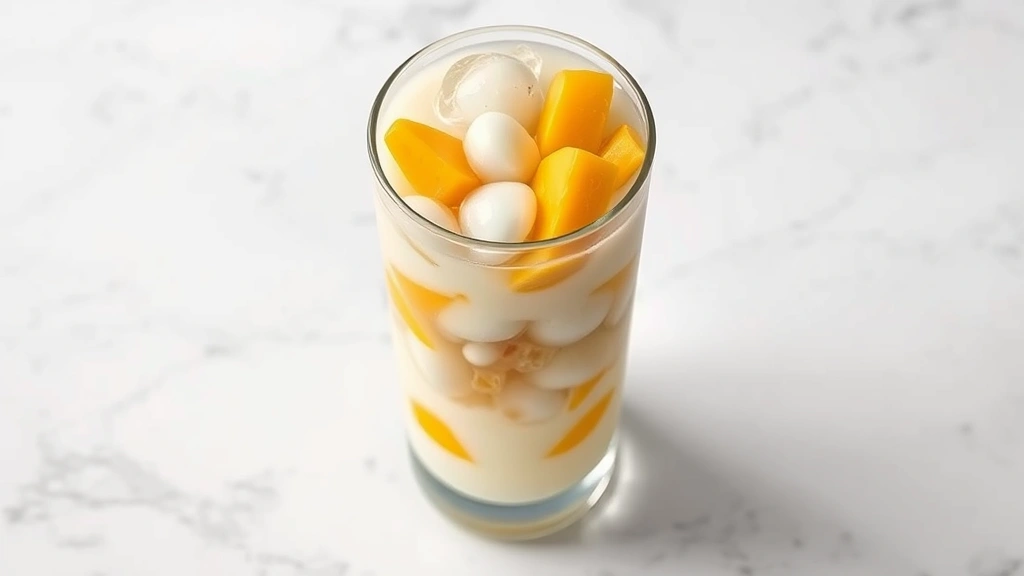
A che thai recipe is your ticket to mastering one of Vietnam’s most beloved street desserts—a refreshing, sweet treat that’s part drink, part dessert, and entirely addictive. Whether you’re craving something cool on a hot day or want to impress guests with authentic Southeast Asian flavors, this guide walks you through everything you need to know to make che thai like a pro.
Table of Contents
What is Che Thai?
Che thai is a Vietnamese dessert soup that sits somewhere between a beverage and a pudding. The name “che” refers to any sweet soup or pudding in Vietnamese cuisine, and “thai” indicates it’s typically served chilled. Think of it as a sophisticated, layered experience—you get sweetened coconut milk or syrup as the base, topped with chewy tapioca pearls, soft beans, fruit, and sometimes creamy custard or jelly pieces. It’s the kind of dessert that keeps you coming back for another spoonful because each bite offers different textures and flavors working in harmony.
The beauty of a che thai recipe lies in its flexibility. Street vendors across Vietnam have their own signature versions, and home cooks adapt recipes based on what’s available and what they love. Some versions lean heavy on coconut, others showcase fresh fruit, and many incorporate how to make popping boba for that fun, bursting texture element.
Essential Ingredients
Before you start, gather your core components. You’ll need canned or fresh coconut milk (full-fat works best), sugar or rock sugar, tapioca pearls (the small variety), and your choice of toppings. Common additions include mung beans, kidney beans, black beans, fresh fruit like banana or mango, and sometimes custard or pandan jelly. Water and ice round out the basics.
The ingredient quality matters more than you’d think. Use real coconut milk—not the light version—because the richness is essential to authentic flavor. Rock sugar, if you can find it at an Asian market, dissolves more slowly and creates a cleaner sweetness than granulated sugar. Tapioca pearls should be small and uniform; larger ones take too long to cook and can become mushy.
Preparing the Sweet Base
Start by making your syrup foundation, which is the backbone of any che thai recipe. In a pot, combine one can of coconut milk with one cup of water and about three-quarters cup of sugar. Heat gently until the sugar dissolves completely—don’t let it boil aggressively. The mixture should be smooth and slightly thickened, not watery. This is your canvas.
Some versions use a combination of coconut milk and condensed milk for extra richness, while others stick purely to coconut. If you’re making a larger batch, scale the proportions: typically one part coconut milk to one part water, then adjust sweetness to taste. The base should taste slightly sweeter than you’d normally want to drink because the toppings will dilute it. Let this cool to room temperature, then refrigerate until you’re ready to assemble.
Cooking the Toppings
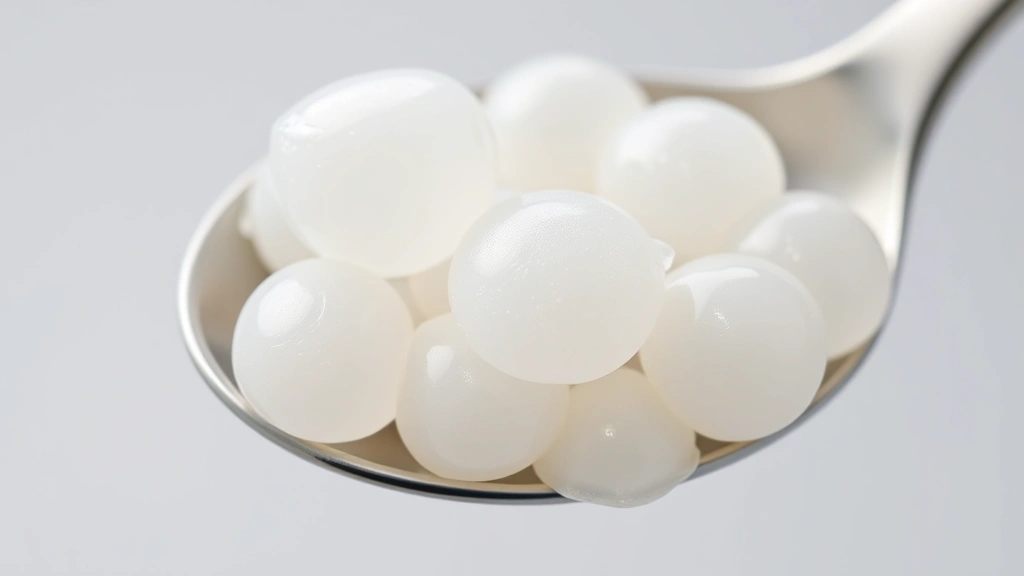
This is where your che thai recipe gets personality. Start with the tapioca pearls—cook them separately according to package directions, usually about 15-20 minutes in boiling water until they turn translucent and chewy. Drain and rinse with cold water to stop the cooking process. Set aside.
For beans, use canned varieties to save time, or cook dried beans the day before. Mung beans are traditional and add a subtle, slightly sweet flavor. Kidney beans and black beans work too, though they’re less common in authentic versions. You can also prepare banana fritters recipe variations as a protein-rich topping if you want something more indulgent. Fresh fruit should be cut into bite-sized pieces just before assembly—mango, papaya, and banana are classics. If using banana, add it last to prevent browning.
Assembly and Layering
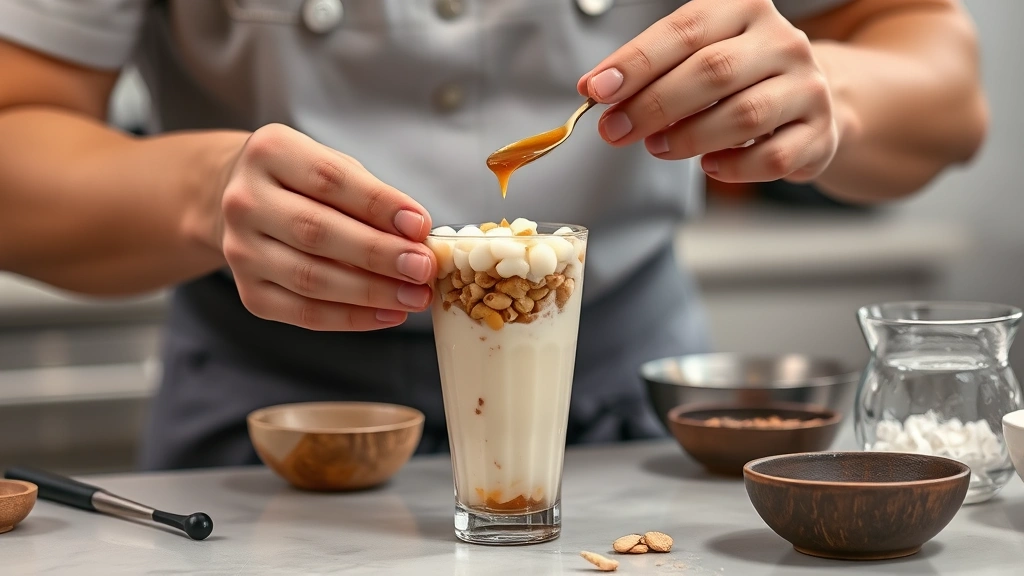
Here’s where technique matters. Fill a glass about one-third full with your chilled coconut syrup base. Add a generous spoonful of cooked tapioca pearls. Layer in your beans—mung beans work beautifully here. Add fresh fruit pieces. If you’re using custard or pandan jelly, crumble or cut it into small pieces and add it now. Top with a few ice cubes and another splash of coconut syrup to fill the glass nearly to the top.
The layering isn’t just for looks; it ensures every spoonful has a mix of textures. Some people like to stir it together before eating, while others prefer to eat it in layers, discovering new flavor combinations as they go deeper into the glass. There’s no wrong way—it’s about personal preference.
Flavor Variations
Once you master the basic che thai recipe, experiment with variations. A pandan-flavored version uses pandan extract in the syrup for an earthy, aromatic twist. Matcha che thai appeals to those who love green tea. Some vendors make versions with fresh lychee, longan, or even durian for the adventurous. You could also incorporate chipotle aioli recipe techniques if you’re thinking about savory-sweet fusion experiments (though this is decidedly non-traditional).
Another popular variation uses sweetened red beans instead of mung beans, or adds a layer of creamy evaporated milk on top. Some recipes include a touch of vanilla extract or a pinch of salt to enhance the sweetness. The key is maintaining balance—don’t add so many toppings that you lose the delicate coconut flavor that makes che thai special.
Storage and Make-Ahead Tips
The beauty of che thai is that most components keep well separately. Store your coconut syrup base in an airtight container in the fridge for up to five days. Cooked tapioca pearls last three to four days refrigerated. Beans keep for a week. Fresh fruit should be prepped the day of serving to maintain quality. This means you can prep everything in advance and assemble individual servings in minutes.
If you’re making this for a party, prepare all components ahead of time and set up a “che thai bar” where guests can assemble their own combinations. This adds an interactive element and lets people customize their sweetness level and topping ratios. It’s a smart move that also reduces your last-minute stress.
Common Mistakes to Avoid
Don’t use light coconut milk—it won’t deliver the authentic flavor and richness that makes this dessert special. Avoid over-sweetening the base; you can always add more sugar, but you can’t remove it. Don’t cook tapioca pearls too far in advance; they’ll continue to absorb liquid and become mushy. Fresh fruit should go in last to prevent it from getting soggy or discolored.
Many home cooks make the mistake of not chilling everything properly. Che thai should be served very cold, almost icy. Warm che thai tastes flat and loses its appeal. Chill your glasses in the freezer for 15 minutes before serving if you want to maintain temperature longer. Also, don’t skip the ice cubes—they’re not just for temperature; they’re part of the experience.
Frequently Asked Questions
Can I make che thai without tapioca pearls?
Absolutely. Tapioca is traditional, but you can substitute with other chewy toppings like sago, grass jelly, or even cooked rice vermicelli. The texture changes slightly, but the dessert remains delicious. Some versions use popping boba for a fun, bursting element instead.
Is che thai the same as other Vietnamese dessert soups?
Not quite. “Che” is a broad category of Vietnamese sweet soups and puddings. Che thai specifically refers to the chilled version. There are also warm versions called “che nong,” and variations like che ba mau (three-color) that have different layering and components. Each has its own charm.
How sweet should the base taste?
Taste it before chilling—it should be noticeably sweet, sweeter than you’d normally drink, because the toppings and ice will dilute it. If it tastes too sweet on its own, dial it back slightly. Everyone has different preferences, so adjust to what works for your palate.
Can I use fresh coconut milk instead of canned?
Yes, fresh coconut milk works wonderfully if you have access to it. Use the same ratio as canned, though fresh coconut milk may be thinner, so you might need slightly less water. The flavor will be even more authentic and delicate.
How long does che thai last?
Individual servings are best consumed immediately, but the components keep separately for several days. The assembled dessert can sit in the fridge for a few hours, though the tapioca will continue absorbing liquid and the ice will melt. For best quality, assemble just before serving.
What’s the difference between mung beans and other beans in che thai?
Mung beans have a subtle sweetness and delicate flavor that complements the coconut base beautifully. Other beans like kidney or black beans are earthier and more pronounced. Try both and see which you prefer—there’s no single “correct” answer.
Final Thoughts
Mastering a che thai recipe opens up a whole world of Vietnamese dessert possibilities. What starts as a simple combination of sweetened coconut milk and chewy toppings becomes a sophisticated, refreshing treat that transports you straight to a Hanoi street corner. The best part? Once you understand the basic framework, you can adapt it endlessly based on seasons, preferences, and what you have on hand. Start with the classic version, perfect your technique, then play with variations. Your family and friends will be impressed, and you’ll have a go-to dessert that works year-round. Try pairing it with other authentic recipes like authentic Bolognese recipe for a complete culinary experience, or explore branzino recipe for main course inspiration. The key to mastery is practice, tasting, and adjusting until you find your perfect balance.


