
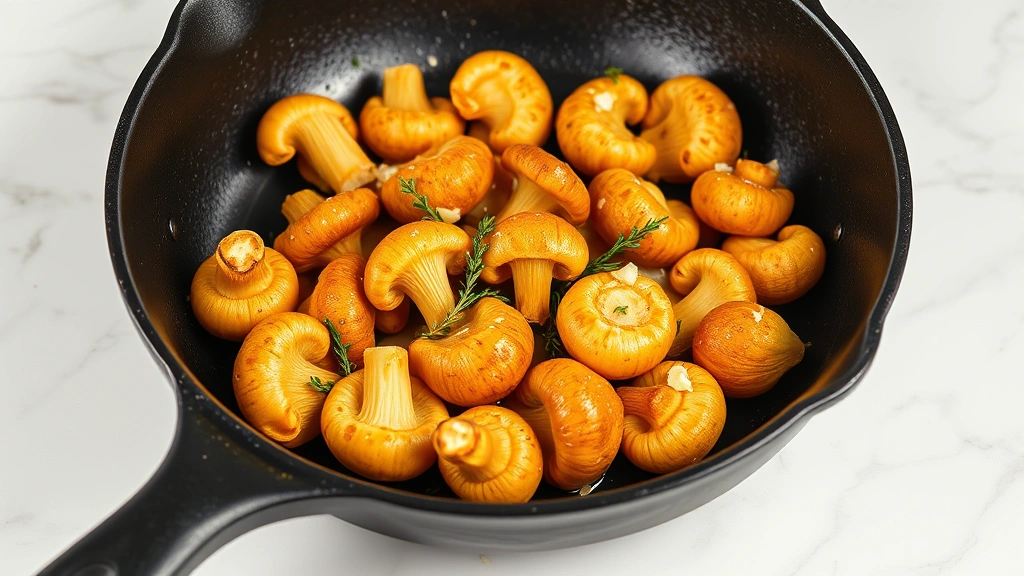
Chanterelle recipes are some of the most rewarding dishes you can make when you’ve scored fresh mushrooms from the market or forest floor. These golden, funnel-shaped beauties have a delicate fruity flavor and meaty texture that makes them perfect for everything from simple sautés to elegant pasta dishes. Whether you’re a seasoned forager or just discovering these culinary gems, mastering the right cooking techniques will transform your chanterelles from good to absolutely unforgettable.
Table of Contents
Cleaning & Prep Work
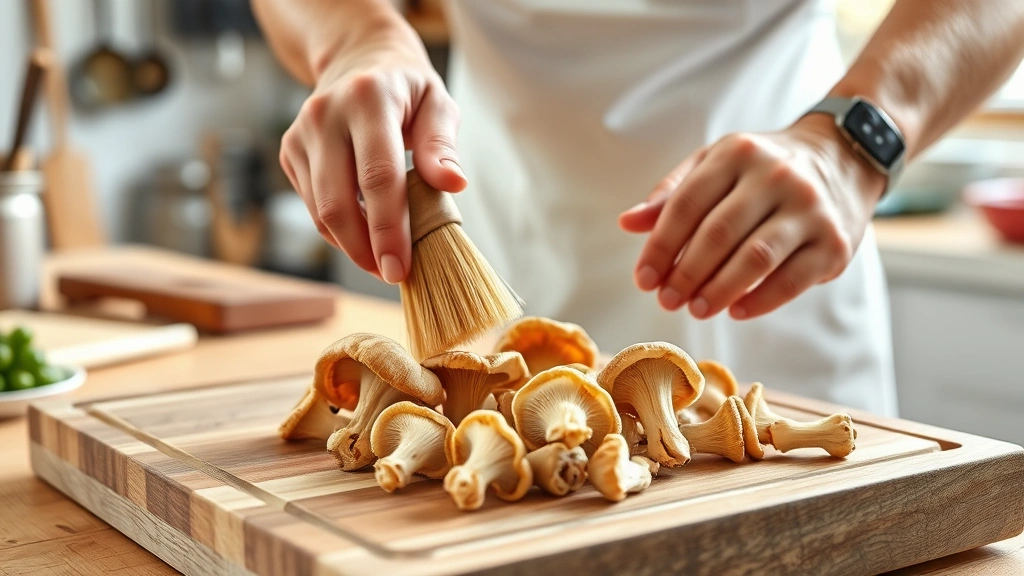
Before you even think about cooking, proper preparation is non-negotiable. Chanterelles are delicate, so you can’t just rinse them under water like regular mushrooms. The best approach is to use a soft brush or damp cloth to gently wipe away dirt and debris. If they’re really dirty, a quick dunk in cool water followed by immediate patting dry works fine—just don’t let them soak.
Trim the base of the stem where it’s darker or damaged. Most chanterelles have a hollow center, so if you’re concerned about hidden grit, you can carefully split them lengthwise to inspect. Keep pieces roughly the same size so they cook evenly. Smaller specimens can go whole, while larger ones benefit from halving or quartering. This attention to detail is what separates mediocre chanterelle recipes from restaurant-quality results.
Sautéing the Right Way
Sautéing is the foundation of most chanterelle recipes. Heat your pan—cast iron or stainless steel work best—until it’s properly hot. Add a generous knob of butter or quality olive oil, then let it foam. Once it’s shimmering, add your prepared chanterelles in a single layer. This is crucial: don’t crowd the pan. Work in batches if needed.
Let them sit undisturbed for 2-3 minutes. This develops a light golden crust and concentrates their natural flavor. Stir occasionally for another 5-7 minutes until they’re tender and any released moisture has mostly evaporated. Season with salt and pepper near the end—salt draws out moisture early, so timing matters. A squeeze of fresh lemon juice at the finish brightens everything beautifully.
Creamy Pasta Dishes
One of the most elegant chanterelle recipes involves pairing them with fresh pasta and a silky cream sauce. Start by sautéing your cleaned mushrooms in butter until golden, then set aside. In the same pan, add minced shallots and sauté until soft. Deglaze with a splash of white wine or dry vermouth, letting it reduce by half.
Pour in heavy cream and bring to a gentle simmer. Add the cooked chanterelles back in along with fresh thyme and a pinch of nutmeg. Toss with your favorite pasta—tagliatelle or pappardelle work wonderfully—and finish with fresh parmesan and cracked black pepper. This is comfort food elevated. You can also incorporate complementary sauces like au poivre sauce recipe for an even richer depth.
Butter & Garlic Magic
Sometimes the simplest chanterelle recipes are the best. Heat a skillet with plenty of good butter and several smashed garlic cloves. Once the garlic is fragrant and just beginning to color, add your prepared chanterelles. Cook low and slow, stirring gently every couple minutes. The mushrooms will release their moisture, and the butter will absorb their essence.
After about 10 minutes, the liquid should reduce and the chanterelles should be tender and glossy. Finish with fresh parsley, a squeeze of lemon, and fleur de sel. Serve on toasted bread, over how to steam carrots as a side, or simply as an appetizer. This technique showcases why chanterelles are prized—their flavor needs minimal interference.
Roasting for Depth
Roasting brings out deeper, more concentrated flavors in chanterelles. Toss cleaned mushrooms with olive oil, salt, pepper, and fresh herbs like rosemary or thyme. Spread on a baking sheet in a single layer and roast at 400°F for 15-20 minutes, stirring halfway through. The edges should caramelize slightly while the centers stay tender.
Roasted chanterelle recipes work beautifully as a side dish for steak or chicken, tossed into grain bowls, or served on crostini with a dollop of chipotle aioli recipe for a spicy kick. You can also roast them with other vegetables like root vegetables or leafy greens for a complete vegetable medley that actually tastes like something.
Soup & Broth Ideas
Chanterelle soups are elegant and surprisingly easy. Start with a good stock—chicken or vegetable both work—and sauté your prepared chanterelles in butter with onions and celery. Add the stock along with a potato or two for body. Simmer until everything is tender, about 20 minutes, then partially blend if you want a creamy texture while keeping some mushroom pieces visible.
Finish with cream, fresh herbs, and a touch of sherry or white wine. The earthiness of the mushrooms combined with the brightness of the wine creates something genuinely special. These chanterelle recipes are perfect for showcasing your harvest without overwhelming the delicate flavor profile. A drizzle of truffle oil or crispy sage on top takes it to restaurant territory.
Side Dish Pairings
Chanterelles shine as a supporting player too. Toss sautéed chanterelles with baby broccoli recipe preparations for a sophisticated vegetable side. Mix them into grain dishes like risotto or farro, where their fruity notes complement the earthiness of the grains. They’re also fantastic alongside roasted buffalo cauliflower recipe techniques for unexpected flavor combinations.
Try building a composed plate with chanterelles as one element among several vegetables and proteins. Their delicate flavor won’t overpower other components, but it will elevate everything around them. This versatility is what makes chanterelle recipes so valuable in any cook’s repertoire.
Seasonal Variations
Different seasons call for different approaches. Spring and early summer chanterelles tend to be smaller and more delicate—treat them gently with minimal cooking. Fall chanterelles are often larger and more robust, standing up better to longer cooking times and bolder flavor combinations. Winter preparations benefit from warming spices like cinnamon or star anise, while summer recipes shine with fresh herbs and bright citrus.
Pay attention to the specific batch you’re working with. Farmers market chanterelles might vary in size and moisture content compared to foraged specimens. Adjust your cooking time and technique accordingly. The best chanterelle recipes are flexible enough to accommodate these natural variations while still delivering excellent results.
Preservation Methods
When you have a glorious haul of chanterelles, preservation extends the season. Sautéing them in butter and freezing in airtight containers works well—they’ll keep for several months. Alternatively, dry them slowly in a low oven (200°F) for 2-3 hours, then store in an airtight container. Dried chanterelles rehydrate beautifully in soups and sauces.
Pickling is another option: simmer cleaned chanterelles in a vinegar brine with spices for 15 minutes, then pack into sterilized jars. These add complexity to salads and charcuterie boards. Whichever method you choose, you’ll have chanterelle recipes at your fingertips year-round. According to USDA guidelines on food preservation, proper storage prevents foodborne illness while maintaining flavor and texture.
Frequently Asked Questions
Can you eat chanterelles raw?
Technically yes, but it’s not recommended. Raw chanterelles can be tough and their flavor is muted. Cooking brings out their best qualities. Even a quick sauté transforms them dramatically. If you want to taste them raw, use only the most tender, young specimens and slice paper-thin.
How do you know when chanterelles are cooked?
They should be tender when pierced with a fork but still hold their shape. The edges may have a slight golden color. Most cooking methods take 8-12 minutes depending on size. Overcooking makes them mushy and bitter, so start checking early and remove from heat when they’re just tender.
What’s the best way to store fresh chanterelles?
Keep them in a paper bag (not plastic) in the refrigerator for up to a week. Paper allows them to breathe and prevents moisture buildup. If you won’t use them within a few days, freeze or dry them immediately. Fresh chanterelles deteriorate quickly, so don’t delay.
Do chanterelles need to be cooked?
Yes, they should always be cooked. Some mushrooms can be eaten raw, but chanterelles contain compounds that are better broken down through heat. Cooking also improves digestibility and brings out their distinctive fruity flavor that makes them worth seeking out.
What pairs well with chanterelle recipes?
Butter, cream, garlic, thyme, sage, lemon, white wine, and shallots are classic pairings. They work beautifully with pasta, risotto, eggs, fish, and poultry. Their delicate flavor means you don’t want competing strong flavors—keep supporting ingredients subtle and complementary.
Can you substitute chanterelles in mushroom recipes?
Yes, though the result will taste different. Chanterelles are more delicate than button mushrooms or portobello. Use them in recipes where their subtle fruity notes can shine rather than in dishes requiring hearty, earthy mushroom flavor. Adjust cooking times since they’re more tender.
Final Thoughts
Mastering chanterelle recipes opens up a world of elegant, restaurant-quality cooking at home. These golden mushrooms deserve respect and proper technique—which is exactly what you’ve learned here. Start with the simplest preparations to really understand their flavor, then build toward more complex dishes as your confidence grows. Whether you’re foraging or shopping farmers markets, you now have the knowledge to cook them right every single time. Your kitchen is about to smell incredible.


