
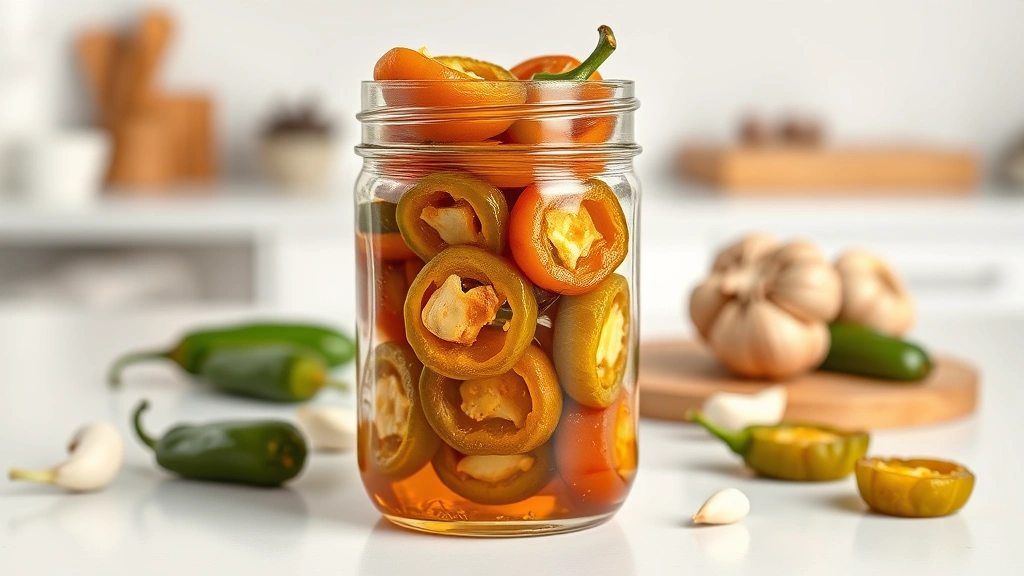
A candied jalapenos recipe transforms those fiery peppers into a sweet and spicy condiment that’ll knock your socks off. Whether you’re topping nachos, jazzing up cream cheese, or adding zing to your charcuterie board, this homemade version beats anything you’ll find in a jar at the grocery store.
Table of Contents
Why Make Candied Jalapenos
Store-bought versions are loaded with preservatives and often lack that fresh pepper bite. When you make candied jalapenos at home, you control the sweetness level, spice intensity, and ingredient quality. Plus, there’s something genuinely satisfying about jarring up your own condiments. The process takes less than an hour, and you’ll end up with enough to share or stash for months.
The beauty of this recipe lies in the balance—you’re not trying to hide the jalapeno flavor under mountains of sugar. Instead, you’re creating a harmony where sweet and heat dance together. Think of it like seasoning in woodworking; you want just enough to enhance, not overwhelm.
Ingredients You Need
Here’s what you’ll gather before starting:
- 2 pounds fresh jalapenos
- 2 cups white vinegar (or apple cider vinegar for deeper flavor)
- 3 cups sugar
- 1 tablespoon salt
- 1 teaspoon mustard seeds
- 1 teaspoon coriander seeds
- 4-5 garlic cloves, sliced thin
- Optional: 1/2 teaspoon turmeric for color and earthiness
Don’t skip the vinegar—it’s not just for tang. Vinegar acts as a preservative and cuts through the sweetness, keeping your candied jalapenos from becoming candy. The mustard and coriander seeds add subtle complexity without overpowering the pepper.
Prep Work Matters
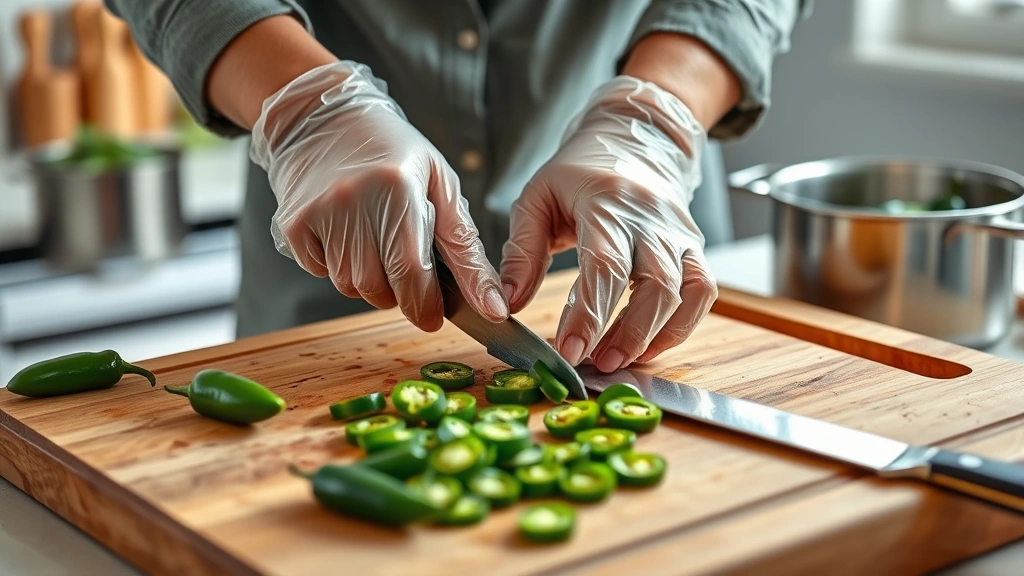
Start by washing your jalapenos thoroughly under cool running water. Pat them completely dry—moisture is your enemy when you’re trying to achieve that glossy, syrupy coating. Use a sharp knife to slice them into rings about 1/4-inch thick. Some folks prefer to keep the seeds for extra heat; others remove them for a milder result. There’s no wrong choice here—it’s your kitchen workshop.
Wear gloves while handling the peppers. Seriously. Those capsaicin oils will transfer to your hands, and you don’t want to touch your face or eyes later. If you do get some on your skin, milk or oil works better than water for washing it off.
Slice your garlic cloves lengthwise so they don’t disappear into the brine. You want them visible and substantial enough to fish out if needed. Have all your ingredients prepped and within arm’s reach before you start cooking—this recipe moves quickly once the heat is on.
The Cooking Process
Combine vinegar, sugar, and salt in a large stainless steel pot. Medium-high heat is your friend here. Stir occasionally until the sugar dissolves completely—you’re looking for a clear liquid, not grainy. This takes about 5-7 minutes. Once it’s dissolved, add your mustard seeds, coriander seeds, and turmeric if using. Let it simmer for 2 minutes to bloom those spices and release their flavors.
Now add your sliced jalapenos and garlic. The mixture will seem watery at first, but don’t panic. Bring everything to a gentle boil, then reduce heat to medium-low. Simmer uncovered for 15-20 minutes. You’re not trying to cook the peppers until they’re soft—you want them to retain some snap and structure. They’ll continue softening as they cool and sit in the brine.
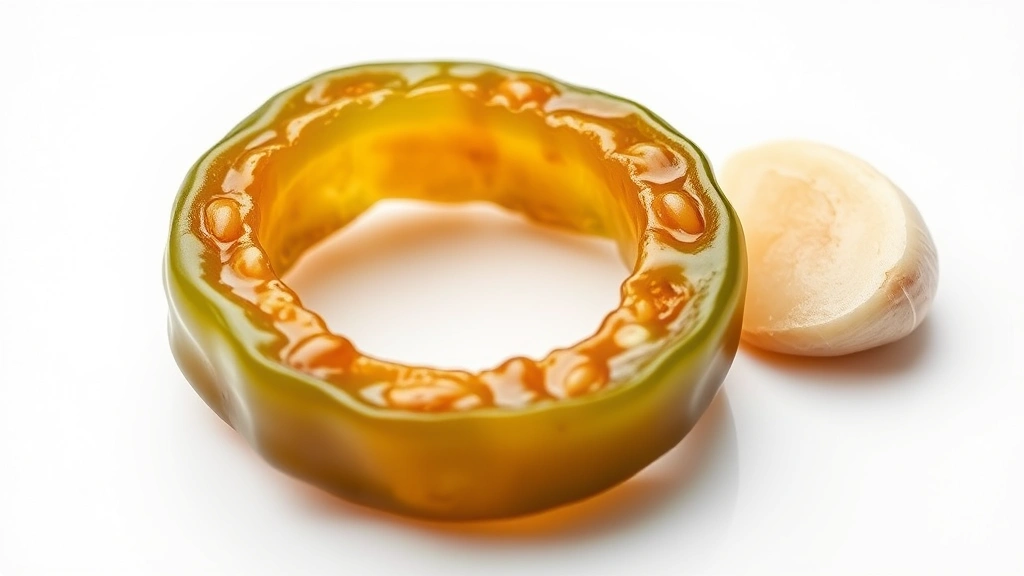
The syrup should reduce slightly and coat the back of a spoon. Tilt the pot and watch how it runs—if it drips like water, you need a few more minutes. If it coats and slowly slides, you’re at the right consistency. This is where your candied jalapenos recipe becomes truly special.
Canning for Storage
If you’re planning to store these long-term, proper canning is essential. Sterilize your jars by running them through a hot dishwasher or boiling them for 10 minutes. Keep them hot until you’re ready to fill them. Using hot jars prevents thermal shock and helps create a proper seal.
Carefully ladle the hot jalapeno mixture into sterilized jars, leaving about 1/4-inch headspace. Use a clean spatula or bubble remover to release any trapped air pockets. Wipe the jar rims clean with a damp cloth—any residue prevents proper sealing. Place hot lids on top and screw bands down finger-tight, not cranked down hard.
Process the jars in a boiling water bath for 10 minutes. This step kills any bacteria and creates that satisfying “pop” when the seal forms as the jars cool. Remove jars carefully and place them on a clean kitchen towel. Don’t tighten the bands. Let them cool completely—you’ll hear the lids seal as they cool. Once cooled, check the seals by pressing the center of each lid. If it doesn’t flex, you’re good to go.
Flavor Variations
Once you’ve mastered the basic candied jalapenos recipe, experiment with additions. A cinnamon stick or two adds warmth. Red pepper flakes introduce extra heat. Fresh dill brings an unexpected herbal note. Some folks add a splash of bourbon or tequila for depth—add it after cooking, once the pot is off the heat.
For a tropical twist, include a thin slice of fresh ginger or a few cardamom pods. If you want to match it with bibimbap sauce recipe flavor profiles, add a tablespoon of sesame seeds or a teaspoon of gochugaru (Korean red pepper flakes). The possibilities are genuinely endless.
Serving Ideas
Spread candied jalapenos on cream cheese and serve with crackers for an instant appetizer. Top nachos with them for a sweet-heat combo that’ll make everyone reach for seconds. They’re phenomenal on pulled pork sandwiches, hot dogs, or tacos. Mix them into deviled eggs for a sophisticated kick.
Charcuterie boards love candied jalapenos—they provide contrast to aged cheeses and cured meats. Dice them up and fold into cornbread batter for a surprising sweetness. Even a simple grilled cheese gets elevated with a spoonful tucked inside. Use them as a topping for pizza alongside goat cheese and caramelized onions.
Storage Tips
Properly canned candied jalapenos last 1-2 years in a cool, dark pantry. Once opened, refrigerate and use within 3 weeks. If you skip the canning process and just want to make a batch for immediate use, store them in the refrigerator in an airtight container for up to 2 weeks. The flavor actually improves over a few days as everything melds together.
Never store at room temperature without proper canning. The high sugar content and vinegar provide some protection, but you’re playing with fire. Stick with either refrigeration or proper water bath canning. If a jar ever shows signs of spoilage—cloudiness, mold, or a bulging lid—don’t taste it. Throw it out.
Troubleshooting Guide
If your jalapenos are too soft, you cooked them too long. Next batch, reduce simmering time to 10-12 minutes. If they’re too crunchy and the syrup didn’t set properly, you didn’t cook long enough or your heat was too low. Aim for a gentle simmer, not a rolling boil.
Cloudy brine usually means you used iodized salt instead of pickling salt. Stick with pickling or kosher salt next time. If the jars didn’t seal, it’s likely because the rims weren’t clean or the lids were old. Reprocess within 24 hours using new lids, or just refrigerate and use within a few weeks.
Too much heat? Use fewer jalapeno seeds next time or include some bell pepper to dilute the spice. Too sweet? Add another 1/2 cup vinegar to the brine next batch. This recipe is forgiving—each attempt teaches you what you prefer.
Frequently Asked Questions
Can I use red jalapenos instead of green?
Absolutely. Red jalapenos are riper and slightly sweeter, which actually complements this recipe beautifully. The color will be different, but the flavor profile works just as well. You can even mix red and green for visual interest.
Do I need special canning equipment?
A large pot, jar lifter, and bubble remover make things easier, but you can improvise. Use a slotted spoon to remove jars from boiling water and a thin knife to release air bubbles. The key is having the right temperature and process, not fancy tools.
What if I don’t want to can them?
Make a smaller batch and keep it refrigerated. The recipe works perfectly for short-term storage. You’ll get the same delicious flavor without the canning step. Just use within 2-3 weeks and always keep refrigerated after opening.
Can I use this syrup for other vegetables?
Yes! This brine works wonderfully for pickled onions, carrots, or cucumbers. Adjust cooking times based on vegetable density, but the base recipe is solid. Many folks use it for how to tell if a pineapple is ripe timing—that is, until they taste how good this syrup tastes on fruit too.
How spicy are candied jalapenos?
They’re definitely spicy, but the sugar and vinegar mellow the heat somewhat. If you’re sensitive to peppers, remove most seeds. If you want maximum heat, keep the seeds and add red pepper flakes. The beauty of making your own is controlling the spice level exactly.
Can I make this in smaller batches?
Absolutely. Halve the recipe and use the same cooking times. Just scale everything proportionally. Smaller batches actually cook more evenly since they reach temperature faster.
Final Thoughts
Making a candied jalapenos recipe at home is genuinely easier than most people think. You’re essentially making a quick syrup, simmering peppers in it, and jarring it up. The whole process takes an afternoon, and you’ll have a shelf-stable condiment that tastes infinitely better than anything commercial. Whether you’re canning for long-term storage or just making a batch for the week, you’ve got this. Start with the basic recipe, taste as you go, and adjust next time based on what you learn. That’s how real cooking—and real craftsmanship—works. For more preservation techniques, check out how long to steam broccoli for timing principles that apply to all cooking. Your kitchen is your workshop, and this recipe is your first project. Get in there and make something delicious.


