
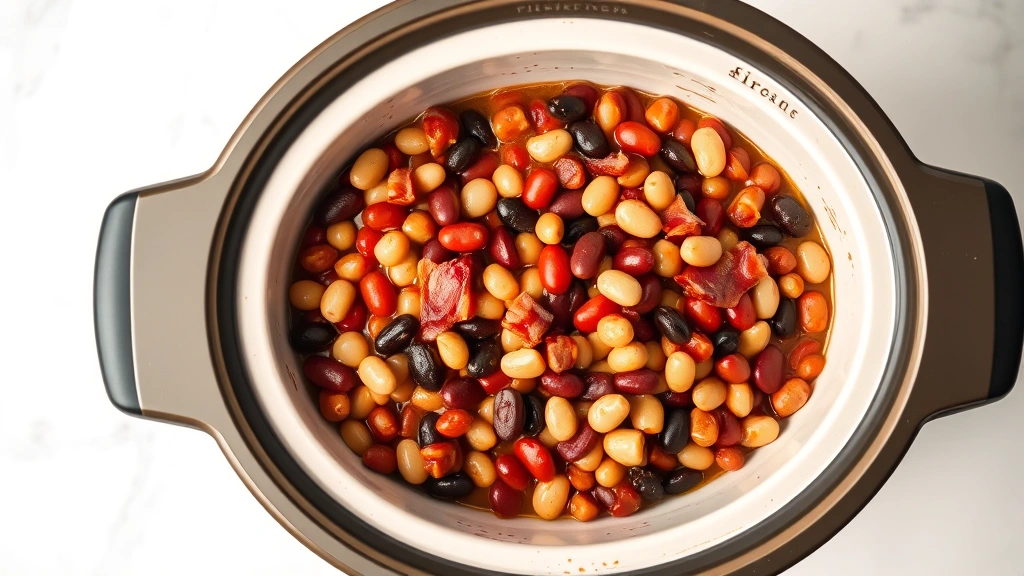
A calico beans recipe is the kind of dish that shows up at potlucks, church socials, and family dinners because it’s reliable, filling, and honestly tastes better the next day. This isn’t fancy cooking—it’s real food that sticks with you, made with three different types of beans, bacon, and just enough sweetness to make everyone go back for seconds.
Table of Contents
What Are Calico Beans?
Calico beans get their name from the mix of different colored beans—kidney, pinto, and black beans create that patchwork look, like calico fabric. It’s a Midwestern classic that’s been feeding families for generations. The beauty of this dish is its simplicity: you’re basically layering flavors with bacon, onions, and a touch of brown sugar, then letting everything simmer together until it becomes this cohesive, deeply satisfying side dish or light main course.
Think of it as the bridge between black beans and rice and traditional baked beans. It’s got the smokiness of bacon, the earthiness of multiple bean varieties, and just enough sweetness to balance the savory notes. This is comfort food that doesn’t apologize for itself.
Ingredients You Need
Here’s what you’re working with for a standard batch that feeds about 8-10 people:
- 1 pound bacon, diced
- 1 large onion, diced
- 1 can (15 oz) kidney beans, drained and rinsed
- 1 can (15 oz) pinto beans, drained and rinsed
- 1 can (15 oz) black beans, drained and rinsed
- 1/2 cup brown sugar
- 1/4 cup ketchup or barbecue sauce
- 2 tablespoons apple cider vinegar or white vinegar
- 1 tablespoon mustard (yellow or Dijon)
- 1 teaspoon salt
- 1/2 teaspoon black pepper
- 1/2 teaspoon garlic powder
Don’t get hung up on having exact quantities. This recipe is forgiving—if you want more beans, add more. If you like things sweeter, bump up the brown sugar. That’s the whole point of real cooking.
Prep Work Matters
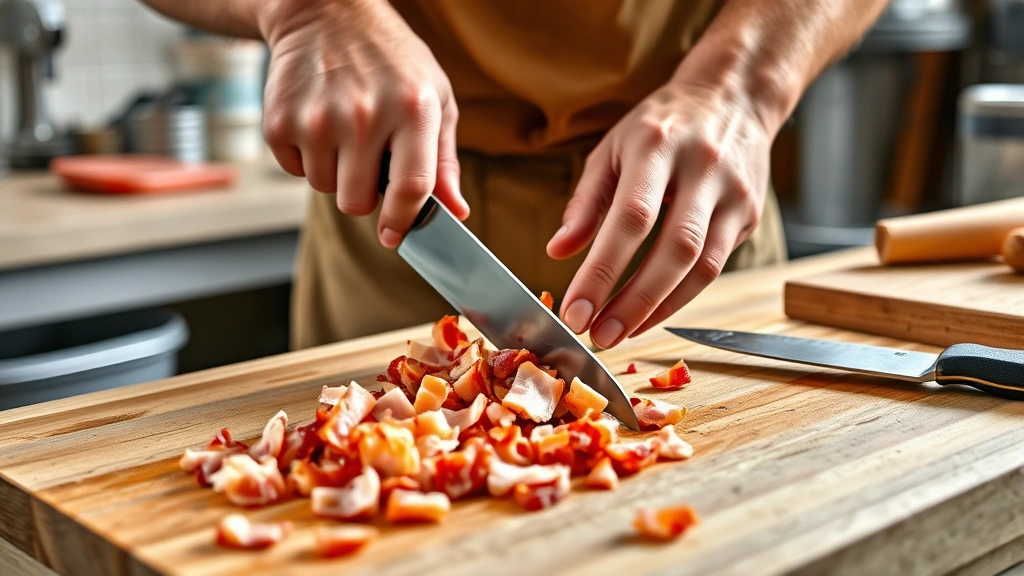
Start by cooking your bacon until it’s crispy. Cut it into bite-sized pieces before you cook it—you want it to render properly and get that smoky flavor throughout. Once it’s done, pull it out with a slotted spoon and set it aside on paper towels. Don’t throw away that bacon fat. That’s liquid gold for cooking your onions.
Dice your onion while the bacon’s still warm. Toss it into that bacon fat and let it soften for about 3-4 minutes. You’re not looking for caramelization here—just soft, translucent onions that’ll disappear into the dish and add depth. This step takes five minutes and makes a noticeable difference in the final flavor.
Drain and rinse all three types of beans. This removes the excess sodium and starch, which helps prevent the dish from being gummy. Don’t skip this step—it’s quick and worth doing.
Cooking Method: Slow Cooker
The slow cooker is the most hands-off approach and honestly my preference. Combine your cooked bacon, softened onions, and all three types of beans in a 4-6 quart slow cooker. In a small bowl, whisk together the brown sugar, ketchup, vinegar, mustard, salt, pepper, and garlic powder. Pour this mixture over the beans and stir everything together until well combined.
Cook on low for 4-6 hours or on high for 2-3 hours. The longer you cook it, the more the flavors meld together. If you’re doing this for a potluck, you can cook it on low for the entire time you’re at work, then keep it on warm when you get home. It’s that flexible.
About 30 minutes before serving, give it a taste. If it needs more sweetness, add a tablespoon or two of brown sugar. If it needs more tang, add another splash of vinegar. This is where you make it yours. You can also use a Dutch oven for a stovetop version if you prefer.
Stovetop Alternative
If you don’t have a slow cooker or you’re short on time, you can absolutely do this on the stove. After you’ve cooked the bacon and softened the onions in the same pot, add all the beans and your seasoning mixture. Bring it to a simmer over medium heat, then reduce to low and let it bubble gently for about 45 minutes to an hour. Stir occasionally and keep an eye on the liquid level—if it’s reducing too quickly, add a splash of water or broth.
The stovetop method is faster but requires more attention. You’re basically doing the same thing as the slow cooker, just with more active heat. Either way works perfectly fine.
Flavor Tweaks & Customization
This is where you make the recipe your own. If you like heat, add a teaspoon of cayenne pepper or a diced jalapeño. If you want deeper smokiness, use smoked paprika instead of regular paprika. Some folks add a splash of Worcestershire sauce or a tablespoon of molasses for extra depth.
You can also swap out ingredients based on what you have. Don’t have pinto beans? Use white beans or chickpeas. Don’t eat bacon? Use diced ham or smoked sausage instead. The core concept stays the same—you’re building layers of flavor with proteins, aromatics, and a sweet-savory sauce.
For a lighter version, reduce the brown sugar and ketchup by half. For a spicier kick, add some hot sauce or fresh peppers. Think of this recipe like barbacoa in a slow cooker—the method and flexibility are what matter most.
Serving and Storage
Calico beans are best served warm, straight from the slow cooker or pot. They pair well with cornbread, coleslaw, or just simple buttered bread. You can serve them as a side dish at a barbecue or as a main course with a green salad on the side.
Storage is simple: let it cool to room temperature, then transfer to airtight containers. This dish keeps in the refrigerator for up to 5 days and actually tastes better after sitting overnight because the flavors have time to marry together. You can also freeze it for up to 3 months. Just thaw it in the refrigerator overnight and reheat gently on the stove or in the microwave.
Why This Works
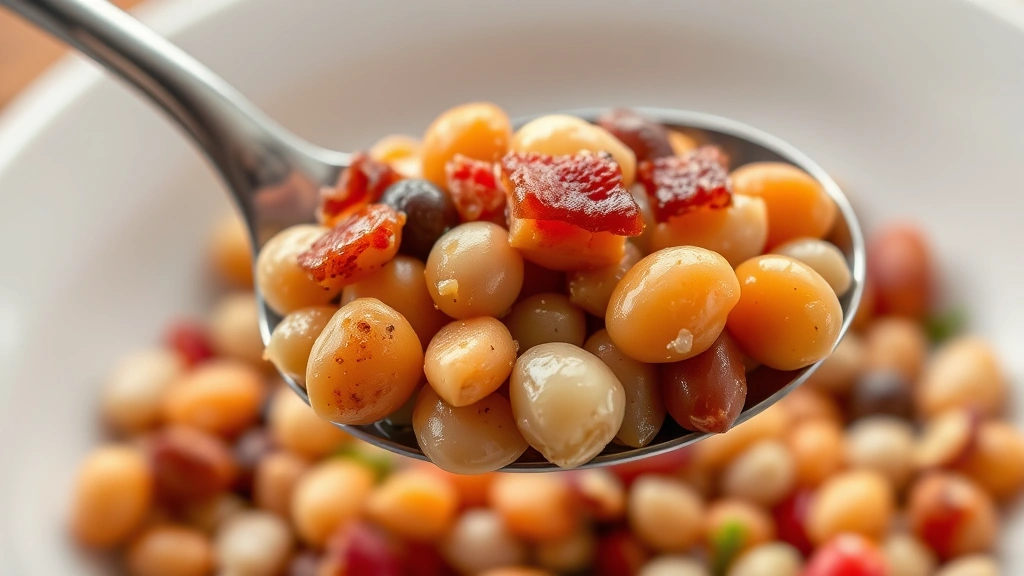
The reason this calico beans recipe has lasted for decades is because it hits all the marks: it’s economical, filling, and genuinely delicious. The combination of three bean types gives you different textures—some stay firm, some get soft—which keeps every spoonful interesting. The bacon provides smokiness and salt, the onions add sweetness and body, and the brown sugar-vinegar-ketchup mixture creates a balanced sauce that doesn’t overpower anything.
It’s also incredibly forgiving. You can’t really mess this up. If you forget about it for an extra hour in the slow cooker, it’ll be fine. If you add a bit too much of something, you can adjust with the opposite flavor. This is recipe that teaches you how to cook by feel rather than by rigid measurements.
Unlike more complicated dishes, this one actually improves with time. Make it the day before your event, refrigerate it, then reheat it gently. The flavors settle and deepen. That’s the mark of real comfort food—it gets better, not worse, as it sits.
Frequently Asked Questions
Can I make this without bacon?
Absolutely. Use diced ham, smoked sausage, or even skip the meat entirely for a vegetarian version. If you go vegetarian, add an extra tablespoon of Worcestershire sauce or a teaspoon of smoked paprika to compensate for the smokiness you’d lose from the bacon.
How long does this keep?
In the refrigerator, calico beans last about 5 days in an airtight container. In the freezer, they’ll keep for up to 3 months. Thaw overnight in the fridge before reheating.
Can I use dried beans instead of canned?
You can, but you’ll need to cook them first. Soak them overnight, then cook each variety separately until they’re tender (usually 1-2 hours depending on the bean). This adds significant prep time, so canned beans are honestly the better choice for this recipe.
What’s the best way to reheat this?
Low and slow on the stovetop is best. Put it in a pot over medium-low heat and stir occasionally until it’s warmed through. You can also use a microwave in a pinch—just cover it and heat in 2-minute intervals, stirring between each one.
Can I double this recipe?
Yes, and you should if you’re feeding a crowd. Just double all the ingredients and use a larger slow cooker. The cooking time stays roughly the same.
What if my beans are too soupy?
Cook it uncovered for the last 30-45 minutes to let some liquid evaporate. Or mix a tablespoon of cornstarch with 2 tablespoons of cold water, stir it in, and cook for another 10 minutes. The mixture should thicken right up.
Is this dish vegetarian-friendly?
Not with bacon, but it easily can be. Skip the meat, use vegetable broth if you want to add liquid, and boost the umami with Worcestershire sauce, soy sauce, or extra mustard. You might also try adding stuffed cabbage or other vegetables for more substance.
Can I add other vegetables?
Definitely. Diced bell peppers, corn, or even diced tomatoes work well. Add them when you add the beans, or if they’re fresh vegetables like peppers, add them in the last 30 minutes so they don’t fall apart.
Wrapping It Up
A calico beans recipe is one of those dishes that proves you don’t need complicated techniques or exotic ingredients to make something genuinely satisfying. It’s built on the foundation of bacon, onions, and beans—things your grandmother probably had in her kitchen. The method is straightforward, the ingredients are budget-friendly, and the results are consistently delicious.
Whether you’re taking this to a potluck, feeding your family on a weeknight, or prepping ahead for a barbecue, this recipe delivers. Make it once and you’ll understand why it’s been a staple for so long. Then you’ll make it again, probably with your own tweaks and adjustments. That’s how real recipes work—they adapt to who’s cooking them.
Start with the basic version, taste as you go, and don’t be afraid to adjust. That’s the real skill in cooking, and this recipe teaches it better than most. Now get in the kitchen and make something good.


