
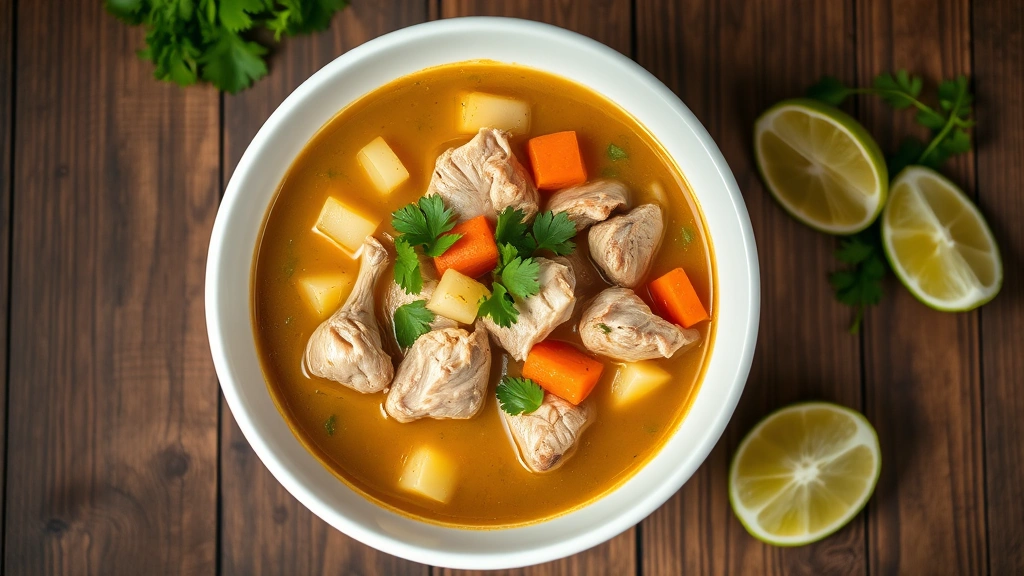
A real caldo de pollo recipe is more than just chicken soup—it’s liquid gold that’ll warm you from the inside out and remind you why abuela knew what she was doing in the kitchen. This Mexican classic comes together in about an hour, using simple ingredients you probably already have on hand, and the payoff is a deeply satisfying, soul-nourishing bowl that beats any canned broth by a country mile.
Table of Contents
What Is Caldo de Pollo?
Caldo de pollo translates to “chicken broth” in Spanish, but calling it that undersells what you’re actually making. This is a complete, one-pot meal that combines tender chicken, vegetables, and a rich, aromatic broth. Unlike American chicken noodle soup, caldo de pollo keeps things simple and lets quality ingredients shine through. You get chunks of chicken, potatoes, carrots, and zucchini swimming in a golden broth infused with garlic, cumin, and cilantro. It’s the kind of dish that tastes even better the next day, when all those flavors have gotten cozy with each other.
Ingredients You’ll Need
Here’s what goes into a solid batch of caldo de pollo:
- 1 whole chicken (3-4 pounds), cut into pieces, or 2-3 pounds chicken thighs and breasts
- 10 cups water or chicken stock
- 1 medium onion, halved
- 4-5 garlic cloves, minced
- 3 medium potatoes, cubed
- 3 medium carrots, cut into rounds or chunks
- 2 medium zucchini, cut into half-moons
- 1 teaspoon ground cumin
- 1 teaspoon dried oregano
- Salt and black pepper to taste
- 2 tablespoons olive oil
- Fresh cilantro for garnish
- Lime wedges for serving
The beauty here is flexibility. Don’t have zucchini? Swap in green beans or celery. Fresh cilantro hard to find? Parsley works in a pinch. This recipe isn’t about rigid rules—it’s about using what you’ve got and making it taste authentic.
Prep Work Matters
Before you even turn on the stove, get your mise en place sorted. Cut your chicken into manageable pieces—thighs and breasts work best because they stay moist longer than white meat alone. Pat them dry with paper towels; this helps them brown better and develop more flavor. Cube your potatoes and carrots into roughly similar sizes so they cook evenly. The zucchini can be thinner since it cooks faster than root vegetables. Mince your garlic fresh—jarred stuff won’t give you the same punch.
This prep work takes maybe 15 minutes and sets you up for success. When you’re organized, the actual cooking becomes a breeze.
Step-by-Step Cooking
Step 1: Brown the Chicken
Heat olive oil in a large pot or Dutch oven over medium-high heat. Working in batches if needed, brown your chicken pieces on both sides—about 3-4 minutes per side. You’re not cooking them through; you’re just building flavor. This browning step creates fond (those browned bits) that’ll deepen your broth’s taste. Season the chicken with salt and pepper as it cooks.
Step 2: Build the Broth Base
Remove the chicken and set it aside. In the same pot, add your minced garlic and sauté for about 30 seconds until fragrant. Pour in your water or stock, scraping up all that fond with a wooden spoon. This deglazing step is crucial—you’re capturing all the flavor you built during browning. Add the halved onion, cumin, and oregano. Bring everything to a boil.
Step 3: Simmer the Chicken
Return the browned chicken to the pot. Reduce heat to medium-low and let it simmer for about 20 minutes. The chicken should be mostly cooked through at this point, and the broth will start developing that golden color.
Step 4: Add the Vegetables
Add your potatoes and carrots first—they need the most time. Simmer for 10 minutes, then add the zucchini. Continue simmering for another 8-10 minutes until all vegetables are tender but not mushy. The whole pot should smell absolutely incredible at this point.
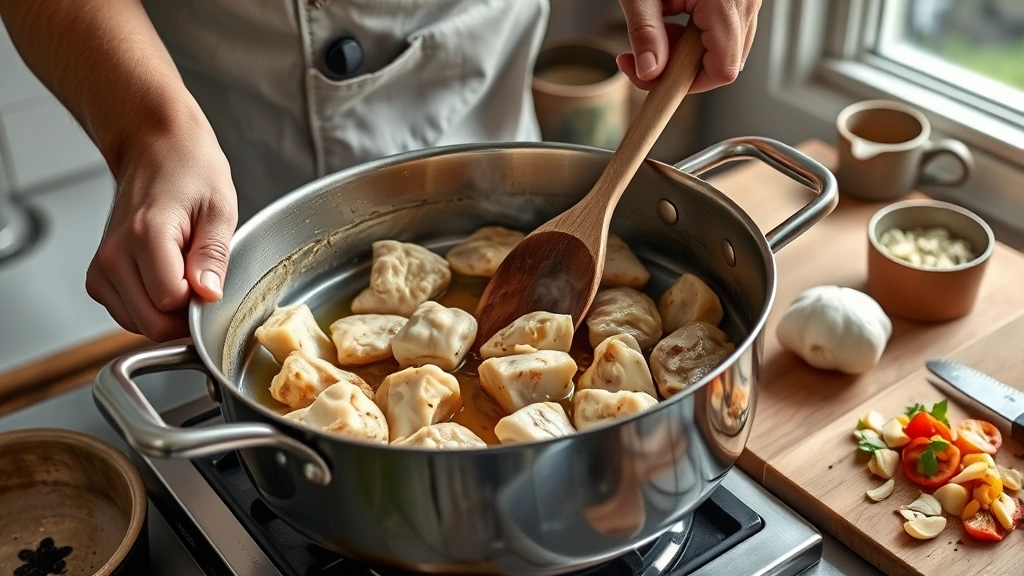
Step 5: Taste and Adjust
This is where you make it yours. Taste the broth and season with more salt and pepper if needed. Some folks like a squeeze of lime juice right in the pot; others prefer it tableside. Fresh cilantro goes in at the very end—just before serving—to keep its bright flavor intact.
Flavor Secrets Revealed
The difference between mediocre caldo de pollo and the kind that makes people ask for your recipe comes down to a few key moves. First, don’t skip the browning step. That Maillard reaction creates depth you can’t get any other way. Second, use fresh garlic, not powder. The difference is night and day. Third, add your cilantro at the end—if you cook it too long, it turns bitter and loses its fresh punch.
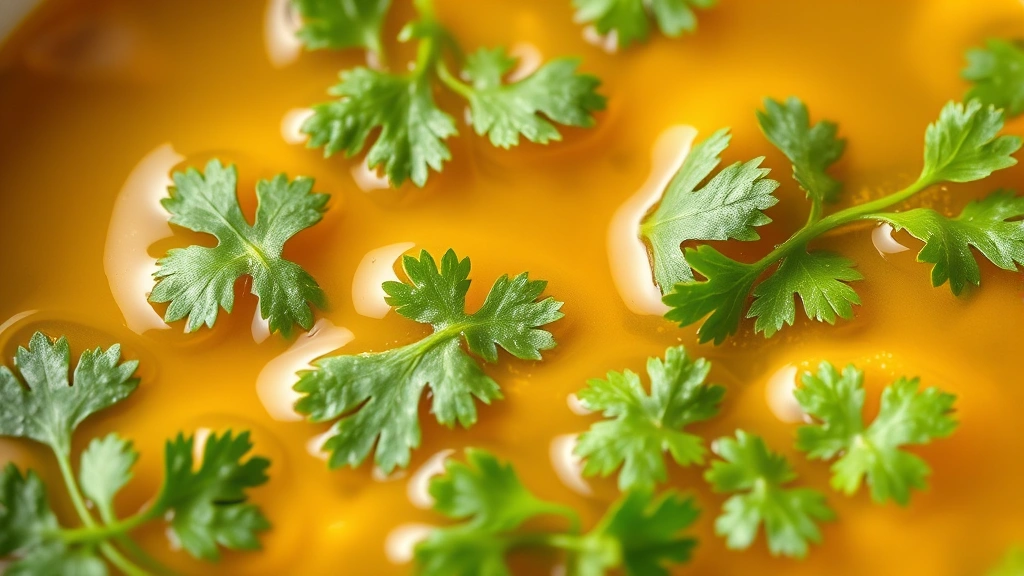
One trick many home cooks miss: save a bit of the cooking liquid before adding vegetables, then use it to make a quick cilantro oil. Blend fresh cilantro with a little olive oil and a pinch of salt, then drizzle it over each bowl. It looks fancy and tastes incredible. You can also reference Auju Recipe for similar fresh herb techniques that work beautifully with broths.
The cumin and oregano are your flavor anchors—they’re what make this taste authentically Mexican rather than just generic chicken soup. Don’t be shy with them, but also don’t go overboard. You want to taste the chicken and vegetables too.
Serving and Variations
Traditional caldo de pollo gets served with lime wedges, fresh cilantro, diced onion, and sometimes sliced jalapeños on the side so everyone can customize their bowl. Warm tortillas on the side are non-negotiable. Some folks crumble them into the soup; others use them to scoop up the good stuff.
Want to make it a full meal? Add rice or noodles to individual bowls rather than the whole pot—this keeps it from getting soggy if you have leftovers. You can also add chickpeas or black beans for extra protein and fiber. If you’re looking for complementary dishes, growing fresh herbs like cilantro at home ensures you always have the best garnishes on hand.
For a seafood twist, some regional variations use fish or shrimp instead of chicken, though that’s technically a different soup. Stick with chicken for authentic caldo de pollo.
Storage and Reheating
This soup actually improves after a day or two in the fridge as flavors meld together. Store it in an airtight container for up to 4 days. The chicken will stay tender, and the broth will develop even more depth. Freeze it for up to 3 months—just leave a little headspace in the container since liquid expands when frozen.
Reheat gently on the stove over medium heat, stirring occasionally. Avoid the microwave if possible; it can make the chicken rubbery. If the broth has solidified from fat cooling, that’s a good sign—it means you made real, quality soup. Just warm it up and it’ll loosen right back up.
Common Mistakes to Avoid
Watery Broth: You need enough time for flavors to concentrate. If your broth tastes thin, simmer uncovered for another 15-20 minutes. The liquid will reduce and flavors will intensify.
Tough Chicken: Don’t overcook it. Once the chicken is cooked through (165°F internal temp), it’s done. Continuing to boil it will make it stringy and dry.
Mushy Vegetables: Add them in stages based on cooking time. Potatoes and carrots need more time than zucchini. If you like your vegetables on the firmer side, reduce cooking times by a few minutes.
Bland Flavor: Taste as you go and season incrementally. It’s easier to add salt than remove it. Also, make sure you’re browning the chicken properly—that step is non-negotiable for good flavor.
Greasy Broth: If you use a whole chicken, some fat will render out. You can skim it off the surface if you prefer, or leave it for richer flavor. Some folks refrigerate overnight, then remove the solidified fat layer in the morning.
Frequently Asked Questions
How long does caldo de pollo take to make?
From start to finish, you’re looking at about 60 minutes. Prep takes 15 minutes, cooking takes about 45 minutes. If you want a deeper, richer broth, you can simmer for an extra 15-20 minutes, but the basic recipe works great in an hour.
Can I use chicken breast instead of thighs?
You can, but thighs are better. They’re more forgiving, stay moist longer, and add more flavor to the broth. If you only have breasts, reduce cooking time by 5-10 minutes and watch carefully so they don’t dry out.
What’s the difference between caldo de pollo and pozole?
Caldo de pollo is a straightforward chicken and vegetable broth. Pozole is a heartier stew that includes hominy and often has a more complex spice profile with dried chiles. They’re related but definitely different dishes.
Do I need to use a whole chicken?
Nope. Chicken thighs and breasts work perfectly fine. A whole chicken gives you more control over the cooking process and often yields better flavor, but pieces are convenient and work great.
Can I make this in a slow cooker?
Absolutely. Brown the chicken and aromatics on the stove first, then transfer everything to a slow cooker with the broth and root vegetables. Cook on low for 6-8 hours or high for 3-4 hours. Add zucchini and cilantro in the last 30 minutes.
Is caldo de pollo the same as chicken soup?
Not exactly. Caldo de pollo is specifically a Mexican preparation with particular seasonings and vegetables. Regular chicken soup is broader and can vary widely. Caldo de pollo has a specific flavor profile—cumin, oregano, cilantro—that makes it distinctly Mexican.
What can I serve with caldo de pollo?
Warm flour or corn tortillas are traditional. You can also serve it with crusty bread, rice on the side, or even over rice in the bowl. Lime wedges, diced onion, sliced jalapeños, and fresh cilantro are essential garnishes. For growing your own garlic to use in future batches, check out how deep to plant garlic for year-round fresh supplies.
How do I know when the chicken is done?
Use a meat thermometer—165°F is the safe internal temperature. You can also check by cutting into the thickest part; the juices should run clear with no pink. Don’t rely on color alone, especially with thighs, which stay slightly pink even when fully cooked.
Final Thoughts
Making caldo de pollo from scratch is one of those cooking moves that pays dividends. You end up with real, nourishing food that tastes nothing like anything from a can, and you’ve got leftovers for days. The recipe is forgiving, the ingredient list is short, and the results are consistently delicious. Once you nail this basic version, you can start playing with variations—adding different vegetables, adjusting spices, making it your own.
The best part? It’s the kind of soup that tastes even better when someone else made it, which means you’ll be making it again and again. Your family will thank you, your body will thank you, and honestly, your soul will too. That’s what real comfort food does.


