

A calamari recipe doesn’t have to intimidate you—crispy, tender squid is absolutely doable in your own kitchen with the right technique and a little confidence. Whether you’re looking to impress dinner guests or satisfy a seafood craving, mastering this classic dish is easier than you think. Let me walk you through exactly how to nail it every single time.
Table of Contents
Cleaning and Prepping Squid
Before you even think about cooking, you need to properly clean your squid. This is where most home cooks stumble, but it’s genuinely straightforward once you know the steps. Start by rinsing the squid under cold water. Hold the body in one hand and gently pull the tentacles away from the body with your other hand. The innards will come right out with them.
Once separated, locate the hard beak in the center of the tentacle cluster—it looks like a tiny parrot’s beak. Squeeze it out and discard it. Rinse the tentacles thoroughly under running water. Now for the body: you’ll see a thin, transparent quill inside. Pull it out gently. Rinse the inside cavity completely until the water runs clear. Pat everything dry with paper towels. Moisture is the enemy of crispiness, so don’t skip this step.
Cut the body into rings about ¼ inch thick. Leave the tentacles whole or separate them into smaller clusters if they’re large. Some cooks prefer to score the inside of the rings with a crosshatch pattern—this helps tenderize the squid and creates interesting texture. Use a sharp knife and make shallow cuts, being careful not to cut all the way through.
Choosing Quality Squid
You can’t make an excellent calamari recipe without starting with good squid. Fresh squid is ideal, but frozen works fine if thawed properly. Look for squid that smells like the ocean, not fishy or ammonia-like. The flesh should be firm and white or slightly translucent, not yellowed or discolored.
When buying frozen squid, thaw it slowly in the refrigerator overnight rather than at room temperature. This preserves texture and quality. A standard squid for home cooking is about 6-8 inches long—these are tender and cook quickly. Avoid massive squid, which can be tough and chewy no matter how you cook it.
The Breading Technique
This is where your calamari recipe gets its signature crunch. Set up three shallow bowls: one with all-purpose flour mixed with salt and black pepper, one with beaten eggs, and one with panko breadcrumbs (regular breadcrumbs work, but panko gives superior crispiness). Some cooks add a tablespoon of water to the egg mixture to create a thinner coating.
Pat your squid pieces dry again—seriously, this matters. Dredge each piece in flour, shaking off excess. Dip it in egg, then coat thoroughly in panko. Press gently so the breadcrumbs stick. For extra-crispy results, let the breaded squid sit on a plate in the refrigerator for 15-30 minutes. This helps the coating adhere better during frying.
Pro tip: Add a teaspoon of garlic powder and a pinch of cayenne to your panko for subtle flavor depth. Some cooks even mix in a tablespoon of grated Parmesan cheese to the breadcrumb mixture.
Getting Oil Temperature Right
Temperature control separates mediocre calamari from restaurant-quality results. You need oil heated to 350-375°F. Use a deep-fry or candy thermometer—don’t guess. A thermometer costs $10 and will transform your cooking forever.
Use neutral oil with a high smoke point: vegetable oil, canola oil, or peanut oil all work beautifully. Avoid olive oil for frying; it’s not designed for high-heat cooking. Fill your pot or deep fryer with enough oil so the squid can float freely without crowding. Crowding the pan drops the oil temperature and results in greasy, soggy calamari.
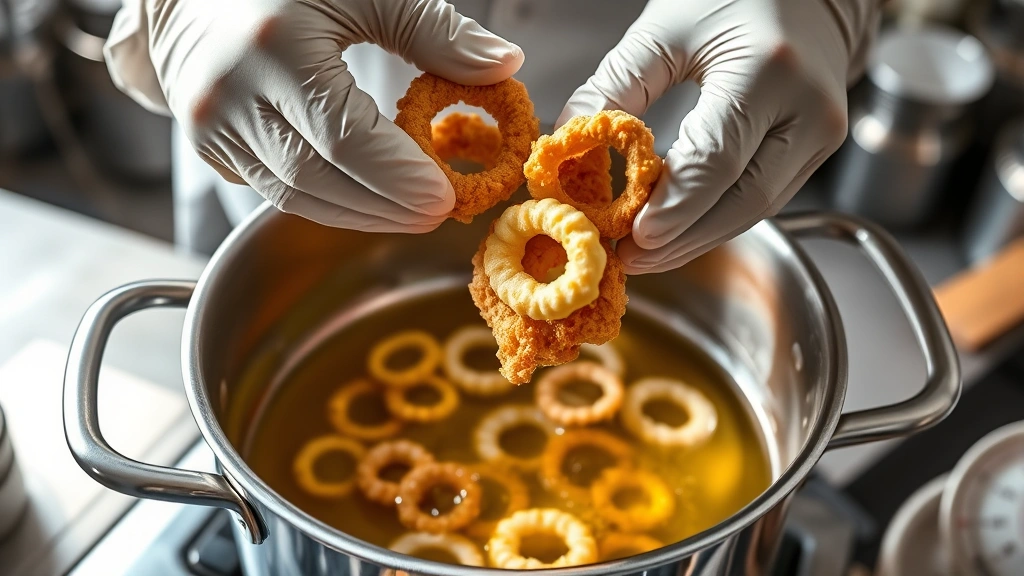
Let the oil reach temperature slowly and maintain it throughout cooking. If it’s too cool, your squid absorbs oil and becomes heavy. If it’s too hot, the outside burns before the inside cooks through. A thermometer takes the guesswork out entirely.
The Frying Process
This is the moment where your calamari recipe comes together. Working in batches, carefully place breaded squid into the hot oil. You’ll hear an immediate sizzle—that’s the sound of success. Don’t overcrowd; leave space between pieces so they cook evenly and don’t steam each other.
Fry for 1-2 minutes, depending on size. Smaller rings cook faster. You’re looking for a golden-brown color, not dark brown. Use a slotted spoon to turn pieces halfway through if needed, though they usually flip themselves naturally. Watch carefully—the difference between perfectly cooked and overdone is literally 30 seconds.
When the squid floats and turns golden, it’s done. Remove it with a slotted spoon and drain on paper towels immediately. This stops the cooking process and removes excess oil. Serve immediately while it’s still hot and crispy. Calamari doesn’t stay crispy for long once it cools.
Seasoning and Finishing
While your calamari recipe is still hot from the fryer, season it generously with sea salt and fresh cracked black pepper. A squeeze of fresh lemon juice adds brightness and cuts through the richness of the fried coating beautifully. Some cooks dust with smoked paprika or a pinch of dried oregano for Mediterranean flair.
Serve with a dipping sauce. Classic marinara works, but try aioli, tzatziki, or a spicy sriracha mayo. The sauce should complement the crispy exterior and tender squid inside. A sprinkle of fresh parsley on top adds color and freshness.
Serving with Perfect Sides
Calamari pairs beautifully with simple sides. A fresh green salad with lemon vinaigrette is traditional. Steamed vegetables work too—if you’re wondering how long to steam broccoli, aim for 4-5 minutes until tender-crisp. Garlic bread is never wrong with fried seafood.
For a complete meal, serve alongside how to make ramen in the microwave for a fun fusion approach, or keep it traditional with rice pilaf or roasted potatoes. The key is letting your calamari recipe be the star—keep sides simple so they don’t compete.
Common Mistakes to Avoid
Rubbery squid? You cooked it too long. Squid needs only 1-2 minutes maximum. Beyond that, it toughens up. Greasy calamari means your oil wasn’t hot enough or you overcrowded the pan. Remember: proper temperature and spacing are non-negotiable.
Breading falling off? Your squid wasn’t dry enough before breading, or you didn’t let the breaded pieces rest in the fridge. Soggy coating means you didn’t serve immediately or your oil temperature was too low. Bland results mean you skipped the seasoning step—season generously while hot.
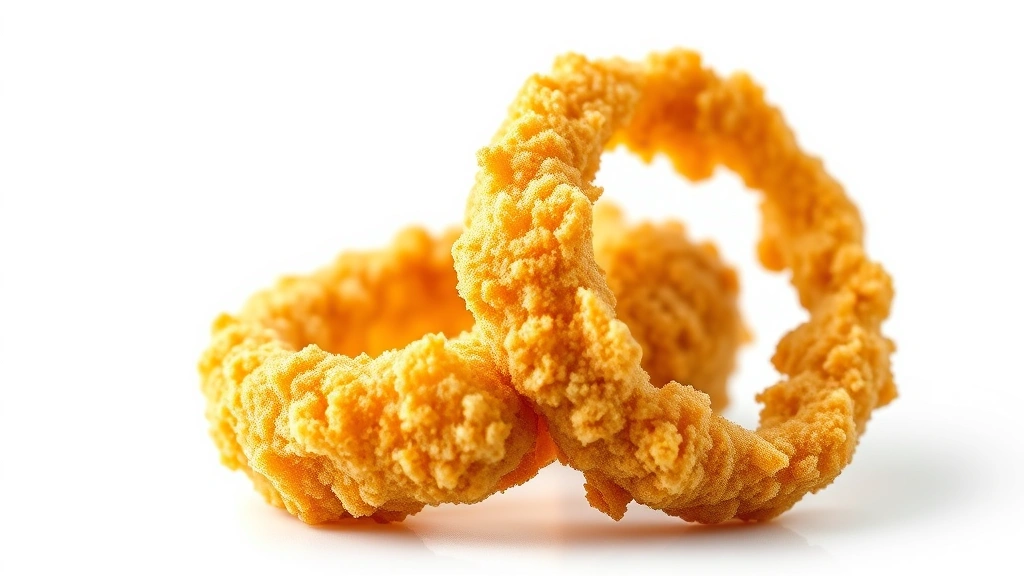
Uneven cooking happens when pieces are different sizes. Cut everything to roughly the same thickness so they cook at the same rate. If you have both small rings and large rings, fry the large ones first, then add the small ones partway through.
Frequently Asked Questions
Can I bake calamari instead of frying it?
You can, but you won’t get the same crispy texture that makes this calamari recipe special. If you must bake, brush breaded squid with oil and bake at 400°F for 8-10 minutes, but expect a different result. Air frying at 380°F for 8-10 minutes is a decent compromise if you want to reduce oil.
How do I know when squid is fresh?
Fresh squid smells like clean ocean, has firm white flesh, and shows no discoloration. The eyes should be clear and bright. If it smells fishy or ammonia-like, it’s past its prime. When in doubt, buy from a reputable fishmonger who has high turnover.
Can I make this calamari recipe ahead of time?
You can bread the squid ahead and refrigerate it for up to 4 hours, which actually improves the coating. However, fry it fresh just before serving. Reheated fried calamari loses its crispiness and becomes chewy. If you must reheat, use an oven at 350°F for 5-7 minutes on a baking sheet.
What’s the best oil for frying calamari?
Vegetable, canola, or peanut oil all work perfectly. They have high smoke points (around 400°F) and neutral flavor that won’t interfere with your calamari recipe. Avoid olive oil, coconut oil, and butter—they’re not suitable for deep frying.
How thick should I cut the squid rings?
Aim for ¼ inch thick. This is thin enough to cook through quickly but thick enough to stay tender rather than becoming tough. If your rings are thicker, they need slightly longer cooking time and lower oil temperature to cook through without burning the outside.
Can I use frozen squid?
Absolutely. Thaw it overnight in the refrigerator, pat it completely dry, and proceed with your calamari recipe as normal. Frozen squid is often pre-cleaned, which saves time. Just make sure it’s fully thawed and dried before breading.
Final Thoughts
Mastering a calamari recipe is genuinely achievable with attention to a few key details: proper cleaning, quality ingredients, correct oil temperature, and fresh seasoning. The technique is forgiving once you understand the fundamentals. Your first batch might not be perfect, but your second will be noticeably better, and by your third attempt, you’ll be making restaurant-quality calamari at home.
The secret isn’t some mysterious technique—it’s simply respecting the ingredient, controlling your temperature, and not overthinking it. Start with this approach, practice once or twice, and you’ll have a dish that impresses everyone at your table. That’s the real reward of mastering this classic seafood preparation.


