
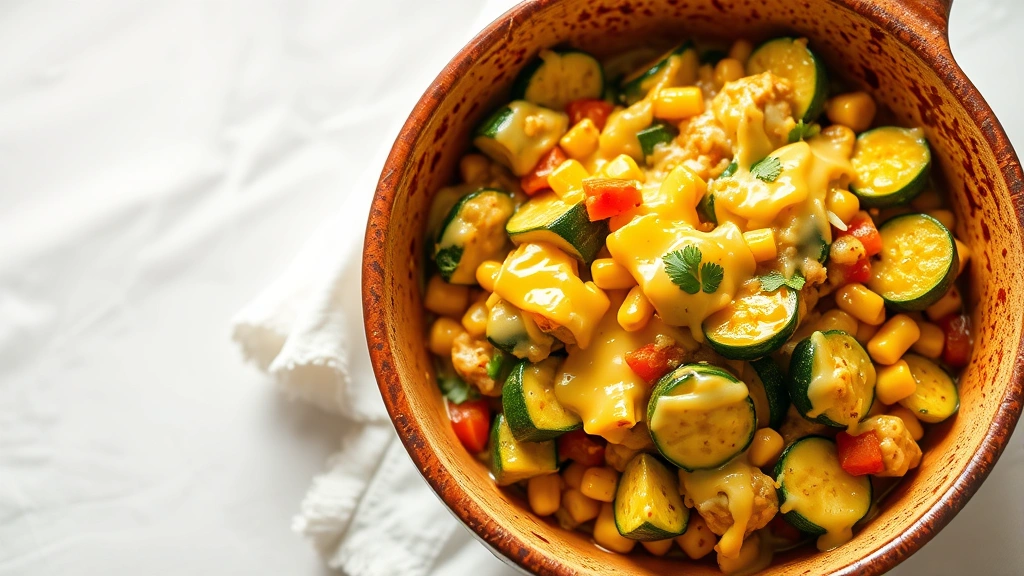
A calabacitas recipe is your ticket to authentic Mexican comfort food that hits the table in under 20 minutes. This simple squash dish combines tender zucchini, corn, and cheese in a light, savory pan that tastes like it came straight from a family kitchen in Sonora or Chihuahua. No fancy techniques, no weird ingredients—just real food that works.
Table of Contents
What Is Calabacitas?
Calabacitas is a traditional Mexican vegetable side dish that translates literally to “little squashes.” It’s a staple in northern Mexico, especially in states like Sonora, Durango, and Chihuahua. The dish centers on fresh zucchini (sometimes yellow squash too) cooked down with corn, onions, and cheese until everything melds into one savory, creamy pan.
What makes calabacitas special is its simplicity. There’s no cream, no heavy sauce, no complicated steps. The vegetables release their own moisture as they cook, creating a light, natural sauce that coats everything beautifully. It’s the kind of dish that tastes better than it has any right to, given how little effort goes into it.
Think of it as the Mexican answer to creamed corn or vegetable medley. It works as a side dish for grilled meats, with rice and beans, or even as a light main course if you stretch it with some protein. Family cooks have been making versions of this for generations, and once you nail the basics, you’ll understand why.
Ingredients You Need
Here’s what you’re working with for a calabacitas recipe that serves 4-6 people:
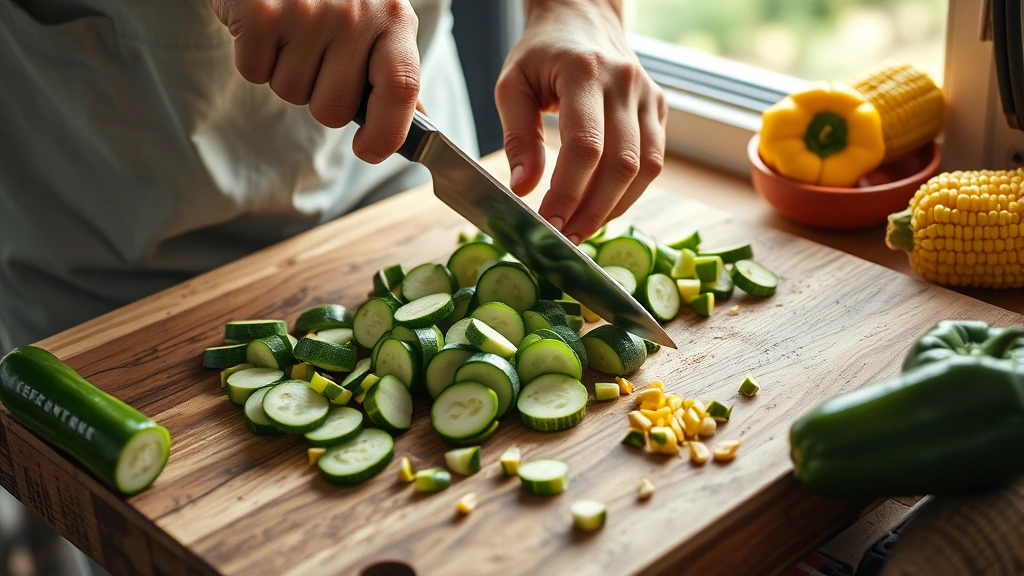
- 3-4 medium zucchini, diced into ½-inch cubes
- 2 cups fresh or frozen corn kernels
- 1 medium onion, diced
- 2-3 poblano peppers (or 1 can roasted green chiles if you’re in a hurry)
- 2 tablespoons butter or olive oil
- 1 cup cheese (Oaxaca, quesadilla, or mozzarella work best)
- Salt and pepper to taste
- Optional: jalapeño for heat, cilantro for garnish
The beauty here is flexibility. Don’t have poblanos? Use canned green chiles or fresh jalapeños. No fresh corn? Frozen works just fine and actually cooks more evenly. The cheese is where you shouldn’t compromise though—get something that melts smoothly and adds real flavor, not bland pre-shredded stuff.
Prep Work Matters
Before you touch heat, get your mise en place ready. Dice your zucchini into uniform ½-inch cubes—this matters because smaller pieces cook faster and more evenly than irregular chunks. If your pieces are too big, you’ll end up with some mushy bits and some still-firm bits, which throws off the whole dish.
Dice your onion into similar-sized pieces. Rough is fine; you’re not plating this at a restaurant. If you’re using fresh poblanos, roast them over a gas flame or under the broiler until the skin blackens, then let them cool in a plastic bag for a few minutes. The steam loosens the skin, making it easy to peel off. Remove the seeds and dice the flesh.
Have your corn measured out and ready. If using frozen, let it thaw slightly—you don’t want ice-cold corn hitting the pan. Grate or tear your cheese into bite-sized pieces so it melts quickly and distributes evenly. This 5-minute prep phase is what makes the actual cooking feel effortless.
The Cooking Process
Heat your butter or oil in a large skillet over medium-high heat. Once it’s hot, add the diced onion and cook for about 2-3 minutes until it softens and becomes translucent. You’re not browning it hard; just getting it tender enough that it disappears into the dish.
Add your diced zucchini to the pan. This is where the magic starts. Cook for about 5-7 minutes, stirring occasionally, until the zucchini begins to soften and release its moisture. You’ll notice the pan getting wetter as the squash breaks down slightly. This is exactly what you want—that liquid becomes your sauce.
Once the zucchini has lost its firmness and started to collapse slightly, add your corn and poblano peppers. Stir everything together and cook for another 3-4 minutes. The corn will warm through, and the peppers will heat up and start to blend with the other vegetables. The whole pan should look cohesive now, not like separate ingredients.
This is the point where you taste and adjust seasoning. Add salt and pepper gradually—you can always add more, but you can’t take it out. If the pan seems too wet, let it cook uncovered for another minute to evaporate some moisture. If it’s too dry, add a splash of water or broth.
Seasoning and Flavor
Calabacitas doesn’t need much seasoning to shine, but what you do use matters. Salt and pepper are the foundation. Some cooks add a pinch of cumin—about ¼ teaspoon—which echoes the Mexican flavor profile without overpowering the fresh vegetables. A squeeze of fresh lime juice at the end brightens everything up, cutting through the richness of the cheese.
If you want heat, add a diced jalapeño when you add the zucchini, or use a spicier cheese like one that’s been infused with peppers. Garlic is optional—some versions skip it entirely to let the vegetables speak for themselves, while others add 1-2 minced cloves for depth. There’s no wrong answer here; it depends on what your family tradition looks like.
Fresh cilantro scattered on top right before serving adds brightness and a hint of herbaceous flavor that ties everything together. It’s not essential, but it’s the kind of small touch that elevates the dish from “home cooking” to “restaurant quality.”
Cheese Choices
The cheese is the star player in calabacitas, so choose wisely. Traditional Mexican cheeses like Oaxaca or quesadilla cheese are ideal because they melt smoothly without getting stringy or breaking. If you can’t find those at your store, fresh mozzarella works beautifully—it melts quickly and adds a mild, creamy texture.
Avoid hard, aged cheeses like Parmesan or Asiago. They don’t melt the way you need them to, and they can overpower the delicate vegetables. Pre-shredded cheese often has anti-caking agents that prevent smooth melting, so tear or grate your own if possible.
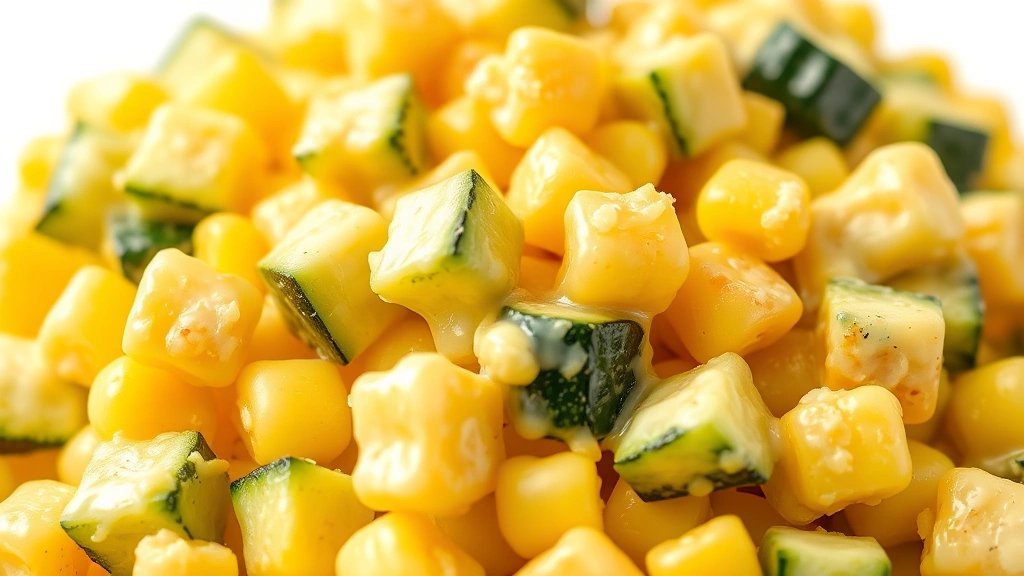
Add the cheese in the last minute of cooking. Stir it in gently so it melts and coats everything evenly. You want the cheese to be creamy and integrated, not chunky or separated. If your heat is too high at this point, the cheese can break and become greasy instead of silky.
Serving Suggestions
Calabacitas shines as a side dish next to grilled chicken, carne asada, or carnitas. It pairs naturally with Mexican rice and refried beans for a complete plate. The light, fresh nature of the dish balances heavier proteins beautifully.
You can also serve it alongside BBQ beans recipe for a cross-cultural meal that still feels cohesive. For something with more kick, try pairing it with buffalo sauce recipe chicken—the cool vegetables will balance the heat perfectly.
Some cooks serve calabacitas as a light main course over rice or with warm tortillas on the side. Add a fried egg on top and you’ve got breakfast. It’s versatile enough to fit into multiple meals throughout your week.
Storage and Leftovers
Calabacitas keeps well in an airtight container in the refrigerator for 3-4 days. The flavors actually deepen as it sits, so leftovers are often better than the first serving. Reheat gently in a skillet over medium heat, adding a splash of water if it’s dried out.
You can also freeze calabacitas for up to 3 months, though the texture of the zucchini will soften when thawed. It’s still delicious and works great as a quick side dish or burrito filling. Thaw it overnight in the refrigerator, then reheat gently.
Don’t add cheese before freezing. Make the dish without cheese, freeze it, then stir in fresh cheese when you reheat it. This preserves the creamy texture and prevents the cheese from breaking down during the freeze-thaw cycle.
Variations and Swaps
Once you’ve mastered the basic calabacitas recipe, variations open up naturally. Some cooks add diced potatoes for more substance and heartiness. Others throw in diced tomatoes or tomato sauce to create a saucier version. A handful of epazote—a traditional Mexican herb—adds authentic flavor if you can source it.
For a protein boost, crumbled chorizo cooked separately and stirred in transforms this from a side dish into a main course. Some families add diced chicken breast or ground beef. You can also add black beans or pinto beans for fiber and substance.
If you want to explore complementary flavors, try serving calabacitas alongside how long to steam carrots for a vegetable-forward meal, or pair it with Alabama slammer recipe for a party menu that spans cuisines. For something sweet to finish, how to make a caramel macchiato makes a perfect dessert drink.
Frequently Asked Questions
Can I make calabacitas without cheese?
Yes, absolutely. The dish works fine without cheese—it’ll be lighter and let the vegetables shine more. You might add an extra tablespoon of butter or oil to keep it from feeling too dry, and a pinch of cumin or a squeeze of lime juice helps compensate for the richness the cheese would have provided.
What’s the difference between calabacitas and chiles rellenos?
Calabacitas is a simple vegetable side dish with no sauce or breading. Chiles rellenos are poblano peppers stuffed with cheese, dipped in egg batter, fried, and served with a red or green sauce. They’re completely different preparations, though both are Mexican classics.
How do I know when calabacitas is done?
The zucchini should be tender but not mushy—you want it to hold its shape slightly while being completely cooked through. The pan should look cohesive, with the vegetables melded together but still recognizable. Total cooking time is usually 10-12 minutes from when you add the zucchini.
Can I use yellow squash instead of zucchini?
Yes. Yellow squash works identically to zucchini in calabacitas. Some cooks use a mix of both for visual interest and slightly different flavors. Cook times are the same, and the dish turns out equally delicious.
What if I don’t have poblano peppers?
Canned roasted green chiles are a perfect substitute and actually what many home cooks use. Fresh jalapeños work if you want more heat. Bell peppers (any color) work too, though they’ll be milder. You can even skip the peppers entirely if you don’t have any on hand—the dish is still great.
Is calabacitas gluten-free?
Yes. This calabacitas recipe is naturally gluten-free. Just make sure any cheese you buy hasn’t been processed with gluten-containing additives, and avoid any added sauces or thickeners. The basic recipe has no gluten anywhere.
Final Thoughts
Calabacitas is the kind of recipe that proves you don’t need complicated techniques or exotic ingredients to make something genuinely delicious. In 20 minutes, you’ve got an authentic Mexican side dish that tastes like home cooking and pairs with almost anything on your table.
The beauty of this calabacitas recipe is that it scales easily—double it for a crowd, halve it for two people. It reheats beautifully, freezes well, and adapts to whatever vegetables you have on hand. Once you’ve made it a few times, you’ll stop measuring and start cooking by feel, which is exactly how generations of Mexican home cooks have done it.
Get good zucchini, don’t skip the prep work, and don’t overcook the vegetables. Those three things are all you need to nail this dish every single time.


