
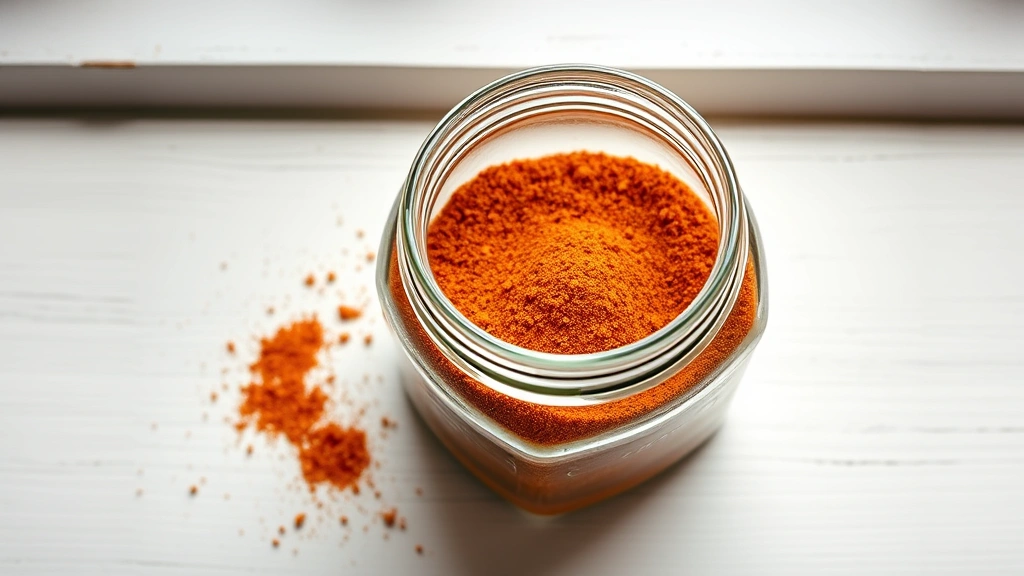
A cajun seasoning recipe is one of those kitchen staples that’ll transform your cooking from ordinary to downright legendary. Instead of buying those overpriced jars at the grocery store, you can whip up a batch at home in about five minutes with ingredients you probably already have sitting in your spice cabinet. I’m talking bold flavors, authentic taste, and the kind of seasoning blend that makes people ask for your secret.
Table of Contents
What Is Cajun Seasoning?
Cajun seasoning is the backbone of Louisiana cooking, a vibrant blend that brings heat, depth, and complexity to whatever you’re cooking. It’s not just one spice—it’s a carefully balanced combination of paprika, cayenne, garlic, onion, and herbs that creates that unmistakable kick you taste in authentic gumbo, jambalaya, and blackened fish. The beauty of making your own cajun seasoning recipe is that you control the heat level and can adjust flavors to match your palate perfectly.
Unlike generic “all-purpose” seasonings, cajun blends have personality. They’re spicy but not overwhelming, savory but bright, and they work on everything from proteins to vegetables. When you make it yourself, you’re not paying for filler or preservatives—just pure, potent flavor.
Essential Spices You Need
Here’s what goes into a solid cajun seasoning recipe. You don’t need anything exotic or hard to find:
- Paprika (2 tablespoons)—The foundation. Use regular paprika for milder heat, or smoked paprika if you want deeper flavor.
- Cayenne Pepper (1-2 tablespoons)—This is where the kick comes from. Start with 1 tablespoon if you’re heat-sensitive.
- Garlic Powder (1 tablespoon)—Essential for that savory depth.
- Onion Powder (1 tablespoon)—Adds sweetness and complexity.
- Dried Oregano (1 tablespoon)—Brings herbaceous notes.
- Dried Thyme (1 teaspoon)—Subtle earthiness.
- Black Pepper (1 teaspoon)—Basic seasoning backbone.
- Salt (1 teaspoon)—Brings everything together. Use fine sea salt.
These eight ingredients are the standard lineup for any respectable cajun seasoning recipe. Everything’s shelf-stable, affordable, and available at any grocery store. No hunting through specialty shops required.
The Basic Recipe Formula
This is my go-to formula that yields about 1/3 cup of finished seasoning—enough to last a few weeks depending on how much you cook:
- 2 tablespoons paprika
- 1 tablespoon cayenne pepper
- 1 tablespoon garlic powder
- 1 tablespoon onion powder
- 1 tablespoon dried oregano
- 1 teaspoon dried thyme
- 1 teaspoon black pepper
- 1 teaspoon salt
This creates a balanced blend where no single flavor dominates. The paprika and cayenne handle the spice, the garlic and onion provide savory depth, and the oregano and thyme give it that authentic Louisiana character. If you want to make a larger batch for gifting or stocking up, just double or triple the measurements—the ratios stay exactly the same.
Step-by-Step Instructions
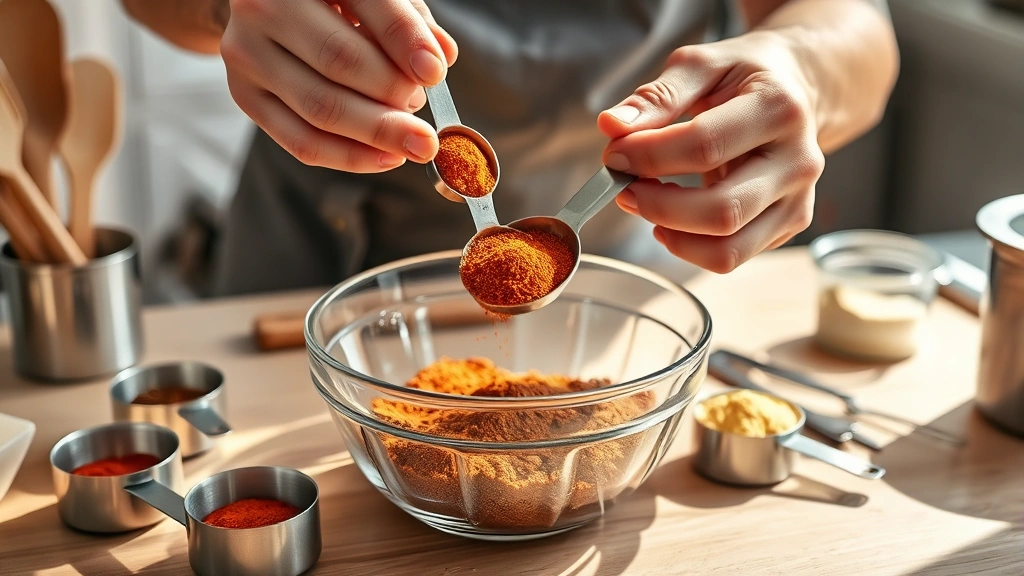
Making a cajun seasoning recipe is genuinely simple. Here’s exactly how to do it:
Step 1: Gather Your Spices
Pull all your ingredients together. Measure everything out first. This takes literally two minutes and prevents mistakes.
Step 2: Add to Container
Use a small bowl or jar—a mason jar works perfectly. Pour all your measured spices into the container. No fancy equipment needed.
Step 3: Mix Thoroughly
Stir everything together with a spoon or fork for about 30 seconds. Make sure the paprika and cayenne are evenly distributed throughout. This is important because you don’t want hot spots where the cayenne clumps together.
Step 4: Seal and Rest
Cap your jar and let it sit for 24 hours. This helps the flavors marry together and intensify. You can use it immediately, but waiting a day makes a noticeable difference.
Step 5: Shake Before Using
Even after mixing, the heavier spices settle. Give your jar a good shake before each use to maintain consistent flavor.
That’s it. Five minutes of work, and you’ve got seasoning that’ll last you weeks.
Storage and Shelf Life
Store your cajun seasoning recipe in an airtight container away from heat, light, and moisture. A dark cupboard is ideal. Glass jars with tight-fitting lids work best—they keep the spices fresh and let you see when you’re running low.
Your homemade blend will stay potent for 4-6 months. After that, the spices start losing their punch. You’ll know it’s time to make a fresh batch when the aroma isn’t as strong when you open the jar.
Pro tip: Label your jar with the date you made it. Sounds simple, but when you’ve got multiple spice jars, you’ll be grateful you did. Also, keep it away from your stove’s heat and steam—moisture is the enemy of dried spices.
Customize Your Own Blend
Once you’ve mastered the basic formula, experiment. Here are some common tweaks to make the recipe your own:
For Extra Heat: Bump the cayenne up to 1.5 tablespoons. Some people go even higher if they love serious spice.
For Smoky Flavor: Replace regular paprika with smoked paprika entirely. This gives it a deeper, almost BBQ-like character.
For Herbaceous Notes: Add 1 teaspoon of dried basil or 1/2 teaspoon of dried rosemary. These add complexity without overpowering the blend.
For Citrus Brightness: Add 1/2 teaspoon of dried lemon zest or lime powder. This is subtle but lifts the whole seasoning.
For Sweetness: Add 1 teaspoon of brown sugar or 1/2 teaspoon of ground mustard. This balances heat with subtle sweetness.
The key is adding one element at a time and tasting as you go. Your cajun seasoning recipe is personal—make it match your preferences, not someone else’s.
Using Your Cajun Seasoning
This is where the fun starts. Your homemade blend works on practically everything. Blacken fish fillets by coating them with the seasoning and searing in a hot cast-iron skillet. Toss chicken breasts with it before baking. Sprinkle it on roasted vegetables—it’s especially good on steamed carrots and broccoli. Mix it into ground beef for seasoning burgers or making jambalaya.
For proteins, use about 1-2 teaspoons per pound. For vegetables, start with 1/2 teaspoon and adjust based on how much you’re cooking and your heat tolerance. You can always add more, but you can’t take it out.
Make a cajun butter by mixing 2 tablespoons of the seasoning with softened butter—perfect for corn, shrimp, or finishing steaks. Mix it into sour cream or mayo for a killer dip. Sprinkle it on popcorn for a savory snack. The possibilities are genuinely endless.
Common Mistakes to Avoid
Even though making a cajun seasoning recipe is straightforward, there are a few pitfalls worth knowing about:
Using Old Spices: If your paprika or cayenne have been sitting in your cabinet for two years, they’ve lost potency. Start with fresh spices for the best results. The flavor difference is dramatic.
Skipping the Rest Period: I know waiting 24 hours is annoying, but those flavors really do need time to blend. Use it immediately if you must, but you’ll taste the difference.
Not Mixing Thoroughly: If you just dump everything together and call it done, you’ll get inconsistent heat levels. Spend 30 seconds actually mixing it.
Storing in Direct Sunlight: Light degrades spices quickly. Keep your jar in a dark cabinet. A dark glass jar helps too.
Using Too Much at Once: This seasoning is potent. Start conservative and taste as you cook. You can always add more, but you can’t remove it.
Frequently Asked Questions
Can I make this without cayenne pepper?
You can, but you’ll lose the heat that defines cajun seasoning. If you really can’t do spicy, reduce the cayenne to 1/2 teaspoon instead of eliminating it entirely. The paprika will still give you color and mild flavor.
What’s the difference between cajun and creole seasoning?
They’re similar but not identical. Creole seasoning typically includes more herbs and sometimes tomato powder. Cajun is generally spicier and more straightforward. Both are delicious—it comes down to what you prefer.
Can I use fresh garlic and onion instead of powder?
Not in a dry seasoning blend. Fresh garlic and onion contain moisture and will make the mixture clump or spoil. Stick with the powders for shelf stability.
How much should I use on chicken?
For a whole chicken, use about 2-3 tablespoons mixed with oil or butter, then rub it all over before roasting. For individual breasts, use about 1 teaspoon per breast. Adjust based on how spicy you like it.
Is this blend gluten-free?
Yes, all the basic ingredients are naturally gluten-free. Just verify your spices haven’t been processed in facilities with gluten if that’s a concern for you.
Can I buy pre-made versions instead?
Sure, but homemade costs about 1/3 the price and tastes fresher. Plus, you control the heat level and ingredients. Once you make it yourself a few times, you’ll never go back to the jar.
Final Thoughts
Making your own cajun seasoning recipe is one of those small kitchen wins that pays dividends. Five minutes of work gives you weeks of bold, authentic flavor at a fraction of store-bought prices. You control exactly what goes into it, which means you can dial in the heat, adjust the herbs, and create something that matches your cooking style perfectly.
Start with the basic formula, make a batch, and use it on everything from blackened fish to roasted vegetables. Once you’ve got the fundamentals down, play with the ratios and additions. Your kitchen is about to smell incredible, and your food is going to taste like you’ve been cooking Louisiana food your whole life. That’s the real magic of making seasonings at home.


