
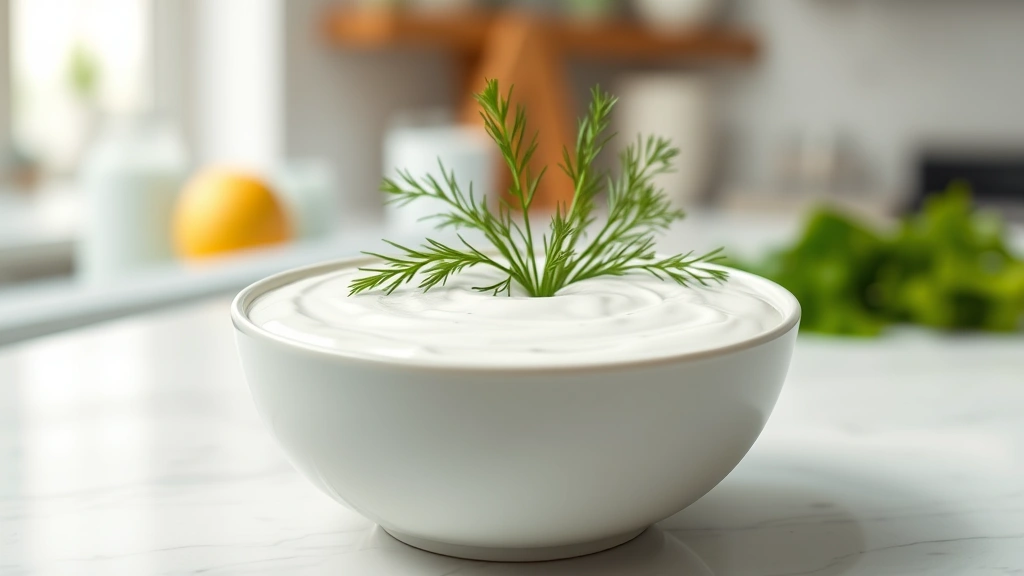
A buttermilk ranch recipe is your ticket to ditching those store-bought packets and mastering one of America’s most versatile dressings right in your own kitchen. Whether you’re drizzling it over salads, dunking veggies, or using it as a marinade for chicken, homemade ranch beats the bottled stuff by a mile—and it’s honestly easier to make than you’d think.
Table of Contents
Why Homemade Ranch Matters
Let’s be real—ranch dressing has become a kitchen staple for good reason. But most people reach for packets or bottles without realizing how much better fresh ranch tastes. When you make your own buttermilk ranch recipe from scratch, you control every ingredient, skip the weird additives, and end up with something that tastes like actual food instead of a chemistry experiment. Plus, you’ll save money and impress people at potlucks. That’s a win-win in my book.
Essential Ingredients Breakdown
Building a solid buttermilk ranch recipe starts with understanding what each ingredient does. Here’s your ingredient lineup:
The Base: Buttermilk is non-negotiable here—it’s the foundation that gives ranch its tang and creamy texture. You need real buttermilk, not regular milk with vinegar (though that works in a pinch). Mayonnaise adds richness and helps emulsify everything into a smooth dressing. Sour cream brings extra creaminess and depth.
The Seasonings: Fresh or dried dill provides that signature ranch herbiness. Garlic powder and onion powder create the savory backbone. Parsley adds brightness, while chives bring a subtle onion note. Salt and black pepper are your finishing touches—don’t skimp on these.
Optional Boosters: A squeeze of lemon juice brightens flavors, and a dash of Worcestershire sauce adds complexity. Some folks add a pinch of paprika for color and smokiness.
Step-by-Step Mixing Method
Here’s how to actually make this thing:
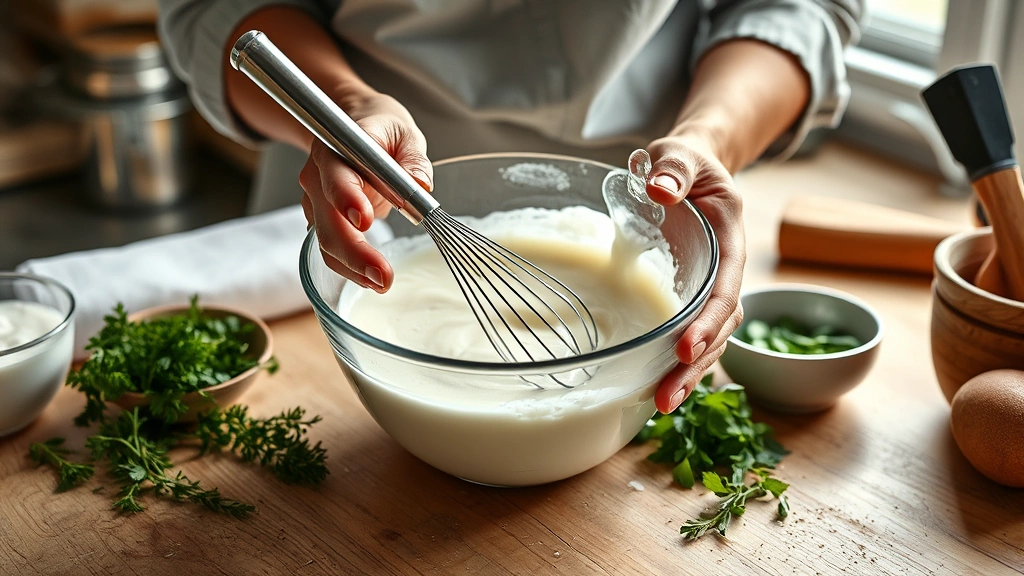
Step 1 – Combine Wet Ingredients: Pour 1 cup of buttermilk into a bowl. Add ½ cup of mayonnaise and ½ cup of sour cream. Whisk these together until smooth—no lumps. This is your creamy base.
Step 2 – Add Dried Herbs: Sprinkle in 1 tablespoon of fresh dill (or 1 teaspoon dried), 1 teaspoon of garlic powder, 1 teaspoon of onion powder, and 2 tablespoons of fresh parsley (or 1 tablespoon dried). Stir well to distribute evenly.
Step 3 – Season to Taste: Add ½ teaspoon of salt and ¼ teaspoon of black pepper. Taste it. Seriously—taste it now. This is your chance to adjust before it’s too late. Need more tang? Add a squeeze of lemon. Want more herb flavor? Add more dill and parsley.
Step 4 – Final Blend: Whisk everything together one more time until you get a uniform, creamy consistency. If it’s too thick, thin it with a splash more buttermilk. If it’s too thin, add a tablespoon of mayo or sour cream.
That’s it. You’ve got ranch. Seriously, this takes maybe five minutes from start to finish.
Flavor Customization Options
The beauty of making your own buttermilk ranch recipe is that you can twist it however you want. Here are some tested variations:
Spicy Ranch: Add ½ teaspoon of cayenne pepper and a pinch of hot sauce. Perfect for buffalo wings or spicy potato dishes—try pairing it with baby red potato recipes for a killer appetizer.
Herb Garden Ranch: Go heavy on fresh herbs. Add extra basil, tarragon, or cilantro depending on your mood. Fresh beats dried every time when you’ve got it on hand.
Smoky Barbecue Ranch: Mix in ½ teaspoon of smoked paprika and a few drops of liquid smoke. Drizzle this over barbacoa recipe slow cooker dishes for incredible depth.
Pickle Juice Ranch: Replace half the buttermilk with dill pickle juice. Sounds weird, tastes amazing—especially on burgers and sandwiches.
Greek-Style Ranch: Use Greek yogurt instead of sour cream for a tangier, protein-packed version.
Storage and Shelf Life
Your homemade buttermilk ranch recipe will keep in the refrigerator for up to 10 days in an airtight container. The acids in the buttermilk and mayo naturally preserve it, but don’t push it past that window. Always give it a good shake or stir before using—separation is normal and not a sign of spoilage.
Pro tip: Make a double batch and store it in a squeeze bottle for easy dispensing. Your salads and veggie platters will thank you. Don’t freeze ranch—the dairy breaks down and gets weird when thawed.
Serving Suggestions
Now that you’ve got killer ranch, let’s talk about where to use it:
Salads: The obvious choice. Drizzle over mixed greens, Caesar, or chopped salads.
Dipping Sauce: Set out a bowl with raw veggies, chips, or wings. It’s the ultimate party move.
Marinade: Mix ranch with a bit of olive oil and use it to marinate chicken breasts overnight. The herbs and buttermilk tenderize the meat beautifully.
Baked Potato Topper: Spoon it over hot baked potatoes with cheese and bacon.
Sandwich Spread: Replace mayo on your next sandwich with ranch. Game changer.
Casserole Ingredient: Thin it out with a splash of milk and pour it over best stuffed cabbage recipe before baking for incredible flavor.
Troubleshooting Common Issues
Too Thick? Add buttermilk one tablespoon at a time until you reach the right consistency. Don’t dump it all in at once.
Too Thin? Whisk in another tablespoon of mayo or sour cream. This fixes it instantly.
Tastes Bland? You didn’t season enough. Add more salt, garlic powder, and dill. Start with ¼ teaspoon of salt at a time and taste as you go.
Looks Separated? This happens sometimes with buttermilk. Just whisk it again—it’ll come back together. If it won’t, your buttermilk might have been too old or your mayo was off.
Too Garlicky? Yeah, this happens. Add a squeeze of lemon juice and a bit more sour cream to balance it out. Or just embrace it—garlic ranch is legitimate.
Dairy-Free Alternative
If you’re avoiding dairy, you can still make a solid ranch-style dressing. Use unsweetened coconut yogurt or cashew cream as your base instead of sour cream. Swap buttermilk for plant-based milk mixed with a tablespoon of apple cider vinegar (let it sit for five minutes to curdle). Use vegan mayo. The flavor won’t be exactly the same, but it’s surprisingly close and works great on salads and as a dip.
Frequently Asked Questions
Can I use regular milk instead of buttermilk?
Not ideally. Buttermilk has acidity and tang that regular milk doesn’t provide. If you’re in a pinch, mix one cup of regular milk with one tablespoon of lemon juice or vinegar and let it sit for five minutes. It’s not perfect, but it works.
How long does homemade ranch last?
Store it in an airtight container in the refrigerator for up to 10 days. The buttermilk’s acidity naturally preserves it, but don’t risk it beyond that window.
Can I make this ahead for a party?
Absolutely. Make it the day before and store it covered. Just give it a good stir before serving since separation can happen. For aroma rice cooker recipes or other dishes that need ranch, prepare it fresh the morning of to maintain peak flavor.
What’s the best buttermilk to use?
Traditional cultured buttermilk is best. It has actual tang and the right consistency. Avoid ultra-pasteurized buttermilk if possible—it doesn’t have the same punch.
Can I use fresh herbs instead of dried?
Yes, and honestly, you should when you can. Use three times the amount of fresh herbs compared to dried. Fresh dill, parsley, and chives make a noticeably better buttermilk ranch recipe.
Is there a way to make it less tangy?
Use less buttermilk and more mayo or sour cream. Or add a pinch of sugar to balance the tang. Start with ¼ teaspoon and taste from there.
Can I use this as a marinade for apple butter recipe crockpot dishes?
Ranch works better with savory proteins, but you could thin it out and use it on roasted vegetables that pair with sweet dishes.
Final Thoughts
Making your own buttermilk ranch recipe is one of those kitchen skills that pays dividends forever. Once you nail this, you’ll never buy a packet again. The process is simple, the ingredients are cheap, and the results blow store-bought versions out of the water. Start with the basic recipe, taste as you go, and don’t be afraid to customize it to your preferences. In five minutes, you’ll have dressing that tastes like you actually know what you’re doing in the kitchen. And honestly? You do.


