
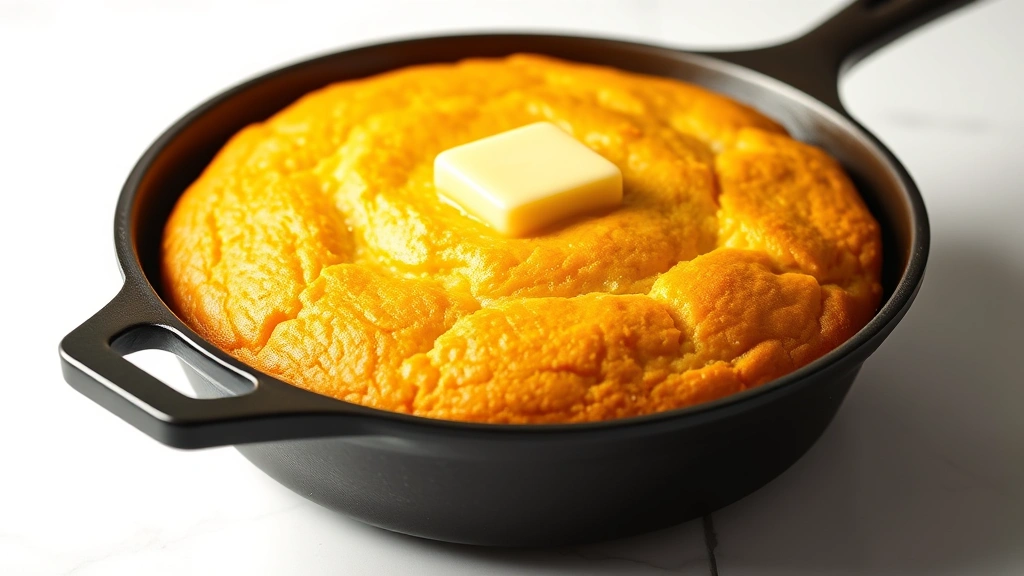
A buttermilk cornbread recipe is the backbone of Southern comfort food, and honestly, it’s one of the easiest things you can pull off in your kitchen. I’m talking golden, crumbly, slightly sweet bread that comes out of the oven in about 30 minutes flat. No fancy techniques, no weird ingredients—just straightforward baking that delivers every single time.
Table of Contents
Why Buttermilk Matters
Here’s the thing about buttermilk in cornbread—it’s not just another ingredient. The acidity in buttermilk reacts with baking soda to create lift and that tender crumb you’re after. It also adds a subtle tang that balances the sweetness of the cornmeal. You could use regular milk, sure, but you’d lose that signature flavor and texture that makes Southern cornbread actually worth eating.
The buttermilk also keeps your cornbread moist longer. I’ve made batches with milk substitutes before, and they dry out faster. Stick with real buttermilk if you can—it’s worth the trip to the dairy aisle.
Gather Your Ingredients
Let’s keep this simple. You need:
- 1 cup cornmeal (yellow or white, your call)
- 1 cup all-purpose flour
- 1/4 cup sugar
- 1 tablespoon baking powder
- 1 teaspoon salt
- 1 teaspoon baking soda
- 1 cup buttermilk (the real deal)
- 2 large eggs
- 4 tablespoons melted butter
That’s it. Eight ingredients between you and some seriously good cornbread. If you’re making this for a crowd, you can double the batch—the timing stays basically the same.
Dry Ingredients Blend
Grab a medium bowl and whisk together your cornmeal, flour, sugar, baking powder, salt, and baking soda. This is where you prevent lumps before they become a problem. Spend about 30 seconds whisking—you want everything evenly distributed. The baking soda and baking powder need to be spread throughout so your cornbread rises evenly and doesn’t have dense spots.
Pro tip: Sift if you’ve got a sifter, but honestly, vigorous whisking does the job fine. I don’t own a sifter, and my cornbread turns out great.
Wet Ingredients Mix
In another bowl, whisk together your buttermilk, eggs, and melted butter. Get the eggs fully incorporated—you don’t want streaks of raw egg in your batter. The melted butter should be cooled slightly (not piping hot) so it doesn’t scramble the eggs when you combine everything.
This is also where you could add a teaspoon of vanilla extract if you want a touch more depth. Not traditional, but it works.
Combine Your Batter
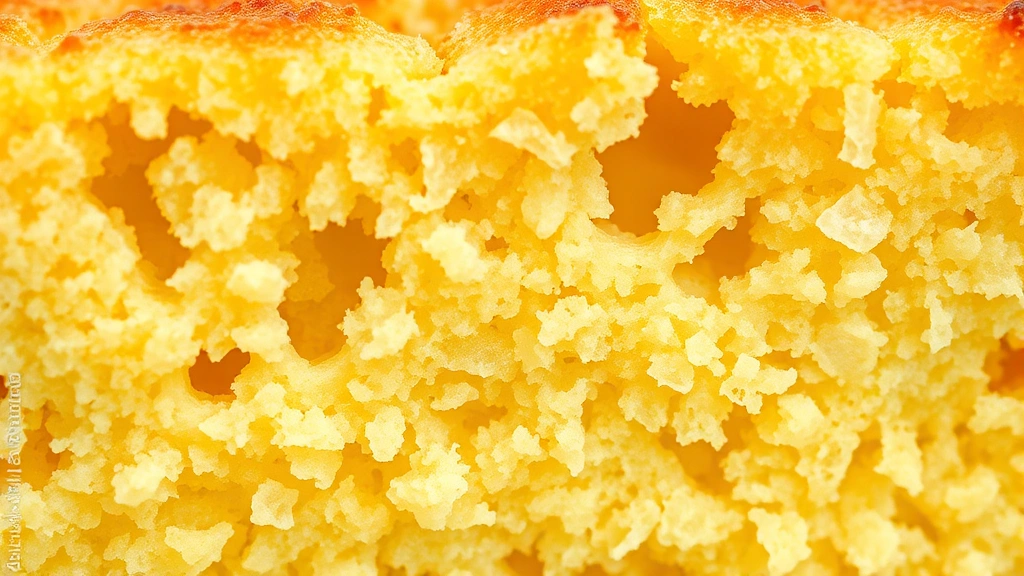
Here’s the critical part: don’t overmix. Pour your wet ingredients into the dry ingredients and stir until just combined. You want some lumps in there—seriously. Overmixing develops gluten, which makes cornbread tough and dense. You’re going for tender and crumbly, not chewy.
I use about 15-20 gentle folds with a spatula. Stop when you don’t see dry flour anymore. That’s it.
Bake to Perfection
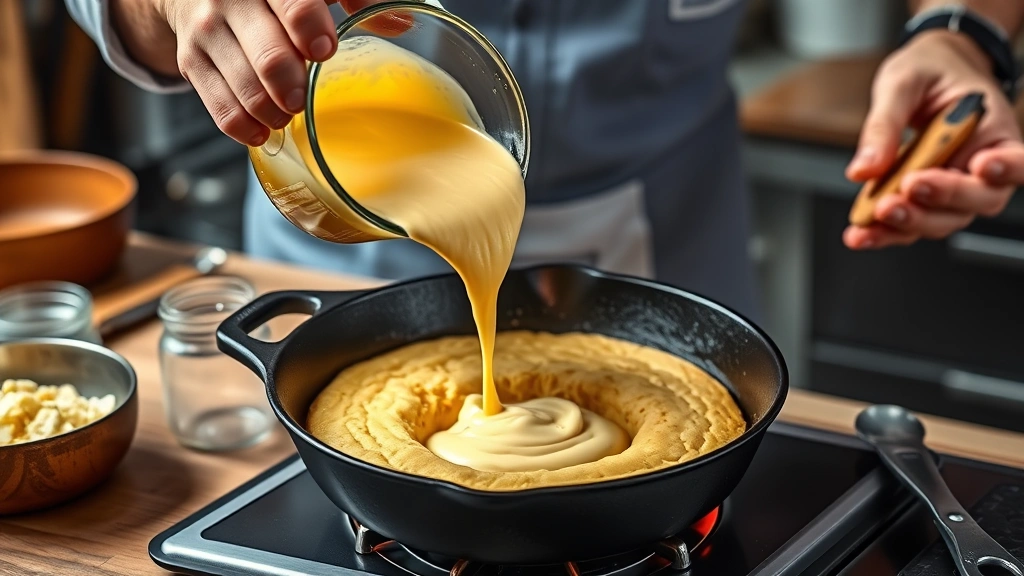
Heat your oven to 400°F and get a 9-inch cast iron skillet (or 9×9 baking dish) in there for about 3 minutes. You want it hot. Pour in a tablespoon of butter to coat the bottom, then add your batter.
Bake for 20-25 minutes until a toothpick inserted in the center comes out clean and the top is golden brown. Your kitchen will smell incredible—that’s how you know it’s working.
The cast iron is traditional and delivers better browning on the bottom and sides. If you don’t have one, a regular baking dish works fine, but you lose some of that crispy edge texture.
Cooling and Serving Tips
Let your cornbread cool in the pan for about 5 minutes, then turn it out onto a wire rack. If you’re using a baking dish, you can serve it right in there. Eat it warm with butter—that’s non-negotiable. Cold cornbread is fine, but warm cornbread with melting butter is the whole point.
Leftover cornbread keeps for 2-3 days wrapped in foil at room temperature. You can also freeze it for up to a month. Reheat in a 350°F oven for about 10 minutes.
Troubleshooting Common Issues
If your cornbread comes out dense: You probably overmixed the batter or your oven temperature was off. Use an oven thermometer—a lot of ovens run 25 degrees hotter or cooler than they claim.
If it’s too dry: You might have baked it too long or used too much flour. Measure flour by spooning it into your measuring cup and leveling off—don’t scoop directly from the bag.
If it doesn’t rise: Your baking powder or baking soda might be old. These lose potency after about 6 months. Buy fresh if you’re not sure.
If the edges are burnt but the center isn’t done: Your oven runs hot. Lower the temperature by 25 degrees next time or tent the top with foil halfway through baking.
Flavor Variations
Once you nail the basic recipe, you can start playing around. Add fresh corn kernels (about 3/4 cup) for a more summery vibe. Stir in some diced jalapeños and sharp cheddar for a savory kick. A tablespoon of honey instead of some of the sugar gives it a different sweetness profile.
Some folks add a tablespoon of bacon grease instead of butter for depth. I’ve done it—it’s good, but it changes the character of the bread. Start with the basic recipe first, then experiment.
Frequently Asked Questions
Can I substitute regular milk for buttermilk?
You can, but it won’t be the same. If you’re in a pinch, add a tablespoon of lemon juice or vinegar to regular milk and let it sit for 5 minutes. It’s not perfect, but it works. The cornbread will be slightly less tender and won’t have that tang.
Do I need a cast iron skillet?
No, but it helps. A 9×9 baking dish works fine. Cast iron just gives you better browning and that crispy edge texture that makes cornbread special.
Can I make this in a muffin tin?
Absolutely. Fill muffin cups about two-thirds full and reduce baking time to 12-15 minutes. You’ll get cornbread muffins with more surface area for crust.
How do I know when it’s done baking?
Insert a toothpick in the center—it should come out clean or with just a few moist crumbs. The top should be golden brown. If it’s still pale, give it another 2-3 minutes.
What’s the best way to serve cornbread?
Warm, with butter. That’s it. You could serve it with chili, soup, or alongside barbecue. Some people crumble it into buttermilk for breakfast—sounds weird, tastes amazing.
Can I make the batter ahead of time?
Not really. Baking powder and baking soda start working as soon as they hit the wet ingredients. Mix and bake within 10 minutes for best results.
Why is my cornbread gummy in the middle?
You’re underbaking it. Cornbread should be fully set in the center. Bake until a toothpick comes out clean—not just barely done.
The beauty of a buttermilk cornbread recipe is its simplicity and reliability. You’re not fighting with temperamental dough or waiting hours for fermentation. Thirty minutes from mixing bowl to golden-brown pan, and you’ve got something that tastes like it came from someone’s Southern kitchen who’s been making it for decades. Master this recipe, and you’ve got a skill that works for weeknight dinners, potlucks, or just because you want something warm and buttery in your life. Start with the basics, nail the technique, then play around with flavors once you’ve got the foundation solid.
For more complementary recipes, check out our guide on how to make gravy from drippings for the perfect pairing with your cornbread. You might also enjoy our aioli recipe chipotle for modern flavor combinations, or explore our aebleskiver recipe for other baking adventures. If you’re planning a full meal, our agua fresca recipe makes a refreshing beverage to serve alongside.


