
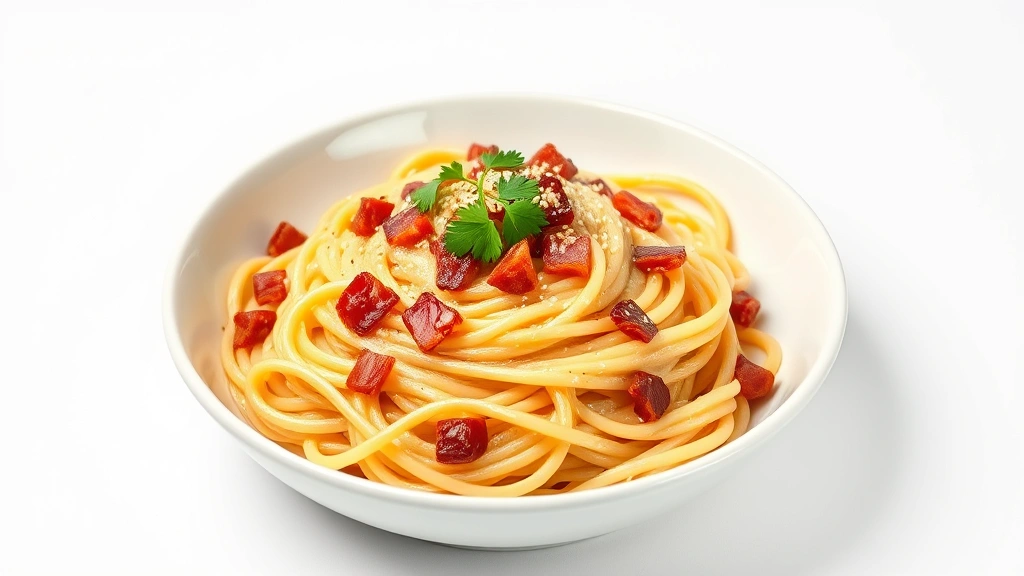
A buldak carbonara recipe brings together the fiery Korean chicken sensation with creamy Italian pasta traditions—and you can nail it in just 15 minutes. This Korean fusion dish takes the spicy, buttery goodness of buldak (fire chicken) and marries it with the silky egg-based sauce of classic carbonara, creating something that’ll have your dinner guests asking for seconds before they’ve even finished their first bite.
Table of Contents
What is Buldak Carbonara?
Buldak carbonara is where Korean street food meets Italian kitchen tradition. Buldak literally means “fire chicken” in Korean—it’s chicken cooked in an intensely spicy, sweet, and buttery sauce that’s become wildly popular across Asia. When you combine that with carbonara’s creamy, luxurious egg sauce, you get a dish that’s simultaneously bold and refined.
The beauty of this fusion is that it works. The heat from the buldak sauce plays perfectly against the richness of the carbonara cream, and the pasta acts as the perfect vehicle for both flavor profiles. Unlike some fusion experiments that feel forced, this one feels inevitable once you taste it.
Gather Your Ingredients
Before you even think about turning on the stove, get everything ready. Here’s what you’ll need:
For the Chicken:
• 1 lb boneless, skinless chicken breast or thighs
• 3 tablespoons gochujang (Korean red chili paste)
• 2 tablespoons butter
• 2 tablespoons soy sauce
• 1 tablespoon honey or sugar
• 3 cloves garlic, minced
• 1 tablespoon sesame oil
• ½ teaspoon black pepper
For the Carbonara Sauce:
• 3 egg yolks (room temperature—this is crucial)
• ½ cup grated Parmesan cheese
• 4 slices bacon, chopped
• ¼ cup reserved pasta water
• Salt and black pepper to taste
For Assembly:
• 1 lb spaghetti or linguine
• Fresh parsley for garnish
• Sesame seeds for garnish
• Extra Parmesan for serving
Quality matters here. Use real Parmigiano-Reggiano, not the pre-grated stuff in the green can. The difference is night and day. If you can’t find gochujang at your local grocery store, check the international aisle or order it online—it’s worth the hunt because there’s no real substitute.
Prep Work Matters
This is where most home cooks stumble. They skip prep and then scramble during cooking. Don’t be that person.
First, take your chicken out of the fridge 15 minutes before cooking. Room temperature chicken cooks more evenly. While it’s warming up, mince your garlic, chop your bacon, and grate your Parmesan. Separate your eggs carefully—you need just the yolks, and even a tiny bit of egg white can prevent the sauce from emulsifying properly. Put those yolks in a bowl and let them sit at room temperature.
Cut your chicken into bite-sized pieces, about 1 to 1.5 inches. Uniform sizing means everything cooks at the same rate. Mix your gochujang, soy sauce, honey, garlic, sesame oil, and black pepper in a small bowl. This is your buldak sauce base, and it should smell incredible—spicy, savory, slightly sweet.
Cook the Spicy Chicken
Heat a large skillet over medium-high heat. Add your chopped bacon first and cook until it’s crispy, about 5 minutes. Remove it with a slotted spoon and set aside on a paper towel. Leave about 2 tablespoons of bacon fat in the pan—this is liquid gold for flavor.
Add the butter to the bacon fat. Once it’s melted and foaming, add your chicken pieces. Don’t crowd the pan. You want them to sear, not steam. Let them sit undisturbed for 2-3 minutes until they develop a golden crust on the bottom. Flip and cook another 2-3 minutes.
Pour your buldak sauce mixture over the chicken and stir well. The sauce should coat every piece. Cook for another 3-4 minutes, stirring occasionally, until the chicken is cooked through and the sauce has thickened slightly. The chicken should reach an internal temperature of 165°F. This whole process takes about 12 minutes from raw to done.
Make the Carbonara Sauce
While your chicken is cooking, get your pasta water going. You’ll need a large pot of salted water—it should taste like the sea. Bring it to a rolling boil and add your pasta. Cook according to package directions until it’s al dente, not mushy.
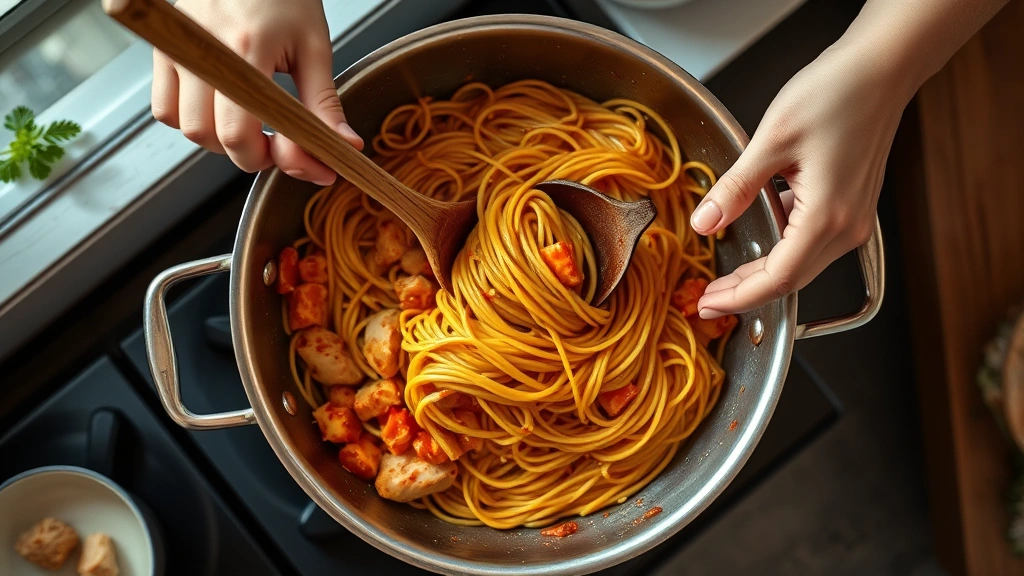
Here’s the critical part: reserve 1 cup of pasta water before you drain. This starchy water is what brings the whole sauce together. Set it aside.
In a bowl, whisk together your egg yolks and grated Parmesan. Add a generous pinch of salt and black pepper. The mixture should look like a thick, creamy paste. This is your carbonara base, and it needs to stay cool until the last second.
Combine Everything Right
This is where timing becomes everything. You need to work quickly but carefully.
Drain your pasta and immediately add it to your skillet with the buldak chicken. Turn the heat down to low—this is essential. High heat will scramble your eggs and ruin everything. Toss the pasta and chicken together for about 30 seconds.
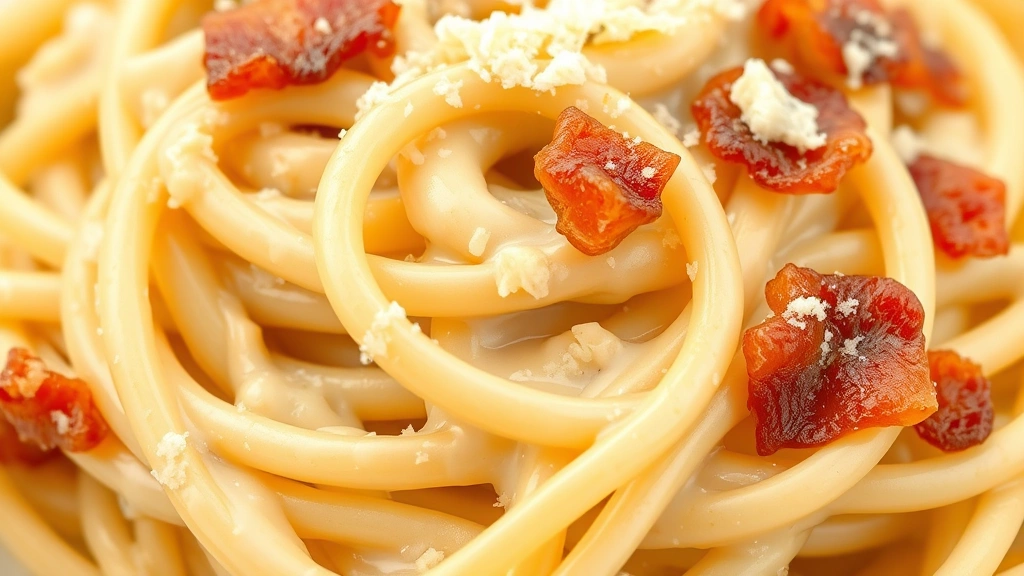
Remove the skillet from heat completely. Pour your egg and Parmesan mixture over the pasta while tossing constantly. The residual heat will cook the eggs gently, creating a silky, creamy sauce. Add reserved pasta water a tablespoon at a time until you reach the consistency you want. The sauce should coat the pasta like velvet, not pool at the bottom.
Stir in your crispy bacon. Taste and adjust seasoning—you might need more salt, pepper, or even a squeeze of lemon juice to brighten things up.
Plating and Serving
Divide your pasta into bowls immediately—carbonara doesn’t wait well. The sauce continues to set as it cools, so speed matters. Garnish each bowl with a handful of fresh parsley, a sprinkle of sesame seeds, and extra Parmesan shavings. The sesame seeds add a nod to the Korean heritage of this dish.
Serve right away with extra Parmesan on the side. Some people like to add a drizzle of sesame oil on top for extra richness and that authentic Korean flavor punch. If you’re making this for a crowd, work in batches rather than trying to combine everything at once—you’ll have better control and better results.
Common Mistakes to Avoid
The most common disaster is scrambled eggs. This happens when the heat is too high or when you add cold egg mixture to hot pasta. Always remove the pan from heat before adding your eggs, and make sure those eggs are at room temperature.
The second mistake is not reserving enough pasta water. Your sauce might look too thick at first, but it’ll firm up as it cools. Better to have extra pasta water on hand to loosen it than to end up with something that looks like glue.
Third: don’t skip the bacon. Yes, you’re already making a rich sauce, but the bacon adds essential savory depth and texture contrast. It’s not optional.
Fourth mistake is using pre-grated Parmesan. It contains anti-caking agents that prevent it from melting smoothly into the sauce. Block cheese that you grate yourself makes all the difference.
Finally, don’t let your pasta sit around while you finish the chicken. Cook them on parallel timelines so everything comes together hot and fresh. Cold pasta mixed with warm sauce is a recipe for sadness.
Try These Variations
Once you’ve nailed the basic recipe, experiment. Add crispy fried onions on top for crunch. Throw in some roasted mushrooms for earthiness—they pair beautifully with both the spice and the cream. Some people add a handful of fresh spinach at the very end, stirring it in with residual heat.
If you want to make it vegetarian, skip the bacon and chicken entirely. Instead, sauté mushrooms, spinach, and garlic in butter, then add the gochujang sauce. You could also check out our aglio olio recipe for another elegant pasta approach, or explore authentic bolognese recipe techniques for building deep flavor foundations.
Want to add more Korean elements? Top with crispy gochujang breadcrumbs or a fried egg. Looking for heat? Add more gochujang or a pinch of cayenne pepper. Prefer it less spicy? Cut the gochujang in half and add more honey for sweetness.
You could also draw inspiration from al pastor recipe techniques for marinating proteins, or use the flavor-building principles from authentic jambalaya recipe to layer complexity. The key is understanding why certain elements work together, then adapting with confidence.
Frequently Asked Questions
Can I make buldak carbonara ahead of time?
Carbonara is best served immediately, but you can prep components ahead. Cook your chicken and sauce it with the buldak mixture up to 4 hours in advance—just reheat gently before serving. Cook your pasta fresh, and make the egg sauce right before you combine everything. This way you get the best of both worlds: convenience and quality.
What if my sauce breaks or becomes grainy?
If your eggs scrambled, you’ve got a problem. Prevention is easier than a fix. But if it happens, try adding a splash of cold pasta water and whisking vigorously off heat. Sometimes you can save it. If not, start over with fresh eggs—it’s faster than trying to fix a broken sauce. For more on sauce techniques, check how we make gravy from drippings using similar emulsification principles.
Can I use chicken thighs instead of breast?
Absolutely. Thighs are actually better because they’re fattier and stay juicier. They take about the same cooking time, so no adjustments needed. Dark meat also has more flavor, which complements both the spicy buldak sauce and the creamy carbonara beautifully.
Is there a vegetarian version?
Yes. Skip the chicken and bacon, and sauté mushrooms, bell peppers, and spinach in butter instead. Add the gochujang sauce as written. You’ll lose some richness without the meat, so consider adding an extra egg yolk to the carbonara sauce or using a bit more Parmesan.
How spicy is this dish?
Moderately spicy, depending on your gochujang. Most gochujang pastes are medium heat. If you’re sensitive to spice, start with half the amount and build up. If you want it hotter, add a pinch of cayenne or gochugaru (Korean chili flakes). The cream sauce helps tame the heat, so it’s not as intense as eating straight buldak.
Can I make this with different pasta shapes?
Definitely. Spaghetti and linguine are traditional for carbonara because they hold the sauce well. But penne, rigatoni, or even fettuccine work fine. Avoid tiny shapes like orzo or ditalini—they don’t have enough surface area to showcase the sauce.
Final Thoughts
A buldak carbonara recipe represents the best of modern cooking: respecting tradition while not being afraid to innovate. You’re taking two beloved dishes and creating something new that honors both. The 15-minute timeline is achievable once you understand the technique. The key is preparation, timing, and understanding why each step matters.
The first time you make this, follow the recipe exactly. The second time, you’ll understand it well enough to adapt. Maybe you’ll add ginger for warmth, or a touch of fish sauce for umami depth. Maybe you’ll top it with a fried egg or crispy shallots. The foundation is solid enough to support your creativity.
This dish works for weeknight dinners, impressing guests, or when you want something that feels special without spending hours in the kitchen. Master this recipe, and you’ve got a go-to that bridges cultures and satisfies cravings for both spice and comfort.


