
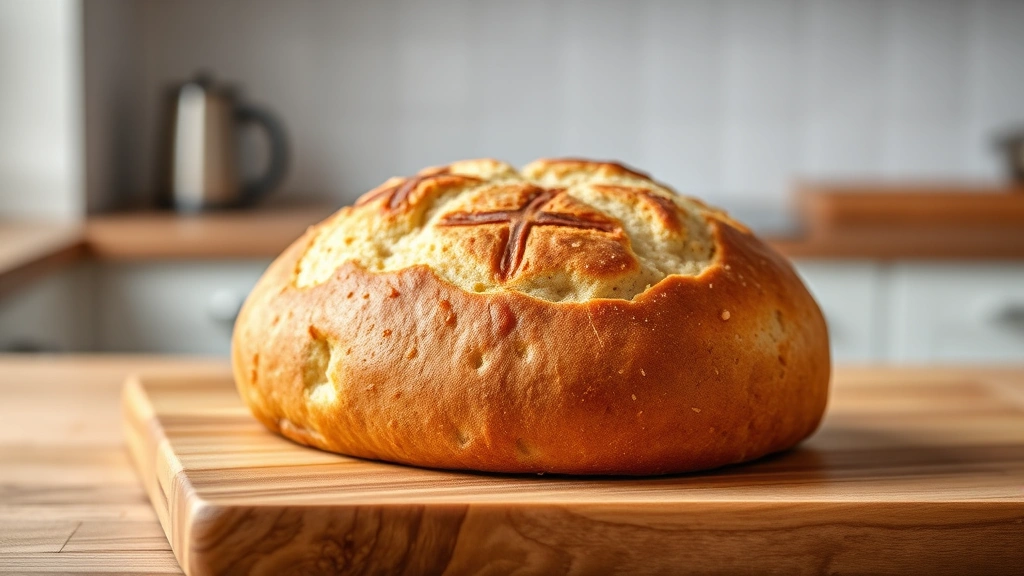
A bread recipe no yeast is your ticket to fresh, homemade bread in under 30 minutes—no waiting for rise times, no temperamental fermentation, just real bread on your table fast. Whether you’re caught without yeast, short on time, or just want to skip the fuss, these quick breads deliver genuine flavor and texture that’ll make you wonder why you ever relied on yeast in the first place.
Table of Contents
Why Skip Yeast Entirely
Look, yeast is finicky. Temperature matters, timing matters, and you’re basically babysitting dough for hours. With a bread recipe no yeast, you’re using chemical leaveners instead—baking soda and baking powder—which create lift through a different mechanism. The acid in buttermilk, yogurt, or beer reacts with baking soda immediately, producing carbon dioxide bubbles that make bread rise right in the oven. No waiting. No guessing whether your yeast is alive.
This approach gives you tender crumb, interesting flavor complexity, and honestly, fewer things that can go wrong. I’ve pulled countless batches of quick bread from the oven that rival traditional yeast loaves, and I didn’t lose sleep over proofing times.
Baking Soda Magic Works
The secret weapon in quick bread is understanding how baking soda actually works. Baking soda (sodium bicarbonate) needs acid to activate. When you combine it with acidic ingredients—buttermilk, yogurt, lemon juice, vinegar, or even beer—you get an immediate chemical reaction that produces carbon dioxide gas. Those tiny bubbles get trapped in your dough, creating structure and lift as the bread bakes.
The timing here is critical: once you mix wet and dry ingredients, you’ve got maybe 15-20 minutes before the reaction peaks. That’s why we say “work quickly” in these recipes. You’re not kneading for development like with yeast bread; you’re just combining ingredients and getting them into a hot oven before the lift potential fades.
Baking powder is slightly different—it contains baking soda plus acid already built in, so it works without needing acidic wet ingredients. Some quick breads use both for maximum lift and more reliable results.
Classic Irish Soda Bread
This is the gold standard of no yeast bread recipes, and it’s dead simple. You need just four ingredients: flour, baking soda, salt, and buttermilk. That’s it. The buttermilk provides the acid that activates the baking soda, creating a tender crumb with subtle tang.
Basic Recipe:
- 3 cups all-purpose flour
- 1 teaspoon baking soda
- 1 teaspoon salt
- 1.5 cups buttermilk (plus a splash more if needed)
Method: Mix dry ingredients in a bowl. Pour in buttermilk and stir until shaggy dough forms—don’t overwork it. Turn onto a floured surface, shape into a round loaf, and cut a cross on top (this helps it cook evenly). Bake at 450°F for 35-40 minutes until golden and hollow-sounding when tapped. The cross isn’t just tradition; it actually helps steam escape and prevents dense centers.
Pro tip: If your buttermilk is thin, you might need less. If it’s thick, add a splash more. The dough should be slightly sticky but manageable. I’ve found that slightly wetter dough actually produces a better crumb than drier versions.
Buttermilk Biscuit Bread
This hybrid sits between biscuits and bread, giving you the best of both worlds. It’s got biscuit-like flakiness but bread-like substance, and it comes together in about 20 minutes start to finish.
Ingredients:
- 2 cups all-purpose flour
- 1 tablespoon baking powder
- 1 teaspoon salt
- 4 tablespoons cold butter, cubed
- 3/4 cup buttermilk
- 1 egg (for wash)
Method: Whisk dry ingredients together. Cut cold butter into flour mixture until it resembles coarse sand—this is crucial for flakiness. Pour in buttermilk and mix just until combined. Shape into a round, place on a baking sheet, brush with beaten egg, and bake at 425°F for 18-22 minutes.
The cold butter creates steam pockets that give you those beautiful layers. Don’t skip the egg wash; it creates that professional golden crust. This bread is incredible warm with butter, or split and used for sandwiches.
Quick Beer Bread Method
Beer is a secret weapon in quick bread because it brings carbonation, flavor, and acidity all at once. Most beers have enough acid to activate baking soda, and the carbonation adds extra lift. This is genuinely one of the fastest bread recipe no yeast options available.
Simple Beer Bread:
- 3 cups self-rising flour
- 1 tablespoon sugar
- 1 teaspoon salt
- 1 can (12 oz) beer, any style
- 3 tablespoons melted butter
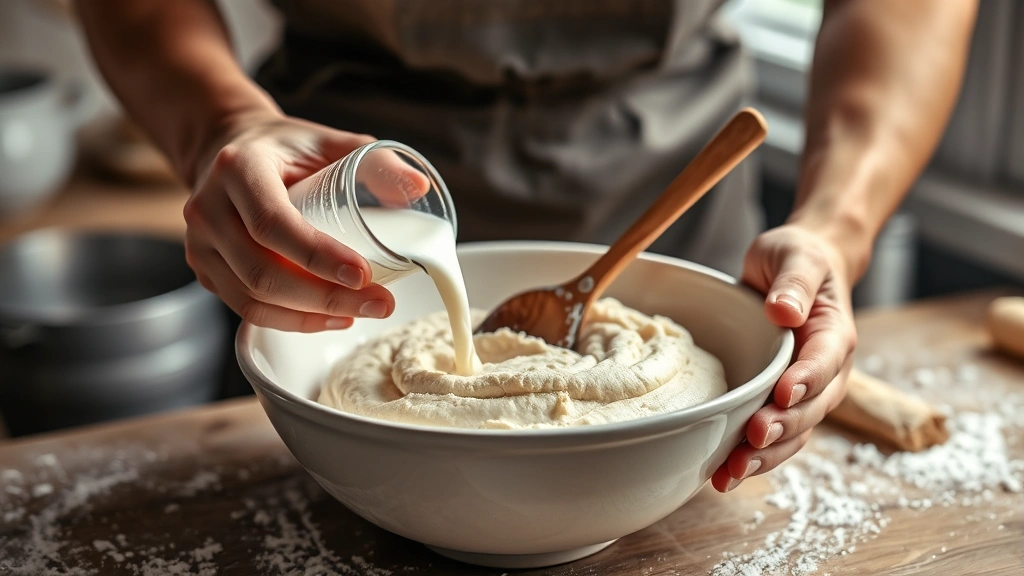
Method: Mix dry ingredients. Pour in beer and stir until combined—it’ll be thick and slightly lumpy, which is perfect. Transfer to a greased loaf pan, brush top with melted butter, and bake at 375°F for 50-55 minutes until golden brown.
The beer flavor is subtle in the finished bread, not aggressive. Darker beers give more depth; lighter beers stay more neutral. I’ve had great success with IPAs, lagers, and even stouts. The alcohol bakes off completely, so this is family-friendly despite the beer base.
No-Knead Cold Approach
If you want something closer to traditional bread texture but still without yeast, try a long cold rise with baking soda. This isn’t as fast as other quick breads, but it’s hands-off and produces surprisingly complex flavor.
Cold-Rise Method:
- 3 cups all-purpose flour
- 1.5 teaspoons salt
- 1/2 teaspoon baking soda
- 1.5 cups water
- 1 tablespoon vinegar
Method: Mix flour, salt, and baking soda. Combine water and vinegar, then add to dry ingredients. Stir until shaggy, cover, and refrigerate 12-24 hours. The acid from vinegar slowly activates the baking soda over time, developing flavor. When ready, shape, let sit 30 minutes at room temperature, then bake in a Dutch oven at 450°F for 30-35 minutes.
This approach gives you deeper flavor development and a more open crumb structure than straight quick breads. The long cold fermentation creates complexity without yeast.
Baking Powder Variations
Baking powder is your friend when you don’t have acidic ingredients on hand. Double-acting baking powder (the standard type) works in two stages: first when wet, then again when heat is applied. This gives you more control and forgiveness than baking soda alone.
Basic Baking Powder Bread:
- 2.5 cups all-purpose flour
- 2 tablespoons sugar
- 2 teaspoons baking powder
- 1 teaspoon salt
- 2 tablespoons oil or melted butter
- 1 cup milk or water
Method: Mix dry ingredients. Combine wet ingredients separately, then fold together until just combined. Transfer to a loaf pan and bake at 375°F for 40-45 minutes.
You can add herbs, cheese, seeds, or dried fruit to this base. The beauty of baking powder breads is their versatility. I’ve made everything from herb focaccia-style loaves to sweet variations with cinnamon and nuts using this framework.
For context on timing, check out our guide on how long it takes to preheat an oven—crucial for getting consistent results with quick breads.
Troubleshooting Common Issues
Dense, Heavy Crumb: Usually means overmixing or too much liquid. Mix just until combined, and measure flour properly (spoon and level, don’t scoop). Also check that your baking soda or powder is fresh—old leavening loses potency.
Bread Didn’t Rise: Your leavening might be expired, or you waited too long between mixing and baking. Chemical reactions are time-sensitive. Also ensure your oven is actually at the right temperature—use an oven thermometer if you suspect issues.
Gummy Center: The bread wasn’t baked long enough. Use a toothpick to test doneness; it should come out clean or with just a few moist crumbs. If the outside is browning too fast, tent with foil and extend baking time.
Bread Cracked on Top: This is usually fine and adds rustic appeal. If you want to prevent it, score the top before baking, or reduce oven temperature slightly and extend baking time.
Dry Bread: You likely overbaked it, or your flour measurement was off. Bread continues cooking slightly after removal from the oven. Pull it out when a toothpick comes out with just a couple moist crumbs, not completely dry.
Storage & Serving Ideas
Quick breads actually improve after a day or two as flavors meld and the crumb sets. Store cooled bread wrapped in plastic wrap or in an airtight container at room temperature for up to 4 days. For longer storage, wrap tightly and freeze for up to 3 months.
These breads shine in different contexts. Irish soda bread is perfect with butter and jam, or alongside soup. Beer bread makes incredible sandwiches. Biscuit bread works as a side for dinner or breakfast with jam and cream.
You can also slice and toast quick bread—it develops even better flavor and texture when toasted. For topping ideas, check out our avocado mayo recipe for an excellent spread, or explore our almond paste recipe for sweet variations.
If you’re building a full meal, our apple butter recipe crockpot makes an excellent complement to warm quick bread. And for inspiration on other bread styles, check out our Amish cinnamon bread recipe and Arabic bread recipe for different approaches to bread-making.
Frequently Asked Questions
Can I use regular milk instead of buttermilk?
You can make a substitute by adding 1 tablespoon of lemon juice or vinegar to regular milk and letting it sit 5 minutes. However, the acid content won’t be quite as strong, so you might need to add a tiny bit of baking soda separately. Buttermilk is really the better choice here.
What’s the difference between quick bread and regular yeast bread?
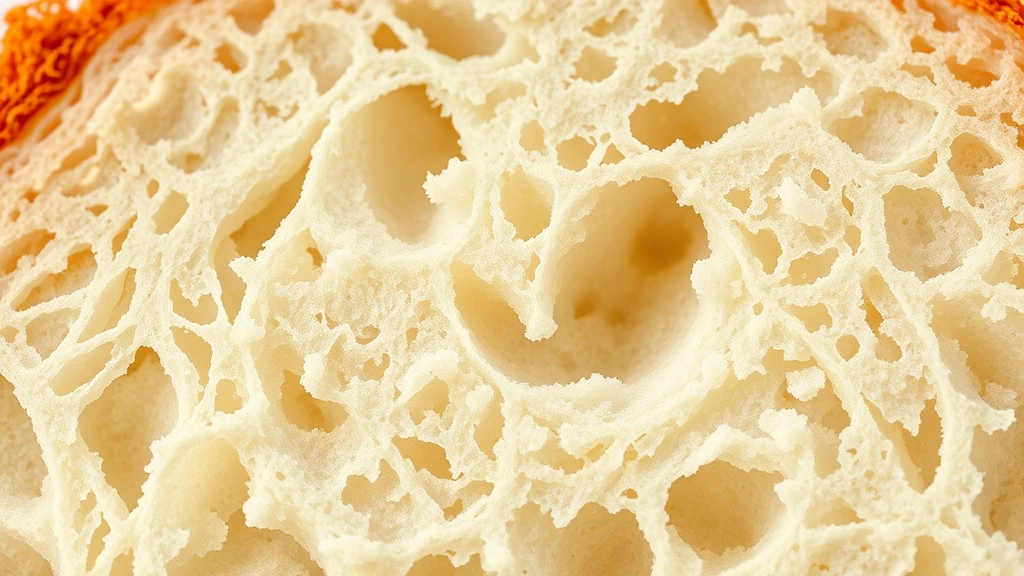
Quick bread uses chemical leaveners (baking soda, baking powder) for immediate lift, while yeast bread relies on living yeast cells that ferment over hours. Quick breads bake in 20-55 minutes; yeast breads take 2-4 hours total. Quick breads have a tighter, more uniform crumb; yeast breads have more open, irregular structure.
Can I add yeast to a quick bread recipe?
Technically yes, but it changes the whole dynamic. You’d lose the “quick” benefit and need rising time. The chemical leaveners and yeast would compete, potentially creating odd texture. Stick with one leavening system or the other.
Why does my quick bread have a gritty texture?
This usually means baking soda or baking powder wasn’t fully mixed into the dry ingredients, creating little pockets of raw leavener. Always whisk dry ingredients thoroughly before adding wet ingredients. Also, some people find that sifting flour first helps, though it’s not always necessary.
Is quick bread healthier than yeast bread?
Not necessarily. Both are bread. Quick breads often contain more sugar and fat than simple yeast breads, though some recipes are quite lean. The main difference is convenience and texture, not nutrition. Check individual recipes for nutritional content.
Can I make quick bread without an oven?
Sort of. You can steam quick bread in a covered pot or Dutch oven on the stovetop, though results are less predictable. Some people have success with air fryers for smaller loaves. But a regular oven really is the best tool for this job.
Final Thoughts
A bread recipe no yeast isn’t a compromise—it’s a different approach that delivers real bread in a fraction of the time. Whether you’re grabbing Irish soda bread for a weeknight dinner, whipping up beer bread for a gathering, or exploring baking powder variations, you’ve got options that actually work.
The key is understanding your leavening agent, mixing minimally, and getting the bread into a hot oven quickly. Once you nail one recipe, you can adapt it endlessly. Add herbs, cheese, seeds, dried fruit—the framework stays the same.
Stop waiting for yeast to do its thing. Fresh, real bread is 30 minutes away.


