
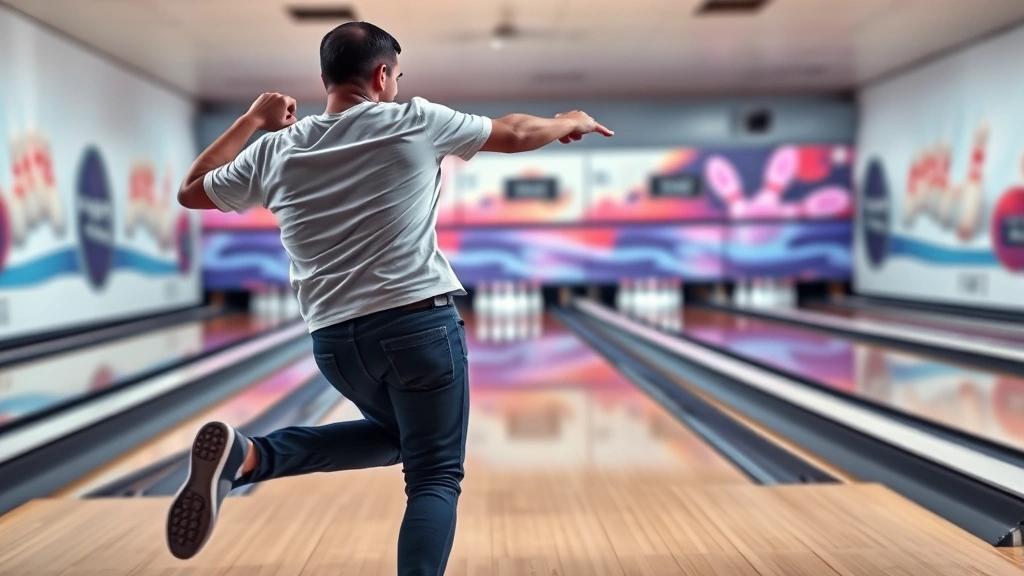
Learning bowling how to bowl doesn’t require a PhD in physics or years of practice at the lanes—it just takes understanding the fundamentals and putting in some focused effort. Whether you’re stepping into a bowling alley for the first time or looking to shake off the rust from years away, this guide breaks down exactly what you need to know to start throwing strikes instead of gutter balls.
Table of Contents
Choosing the Right Bowling Ball
Before you even step up to the lane, you need a ball that fits your hand and matches your strength. Most beginners grab whatever’s available, which is a mistake that kills your accuracy from day one. The weight should be roughly 10% of your body weight—so if you weigh 150 pounds, aim for a 15-pound ball. If that feels like swinging a sledgehammer, go lighter. A ball that’s too heavy will tire your arm and throw off your mechanics.
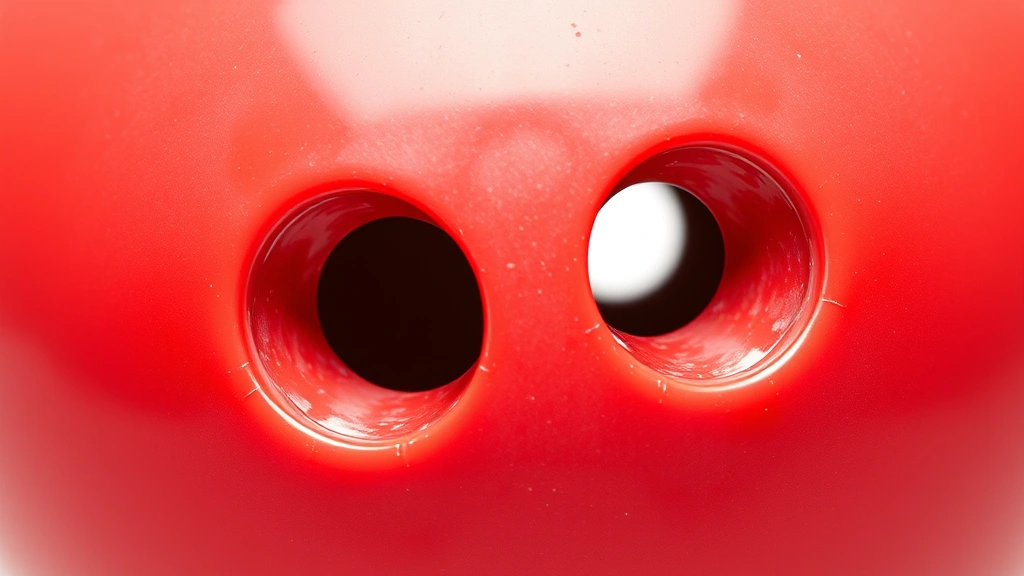
The finger holes matter more than people realize. Your thumb should fit snugly but not tight, and your fingers should enter the holes about a half-inch deep. At most bowling alleys, the staff can help you find a house ball that works, but if you’re serious about improving, investing in a custom-drilled ball is worth the expense. Check out resources from Family Handyman for equipment care tips, and don’t skip proper how to clean shoes in washing machine techniques to keep your bowling shoes fresh.
Grip and Stance Fundamentals
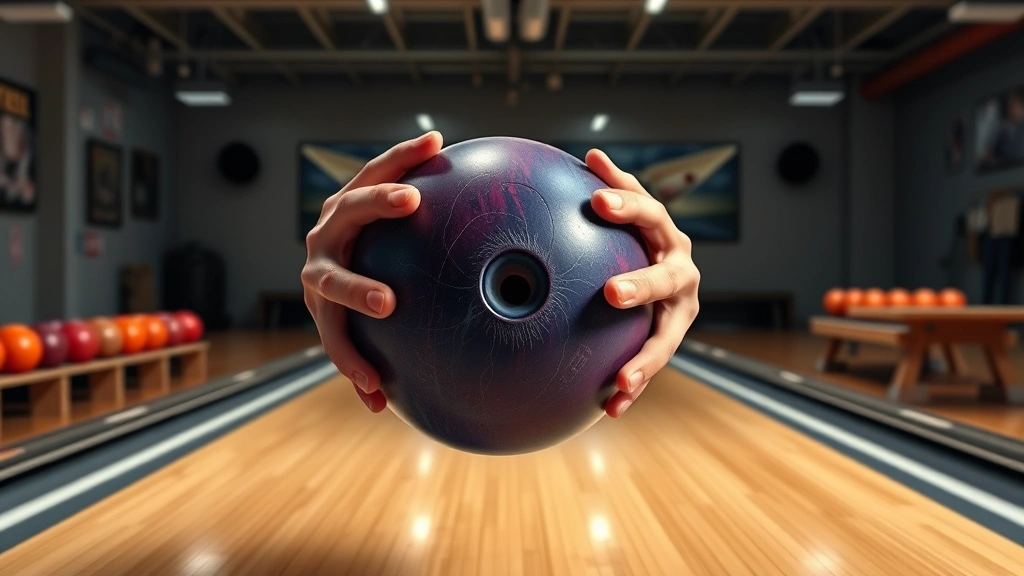
Your grip sets the tone for everything that follows. Hold the ball at chest height with your non-bowling arm supporting it underneath. Your bowling arm should hang naturally at your side, with your thumb in the hole first, then your fingers. The grip should be relaxed—tension is the enemy of consistent bowling how to bowl technique.
Now for your stance. Stand with your feet shoulder-width apart, with your bowling shoulder slightly back. Point your toes toward the pins, and keep your knees slightly bent. This athletic position gives you stability and lets you generate power from your legs rather than just your arm. Most bowlers use a four-step or five-step approach, but we’ll focus on four since it’s easier to master as a beginner.
The Four-Step Approach
The approach is where the magic happens. Here’s how the four-step motion breaks down:
Step One: Push the ball away from your body at chest height while stepping forward with your bowling foot (opposite your bowling arm). The ball should extend straight out, not up or down. This initial push gives the ball momentum and starts your body moving toward the pins.
Step Two: Let the ball swing down naturally as you take your second step. Your arm should feel like a pendulum—gravity does most of the work here. Don’t force it or muscle it. Your swing should be smooth and consistent every single time.
Step Three: The ball swings back and up behind you as you take your third step. Your arm should reach about shoulder height at the top of the backswing. Keep your elbow close to your body and avoid twisting your torso excessively. This is where many beginners go wrong—they try to generate power with their shoulder instead of letting physics handle it.
Step Four: Slide your bowling foot forward as the ball swings down and forward. This final step delivers power and momentum. Your arm comes through, and you’re ready for the release. The key is timing—your slide should happen as the ball reaches the bottom of your swing.
Release and Follow-Through
The release is where beginners lose control. Most people grip the ball too tight and jerk it at the pins. Instead, let your fingers come out of the holes naturally as the ball swings through. Think of it like opening your hand to release a basketball—smooth and deliberate, not a death grip followed by a sudden yank.
Your follow-through should be high and extended. After releasing the ball, your arm should continue upward and across your body, finishing around shoulder height. This follow-through isn’t just for show—it ensures you’re not decelerating the ball before you let go, which kills your accuracy and power. Keep your shoulders square to your target, and let your momentum carry you forward smoothly.
A common mistake is looking down at your release point instead of watching where the ball goes. Keep your eyes on the pins or your target line throughout the entire delivery. This feedback helps you adjust your next shot.
Reading Lane Conditions
Bowling lanes aren’t all created equal, and understanding lane conditions separates casual bowlers from people who actually score. The oil pattern on the lane affects how your ball reacts. Fresh oil makes the lane slick, so your ball won’t hook as much. Dry lanes cause more hook and reaction.
Watch how other bowlers’ balls react. If they’re curving hard at the end, the lane is dry. If the balls are going straight, the oil is heavy. Adjust your starting position and target line accordingly. Most beginners throw from the same spot every time, but experienced bowlers move around to adapt to changing conditions.
The arrows on the lane (about 15 feet down) are your aiming guide. Pick an arrow between you and your target pin, and aim to roll your ball over that spot. This is called targeting the breakpoint, and it’s far more reliable than trying to aim directly at the pins.
Common Beginner Mistakes
The biggest error beginners make is using their arm instead of their whole body. Bowling is a full-body sport. Your legs generate power, your core stabilizes you, and your arm just guides the motion. If you’re sore in your shoulder after bowling, you’re doing it wrong.
Another killer mistake: rushing your approach. Slow down. Your four steps should feel deliberate and controlled, not hurried. A rushed approach throws off your timing and makes it impossible to be consistent. Practice your steps without the ball until they feel natural.
Gripping the ball too tightly is number three on the hit list. Tension kills accuracy. Your grip should feel relaxed, almost like you’re just holding the ball in place rather than squeezing it. Think of it the same way you’d hold a carton of eggs—firm enough to keep control, but not so tight you’re crushing them.
Finally, don’t ignore your footwork. Your feet control your balance and timing. If your feet are sloppy, everything else falls apart. Practice your stance and approach steps until they become automatic.
Practice Drills That Work
Dry practice—working on your approach without throwing the ball—is underrated. Spend 10 minutes each session just walking through your four steps, focusing on smooth, consistent movement. This builds muscle memory faster than throwing balls randomly.
Target practice is another winner. Pick a specific arrow or pin, and throw 10 balls trying to hit that exact spot. Track your success rate. This teaches you how your ball reacts and helps you develop consistency. Keep a simple notebook with your target and results—you’ll spot patterns in your performance.
Hook drills help you learn how the ball reacts. Throw some balls straight, then experiment with different release angles to see how much you can curve the ball. Understanding your ball’s reaction is crucial for reading lanes and adjusting your shots. Similar to how how to patch a hole in drywall requires understanding material behavior, bowling requires understanding ball dynamics.
Spare conversion drills are gold for improving your score. Practicing how to pick up the 10-pin, 7-pin, and other common spares will boost your average more than anything else. Most of your score comes from spares, not strikes.
Bowling Alley Etiquette
Bowling alleys have unwritten rules, and following them makes you welcome instead of annoying. Never step onto another person’s lane while they’re approaching. Wait until they’ve finished their shot. Don’t swing your ball around carelessly—it’s a safety hazard and rude.
Respect the approach area. Don’t stand on the lane itself, and keep your stuff out of the walkway. If someone’s bowling next to you, be quiet and still while they’re taking their shot. Distractions mess with people’s timing.
Return your rental shoes promptly and take care of them. A little maintenance goes a long way, much like keeping your how to clean a mouse pad extends its life. Most alleys appreciate bowlers who treat equipment with respect.
Frequently Asked Questions
What’s the best ball weight for beginners?
Aim for about 10% of your body weight. A 15-pound ball works for most adults, but lighter is better than heavier. You can always progress to a heavier ball as you get stronger and more skilled.
How long does it take to get good at bowling?
You can learn the basics in a few sessions, but developing consistency takes weeks of regular practice. Most casual bowlers improve steadily for the first 50-100 games, then plateau. Serious improvement requires dedicated practice and coaching.
Should I buy my own bowling ball?
If you bowl more than once a month, yes. A custom-drilled ball fitted to your hand makes a huge difference in comfort and accuracy. House balls are fine for learning, but they’re not optimized for your grip or throwing style.
What’s the difference between a straight ball and a hook?
A straight ball goes mostly straight down the lane with minimal curve. A hook curves significantly, especially near the pins. Hooks are more powerful on the pins but harder to control. Most beginners should master straight shots first.
Why do my fingers hurt after bowling?
Your ball holes probably don’t fit right, or you’re gripping too tightly. Get your ball custom-drilled, and focus on relaxing your grip. Finger pain is a sign something’s wrong with your technique or equipment.
How do I improve my spare conversion?
Practice spare shots specifically. Learn the angles for common spares like the 10-pin and 7-pin. Most bowlers miss spares because they use the same approach for every shot instead of adjusting their aim and target.
Wrapping It Up
Learning bowling how to bowl is straightforward when you break it down into manageable pieces. Start with the right equipment, nail your grip and stance, master your four-step approach, and practice with purpose. Don’t rush the process—consistency beats speed every time. Hit the lanes regularly, track your progress, and adjust based on what you learn. Before long, you’ll be throwing strikes and impressing your friends with your newfound skills. Check out This Old House and Bob Vila for more hands-on learning resources, and don’t forget that maintaining your gear—like keeping your how to install gutters mindset of proper maintenance—extends the life of your equipment. The lanes are waiting.


