
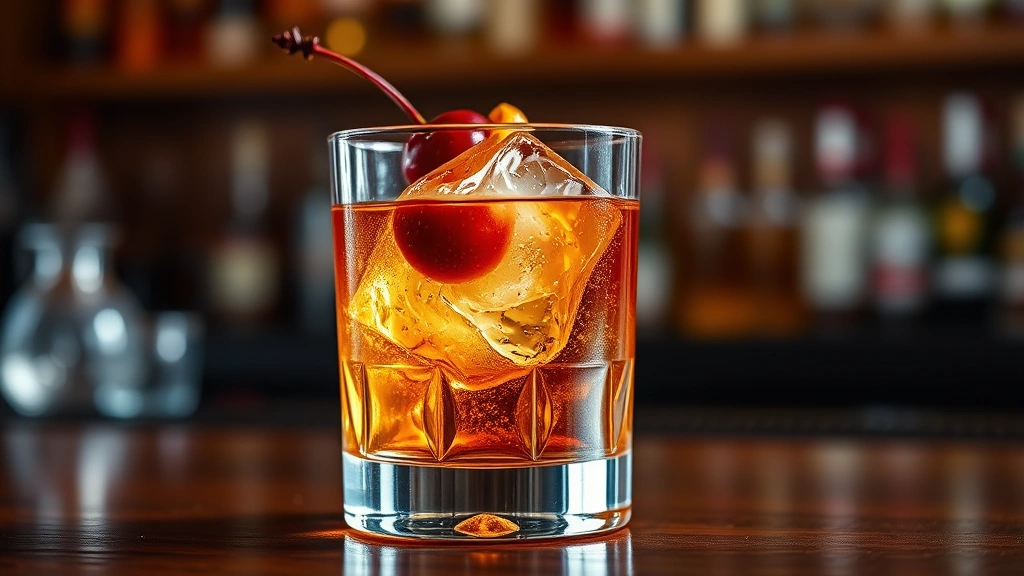
A brandy old fashioned recipe is the cornerstone of Wisconsin cocktail culture, and honestly, once you’ve made one properly, you’ll understand why this drink has dominated bars from Milwaukee to Madison for generations. This isn’t some fussy craft cocktail—it’s a straightforward, no-nonsense drink that rewards good ingredients and proper technique.
Table of Contents
What Makes Wisconsin Special
Wisconsin didn’t invent the Old Fashioned, but they absolutely perfected it. While the rest of the country was mucking around with whiskey versions, Wisconsin bartenders stuck with brandy—specifically, the American brandy that became synonymous with the state’s drinking culture. You’ll find this drink in every corner tavern, supper club, and cocktail bar worth its salt across the state.
The Wisconsin brandy old fashioned recipe differs fundamentally from its bourbon-based cousins back East. The choice of brandy creates a smoother, slightly sweeter profile that pairs beautifully with the state’s beloved supper club tradition. It’s the drink you order at 2 AM after a fish fry, and it’s the drink that makes you feel like you belong, even if you’re just passing through.
Essential Ingredients Matter
You need five things, and five things only. Don’t get creative here—the magic is in the simplicity. You’ll want a quality American brandy (not cognac, not imported—American brandy), sugar, Angostura bitters, water, and ice. Some Wisconsin bartenders add a splash of club soda, but that’s optional and honestly debated like politics at a family dinner.
The brandy is your foundation. Don’t cheap out. A decent American brandy in the $25-40 range will transform your drink. The sugar needs to be real sugar—none of that simple syrup nonsense that some bars use. Fresh ice matters too, because you’re going to be diluting this drink intentionally, and old, freezer-burnt ice ruins everything.
Step-by-Step Mixing Guide
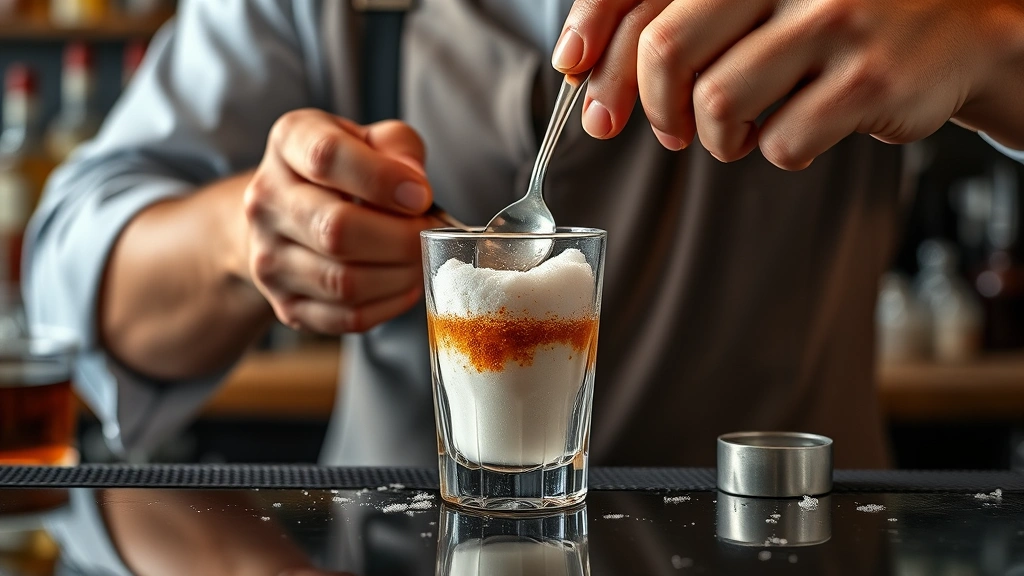
Here’s where technique separates the casual drinker from someone who actually knows what they’re doing. Start by adding one sugar cube (or a teaspoon of sugar) to your rocks glass. Add two dashes of Angostura bitters and a small splash of water—maybe a quarter ounce. This is crucial: you’re making a paste, not a soup.
Gently muddle the sugar with the back of a bar spoon. You’re not trying to destroy anything; you’re just dissolving the sugar and releasing the bitters. This takes maybe 10-15 seconds of light pressure. Over-muddling is the amateur move that ruins more old fashioneds than any other mistake.
Now add your brandy. We’re talking 2 ounces of quality American brandy. Stir this together for about 10 seconds to fully integrate the sugar and bitters. Then, and this is important, add a large ice cube or several large ice cubes. The size matters because you want slow dilution, not fast watering down.
If you’re using the Wisconsin soda variation, add a splash—and I mean a splash, not a pour—of club soda. Stir one more time. The whole process takes maybe two minutes, and that’s if you’re being leisurely about it.
Choosing Your Brandy
This is where most home bartenders stumble. American brandy is a specific category, and it’s not what you might think. Look for brands like E&J, Christian Brothers, or Paul Masson—these are the traditional Wisconsin choices. They’re not premium spirits, but they’re reliable, consistent, and they have the right flavor profile for this drink.
Avoid cognac. Avoid fancy imported French brandy. Those are beautiful spirits meant for sipping neat or in a snifter. They’re wasted in an old fashioned, and frankly, they change the character of the drink in ways that Wisconsin purists would argue against. You can also try mixing techniques with other cocktails like an adrenal cocktail recipe for comparison, but the brandy old fashioned demands its specific spirit.
If you want to experiment, try a mid-range American brandy like Korbel or even a blended brandy. The key is that you want something with enough body to stand up to the bitters and sugar, but not so complex that it overwhelms the simple framework of the drink.
Sweet vs Sour Debate
Here’s where Wisconsin gets religious about their old fashioneds. The classic Wisconsin version is sweet—some might even say syrupy. You’re using sugar, not lemon juice, and you’re keeping it simple. There’s no sour component unless you count the bitters.
But some bars, especially newer craft cocktail spots, have started adding a small amount of lemon juice or using bitters with citrus notes. This is technically a “sour” variation, and it’s not wrong—it’s just different. If you’re making this at home, start with the pure sweet version. Once you’ve mastered that, experiment with a tiny splash of fresh lemon juice if you want to brighten it up.
The Wisconsin tradition leans hard into the sweet side because it complements the brandy’s natural sweetness and makes for a more approachable, sessionable drink. You can nurse one of these for hours at a tavern without getting fatigued by the flavor.
Ice and Temperature Control
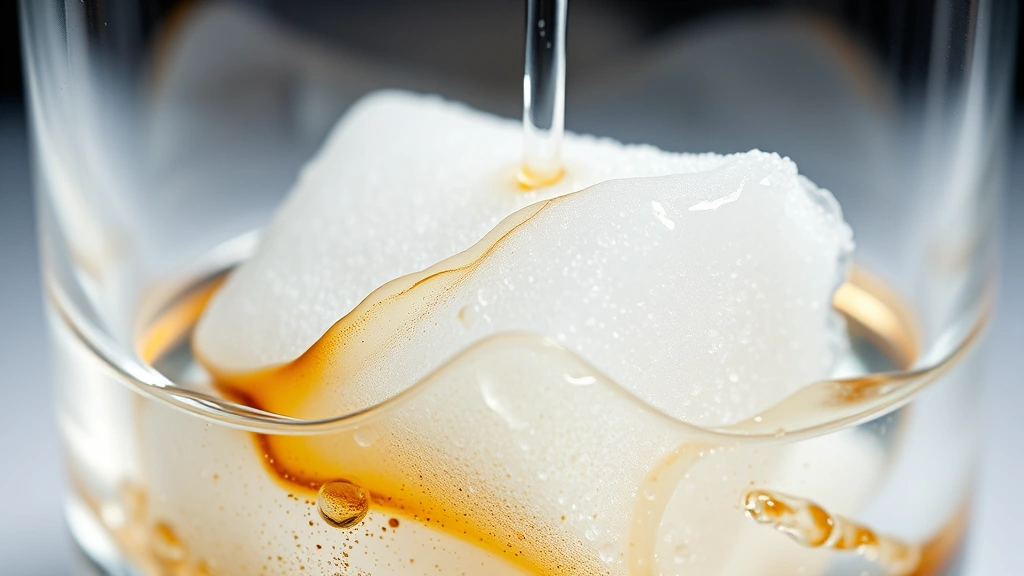
Most home bartenders don’t think about ice, and that’s a mistake. The size and quality of your ice directly impacts the final drink. You want large, clear ice cubes—the kind that melt slowly. This gives you controlled dilution, which is essential in an old fashioned.
If you don’t have a proper ice maker, you can buy specialty ice from some liquor stores or restaurants. Or, here’s the hack: freeze water in a loaf pan, then cut it into chunks with a knife. It won’t be perfect, but it’s better than those tiny ice cubes that melt in seconds.
The temperature of your glass matters too. A chilled glass keeps your drink cold longer and prevents over-dilution from the ice warming up too quickly. Stick your glass in the freezer for five minutes before you start making the drink, or fill it with ice water while you’re gathering your ingredients.
Garnish and Finishing Touches
The classic Wisconsin brandy old fashioned gets a cherry and an orange twist. That’s it. Not some elaborate fruit salad, not a cocktail umbrella, not edible flowers. A maraschino cherry and a strip of orange peel.
The orange twist is important. You’re expressing the oils over the drink—literally squeezing the peel so the aromatic oils spray across the surface. This adds a subtle citrus note that brightens the whole experience. Then drop the peel into the glass. The cherry goes in last, and honestly, the quality of the cherry matters more than people realize. A good cocktail cherry (not the neon red stuff) makes a difference.
Some bars skip the cherry entirely, arguing that it’s too sweet and unnecessary. That’s a valid opinion, but tradition says cherry, so cherry it is. You’re not making an old fashioned to rebel against Wisconsin; you’re making it to honor the tradition.
Common Mistakes to Avoid
Over-muddling is mistake number one. You’re not making a mojito. Light pressure, short duration, just enough to dissolve the sugar. If you’re smashing that sugar cube like you’re angry at it, you’re doing it wrong.
Using the wrong brandy is mistake number two. That expensive cognac you got as a gift? Save it. Buy a bottle of Christian Brothers or E&J specifically for this drink. The brandy old fashioned doesn’t need pretension; it needs consistency and the right flavor profile.
Skipping the ice is mistake number three. Some home bartenders make this drink without ice, thinking they’ll just drink it fast. That’s not how this works. The ice is part of the recipe. It dilutes the drink to the proper strength and keeps it cold enough to be refreshing.
Adding too much soda is mistake number four. If you’re using the soda variation, we’re talking a splash—maybe a quarter ounce. Not a full ounce. You want to taste the brandy, not the carbonation.
Regional Variations and Twists
Wisconsin’s brandy old fashioned is the standard, but you’ll find variations across the Midwest. Some bars in Minnesota and Illinois use a similar recipe but with slightly different proportions. Some add a touch of simple syrup instead of dissolving sugar. Some use egg white for a silky texture (though this is less common in Wisconsin proper).
The soda variation is huge in Wisconsin—so common that some people argue it’s the “real” Wisconsin version. You’re adding just enough club soda to give it a slight fizz and lighten the mouthfeel. It’s refreshing and makes the drink feel less heavy.
You might also explore how this brandy technique applies to other recipes. For instance, understanding flavor balance in a brandy old fashioned helps when you’re working with recipes like amatriciana recipe or even something as different as al pastor recipe—the principle of building flavor through careful ingredient selection applies across cooking and bartending.
Some bars have started experimenting with different bitters—chocolate bitters, walnut bitters, that sort of thing. These are fun to try at home, but they’re departures from tradition. Start with Angostura, master that, then experiment if you want.
Frequently Asked Questions
Can I use whiskey instead of brandy?
Technically, yes—that’s the classic Old Fashioned. But that’s not a Wisconsin brandy old fashioned recipe. If you want a whiskey version, go for it, but you’re making a different drink. The brandy version is what Wisconsin is known for, and it has its own identity.
What’s the best brandy for this drink?
American brandy in the $25-40 range. Christian Brothers, E&J, or Paul Masson are traditional choices. You’re not trying to impress anyone with a premium spirit; you’re making a working drink that needs to be consistent and reliable.
Should I use simple syrup or sugar cubes?
Sugar cubes are traditional and give you more control. Simple syrup is faster but less authentic. If you’re at home, use a sugar cube or a teaspoon of regular sugar. You’re making the drink, not running a bar, so whatever works is fine.
Is the soda really necessary?
No, but it’s traditional in Wisconsin. It adds a slight fizz and lightens the drink. Try it both ways and see which you prefer. Some people love the pure version; others swear by the soda splash.
How much should I dilute it?
The ice does this naturally. You’re not trying to water it down; you’re using ice to bring it to the right temperature and strength. A properly made brandy old fashioned should be around 20-25% ABV after dilution, which happens naturally from the ice.
Can I make this in bulk for a party?
You can pre-batch the sugar-bitters mixture and the brandy, but you need to add ice individually for each drink. Don’t make these ahead of time and try to serve them later—the ice will melt and ruin the whole thing.
Final Thoughts
A brandy old fashioned recipe is Wisconsin’s gift to cocktail culture, and it’s a gift worth respecting. This isn’t a complicated drink, but it demands attention to detail and respect for tradition. You need quality brandy, proper technique, and the patience to do it right.
The beauty of this drink is that it’s approachable. You don’t need fancy equipment or rare ingredients. You need a rocks glass, a bar spoon, brandy, sugar, bitters, water, and ice. That’s it. Master these fundamentals, and you can make a drink that rivals anything you’d get at a Wisconsin tavern.
Start with the classic version—no soda, just brandy, sugar, bitters, and ice. Once you’ve made that a dozen times and understand how the flavors work together, then experiment. Add soda, try different bitters, adjust the sugar to your taste. But respect the foundation first.
Whether you’re in Wisconsin or just want to bring a piece of Wisconsin cocktail culture to your home bar, this drink delivers. It’s simple, it’s reliable, and it tastes like exactly what it is: a no-nonsense American cocktail made with care. That’s worth something in a world of overly complicated drinks.


