
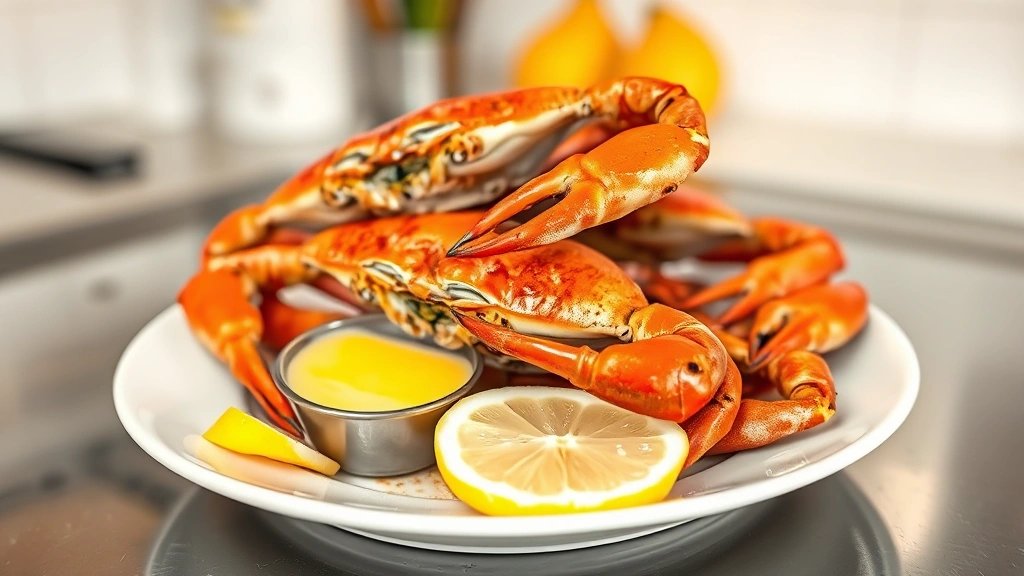
A blue crab recipe doesn’t have to be complicated—whether you’re steaming them whole, picking the meat for cakes, or making a rich bisque, these Chesapeake Bay favorites deserve respect and the right technique. I’ve spent years working with these crustaceans, and I’m going to walk you through everything from selection to your final plate.
Table of Contents
Selecting Quality Crabs
The foundation of any great blue crab recipe starts at the market. You want crabs that are alive and feisty—literally. Pick one up and it should snap at you with those claws. The shell should feel heavy for its size, which indicates good meat content. Avoid any with soft shells unless you’re specifically looking for that texture.
Look for the males (identified by the narrow T-shaped apron on their belly) if you prefer larger claws and more meat. Females have a wider apron but less claw meat. Both work fine; it’s just preference. The best time to buy is late spring through fall when they’re molting and the meat is sweetest. Check that the crabs are actively moving around in their tank—lethargy means they’re stressed or dying.
Prep and Cleaning Basics
Before you start any blue crab recipe, you need to humanely dispatch and clean your crabs. Place each crab on a cutting board and locate the two cross-shaped marks on the shell’s underside. Using a sharp knife, quickly pierce both nerve centers—this is the most humane method. Some folks prefer chilling them in the freezer for 15 minutes first to make them unconscious.
After dispatching, rinse the crab under cold running water and use a stiff brush to scrub away any mud or debris from the shell. This matters because you might be steaming them whole. Lift the pointed flap on the underside and remove the gills (the feathery parts) and the greenish hepatopancreas. These aren’t toxic, but they’re bitter and most recipes skip them.
The Classic Steaming Method
Steaming is the most straightforward approach for a traditional blue crab recipe. Fill a large pot with about 2 inches of water and add a steaming rack. Bring it to a rolling boil, then add your seasoning—Old Bay is the classic choice, but you can use beer, vinegar, or a custom blend.
Layer your cleaned crabs on the rack, shell-side up, and sprinkle each layer with more seasoning. Steam for 20-25 minutes for live crabs, until the shells turn bright orange-red. The meat should be opaque and pull cleanly from the shell. Don’t overcrowd the pot—crabs need steam circulation. If you’re stacking, use multiple racks or work in batches.
Let them cool for 5-10 minutes before handling. The meat stays warm but you won’t burn your fingers. This is where you can add melted butter, cocktail sauce, or just squeeze of lemon. Simple, effective, and lets the crab’s natural sweetness shine through.
Making Perfect Crab Cakes
Crab cakes are the gold standard for using picked crab meat. The trick is using just enough binder to hold them together without overwhelming the delicate meat. For a pound of lump crab meat, use one egg, ½ cup panko breadcrumbs, 3 tablespoons mayonnaise, 1 tablespoon Dijon mustard, and your seasonings.
Mix gently—this is critical. Overmixing breaks down the meat and creates a dense, mushy cake. Use your hands and fold ingredients together until just combined. Form into 8 cakes about 2 inches thick and chill for at least 30 minutes. This helps them hold together during cooking.
Pan-fry in a mixture of butter and oil over medium-high heat for 3-4 minutes per side until golden brown. The exterior should be crispy while the interior stays tender. Serve with remoulade sauce, a squeeze of lemon, or alongside a fresh salad. This blue crab recipe is restaurant-quality but surprisingly forgiving once you understand the technique.
Picking Meat Properly
Picking crab meat is an art form that separates mediocre dishes from exceptional ones. You’ll find four grades: lump (large chunks from the body), backfin (smaller pieces), claw meat (darker, richer flavor), and special (the small bits). Each has its purpose.
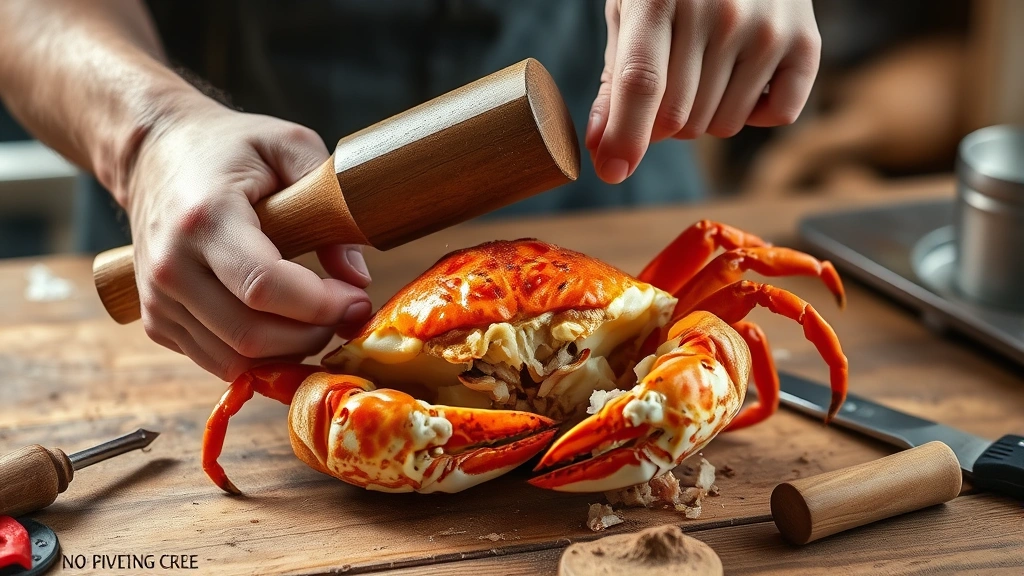
After steaming and cooling, crack the claws with a mallet and pull the meat out in one piece if possible. Separate the body from the shell by pulling the flap away. Remove the gills and rinse the body. Break the body in half and use a small fork to pick meat from the chambers, working methodically. Save the shells for stock—they make incredible seafood broth.
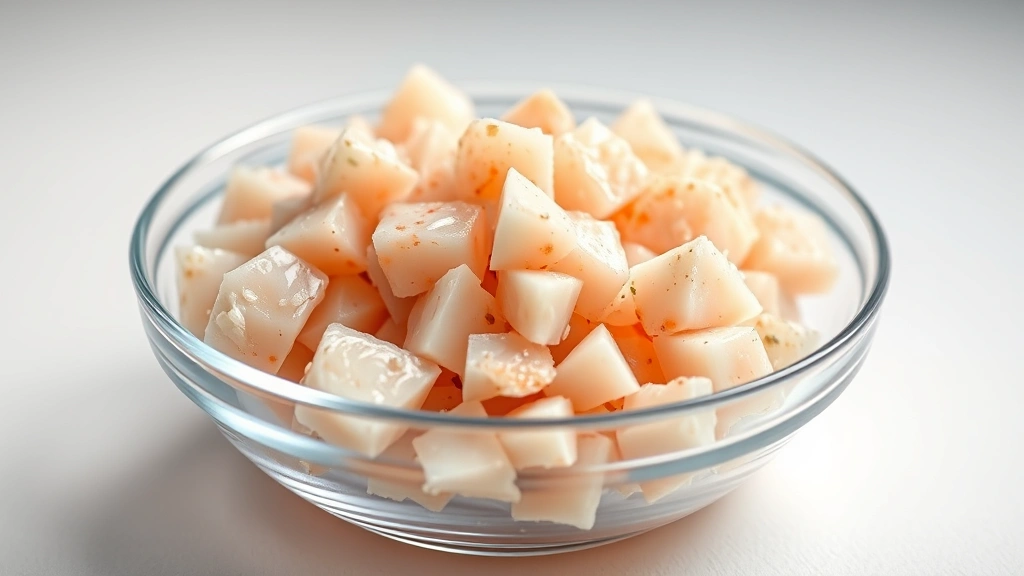
Pick over all your meat carefully with your fingers to remove any shell fragments. This is tedious but essential. Store picked meat in an airtight container on ice for up to two days. The fresher the picked meat, the better your blue crab recipe will taste.
Seasoning and Spice Blend
Old Bay seasoning is iconic, but understanding what’s in it helps you customize. It’s primarily celery salt, paprika, and cayenne pepper with mustard, bay leaf, cloves, and allspice. For a homemade blend, combine 2 tablespoons paprika, 1 tablespoon cayenne, 1 tablespoon black pepper, 1 tablespoon mustard powder, 1 tablespoon celery salt, 1 teaspoon each of bay leaf powder, cloves, and allspice.
Some regional variations use more Old Bay directly, while others prefer a lighter touch with just salt, pepper, and fresh herbs. Experiment with garlic powder, lemon zest, or fresh dill depending on your blue crab recipe direction. The goal is enhancing the natural sweetness, not masking it. Start conservative with seasoning and adjust as you taste.
Storage and Food Safety
Live crabs should be stored in a cool, dark place (around 50°F) with high humidity. Keep them in a perforated container or wrapped in damp newspaper. Don’t store them on ice directly—they’ll die faster. They’ll stay alive for 2-3 days this way, though fresher is always better.
Cooked crab meat lasts 3-4 days in the refrigerator in an airtight container. Freeze picked meat for up to three months in a freezer bag with minimal air. Whole cooked crabs can be frozen for up to two months, though the texture degrades slightly. Always thaw frozen crab in the refrigerator overnight, never at room temperature.
For any blue crab recipe, never reuse cooking water and always cook crabs the day you purchase them if possible. The fresher your ingredient, the better your final dish. Handle raw crabs with respect—they can pinch hard and their claws are sharp.
Regional Recipe Variations
Maryland’s steamed crabs with Old Bay and beer is the baseline, but venture into other traditions for inspiration. Virginia adds vinegar and hot sauce to the steaming liquid. Louisiana’s crab boil includes corn, potatoes, and andouille sausage. North Carolina favors mustard-based sauces alongside their crabs.
For a bisque-style blue crab recipe, sauté the shells with aromatics, deglaze with brandy, add cream and stock, then strain and finish with picked meat. For Asian-inspired preparations, try a ginger-scallion sauce or black bean and garlic preparation. Each region and cuisine has cracked the code on making crabs shine.
The beauty of blue crabs is their versatility. They work in pasta dishes, on salads, in soups, or as the star on a simple plate. Pick your preparation based on what you’re craving and the quality of your crabs. Premium, fresh crabs deserve minimal intervention. Older or less pristine crabs work better in composed dishes where flavors build together.
Common Mistakes to Avoid
The biggest mistake is buying dead crabs or ones that aren’t moving well. They deteriorate rapidly and the meat becomes mushy and flavorless. Buying from a reputable fishmonger makes a huge difference.
Overcooking is the second major error. Steamed crabs should be removed at exactly the right moment—the meat should be opaque and pull cleanly, not rubbery. Most home cooks steam too long. Start checking at 18 minutes for medium crabs.
Overmixing crab cakes destroys the texture. Handle the meat gently and mix only until combined. Using too much filler makes them taste like breadcrumbs with a hint of crab, not the other way around.
Finally, don’t skip the picking-over step. Shell fragments ruin the eating experience and make your blue crab recipe feel amateurish. Take time to inspect all your picked meat before using it.
Frequently Asked Questions
How long does it take to steam blue crabs?
Live blue crabs typically take 20-25 minutes to steam properly. The exact time depends on their size and how tightly you pack them in the pot. Larger crabs may need an extra 5 minutes. You’ll know they’re done when the shell turns bright orange-red and the meat pulls cleanly from the shell.
Can you eat the yellow stuff inside a crab?
The yellow substance is the hepatopancreas (the crab’s liver). It’s safe to eat and some people consider it a delicacy with a rich, briny flavor. However, most traditional blue crab recipes remove it because it can taste bitter. It’s entirely up to your preference.
What’s the difference between male and female blue crabs?
Males have a narrow T-shaped apron on their underside and larger claws with more meat. Females have a wider, dome-shaped apron and less claw meat but slightly sweeter body meat. Both are delicious—choose based on whether you prefer claw meat or body meat.
Is it humane to boil crabs alive?
Most experts recommend chilling crabs in the freezer for 15 minutes to make them unconscious, then using a sharp knife to quickly pierce both nerve centers before cooking. This is considered the most humane method. Some regions have laws requiring this approach.
How do you know if a blue crab is fresh?
Fresh crabs should be actively moving and snapping their claws. The shell should feel heavy for its size, indicating good meat content. Avoid any crabs that seem lethargic, have missing legs, or smell off. Buy from reputable fishmongers who receive daily deliveries.
Can you freeze live blue crabs?
It’s not recommended to freeze live crabs. They’ll die in the freezer and the meat quality deteriorates. Instead, cook them first, then freeze the cooked meat or whole cooked crabs for up to two or three months. Always thaw in the refrigerator.
What wine pairs well with blue crab?
Crisp white wines like Sauvignon Blanc, Pinot Grigio, or Albariño complement the sweet, delicate meat beautifully. Light rosés also work well. Avoid heavy, oaky wines that overpower the subtle flavors. A cold beer, particularly a pilsner or lager, is the classic pairing.
Final Thoughts
Mastering a blue crab recipe is about respecting the ingredient and understanding the fundamentals. Start with the freshest crabs you can find, use proper technique whether you’re steaming or making cakes, and don’t overcomplicate things. The crab’s natural sweetness is the star—everything else should support it.
Whether you’re channeling the Chesapeake Bay tradition with Old Bay and beer, or exploring regional variations, the principles remain the same: quality ingredient, proper handling, and appropriate cooking time. Once you nail the basics, you can experiment with different preparations and seasonings.
Take your time picking meat, be gentle when mixing crab cakes, and always taste as you season. These small details separate good crab dishes from exceptional ones. Get comfortable with the process, and you’ll find yourself making blue crab recipes regularly—your friends and family will definitely appreciate it.
For more kitchen fundamentals, check out our guide on how to make apple sauce for preservation techniques you can apply to seafood stocks. And if you need to organize your kitchen properly, our article on how to clean washing machine covers deep-cleaning strategies for all your kitchen equipment. You might also find our how to change car battery guide useful for understanding electrical systems in seafood coolers and ice makers.
For authoritative information on seafood safety and handling, consult the FDA’s Seafood HACCP Regulations. The Maryland Department of Natural Resources provides excellent resources on sustainable crabbing and seasonal availability. For regional cooking techniques, Smithsonian Magazine’s food history articles offer cultural context on Chesapeake Bay crabbing traditions.


