
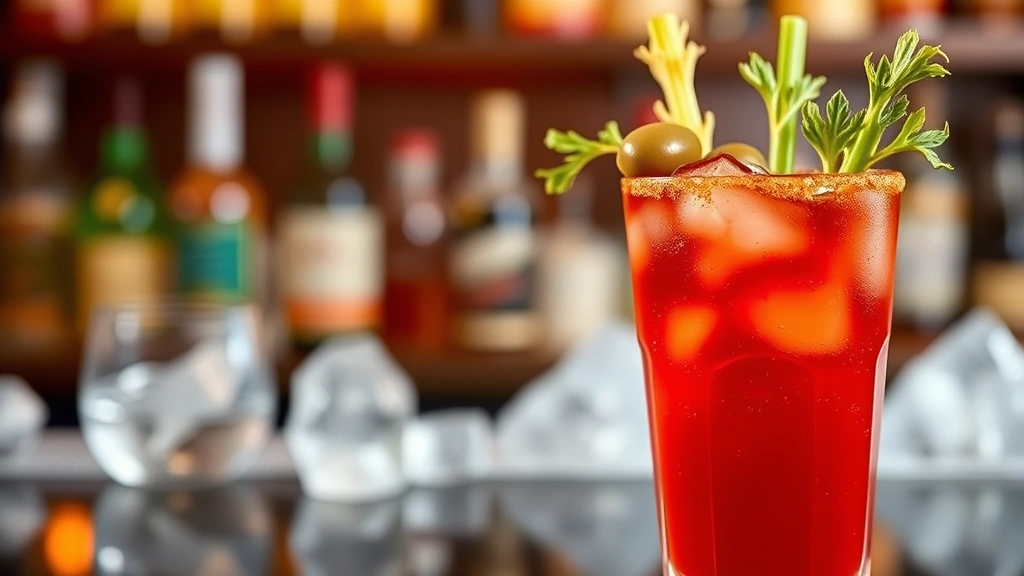
A bloody caesar recipe is the crown jewel of Canadian cocktails, and honestly, once you master it, you’ll understand why this drink has cult status north of the border. Unlike its American cousin the Bloody Mary, the Caesar swaps out tomato juice for Clamato—a tangy blend of clam and tomato that creates something entirely different and absolutely addictive. Whether you’re hosting brunch, tailgating, or just want to impress your friends with bartending skills, this guide walks you through everything you need to know.
Table of Contents
What Makes a Caesar Different
The bloody caesar recipe originated in Canada during the 1970s, and it’s become so iconic that you’ll find it on nearly every brunch menu from Vancouver to Toronto. The secret weapon? Clamato juice. This ingredient gives the Caesar its distinctive savory, umami-forward profile that sets it apart from the tomato-based Bloody Mary. When you’re making this drink at home, you’re not just mixing ingredients—you’re building layers of flavor that make each sip interesting.
The drink’s popularity exploded because it hits different flavor notes than traditional cocktails. The clam juice adds brininess, the tomato provides acidity, and the spices create warmth. It’s like a savory soup in a glass, which is exactly why Canadians have adopted it as their national cocktail. Bartenders take pride in their Caesar recipes, and home bartenders should too.
Essential Ingredients Breakdown
Let’s talk about what goes into a proper bloody caesar recipe. You’ll need quality vodka as your base spirit—this is non-negotiable. Clamato juice is your foundation, and you can’t skip it or substitute tomato juice without fundamentally changing the drink. Worcestershire sauce adds depth and complexity, hot sauce brings heat, and fresh lime juice provides brightness. The rim seasoning is crucial too; it’s not just decoration—it’s part of the flavor experience.
Beyond the basics, you’ll want fresh celery, olives, and possibly bacon or shrimp for garnish. Some people add a splash of horseradish for extra kick, while others incorporate hot pepper sauce or even clam juice concentrate for intensity. The beauty of this drink is that it’s customizable, but you need to understand the foundation first. Think of it like woodworking—you can’t build fancy joints until you master basic cuts.
The Classic Recipe Steps
Here’s the straightforward bloody caesar recipe that works every time. Start by preparing your glass: fill it with ice, then rim it with a celery salt and spice mixture. This is your workspace, so get it right. Pour 1.5 ounces of vodka over the ice, then add 4-5 ounces of Clamato juice. Add half an ounce of fresh lime juice—bottled won’t cut it here. Include a quarter teaspoon of Worcestershire sauce and a dash of hot sauce (Tabasco or similar). Stir everything together gently but thoroughly.
The key is balance. You’re not trying to make a spicy drink or a sweet drink; you’re creating harmony between the vodka, the Clamato, and the seasonings. Taste as you go. Top with ice if needed, then add your garnish. The whole process takes maybe three minutes, but those minutes matter. Don’t rush it. When you’re working with fresh ingredients like you would with homemade apple sauce, precision pays off.
Mastering the Rimmed Glass
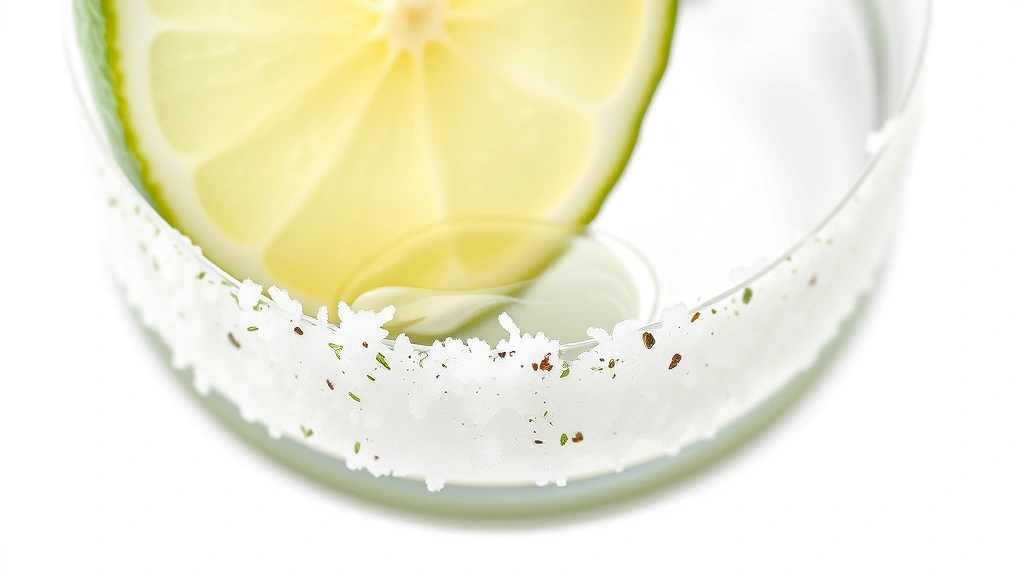
The rim is where amateurs stumble and pros shine. You need a proper technique to make it stick and taste good. Start with a shallow dish containing your rim mixture—typically celery salt, black pepper, paprika, and sometimes cayenne pepper. Create another shallow dish with lime juice or water. Wet the rim of your glass by running a lime wedge around it, then dip the glass into your seasoning mix at a slight angle, rotating slowly. You want full coverage on the outside edge, not clumpy buildup.
Pro tip: chill your glass beforehand. A cold rim holds the seasoning better and keeps your drink colder longer. Some bartenders use a combination of kosher salt and celery powder for texture, while others add dried herbs. The rim shouldn’t be overwhelming—it’s meant to complement each sip, not dominate it. Think of it as the frame for a painting; it should enhance, not distract.
Choosing Your Vodka
Your vodka choice matters more than most people realize. You’re not looking for the most expensive bottle on the shelf, but you do want something smooth and clean. Mid-range vodkas like Svedka, Tito’s, or Ketel One work beautifully. Avoid the bottom-shelf stuff that tastes like rubbing alcohol—it’ll ruin your drink. Canadian vodkas like Polar Ice or Smirnoff are traditional choices that honor the drink’s heritage.
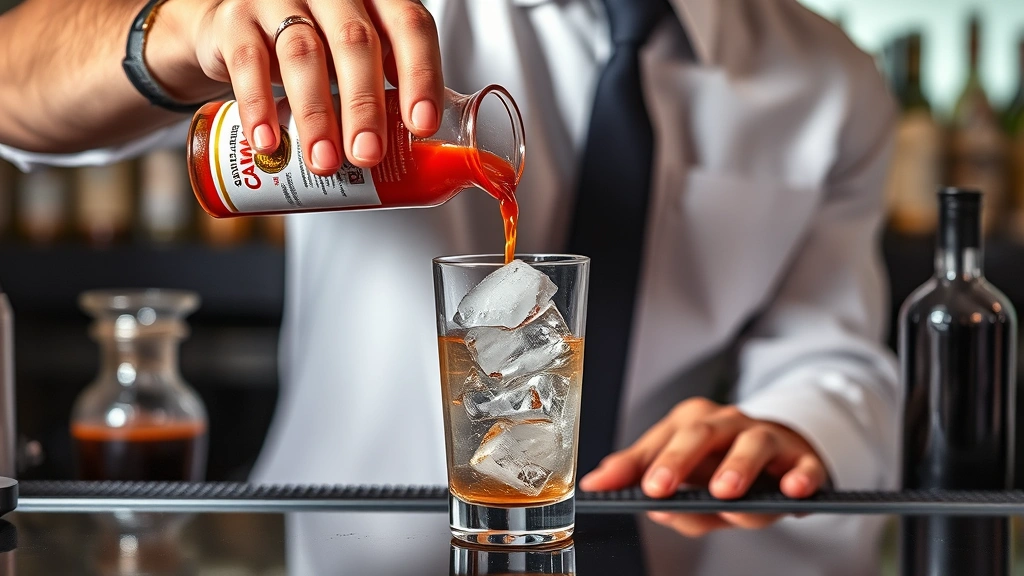
The reason vodka selection matters is that it’s the backbone of your bloody caesar recipe. A harsh vodka will make the drink taste harsh, no matter how perfect your other ingredients are. It’s like using cheap wood for a furniture project—the flaws show immediately. Spend a little extra and taste the difference. Some bartenders even chill their vodka in the freezer before mixing, which adds a silky texture to the final drink.
Creative Flavor Variations
Once you’ve mastered the classic, you can start experimenting. A spicy caesar adds extra hot sauce, fresh jalapeños, and sometimes sriracha. A bacon caesar includes crispy bacon as both garnish and flavor element—the smoky notes complement the briny Clamato beautifully. A seafood caesar tops the drink with shrimp or smoked salmon, turning it into a light meal. Some bartenders make a pickle juice caesar by adding a splash of dill pickle juice for extra tang.
You can also play with garnishes. Instead of celery, try cucumber ribbons, pickle spears, or even grilled shrimp. Some creative bartenders add a squeeze of clam juice concentrate for intensity, similar to how you’d reduce gravy for deeper flavor. The variations are endless once you understand the core formula. Just remember: each addition should enhance the drink, not overshadow it.
Batch Prep for Crowds
Making individual caesars is fine for two people, but when you’re hosting brunch for eight or ten, batching saves your sanity. Mix your base ahead of time: combine vodka, Clamato juice, lime juice, Worcestershire sauce, and hot sauce in a large pitcher. The ratio stays the same—just multiply your ingredients by the number of drinks. Keep this in the fridge until guests arrive. When people want a drink, you just pour from the pitcher into a rimmed glass with ice and add garnish.
The beauty of batch preparation is that you can taste and adjust once, then serve consistently. If your batch is too strong, add more Clamato. Too mild, add more hot sauce or Worcestershire. You’re essentially pre-mixing everything except the ice and garnish, which keeps you from being stuck behind the bar all morning. It’s efficient, professional, and lets you actually enjoy time with your guests.
Garnish Like a Pro
Garnishing isn’t just about looks—it’s functional and delicious. A crisp celery stalk serves as a stirrer and snack. Olives add saltiness and tradition. Fresh lime wedges let guests adjust tartness. But here’s where you can get creative: bacon strips add smokiness, shrimp brings seafood flavor, and pickled vegetables add crunch and tang. Some people add a whole jalapeño for heat, others a lemon wheel for brightness.
The key is balance and presentation. Your garnish should be visible and appetizing, not piled haphazardly on top. Lean a celery stalk against one side of the glass, thread olives on a cocktail pick, and let the drink’s color show through. When you’re preparing ingredients with care, like properly steaming vegetables, that attention to detail shows in the final presentation. A well-garnished Caesar looks like something you paid for at a fancy brunch spot.
Frequently Asked Questions
Can I make a bloody caesar recipe without Clamato juice?
Technically yes, but you won’t have a Caesar—you’ll have a Bloody Mary. Clamato is essential to the drink’s identity. If you can’t find it, order it online rather than substituting. The clam juice is what makes this drink distinctly Canadian and special.
What’s the best hot sauce for a Caesar?
Tabasco is traditional and works perfectly, but many bartenders prefer Frank’s RedHot for a slightly different flavor profile. Experiment and find what you like. The heat should enhance, not overpower.
Should I use fresh lime or bottled lime juice?
Always fresh. Bottled lime juice tastes stale and metallic. Fresh limes are cheap and take thirty seconds to juice. It makes a noticeable difference in your bloody caesar recipe.
Can I prep Caesars the night before?
You can prep the base mixture, but don’t add ice until serving. Ice dilutes the drink as it melts, so fresh ice at serving time is crucial. Mix your batch base and store it covered in the fridge for up to twenty-four hours.
What’s the ideal serving temperature?
Cold. Use fresh ice, chill your glass beforehand, and serve immediately. A Caesar that sits at room temperature loses its appeal fast. The coldness is part of the experience.
Is a Caesar considered a healthy drink?
It’s certainly better than a sugary cocktail, thanks to the vegetable-based Clamato and fresh ingredients. But it’s still a cocktail with vodka, so moderation applies. The celery and lime provide some nutritional value, and it’s definitely more interesting than straight spirits.
Mastering Your Bloody Caesar Recipe
A proper bloody caesar recipe is achievable at home with practice and attention to detail. Start with quality ingredients, nail your technique, and don’t overthink it. The drink is forgiving enough to experiment with but structured enough that basics matter. Whether you’re making one for yourself or a pitcher for friends, the process is the same: build it thoughtfully, taste as you go, and serve it cold with pride.
The Canadian Caesar has earned its reputation as a sophisticated, savory cocktail that works for brunch, lunch, or casual entertaining. Once you’ve made a few, you’ll develop your own preferences and variations. Maybe you’ll prefer extra spice, or maybe you’ll discover that a touch of horseradish is your secret weapon. That’s the beauty of mastering a recipe—you understand it well enough to make it your own. Now get mixing, and enjoy every sip of your homemade creation.
For more culinary inspiration and technique guides, check out how to select perfect ingredients like ripe pineapples, which teaches the same attention to quality that elevates your cocktails. The principles of good cooking and good bartending are surprisingly similar.


