
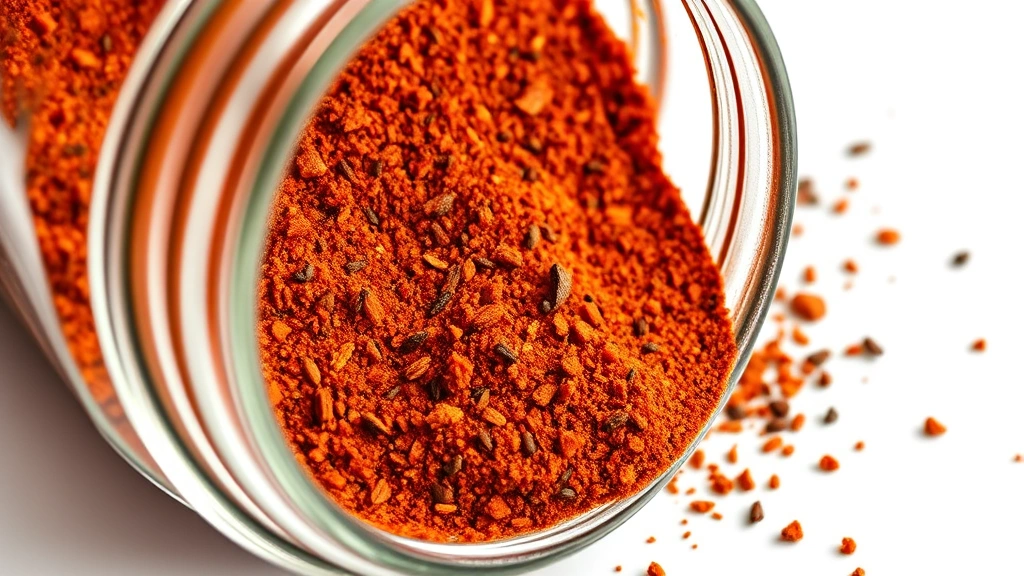
A blackened seasoning recipe is your ticket to restaurant-quality flavor in your own kitchen—and you can mix up a batch in just five minutes with ingredients you probably already have on hand. I’ve been using homemade blackened seasoning for years instead of buying those overpriced packets, and honestly, it tastes better and costs a fraction of the price. Let me walk you through exactly how to make it, store it, and use it like a pro.
Table of Contents
What is Blackened Seasoning?
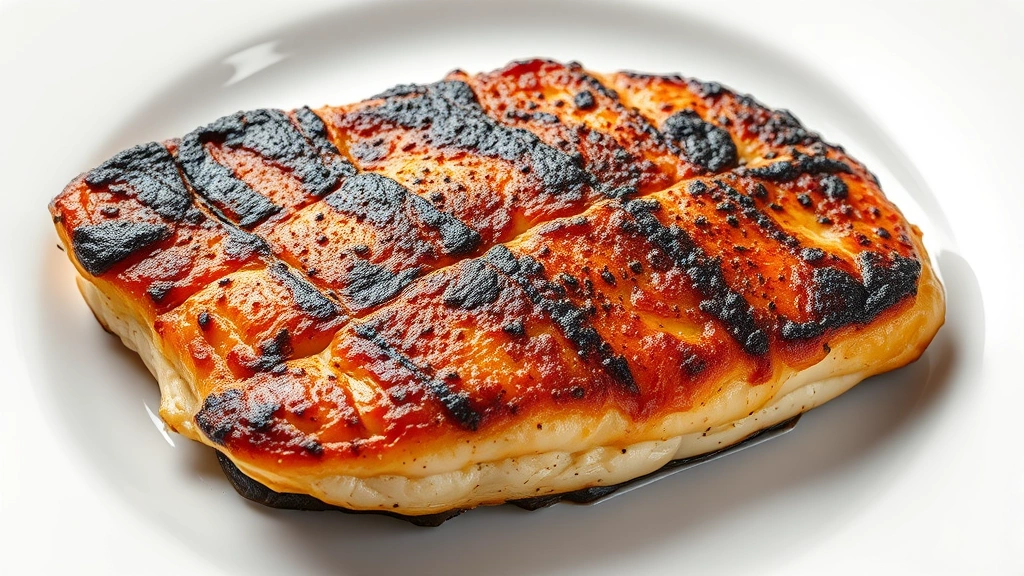
Blackened seasoning is a bold, smoky spice blend that originated in New Orleans Creole cooking. The name comes from the cooking technique where you coat food heavily with the spice mix and sear it in a smoking-hot cast iron skillet until the spices char and caramelize on the surface. That charred crust is where the magic happens—it creates a crispy, flavorful exterior while keeping the inside tender and juicy.
The beauty of this blend is its versatility. It works on fish, chicken, beef, pork, shrimp, vegetables, and even tofu. I’ve sprinkled it on eggs, popcorn, and roasted chickpeas. Once you have a jar of homemade blackened seasoning in your pantry, you’ll find yourself reaching for it constantly.
Ingredients Breakdown
Here’s what goes into a proper blackened seasoning recipe, and why each ingredient matters:
Paprika (2 tablespoons): This is your base. Paprika gives the seasoning its characteristic color and a subtle sweetness. Use regular paprika, not smoked (unless you want extra smokiness).
Garlic Powder (1.5 tablespoons): Dried garlic is essential for depth. Fresh garlic would add moisture and spoil quickly, so stick with the powder.
Onion Powder (1.5 tablespoons): Works alongside garlic to build savory umami flavor. These two together create the aromatic backbone.
Cayenne Pepper (1-2 teaspoons): This brings the heat. Start with 1 teaspoon if you’re sensitive to spice, then adjust up. Cayenne is what gives blackened seasoning its signature kick.
Black Pepper (1 tablespoon): Fresh-cracked black pepper adds pungency and complexity. Don’t use pre-ground if you can help it—crack it fresh for better flavor.
Dried Thyme (1 teaspoon): Thyme adds an earthy, herbaceous note that ties everything together. It’s subtle but crucial.
Dried Oregano (1 teaspoon): Another herb that brings Mediterranean warmth and helps balance the heat from the cayenne.
Salt (1 teaspoon): Use kosher salt or sea salt. This enhances all the other flavors and helps the spices adhere to food.
Basic Recipe & Measurements
Here’s the exact formula I use every time:
- 2 tablespoons paprika
- 1.5 tablespoons garlic powder
- 1.5 tablespoons onion powder
- 1 tablespoon black pepper (freshly cracked if possible)
- 1-2 teaspoons cayenne pepper
- 1 teaspoon dried thyme
- 1 teaspoon dried oregano
- 1 teaspoon kosher salt
This makes about ¼ cup of seasoning, which is enough for 8-10 servings of protein. If you want to make a larger batch, just double or triple the recipe and store it in an airtight container.
Mixing Method
This is where people overcomplicate things. You don’t need special equipment:
Step 1: Grab a small bowl or jar. I usually use a mason jar because I’m about to store it anyway.

Step 2: Pour in all your dry ingredients. Start with the paprika, then add the garlic powder, onion powder, black pepper, cayenne, thyme, oregano, and salt.
Step 3: Stir vigorously with a fork for about 30 seconds, breaking up any clumps. If you’re using a jar with a lid, just close it and shake for 15-20 seconds. That’s it.
Step 4: Make sure the color is consistent throughout—you shouldn’t see any white streaks from the garlic or onion powder. If the blend looks uneven, shake or stir again for a few more seconds.
The whole process takes less than five minutes. No special equipment, no mess, no excuses.
Storage & Shelf Life
Store your blackened seasoning recipe in an airtight container—a mason jar, spice jar, or even a sealed plastic container works fine. Keep it in a cool, dark, dry place. Your pantry is perfect. Your spice rack next to the stove? Not ideal, because heat and light degrade the spices faster.
Properly stored, homemade blackened seasoning stays fresh and flavorful for about 6-8 months. After that, the spices start losing potency. You’ll notice the flavor becoming muted, so you might need to use more of it. As long as it smells aromatic when you open the jar, it’s still good to use.
Label your jar with the date you made it. I use a piece of masking tape and a marker. Sounds simple, but it saves you from guessing later.
Using Your Blackened Seasoning
Now for the fun part—actually using this stuff. The classic method is the searing technique I mentioned earlier. Heat your cast iron skillet until it’s smoking hot (literally smoking). Pat your protein dry, coat it generously with the seasoning blend, then sear it for 2-3 minutes per side until a dark, crusty crust forms.
But you don’t have to use the traditional blackening method. You can:
- Sprinkle it on grilled fish or chicken
- Mix it into ground beef for burgers
- Dust roasted vegetables with it
- Stir it into mayonnaise for a spicy sandwich spread
- Season popcorn with it
- Add it to soups and stews
- Use it as a rim for cocktails
For the classic butterfly chicken breast how to preparation, coat your butterflied chicken with this seasoning and blacken it in a screaming hot skillet. The thin, butterflied cut cooks quickly and gets maximum crust.
Flavor Variations
Once you master the basic blackened seasoning recipe, you can customize it. Here are my favorite tweaks:
Smoky Version: Replace regular paprika with smoked paprika. Add ½ teaspoon of smoked salt if you have it. This version tastes like it came from a professional kitchen.
Extra Heat: Add another teaspoon of cayenne pepper, or include ½ teaspoon of habanero powder for a different kind of heat.
Herbaceous Version: Increase the thyme to 1.5 teaspoons and add ½ teaspoon of dried basil or marjoram. This works beautifully on vegetables.
Citrus Kick: Add 1 teaspoon of dried lemon zest or lime zest powder. It brightens everything up, especially on seafood.
Cajun Version: Add ½ teaspoon of ground mustard seed and ½ teaspoon of celery seed for a more traditional Cajun flavor profile.
Common Mistakes
I’ve made these mistakes so you don’t have to:
Using Stale Spices: Old paprika and cayenne lose their punch. Buy fresh spices, especially if you’re making this for the first time. Check the dates on your spice jars.
Not Mixing Thoroughly: If you just stir once and call it done, you’ll get uneven distribution. Take the extra 30 seconds to really mix it. You want consistent color and flavor in every pinch.
Using Too Much Moisture: Don’t add water or oil to the dry mix. This is a dry spice blend. If you want a paste for marinating, mix the seasoning with oil separately right before using it.
Storing in the Wrong Place: Don’t keep it above your stove or in direct sunlight. Heat and light destroy the volatile oils in spices. A dark pantry shelf is your friend.
Skipping the Salt: Some people try to make a salt-free version. The salt isn’t just for flavor—it helps the spices stick to food and enhances all the other flavors. Don’t skip it.
If you’re looking for other bold seasoning applications, check out this birria sauce recipe which uses complementary spice profiles, or explore how to make ramen in the microwave for quick meals that benefit from bold seasonings.
Frequently Asked Questions
Can I make blackened seasoning without cayenne pepper?
You can, but it won’t have the signature kick that makes blackened seasoning distinctive. If you’re heat-sensitive, use just ½ teaspoon of cayenne instead of omitting it entirely. You could also substitute it with a mild chili powder for flavor without as much heat.
How much blackened seasoning should I use per serving?
For the traditional blackening method, use about 1-1.5 teaspoons per protein portion (4-6 ounces). For lighter applications like sprinkling on roasted vegetables, use ½-¾ teaspoon. Start with less and add more—you can always use more, but you can’t take it out once it’s on.
Can I use this seasoning on vegetables?
Absolutely. Toss zucchini, bell peppers, or asparagus with a little olive oil and this seasoning, then roast at 425°F for 12-15 minutes. The seasoning caramelizes beautifully on vegetables.
Is blackened seasoning the same as Cajun seasoning?
They’re similar but not identical. Cajun seasoning typically has more salt and cayenne, while blackened seasoning is more balanced and herb-forward. There’s overlap, but blackened is its own thing.
Can I make this in bulk and give it as gifts?
Yes! Make a big batch, divide it into small jars, add a cute label, and boom—you’ve got homemade gifts that cost almost nothing but look thoughtful. Include a card with usage suggestions.
What if my blackened seasoning gets clumpy?
Moisture is the enemy. If it clumps, add a few grains of uncooked rice to the jar—the rice absorbs moisture. Or spread the seasoning on a baking sheet, let it dry completely at room temperature, then re-mix and store it again.
Bottom line: Making your own blackened seasoning recipe takes five minutes and costs pennies compared to store-bought versions. You control the heat level, you know exactly what’s in it, and it tastes noticeably better. Once you make a batch, you’ll wonder why you ever bought those overpriced packets. Mix up a jar this week and start using it on everything.


