
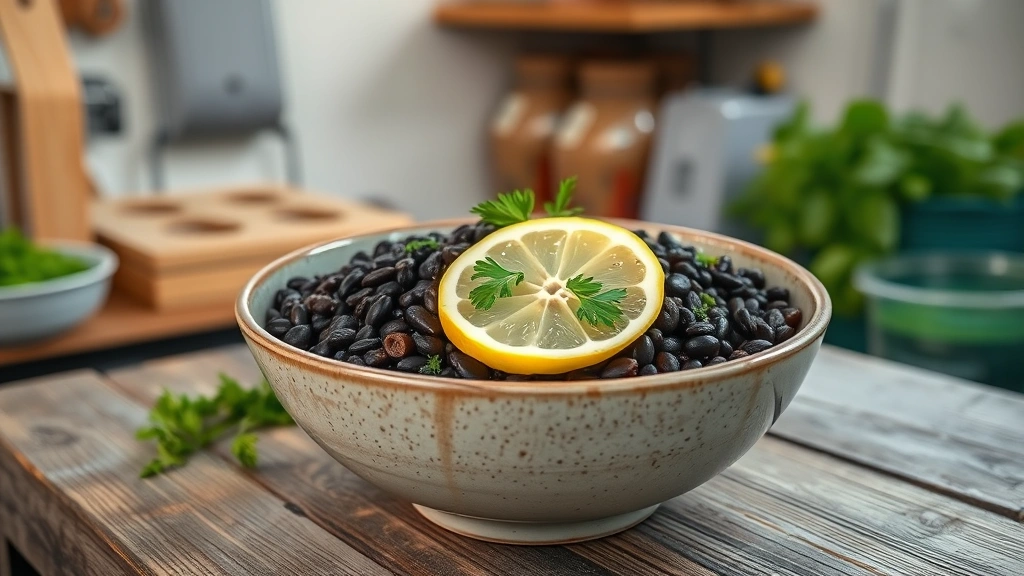
A black lentil recipe is your ticket to creating restaurant-quality dishes at home without the fuss. Whether you’re a seasoned cook or just getting started in the kitchen, black lentils—also called beluga lentils—deliver consistent, delicious results every single time. These little powerhouses are packed with protein, fiber, and nutrients, making them perfect for weeknight dinners, meal prep, or impressing guests. Let me walk you through everything you need to know to master black lentil cooking.
Table of Contents
Why Black Lentils Matter
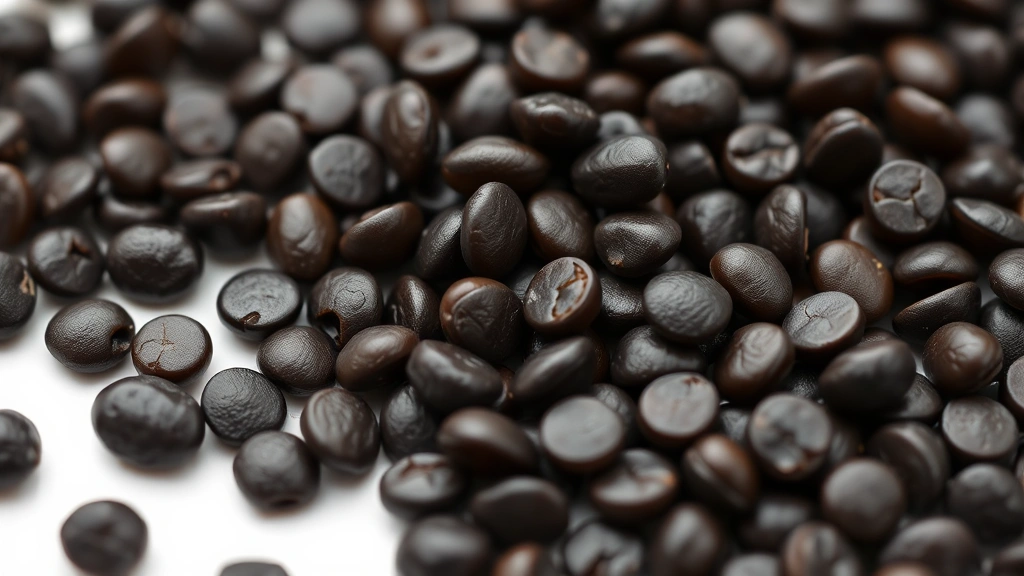
Black lentils stand apart from their red and green cousins for one critical reason: they hold their shape. While red lentils dissolve into mush and green lentils can get mushy, black lentils maintain a firm texture even after proper cooking. This makes them ideal for salads, grain bowls, and dishes where you want individual lentil integrity. They’re also slightly earthier and nuttier than other varieties, adding depth to any dish. The nutritional profile is stellar too—about 9 grams of protein per cooked cup, plus substantial fiber content that keeps you satisfied longer.
Selecting and Storing Properly
When shopping for black lentils, look for packages labeled “beluga lentils” or “black lentils.” Check the packaging date if available—fresher is always better. Dried lentils don’t go bad, but older ones take longer to cook. Store your lentils in an airtight container in a cool, dark pantry away from heat and moisture. A glass jar works perfectly and lets you see when you’re running low. Properly stored lentils stay fresh for up to a year, though they cook fastest within the first six months. Before cooking, spread your lentils on a plate and pick through them quickly to remove any small stones or debris.
Prep Work Essentials
Here’s where many home cooks skip steps and regret it. Rinse your black lentils thoroughly under cold running water, stirring them gently with your fingers. This removes dust and debris that can affect flavor. Don’t skip this—it takes 30 seconds and makes a noticeable difference. You don’t need to soak black lentils like you might with larger beans, which saves time. Have your aromatics prepped and ready: minced garlic, diced onions, and any herbs you’re using. This mise en place approach means you’re not scrambling once cooking begins. If you’re using garlic from your garden, make sure it’s properly minced for even cooking.
Cooking Methods Explained
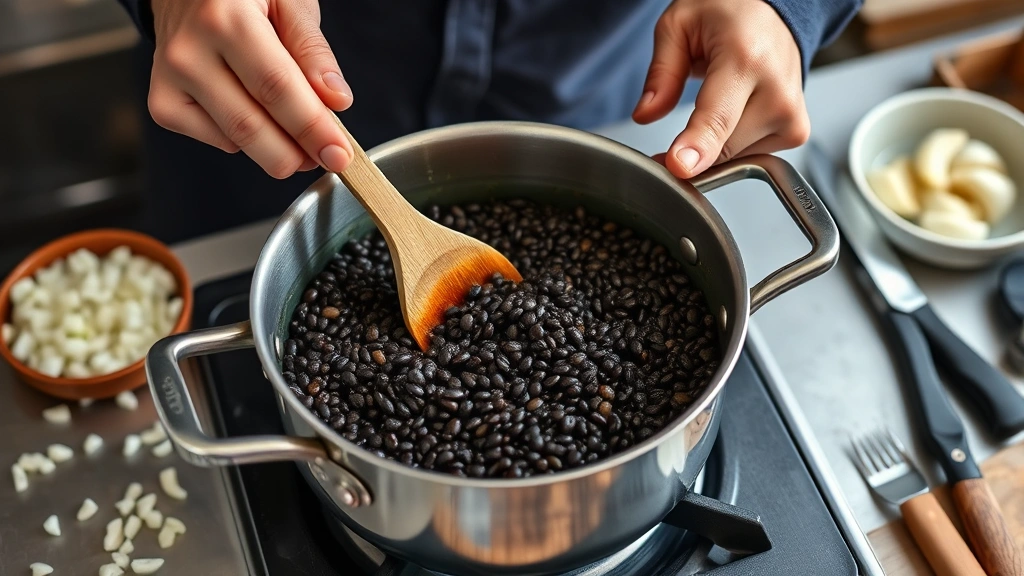
The stovetop method is most common and gives you the most control. Bring 3 cups of water or broth to a boil for every 1 cup of lentils. Add your rinsed lentils and reduce heat to a gentle simmer. Cook for 20-25 minutes, stirring occasionally. The lentils are done when they’re tender but still hold their shape—you should be able to pierce one with a fork without it falling apart. Taste as you go; every stovetop is different.
For the Instant Pot method, use a 1:1.5 ratio of lentils to liquid. Add lentils and liquid to the pot, seal, and cook on high pressure for 10 minutes. Let pressure release naturally for 5 minutes, then quick release any remaining pressure. This method is faster and uses less liquid, which concentrates flavors beautifully.
The slow cooker approach works when you’re planning ahead. Add 1 cup lentils to 3 cups liquid, cover, and cook on low for 6-8 hours. This method is forgiving and develops deeper flavors as everything mingles slowly. Perfect for when you’re busy with other kitchen projects.
Building Flavor Foundations
Don’t cook black lentils in plain water if you can help it. Vegetable or chicken broth adds immediate depth. Heat a tablespoon of olive oil in your pot, add diced onions and minced garlic, and cook for 2-3 minutes until fragrant. This aromatic base is non-negotiable for restaurant-quality results. Add your lentils and broth, then consider your flavor direction. For Mediterranean vibes, add a bay leaf, thyme, and a pinch of cumin. For Indian-inspired dishes, toast some cumin seeds and add ginger and turmeric before the lentils. For summer-friendly preparations, keep it simple with lemon juice and fresh herbs added at the end.
Recipe Variations to Try
The basic black lentil recipe is just your starting point. Create a Mediterranean bowl by topping cooked lentils with roasted vegetables, crumbled feta, and a red wine vinaigrette. Make a warm salad by combining lentils with diced cucumbers, tomatoes, and a lemon-herb dressing while the lentils are still slightly warm—they absorb dressing beautifully this way. For a heartier dish, try an Indian-spiced lentil curry with coconut milk, ginger, and spinach. You can also incorporate them into rice-based dishes for added protein and texture. Some cooks blend cooked lentils into soups for body and creaminess without dairy.
Common Mistakes to Avoid
The biggest mistake is overcooking. Black lentils can go from perfectly tender to mushy in about 5 minutes once they’re done. Start checking at 18 minutes, not 25. Second mistake: cooking in water that’s too salty from the start. Salt toughens lentil skins, so add salt only in the last 5 minutes of cooking. Third: not tasting as you go. Every batch is slightly different based on lentil age and your specific stove. Fourth: adding acidic ingredients too early. Lemon juice and vinegar can prevent lentils from softening, so add these after cooking completes. Finally, don’t crowd the pot with too many lentils relative to liquid—they need room to cook evenly.
Storage and Leftovers
Cooked black lentils keep for 5 days refrigerated in an airtight container. They’re actually better on day two or three as flavors meld. For freezing, portion cooked lentils into ice cube trays or small containers—they freeze beautifully for up to 3 months. Thaw overnight in the refrigerator or reheat directly from frozen on the stovetop with a splash of water. Leftover lentils work wonderfully in grain bowls, soups, salads, or even mixed into protein-rich dinner preparations. You can also blend them into hummus-style dips or mix into burger patties for added nutrition and texture.
Nutritional Powerhouse
Black lentils deserve their reputation as a superfood. One cooked cup contains about 230 calories, 18 grams of protein, and 15 grams of fiber. They’re naturally gluten-free, making them perfect for various dietary needs. The fiber content supports digestive health and keeps you full longer, which is why they’re popular in weight management approaches. They’re also rich in polyphenols, powerful antioxidants that support overall health. The combination of protein and fiber makes them an excellent meat alternative for vegetarian and vegan cooking.
Frequently Asked Questions
How long do black lentils take to cook?
Black lentils typically cook in 20-25 minutes on the stovetop at a gentle simmer. Instant Pot cooking takes about 10 minutes at high pressure plus natural pressure release time. Slow cooker methods take 6-8 hours on low. The exact time depends on lentil age and your specific cooking equipment.
Can you cook black lentils without soaking?
Yes, black lentils don’t require soaking unlike larger beans. Simply rinse them thoroughly and cook directly. Soaking isn’t necessary and doesn’t significantly reduce cooking time, so skip it and save yourself a step.
What’s the best liquid for cooking black lentils?
Vegetable or chicken broth creates the most flavorful results. Water works but lacks depth. Avoid beef broth as it can overpower the delicate lentil flavor. You can also use half broth and half water for a balanced approach.
Why are my black lentils mushy?
Overcooking is the culprit. Check them starting at 18 minutes rather than waiting the full 25. Also, avoid adding salt or acidic ingredients early in cooking, as these can break down the lentil skins and cause mushiness.
Can you make a black lentil recipe ahead?
Absolutely. Cook lentils up to 5 days ahead and refrigerate, or freeze for up to 3 months. They actually taste better after a day or two as flavors develop. Reheat gently on the stovetop with a splash of water or broth.
Are black lentils the same as beluga lentils?
Yes, these names are used interchangeably. Beluga lentils are black lentils—the name comes from their resemblance to beluga caviar. They’re the same product regardless of which name the package uses.
Final Thoughts
Mastering a black lentil recipe opens doors to countless delicious, nutritious meals. Start with the basic stovetop method, nail the fundamentals, then experiment with flavor combinations that excite you. Remember that the best recipe is the one you’ll actually make, so don’t overthink it. Black lentils are forgiving, versatile, and deliver results that taste like you spent hours in the kitchen when you actually spent minutes. Keep dried lentils stocked in your pantry—they’re the ultimate kitchen insurance policy for creating satisfying meals on short notice. Your future self will thank you every time you need a quick, protein-packed dinner solution.


