
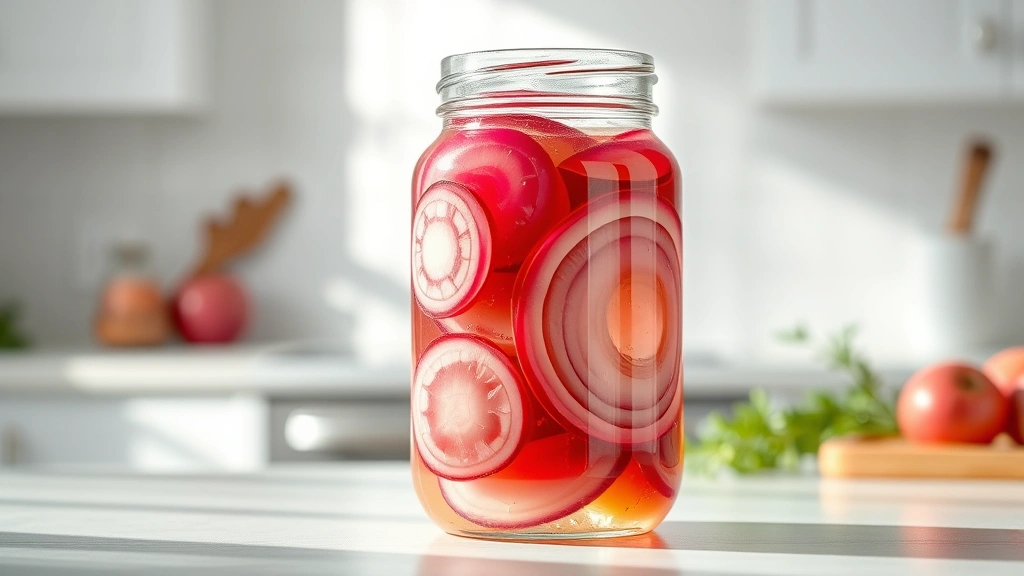
The best pickled onions recipe is one that doesn’t require you to plan three days ahead or spend hours in the kitchen. I’m talking about quick-pickled onions that come together in about ten minutes and taste like you’ve been fermenting them for weeks. These aren’t your grandmother’s canned pickles that require a pressure cooker and a degree in food safety—this is the shortcut version that tastes incredible and actually fits into real life.
Table of Contents
Why Pickle Onions at All
Look, I get it. You’ve got onions sitting in your pantry, and you’re wondering why you’d bother turning them into something else. Here’s the thing: pickled onions are a game-changer. They add brightness, tang, and complexity to dishes that would otherwise be flat. A burger tastes better with them. Tacos become transcendent. That boring bowl of rice and beans? Suddenly it’s restaurant-quality. Plus, they last way longer than raw onions, so you’re actually reducing food waste. This is one of those kitchen moves that seems fancy but is actually just smart cooking.
Ingredients You Need
The beauty of the best pickled onions recipe is that you probably have everything already. Here’s what you need:
- 1 pound red onions (about 4-5 medium onions)
- 1 cup white vinegar or apple cider vinegar
- 1 cup water
- 2 tablespoons sugar
- 1 tablespoon salt
- Optional: 1 teaspoon whole peppercorns, 2-3 cloves garlic, 1 teaspoon red pepper flakes, 1 teaspoon mustard seeds
That’s it. No weird preservatives, no mystery ingredients. The vinegar does the heavy lifting here—it’s your preservation agent and your flavor base. I prefer red onions because they stay vibrant and add visual appeal to everything, but yellow onions work fine if that’s what you’ve got. The optional spices are where you get to play around and make this recipe your own.
Prep Work Matters Most
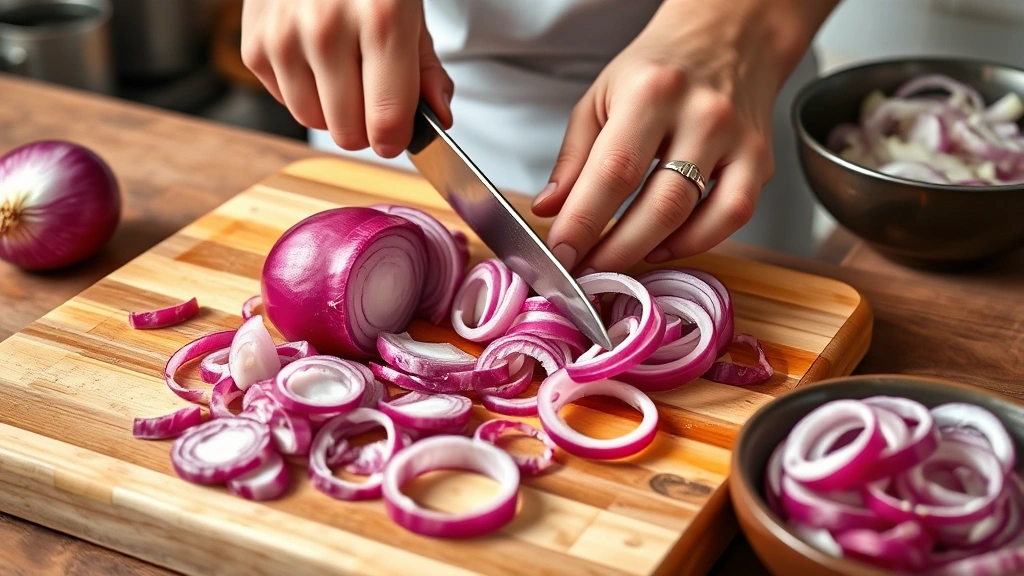
Here’s where most people mess up: they don’t slice their onions thin enough or consistently. You want thin, even slices—about 1/8 inch thick. I use a sharp knife and just take my time. Some people swear by a mandoline, and if you’ve got one, go for it, but be careful with your fingers. The thickness matters because thin slices mean faster pickling and better texture. If you slice them too thick, you’ll end up with chewy onions that taste raw in the middle.
The other critical step is to separate the onion slices into rings. This prevents them from clumping together during the pickling process and ensures even flavor distribution. Toss them into a bowl as you go—don’t stress about perfection, just keep them loose.
The Quick Pickle Method
This is where the magic happens. In a saucepan, combine your vinegar, water, sugar, salt, and any spices you’re using. Bring it to a boil over medium-high heat. You’ll see the sugar dissolve and the whole thing will smell amazing—that’s how you know you’re on the right track.
Once it’s boiling, let it go for about 30 seconds, then pull it off the heat. This step is important because you don’t want to overcook the spices or let the vinegar get too aggressive. Now pour this hot brine directly over your sliced onions. The heat will soften them slightly while the vinegar does its thing.
Let them sit for at least 30 minutes at room temperature before you use them. But here’s the real secret: they get better as they sit. If you can wait a few hours or overnight, they’ll be more tender and the flavors will be more integrated. I usually make a batch in the morning and they’re perfect by dinner.
Flavor Variations to Try
Once you’ve nailed the basic recipe, start experimenting. Add a cinnamon stick and a few cloves for a sweeter, spiced version that works great on pulled pork. Throw in some fresh thyme and a bay leaf for a more herbaceous take. If you like heat, red pepper flakes are your friend. I’ve had success with keeping fresh ingredients fresh by pickling them together—try adding sliced jalapeños or habaneros to the brine for a spicy-tangy combo.
The apple cider vinegar variation is worth trying if you want something slightly softer and fruitier. White vinegar is sharper and more traditional, but cider vinegar brings a rounder flavor that some people prefer. You can also experiment with the sugar level—less sugar for a more sour pickle, more sugar for something closer to a sweet pickle.
Storage and Shelf Life
Store your pickled onions in a glass jar in the refrigerator. They’ll last for about three weeks, though honestly, they’ll be gone long before that if you’re using them right. Make sure the onions stay submerged in the brine—if they’re sticking up above the liquid, they’ll start to oxidize and lose their color.
Pro tip: save the brine after you’ve eaten the onions. You can reuse it one more time with a fresh batch of onions. Just strain out any spices, bring it back to a boil, and repeat the process. The second batch will be slightly less intense, but still delicious and you’re saving ingredients.
Using Pickled Onions Everywhere
This is the fun part. Pickled onions belong on tacos, nachos, burgers, and sandwiches. They’re perfect on top of grilled fish or chicken. Chop them up and add them to grain bowls, salads, or even coleslaw. I’ve put them on pizza, stirred them into deviled eggs, and used them as a topping for avocado toast. They add brightness to heavy, rich dishes and complexity to simple ones.
One of my favorite uses is on top of steamed vegetables to add instant flavor and interest. They also work great as a condiment alongside barbecue or as part of a charcuterie board. The key is understanding that pickled onions are a flavor amplifier—they’re not meant to be eaten by themselves, but rather to make everything else taste better.
Troubleshooting Common Issues
If your onions taste too vinegary, you added too much vinegar or didn’t let them sit long enough to mellow out. Next time, increase the water slightly or add a bit more sugar. If they’re too sweet, reduce the sugar or add a splash more vinegar. The balance is personal preference, so taste as you go.
Onions turning brown or discolored usually means they’ve been sitting too long or weren’t fresh to begin with. Use fresh onions and don’t store them longer than three weeks. If they’re getting mushy, your brine was too hot when you poured it, or you’re letting them sit too long. The texture should be slightly softened but still have a little bite.
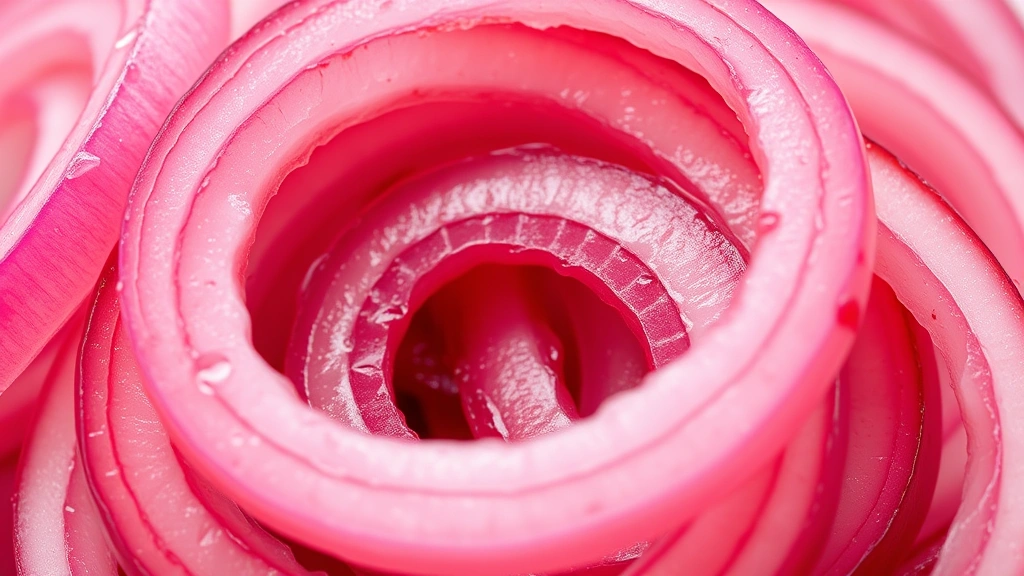
If the brine gets cloudy, that’s usually just sediment or starch from the onions—it’s harmless. You can strain it out if it bothers you, but it won’t affect the taste. Keeping things clean in the kitchen means using sterilized jars, which will help prevent any off-flavors or contamination.
Frequently Asked Questions
How long do pickled onions last?
Refrigerated pickled onions will last about three weeks. The vinegar acts as a preservative, but they’re best consumed within the first two weeks when the flavor and texture are at their peak. Always keep them submerged in brine and store them in a clean glass jar.
Can I use white onions instead of red?
Absolutely. White onions, yellow onions, or even sweet onions like Vidalia all work. Red onions are popular because they look beautiful and have a slightly sweeter flavor, but any onion will pickle successfully. The cooking time might vary slightly depending on the size and thickness of your slices.
Do I need to sterilize the jars?
For short-term refrigerator storage (under three weeks), you don’t need to go through full canning sterilization. Just wash your jars with hot soapy water and rinse well. If you’re planning to store them longer or at room temperature, then yes, you’ll want to sterilize using a boiling water bath.
Can I make these without sugar?
Yes, but the recipe will taste sharper and more intensely vinegary. The sugar balances the acidity and helps the flavors blend together smoothly. If you’re avoiding sugar, try using honey or a sugar substitute, though the flavor profile will be slightly different.
What’s the difference between quick pickles and fermented pickles?
Quick pickles (like this recipe) use vinegar and heat to preserve and flavor the onions immediately. Fermented pickles rely on salt and time to create lactic acid, which preserves them naturally. Quick pickles are ready in minutes; fermented pickles take days or weeks but develop deeper, more complex flavors.
Can I freeze pickled onions?
You can, but the texture will suffer—they’ll become mushy when thawed. The freezing process breaks down the cell structure. Stick with refrigerator storage for the best results. Keeping your kitchen organized means having a good system for storing jars, so consider labeling them with the date you made them.
Final Thoughts
The best pickled onions recipe is the one you’ll actually make. This version is fast, flexible, and produces results that taste like you spent hours in the kitchen. Once you’ve made this once, you’ll find yourself making it regularly—maybe even weekly. Keep a jar in your fridge at all times, and you’ll find yourself reaching for it constantly to add brightness and tang to everything you cook. It’s one of those small kitchen skills that pays dividends every single time you use it.


