
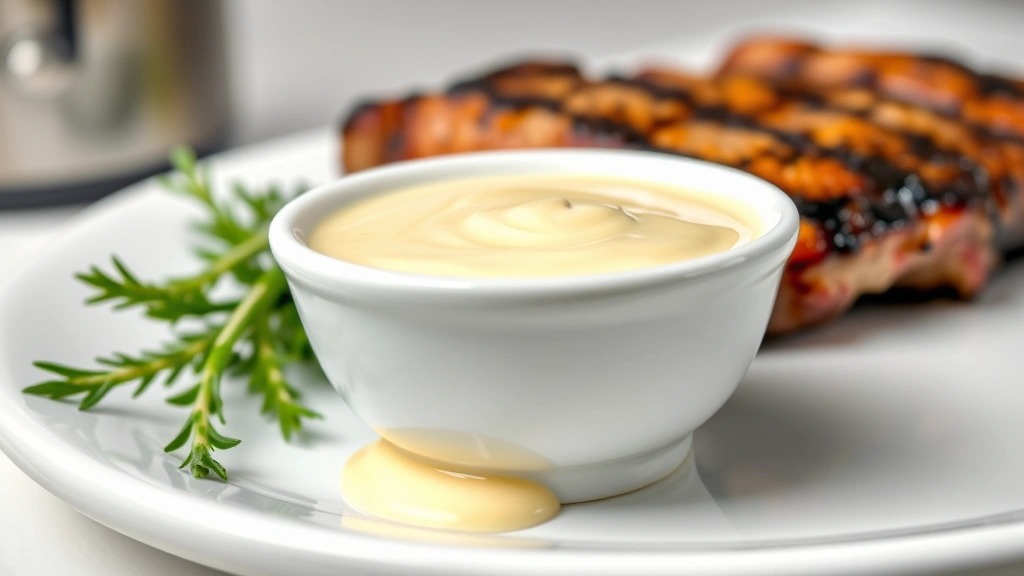
A bearnaise sauce recipe is one of those kitchen skills that separates folks who can cook from folks who really understand what they’re doing in the kitchen. This French classic isn’t some mystical culinary black magic—it’s just butter, egg yolks, vinegar, and a few aromatics coming together in perfect harmony. Once you nail the technique, you’ll be drizzling this stuff over steaks, fish, and vegetables like a seasoned chef.
Table of Contents
What Is Bearnaise Sauce
Bearnaise is a warm emulsion sauce that belongs to the hollandaise family. Think of it as hollandaise’s more sophisticated cousin—same creamy, buttery base, but with a sharp vinegar reduction and tarragon that gives it serious personality. It’s traditionally served with beef, but honestly, it works beautifully with almost any protein you throw at it.
The magic happens when you whisk egg yolks over gentle heat while slowly adding melted butter. The emulsion—that’s the fancy word for when two things that normally wouldn’t mix (fat and water) come together—creates this silky, luxurious sauce that coats the back of a spoon like liquid gold. Get the temperature wrong by even a few degrees, and you’ll end up with scrambled eggs instead of sauce. That’s the real challenge here.
Essential Ingredients You Need
Let’s talk about what actually goes into a proper bearnaise sauce recipe. You don’t need much, which is both a blessing and a curse—there’s nowhere to hide if you use cheap ingredients.
For the reduction base: You’ll need white wine vinegar (3 tablespoons), dry white wine (3 tablespoons), shallots (2 finely minced), and fresh tarragon (1 tablespoon chopped). If you can’t find fresh tarragon, dried works in a pinch, but use only a teaspoon since it’s more concentrated.
For the emulsion: Grab 3 egg yolks (room temperature—this matters), unsalted butter (8 ounces, melted), salt, white pepper, and a squeeze of fresh lemon juice. Some recipes add a splash of water or stock to stabilize things, and that’s smart if you’re nervous.
The quality of your butter makes a real difference. Use good butter. Your taste buds will thank you. Same goes for the eggs—fresh, good-quality eggs emulsify better than old ones sitting in your fridge.
Why Prep Work Matters
Here’s where most people mess up: they jump straight to cooking without prepping. That’s a recipe for disaster. Get everything ready before you start heating anything.
Mince your shallots fine—we’re talking almost paste-like. Chop your fresh tarragon. Measure out your vinegar and wine. Have your egg yolks in a bowl. Melt your butter and keep it warm but not smoking. Get a thermometer if you have one—it’s the difference between success and scrambled eggs.
Set up a double boiler or a heatproof bowl over a pot of simmering water. This indirect heat is crucial. You’re not cooking over direct flame here. The water bath keeps things gentle and forgiving. Fill a bowl with ice water too—you’ll need it if things start getting too warm.
Step-by-Step Cooking Method
Let’s make this happen. Start by combining your vinegar, wine, shallots, and about half the tarragon in a small saucepan. Bring it to a boil, then reduce the heat and let it simmer until you’ve got about 2 tablespoons of liquid left. This concentrates all those flavors into something intense and delicious. Strain out the solids and let the reduction cool slightly.
Pour that reduction into your heatproof bowl and add your egg yolks. Set the bowl over the simmering water—the bottom of the bowl shouldn’t touch the water. Start whisking constantly. This is not a time to get distracted. Whisk for about 2 minutes until the yolks start to thicken and get pale.
Now comes the critical part: adding the butter. Start with just a few drops while whisking constantly. Once it incorporates and the mixture starts to look creamy, you can add the butter in a thin, steady stream. Keep whisking the whole time. This is what creates the emulsion. If you dump all the butter in at once, you’ll break it.
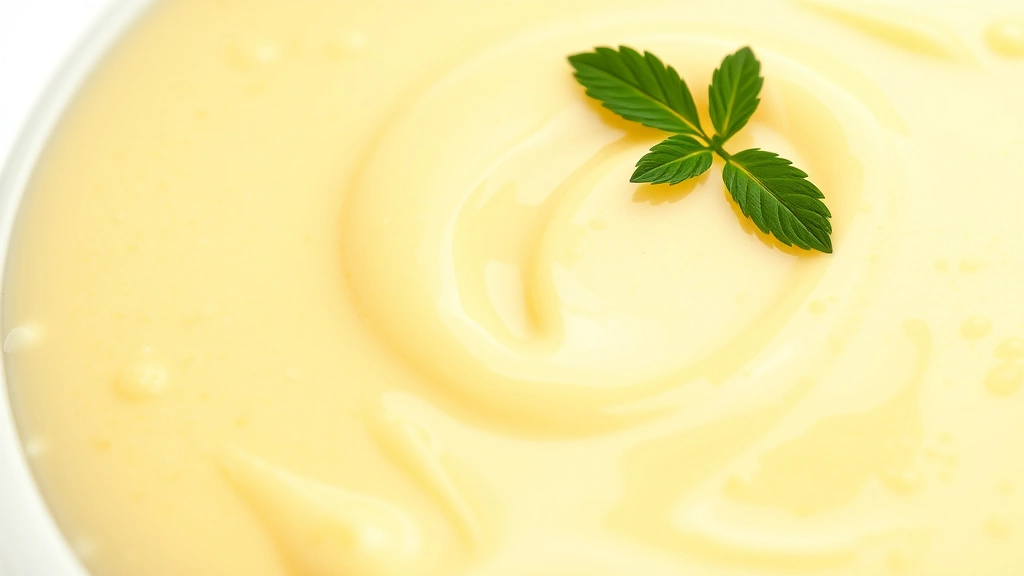
Once all the butter is incorporated, remove from heat. Stir in the remaining fresh tarragon, a pinch of salt, white pepper, and lemon juice to taste. The sauce should be thick, creamy, and spoonable.
Temperature Control Is Everything
This is the real secret to nailing a bearnaise sauce recipe: temperature control. You want the bowl to stay between 160°F and 170°F. Below that, the emulsion won’t form properly. Above 180°F, you’re cooking eggs, not making sauce.
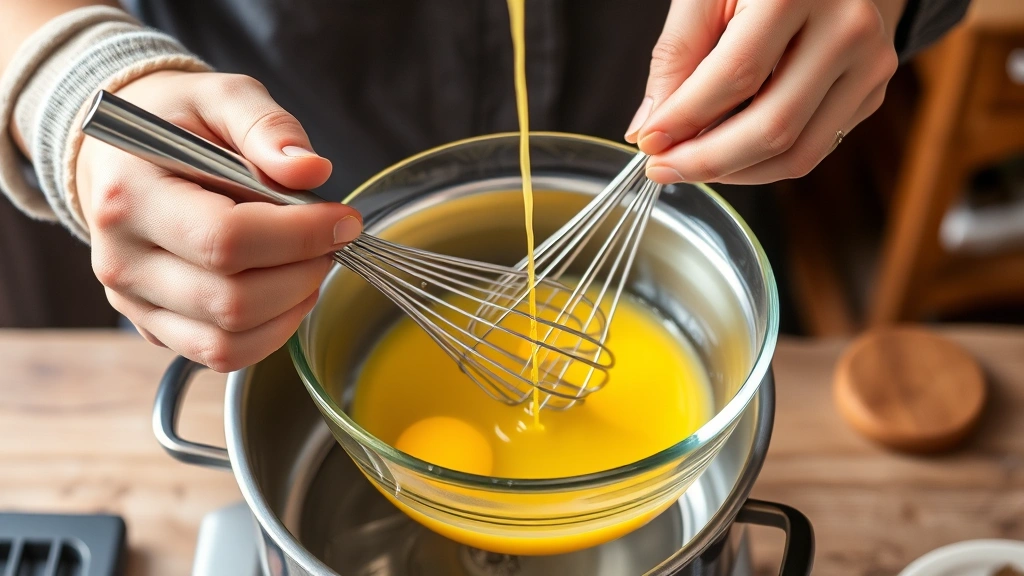
If you don’t have a thermometer, use the touch test. The bowl should be warm to the touch but not so hot you can’t hold your hand on it for a few seconds. If it gets too hot, dip the bottom of the bowl in that ice water bath for a second or two to cool it down.
The whisking action itself generates heat, so sometimes you need to pull the bowl away from the water bath for a moment. It’s a dance. You’re managing heat constantly, and that’s okay. That’s the craft of it.
Fixing a Broken Sauce
Your sauce broke. The butter separated. It looks greasy and sad instead of creamy and luxurious. Don’t panic. This happens to everyone, and it’s fixable.
Start fresh with a clean bowl and one egg yolk at room temperature. Whisk it gently over the water bath until it starts to thicken. Then, very slowly, whisk in your broken sauce, a teaspoon at a time. The fresh egg yolk will re-emulsify everything. It takes patience, but it works.
Alternatively, some folks add a tablespoon of cold water or cream and whisk vigorously off the heat. Sometimes that brings it back. The egg yolk method is more reliable though.
Storage and Serving Tips
Bearnaise is best served immediately while it’s warm and silky. If you need to hold it for a bit, keep it in a warm spot—maybe over a bowl of warm (not hot) water. Don’t let it sit in direct heat or it’ll break.
You can technically make bearnaise a few hours ahead and reheat it gently. Put it in a heatproof bowl over warm water and whisk gently, adding a splash of warm water or stock if it’s gotten too thick. It won’t be quite as perfect as fresh, but it’ll still be delicious.
Don’t refrigerate bearnaise. Once it cools completely, the emulsion breaks down and you’re left with separated, greasy mess. If you’ve got leftovers, use them within a few hours or let them go.
Creative Flavor Variations
Once you’ve mastered the basic bearnaise sauce recipe, start playing with variations. This is where it gets fun.
Choron sauce: Add tomato paste or fresh tomato puree to your finished bearnaise. It’s beautiful, slightly tangy, and works great with fish.
Maltaise sauce: Replace some of the tarragon with orange zest and juice. Sounds weird, tastes amazing with duck or lighter fish.
Mustard bearnaise: Whisk in a tablespoon of Dijon mustard at the end. Perfect with grilled vegetables or beef.
The base technique stays the same. You’re just swapping aromatics and adjusting flavors. Once you understand how the sauce works, you can customize it for whatever you’re cooking.
Common Mistakes to Avoid
Let’s talk about what trips people up. First: cold eggs. Room temperature egg yolks emulsify way better than cold ones. Take them out of the fridge 15 minutes before you start.
Second: too much heat. I can’t stress this enough. Gentle heat over a water bath. Not direct flame. Not a hot stovetop. Water bath. Always.
Third: adding butter too fast. This is the most common reason sauces break. Go slow. Whisking constantly. A thin stream, not a pour.
Fourth: skipping the vinegar reduction. That concentrated reduction is where the flavor lives. Don’t skip it or use the full amount of liquid. Reduce it down.
Fifth: using salted butter. Use unsalted so you control the salt level. Salted butter can throw off your seasoning.
Sixth: walking away while whisking. This sauce demands your attention. Set a timer, clear your schedule, and focus on the task.
Frequently Asked Questions
Can I make bearnaise sauce ahead of time?
You can make it a couple hours ahead and keep it warm over a water bath, but it’s best served fresh. The emulsion can break down if held too long. If you need to reheat it, do so gently over warm water, whisking in a splash of warm stock if needed. Don’t refrigerate it—the emulsion won’t recover.
What’s the difference between bearnaise and hollandaise?
Hollandaise is simpler—just egg yolks, butter, lemon juice, and maybe cayenne. Bearnaise adds a vinegar-wine reduction with shallots and tarragon, giving it more complex flavor and a slightly sharper edge. Bearnaise is more assertive; hollandaise is more delicate.
Why did my bearnaise break?
Temperature is the usual culprit. If it got too hot, the eggs started cooking instead of emulsifying. Too cold, and the emulsion won’t form. You also might’ve added butter too fast. The fix: start with a fresh egg yolk and slowly whisk in your broken sauce.
Can I use a blender or food processor?
Some people do, and it works if you’re careful. The blender method is more forgiving—you can add butter faster. But you lose some of the control, and the sauce can break just as easily if you’re not paying attention. The traditional whisking method gives you better feel for what’s happening.
What if I don’t have fresh tarragon?
Dried tarragon works, but use only a teaspoon instead of a tablespoon since it’s more concentrated. Or substitute with fresh chervil or parsley, though the flavor won’t be quite the same. Tarragon really is the classic choice for a reason—its anise-like flavor is what makes bearnaise special.
How long does bearnaise last?
Use it within a couple hours of making it. Don’t refrigerate—cold temperatures break the emulsion. If you have leftovers, you can try reheating gently, but honestly, it’s worth just making fresh sauce each time. It takes 15 minutes.
Can I freeze bearnaise sauce?
Not really. Freezing breaks emulsions. You’d end up with separated, greasy mess when you thawed it. Make it fresh when you need it. It’s quick enough that freezing isn’t worth the hassle.


