
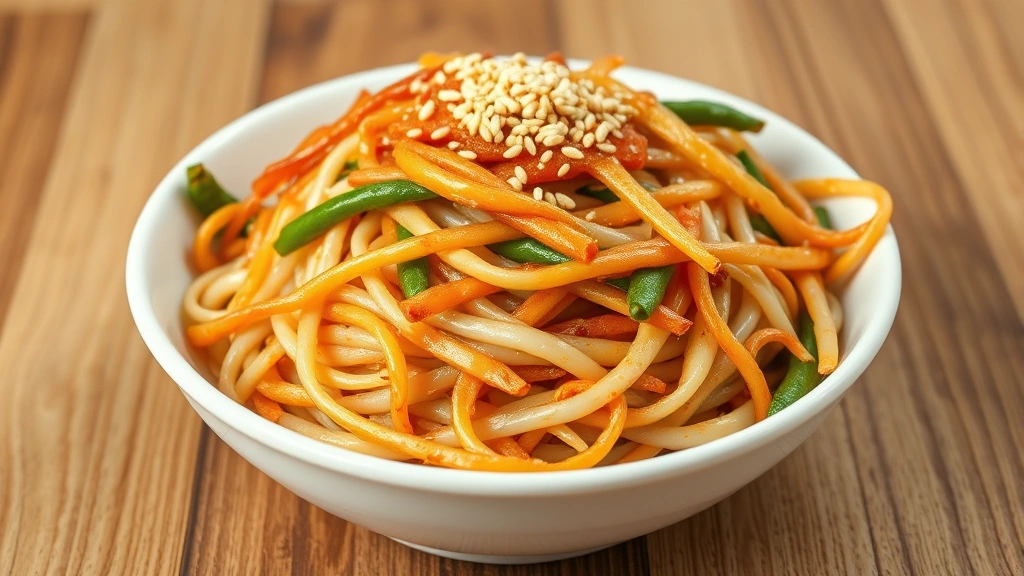
A bean sprouts recipe doesn’t need to be complicated—these little nutritional powerhouses cook faster than you’d think and transform into something genuinely delicious in minutes. Whether you’re stir-frying, steaming, or tossing them raw into a salad, bean sprouts bring crunch, freshness, and serious health benefits to your kitchen. I’ve spent years experimenting with different cooking methods, and I’m here to share the five fastest, easiest ways to get them on your plate.
Table of Contents
Why Bean Sprouts Matter
Bean sprouts are basically edible multivitamins. They’re loaded with vitamins C and K, fiber, and protein while staying incredibly low in calories. The best part? They’re ready to eat in under five minutes most of the time. I started using them regularly when I realized how much nutrition I could pack into a meal without spending an hour cooking. Unlike some vegetables that lose their nutritional punch when heated, sprouts maintain most of their benefits whether you cook them or eat them raw.
The texture is what hooks most people though. That satisfying crunch adds interest to bland dishes and makes even simple meals feel restaurant-quality. When you nail the cooking technique, they stay crisp on the outside while warming through on the inside.
Selecting and Storing Fresh Sprouts
Start with quality sprouts and you’re halfway to success. Look for firm, white or pale green sprouts with intact tails—avoid anything that looks brown, slimy, or smells off. Fresh sprouts should smell clean and slightly earthy, nothing funky. Buy them as close to cooking day as possible since they deteriorate quickly.
Store them in the coldest part of your fridge, ideally in a breathable container or paper towel-lined bag rather than a sealed plastic box. Moisture is the enemy here—it causes rot. I keep mine in a perforated produce bag and they’ll last about four to five days. If you’re not using them within three days, just freeze them for later cooking (though texture changes slightly, so use frozen sprouts in cooked dishes, not raw).
Stir-Fry Method for Maximum Flavor
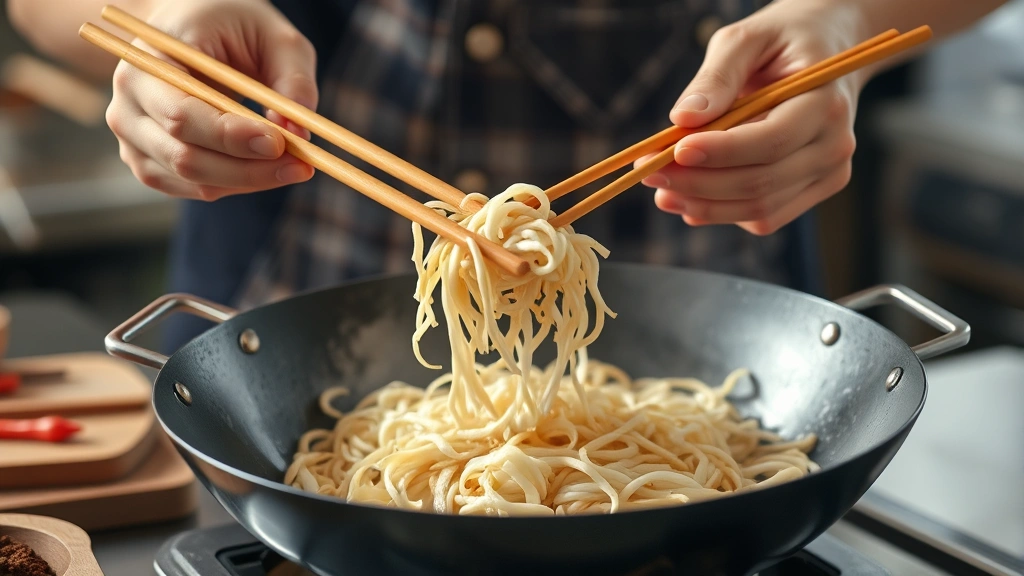
This is my go-to technique when I want serious flavor. Heat a wok or large skillet over high heat, add two tablespoons of oil (sesame oil works beautifully), and let it get smoking hot. Toss in minced garlic and ginger for about 30 seconds—don’t skip this step, it’s where the magic happens. Then dump in your bean sprouts and keep moving them around constantly. This whole process takes exactly three minutes.
The high heat creates slight browning on some sprouts while keeping others crisp. Season with salt and a pinch of white pepper as you’re cooking. The constant motion prevents them from steaming and losing that crucial texture. If you want to add protein, throw in some diced chicken or shrimp before the sprouts, or add cashews or peanuts at the end for crunch.
This method works particularly well because the dry heat of the wok keeps moisture from building up. Unlike steaming or boiling, stir-frying preserves that fresh, snappy quality that makes bean sprouts special. I often add a splash of soy sauce or oyster sauce in the final 20 seconds for depth.
Quick Steam Technique
If you want the absolute fastest method, steaming is your answer. Bring water to a boil in a pot with a steamer basket, add your sprouts, and steam for exactly two minutes. That’s it. No stirring, no attention required. The timing is crucial though—go past three minutes and they start getting soft and losing their appeal.
The beauty of steaming is that you preserve more nutrients compared to boiling (where nutrients leach into the water). You also don’t need any oil, so it’s the healthiest cooking method. Season them after steaming with salt, pepper, and a drizzle of sesame oil if you want richness.
I use this method when I’m adding sprouts to soups or when I need to cook a large batch. You can steam a whole colander of sprouts in the same three-minute window. Similar to how steaming broccoli in the microwave works efficiently, steaming bean sprouts is equally quick and preserves nutrients beautifully.
Soy Garlic Toss Recipe
Here’s my favorite simple recipe that takes four minutes total. You’ll need:
- 2 cups fresh bean sprouts
- 3 cloves garlic, minced
- 2 tablespoons soy sauce
- 1 tablespoon sesame oil
- 1 teaspoon rice vinegar
- ½ teaspoon sugar
- Sesame seeds for garnish
Heat your wok or skillet over high heat. Add the sesame oil, then immediately add garlic and stir for 15 seconds. Add bean sprouts and toss constantly for two minutes. Pour the soy sauce mixed with rice vinegar over top, add the sugar, and toss for another 30 seconds. The whole thing takes less time than it takes to read these instructions.
The soy sauce provides umami depth, the rice vinegar adds brightness, and the sugar balances everything. Finish with a generous sprinkle of sesame seeds. This recipe works as a side dish or mixed into rice or noodles. I make this at least twice a week because it’s so reliable.
Raw in Fresh Salads
Don’t overlook the raw application. Bean sprouts in a salad bring that crucial textural contrast and fresh, clean flavor that cooked greens can’t match. I use them in Asian-inspired salads with cabbage, cucumber, and a lime-vinegar dressing, but they work in any salad where you want crunch.
Raw sprouts are highest in nutrients since nothing gets lost to cooking. Just rinse them well before eating and make sure they’re fresh. They’ll stay crisp for hours in a dressed salad, unlike more delicate greens. The slight peppery flavor they develop complements both Asian and Western dressings equally well.
If you’re looking to expand your salad game, check out how preventing apples from browning works—similar principles apply to keeping raw ingredients fresh and appealing in your salads.
Adding to Soups Last-Minute
This is a game-changer for soup lovers. Never cook bean sprouts in soup from the beginning—they’ll turn to mush. Instead, add them in the final minute of cooking. The residual heat warms them through while maintaining that crisp texture that makes them special.
This technique works in any soup: miso, chicken broth, pho, even creamy soups. The sprouts add freshness and prevent the soup from feeling heavy. I always keep a bag of frozen sprouts on hand for this exact purpose. When you’re ready to serve, toss a handful into each bowl just before eating.
The contrast between the hot broth and the barely-warm sprouts creates an interesting eating experience. This is also why sprouts are essential in pho—they’re meant to be added at the last second so they stay crisp while absorbing some of the broth’s flavor.
Common Cooking Problems
The most common mistake is overcooking. I see people boil sprouts for five or ten minutes and wonder why they end up mushy. Remember: two to three minutes maximum for any cooking method. They’re not like regular vegetables that benefit from longer cooking. They’re already tender and just need warming.
Another issue is moisture. If your sprouts come out soggy after stir-frying, you probably crowded the pan. Work in batches if needed, and make sure your heat is genuinely high. The water in the sprouts needs to evaporate quickly, not steam them into submission.
If they taste bitter or off, they were probably old. Always check the smell and appearance before cooking. Fresh sprouts smell clean and look bright. Any brown spots or slimy texture means they’re past their prime. Don’t try to salvage them—start fresh.

Similar to understanding how timing works when steaming asparagus, getting the timing right on bean sprouts is essential for perfect results every time.
Frequently Asked Questions
Can you eat bean sprouts raw?
Absolutely. Raw bean sprouts are nutritionally superior and perfectly safe if they’re fresh and clean. Rinse them well and use them in salads, sandwiches, or as a garnish. Just make sure they’re from a reliable source and stored properly.
How long do cooked bean sprouts last?
Cooked sprouts should be eaten immediately or within a few hours. They deteriorate quickly once cooked and can develop an unpleasant texture if stored. Unlike some leftovers, this is one vegetable best eaten fresh.
Do bean sprouts need to be cooked?
No, they’re excellent raw. However, cooking them makes them easier to digest for some people and develops different flavors. Choose based on your recipe and preference.
What’s the healthiest way to cook them?
Steaming preserves the most nutrients since nothing leaches into cooking water. Stir-frying is second because the quick cooking time minimizes nutrient loss. Boiling is least healthy since water-soluble vitamins escape into the cooking liquid.
Can you freeze bean sprouts?
Yes, but texture changes significantly. Frozen sprouts work well in cooked dishes like stir-fries or soups but aren’t suitable for raw applications. Blanch them briefly before freezing to preserve quality.
What pairs well with bean sprouts?
Garlic, ginger, soy sauce, sesame oil, and rice vinegar are natural partners. They also work in any Asian-inspired dish. For Western applications, they pair well with citrus dressings and fresh herbs.
Final Thoughts on Bean Sprouts
A bean sprouts recipe doesn’t need to be fancy or time-consuming. These five methods cover everything from ultra-quick stir-fries to simple raw applications, and they all deliver results in minutes. The key is respecting their delicate nature—high heat, short cooking times, and quality ingredients are your secret weapons.
Start with the stir-fry method if you want maximum flavor, grab the steaming technique if you’re health-focused, and use the raw application when you want pure freshness. Once you master one method, you’ll find yourself using bean sprouts constantly. They’re cheap, nutritious, versatile, and genuinely delicious when you know what you’re doing.
For more quick vegetable cooking techniques, explore how to steam broccoli in the microwave or check out steaming asparagus timing for similar fast-cooking vegetable methods. And if you’re building complete meals, making homemade apple sauce pairs nicely as a side dish for Asian-inspired mains featuring bean sprouts.


