
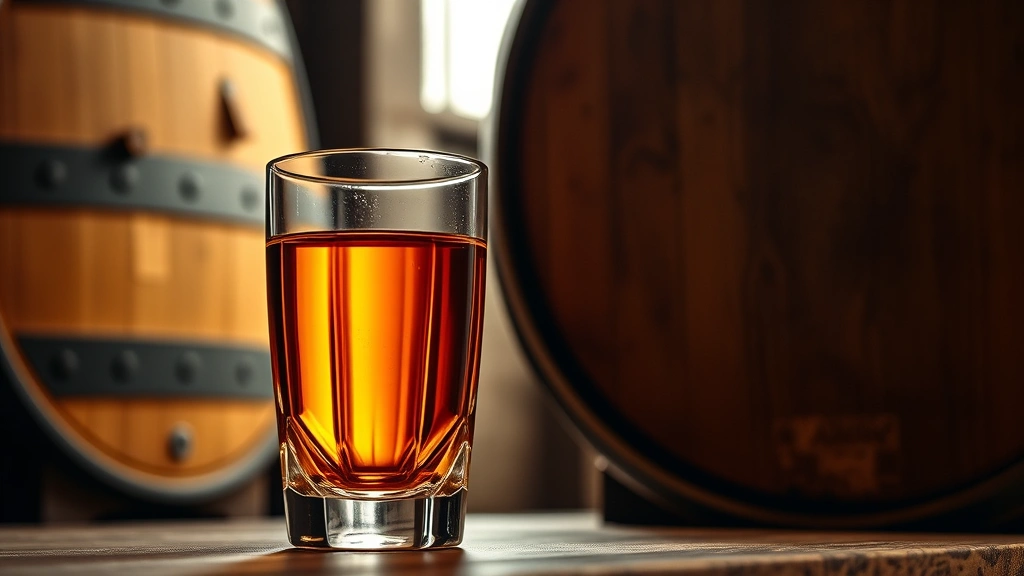
A barrel recipe is your ticket to creating professional-quality aged spirits, infusions, and beverages right in your own workshop or home. Whether you’re aging whiskey, crafting oak-infused cocktails, or experimenting with barrel-aged coffee, understanding the fundamentals of barrel aging transforms ordinary liquids into something extraordinary. This guide walks you through everything from barrel selection to the final pour.
Table of Contents
Barrel Basics Explained
Before diving into your barrel recipe, you need to understand what actually happens inside that wooden vessel. Oak barrels aren’t just containers—they’re active participants in the aging process. The wood imparts color, flavor compounds, and tannins while allowing micro-oxidation that softens harsh alcohol notes and develops complexity.
The magic happens through three mechanisms: extraction (wood compounds dissolving into liquid), evaporation (the “angel’s share” that escapes), and oxidation (oxygen interacting with alcohol and congeners). Different barrel types—American oak, French oak, Hungarian oak—each contribute unique flavor profiles. American oak tends toward vanilla and caramel notes, while French oak offers more subtle, elegant characteristics.
Choosing Your Barrel
Size matters tremendously in any barrel recipe. A 5-gallon barrel ages faster than a 55-gallon because of the higher wood-to-liquid ratio. For home projects, 5-gallon or 10-gallon barrels strike the perfect balance between manageable aging times (6-24 months versus 2-5 years) and authentic results.
New barrels contribute aggressive oak character—perfect for bold experimentation. Used barrels (previously containing bourbon, wine, or sherry) offer subtler influence and faster development. Charred barrels add smokiness and color extraction. Toast level matters too: light toast emphasizes vanilla, medium toast balances oak and fruit, heavy toast brings chocolate and spice.
Check barrel condition carefully. Look for leaks, cracks, or previous contamination. A quality used barrel costs $75-150, while new barrels run $200-400. Don’t cheap out here—a compromised barrel ruins months of work.
Preparing for Barrel Aging
New barrels require thorough preparation. Fill with hot water and let sit 24 hours to swell the wood and seal gaps. Drain completely, then repeat with cold water. This removes loose wood particles and char dust. Some craftspeople do a third rinse with a dilute solution of your base spirit to condition the wood.
Used barrels need different treatment. If they’ve been sitting dry, soak them with hot water for several hours to rehydrate the wood before filling. If they contained wine or spirits, a quick rinse usually suffices—you want to preserve some of those residual flavors. Never use bleach or harsh chemicals; stick to hot water and, if necessary, a food-grade barrel cleaner.
Set up your barrel in a cool, dark location with stable temperature. A basement, garage corner, or dedicated aging closet works perfectly. Avoid direct sunlight, which fades color and accelerates unwanted oxidation. Keep barrels on a barrel rack or cradle to prevent flat spots and allow air circulation underneath.
Liquid Selection Matters
Your starting liquid quality directly impacts your final product. This is where many home barrel recipes fail—people use mediocre base spirits expecting wood magic to fix everything. It won’t. Start with a respectable 80-90 proof spirit or high-quality wine.
For whiskey-style recipes, use unaged grain spirits (moonshine-style, 190 proof) or lower-proof bourbon. For rum barrels, agricultural rum or neutral spirits work well. Wine barrel recipes benefit from quality table wine or fortified wine. Coffee lovers can age cold brew concentrate. The point: your base needs to be something you’d drink on its own, even if humble.
Proof matters significantly. Higher proof (above 90) ages faster and extracts more oak character. Lower proof (below 80) ages slowly but develops smoother results. Most home recipes target 80-100 proof for balanced aging. You can adjust by diluting with distilled water after aging completes.
Aging Timeline Guide
This is where patience becomes your greatest tool. A basic barrel recipe timeline depends on barrel size and your goals:
3-6 months: Oak character emerges, color develops, rough edges soften. Good for people wanting faster results with smaller barrels.
6-12 months: The sweet spot for most home projects. Flavors integrate, complexity builds, tannins mellow. This timeframe works for 5-10 gallon barrels.
12-24 months: Deep aging for serious projects. Flavors become sophisticated and layered. Requires patience but delivers professional-quality results.
Beyond 24 months: Only for larger barrels (25+ gallons) or when you’re chasing specific flavor development. Risk of over-oaking increases with time in smaller vessels.
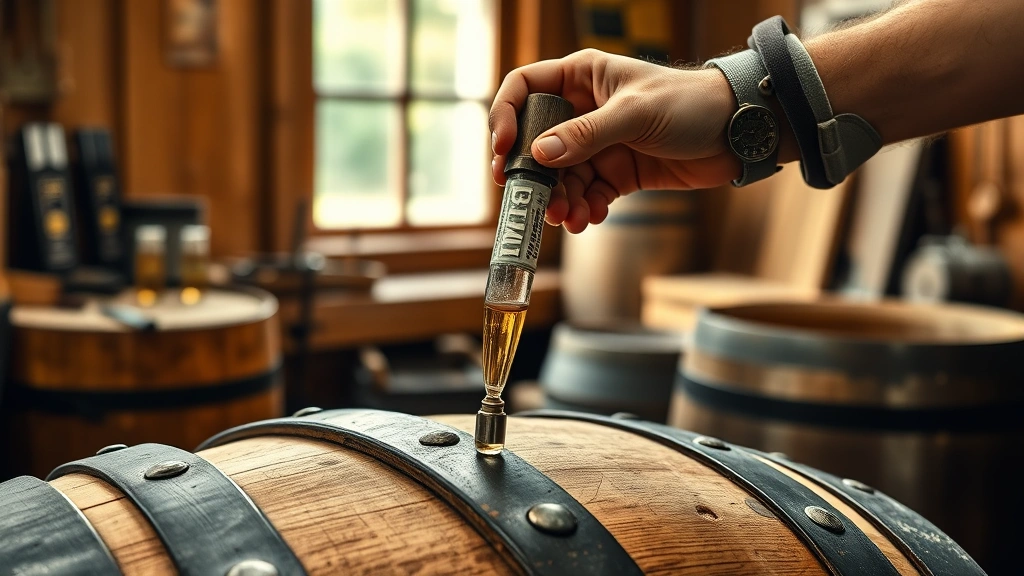
Taste every 2-3 months starting at month 3. Keep detailed notes on color, aroma, and flavor development. This teaches you your barrel’s personality and prevents over-aging.
Monitoring Your Progress
You’ll lose liquid to evaporation—typically 3-5% per year depending on humidity. This isn’t failure; it’s the angel’s share. However, excessive loss (more than 10% annually) signals a leak. Check regularly for seepage at the seams or hoops.
Color development is your visual guide. Spirits age from clear to golden to amber to deep brown depending on barrel type and time. Wine barrels develop faster color. This progression is normal and beautiful—photograph it monthly for documentation.
Aroma changes dramatically. Early aging smells harsh and spirited. By month 6, you’ll notice wood, vanilla, or fruit notes emerging. By month 12, complexity develops—layered aromas that suggest caramel, spice, or oak. Trust your nose; it’s a reliable aging indicator.
Taste small samples (1-2 ounces) carefully. Spirits can seem harsh when warm; let samples sit 5 minutes to open up. Notice how oak character develops, how rough edges smooth, how flavors integrate. This sensory journey is the whole point.
Temperature & Humidity Control
Environmental stability matters more than specific numbers. Fluctuating temperatures cause wood expansion and contraction, accelerating evaporation and aging. Aim for 55-65°F if possible, but consistency beats perfection.
Humidity affects evaporation rates. Dry environments (below 50% humidity) lose more liquid faster, concentrating flavors. Humid environments lose less liquid but age slower. Most basements naturally hit 50-70% humidity—ideal for aging.
Avoid temperature swings above 20°F. A basement that stays 55-60°F year-round beats a garage that swings 40-80°F. If your location fluctuates wildly, consider a wine fridge or temperature-controlled closet for your barrel.
Sunlight is your enemy. UV rays break down color compounds and create off-flavors. Keep barrels in complete darkness or use opaque covers. A dark corner beats a sunny windowsill every time.
Bottling & Finishing Touches
When your barrel recipe reaches perfection, bottling requires care. Use a barrel thief (a long tube) or siphon to extract liquid without disturbing sediment. Sterilize all bottles and caps with hot water or a sanitizing solution.
Filter if desired—many home producers skip this for rustic character, but fine filtering removes haze and extends shelf life. Pour carefully into bottles, leaving minimal headspace. Cap immediately to prevent oxidation.
Label with contents, barrel type, start date, and bottling date. This documentation helps you remember what worked and improves future batches. Store bottles upright (unlike wine) in a cool, dark place. Most aged spirits improve slightly for 6-12 months post-bottling as flavors integrate further.
If your result seems too strong, dilute with distilled water gradually until you hit your target proof. If it tastes over-oaked, blend with fresh spirit to soften the wood character. These adjustments are normal and professional.
Troubleshooting Common Issues
Barrel leaks: Small weeps at seams often seal themselves as wood swells. Fill with water and wait 48 hours. Persistent leaks require professional cooper work or barrel replacement.
Off-flavors (vinegar, sulfur): Usually indicate contamination or poor starting liquid. Prevention beats cure—use clean equipment and quality spirits. If it happens, the batch is likely compromised.
Over-oaking: Wood character overpowers everything. Happens in small barrels after 18+ months. Blend with fresh spirit or accept it as a learning experience for next time.
Slow aging: Cold temperatures or low proof slow development. Move barrel to warmer location or increase proof slightly. Patience is your only other option.
Color too light: Charred barrels extract color faster. If you want deeper color, switch to charred barrels next batch or age longer. Some spirits naturally age lighter.
Frequently Asked Questions
How much does a barrel recipe cost to start?
A 5-gallon used barrel ($75-150) plus quality spirit ($30-60) means you’re looking at $105-210 initial investment. New barrels cost more upfront but offer fresh-start advantages. It’s cheaper than buying premium aged spirits for years.
Can I use a barrel multiple times?
Absolutely. Used barrels work for 5-10+ batches before oak character diminishes significantly. Each successive batch extracts less wood, creating subtler results. Some producers prefer this progression.
What’s the minimum aging time?
Three months is the practical minimum for noticeable change in small barrels. Six months delivers solid results. Anything less than three months barely counts as barrel aging.
Do I need special equipment?
Beyond the barrel itself: a barrel thief or siphon ($10-20), clean bottles, caps, and labels. A hydrometer ($5-15) helps track specific gravity changes. Most home workshops already have these basics.
Is barrel aging legal?
For personal consumption, yes—in the US, you can age spirits for personal use. Selling homemade barrel-aged spirits is illegal without proper licensing. Check local regulations before starting.
Why does my barrel smell like old wood?
New barrels smell strongly of fresh-cut wood and char. This mellows within weeks as the barrel acclimates to its contents. Used barrels smell like their previous contents. Both are normal and temporary.
Can I age at room temperature?
Room temperature (70°F+) accelerates aging but increases evaporation and can create harsh character. Cooler (55-65°F) is better for balanced development. If room temperature is your only option, expect faster results and monitor closely.
What happens if I forget about my barrel?
Spirits can age for years without attention—that’s the beauty of barrel aging. Check occasionally for leaks, but otherwise, time does the work. Many happy accidents happen from forgotten barrels.
Final Thoughts on Barrel Recipes
Crafting a barrel recipe is part science, part art, and entirely rewarding. You’re not just aging liquid; you’re developing your palate, learning wood chemistry, and creating something uniquely yours. The first batch teaches humility. The second teaches technique. By the third, you’re experimenting with confidence.
Start simple: quality spirit, decent barrel, cool location, patience. Taste regularly and take notes. Mistakes become lessons. Success tastes like months of work compressed into one perfect pour. That’s the real magic of barrel aging—not the wood or the time, but the craftsmanship you bring to the process.
For more detailed preservation techniques, explore how to make essential oils to understand flavor extraction principles. If you’re interested in food preservation alongside your barrel work, check out how to steam carrots for complementary kitchen skills. For those aging spirits to pair with meals, how long to bake tilapia offers cooking guidance. And when selecting fresh ingredients for infusions, how to tell if pineapple is ripe helps you choose quality produce.
Get your barrel, choose your spirit, and start your aging journey. The perfect pour awaits.


