
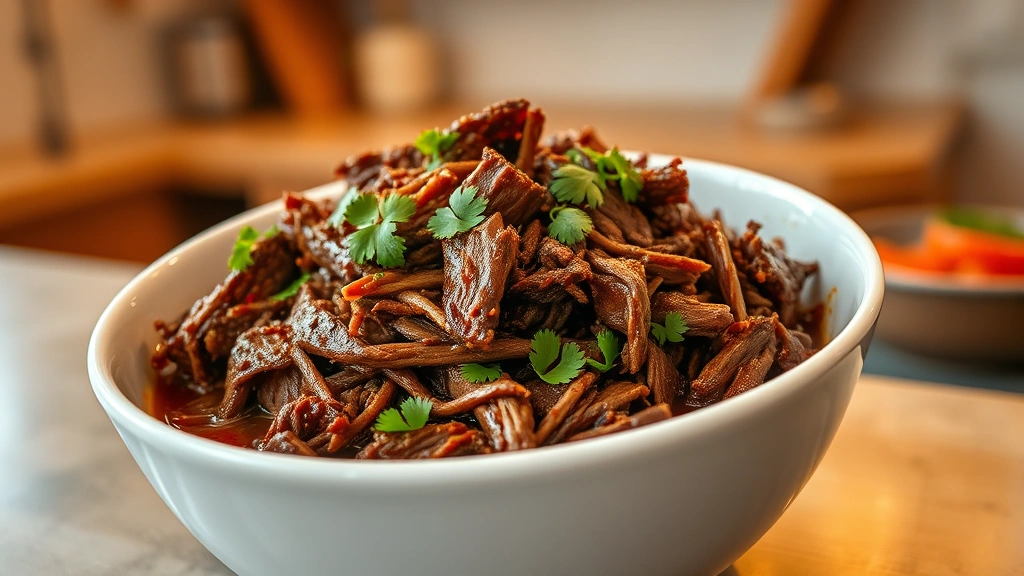
A barbacoa recipe slow cooker is your ticket to restaurant-quality shredded beef that falls apart at the touch of a fork. This traditional Mexican cooking method transforms tough cuts of meat into silky, deeply flavored masterpieces through low and slow heat. Whether you’re planning a taco night, building loaded nachos, or crafting the perfect burrito bowl, mastering slow cooker barbacoa puts authentic flavors right in your kitchen without the all-day pit cooking.
Table of Contents
What Is Barbacoa Exactly?
Barbacoa is a centuries-old cooking technique that originated in northern Mexico, specifically in the states of Chihuahua and Coahuila. Traditionally, meat was wrapped in maguey leaves and slow-cooked in underground pits for hours, sometimes overnight. The result? Incredibly tender, flavorful meat infused with smoke and earth tones. Your slow cooker mimics this exact process, trapping steam and heat to break down connective tissues while flavors meld together. The word “barbacoa” actually comes from the Taíno word “barbacot,” referring to a wooden structure used for cooking meat over fire. When you’re making a barbacoa recipe slow cooker version at home, you’re honoring centuries of culinary tradition while adapting it for modern convenience.
Choosing the Right Beef Cut
Not all beef cuts work equally well for barbacoa. You want cuts loaded with collagen and connective tissue—the stuff that turns gelatinous and silky during long, moist cooking. Chuck roast is the home cook’s go-to choice, offering excellent marbling and flavor at reasonable prices. Brisket works beautifully too, though it’s pricier. Beef cheeks are authentic and spectacular if you can find them at a specialty butcher. Oxtail creates incredibly rich, gelatinous results. Skip lean cuts like sirloin or ribeye—they’ll dry out and shred poorly. For a standard slow cooker barbacoa recipe, grab a 3-4 pound chuck roast. Trim excess fat cap (leave some for flavor), and you’re ready to work. The size matters because you want the meat to cook evenly; too small and it falls apart before tenderizing properly, too large and the center stays tough.
Essential Ingredients Breakdown
Your barbacoa recipe slow cooker needs more than just meat and water. The flavor profile depends on a careful balance of spices, acids, and aromatics. Start with dried chiles—guajillo, ancho, or chipotle create the authentic backbone. Toast them briefly in a dry skillet to wake up their oils, then rehydrate in hot water. Add cumin, oregano, and bay leaves for earthiness. Garlic and onion are non-negotiable. Apple cider vinegar or lime juice provides the acid that brightens flavors and helps break down meat fibers. Some recipes use beef broth instead of water for deeper richness. Comino (cumin) should be toasted whole seeds ground fresh if possible—store-bought ground cumin loses potency quickly. Don’t skip the salt; it seasons the meat throughout and enhances every other flavor. A pinch of cinnamon might seem odd, but it’s traditional and adds subtle warmth without tasting sweet. If you’re making a large batch, you might also appreciate having au jus recipes on hand for serving alongside.
Setting Up Your Slow Cooker
Prep work makes the difference between okay barbacoa and outstanding barbacoa. Pat your beef dry with paper towels—moisture prevents browning. Season generously with salt and pepper on all sides. Heat a heavy skillet over medium-high heat and sear the meat on all sides until deeply browned, about 2-3 minutes per side. This Maillard reaction creates flavor compounds that can’t develop in the slow cooker alone. Don’t skip this step; it’s the difference between one-dimensional and complex-tasting results. While the meat rests, prepare your aromatics. Slice onions into thick rings, smash garlic cloves, and prepare your chile paste or sauce. If using dried chiles, toast them in a dry skillet for 30 seconds until fragrant, then soak in hot water for 10 minutes. Blend the softened chiles with garlic, vinegar, and spices to create a smooth paste. Layer your slow cooker: onions on the bottom, seared beef on top, then pour your chile paste and any braising liquid around (not over) the meat. The slow cooker should be about three-quarters full.
The Low and Slow Process
Cover and set your slow cooker to LOW. This is critical—high heat toughens meat and causes uneven cooking. Plan for 8-10 hours on low, or 4-5 hours on high if you’re in a time crunch (though low produces better results). The meat is done when it shreds easily with a fork and reaches an internal temperature of 190-205°F. A meat thermometer inserted into the thickest part should meet almost no resistance. The low temperature allows collagen to convert to gelatin slowly, which tenderizes the meat and creates a silky texture. Resist the urge to open the lid and peek—every time you do, you add 15-20 minutes to cooking time as heat escapes. About halfway through cooking, you can carefully flip the meat if it’s not submerged, but honestly, it’s not necessary. The steam circulating in the cooker does the work regardless. Some home cooks add a splash of apple cider or Mexican beer for extra depth, though it’s optional.
Shredding and Finishing Touches
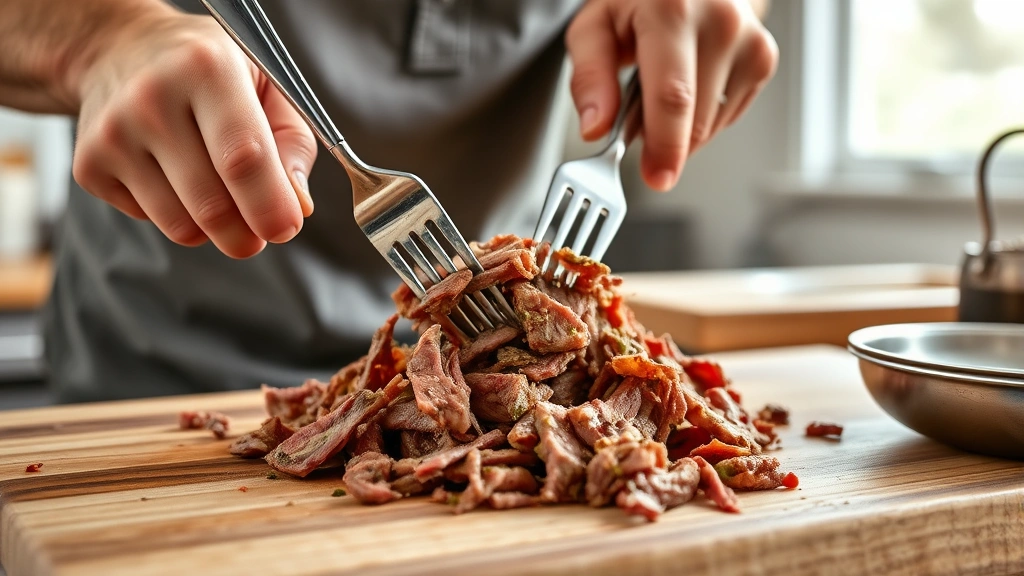
When the meat is fall-apart tender, transfer it to a cutting board or large bowl. Let it rest for 5 minutes—this makes shredding easier. Using two forks, pull the meat apart into bite-sized shreds, working against the grain when possible. Discard any large chunks of fat or gristle. Strain the cooking liquid through a fine-mesh sieve into a bowl, discarding solids. Skim excess fat from the surface if desired, though some fat adds richness. Return the shredded meat to the slow cooker and pour the strained braising liquid back over it. Taste and adjust seasoning—add more salt, lime juice, or cumin as needed. Let it sit on warm for 30 minutes, which allows flavors to meld and the meat to absorb more liquid. The barbacoa should be moist but not soupy; if it’s too wet, simmer it uncovered in a large pot for 15-20 minutes to reduce the liquid slightly.
Serving Your Barbacoa
The beauty of slow cooker barbacoa is its versatility. Serve it in warm corn tortillas with diced onion, fresh cilantro, and lime wedges for authentic tacos. Layer it on crispy tostadas with refried beans, queso fresco, and jalapeños. Build a burrito bowl with rice, black beans, your barbacoa, avocado, pico de gallo, and a drizzle of crema. Use it as a sandwich filling on crusty rolls with pickled onions and chipotle mayo. Top loaded nachos with barbacoa, melted cheese, sour cream, and jalapeños. Some folks even shred it finer and use it as a filling for enchiladas. The cooking liquid makes an incredible dipping sauce or can be reduced into a glaze. Consider pairing it with complementary sides—Mexican rice, charred corn, black beans, or cilantro lime cauliflower all work beautifully. If you’re also preparing steamed vegetables, you can easily incorporate them into bowls alongside your barbacoa.
Storage and Make-Ahead Options
One of the biggest advantages of a slow cooker barbacoa recipe is its make-ahead potential. Properly stored, cooked barbacoa keeps in the refrigerator for 3-4 days in an airtight container. The flavors actually improve as it sits, with spices deepening and the meat absorbing more liquid. Freeze it in portions for up to 3 months—use freezer bags or containers, and leave a little headspace for expansion. Thaw overnight in the refrigerator before reheating. To reheat, warm it gently in a skillet over medium heat with a splash of water or broth, stirring occasionally until heated through, about 10-15 minutes. You can also reheat it in the slow cooker on low for 2-3 hours, which keeps it warm for serving at parties. For meal prep, portion the barbacoa into containers with rice or beans, then grab and reheat throughout the week. Many home cooks make a double batch on Sunday and use it for multiple meals—tacos Monday, burrito bowls Wednesday, nachos Friday. The versatility makes it a true time-saver.
Common Problems and Fixes
If your barbacoa turned out tough or chewy, you likely didn’t cook it long enough or used a lean cut. Next time, aim for the full 8-10 hours on low and stick with chuck roast or brisket. If it’s too fatty, skim more of the fat from the surface before serving, or chill it overnight so fat solidifies and lifts away easily. Bland barbacoa means insufficient seasoning—taste and adjust before serving. Add more cumin, a squeeze of lime, or a pinch of salt. If it’s too salty, add a splash of unseasoned broth or water to dilute. Watery barbacoa indicates too much liquid; simmer it uncovered to reduce. Dry barbacoa happened because you cooked it too long or on high heat; next time, check for doneness at 7 hours and don’t exceed 10. If the meat isn’t shredding easily, it needs more time—return it to the slow cooker for another hour. Burnt flavors mean the bottom was touching the hot surface; use a slow cooker liner or ensure liquid covers the bottom. These fixes are simple once you know what went wrong.
Frequently Asked Questions
Can I make barbacoa recipe slow cooker with chicken instead of beef?
Technically yes, but the results differ significantly. Chicken lacks the collagen and connective tissue that makes beef barbacoa so silky and flavorful. Chicken barbacoa works better with higher heat and shorter cooking times (3-4 hours on low), using chicken thighs rather than breasts. The texture will be more pulled rather than shredded. For authentic barbacoa, beef is really the way to go.
How much barbacoa does a slow cooker batch make?
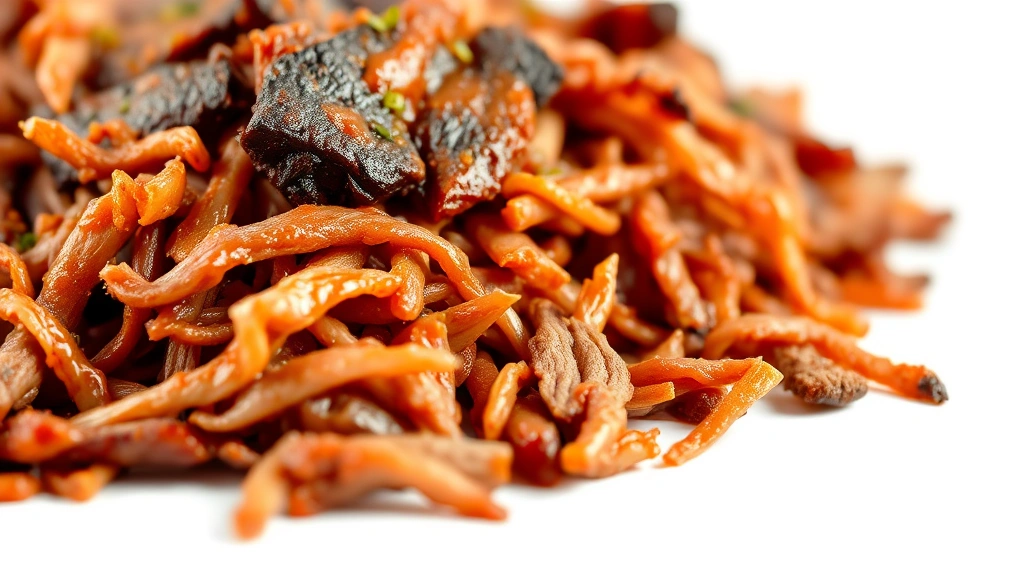
A 3-4 pound chuck roast typically yields 2-2.5 pounds of cooked, shredded barbacoa, serving 6-8 people as a main course or 10-12 as a taco filling. The cooking process reduces weight slightly due to moisture loss, but you’ll have plenty. Most slow cookers max out around 6 pounds of raw meat comfortably.
What’s the difference between barbacoa and carnitas?
While both are slow-cooked Mexican meat preparations, barbacoa is traditionally made with tougher cuts and uses chile-based marinades with vinegar for brightness. Carnitas uses pork (usually shoulder or belly) cooked in lard until it falls apart, resulting in richer, fattier meat. Barbacoa is leaner and more intensely spiced.
Can I cook barbacoa on high in the slow cooker?
Yes, but it’s not ideal. High heat cooks the meat faster (4-5 hours) but produces less tender results and can make the meat stringy rather than silky. The low and slow method allows proper collagen conversion. Reserve high heat for when you’re short on time, not for best results.
Do I need to brown the meat before slow cooking?
No, it’s optional but highly recommended. Browning creates a flavorful crust through the Maillard reaction, adding depth that slow cooking alone can’t achieve. Skip it if you’re truly short on time, but your barbacoa will taste flatter and less complex.
What type of slow cooker works best?
A 6-8 quart slow cooker is ideal for a standard batch. Smaller cookers (3-4 quart) work but may cook unevenly with larger roasts. Oval-shaped cookers distribute heat more evenly than round ones. The actual brand matters less than consistent temperature—avoid cookers that run extremely hot or cold.


