
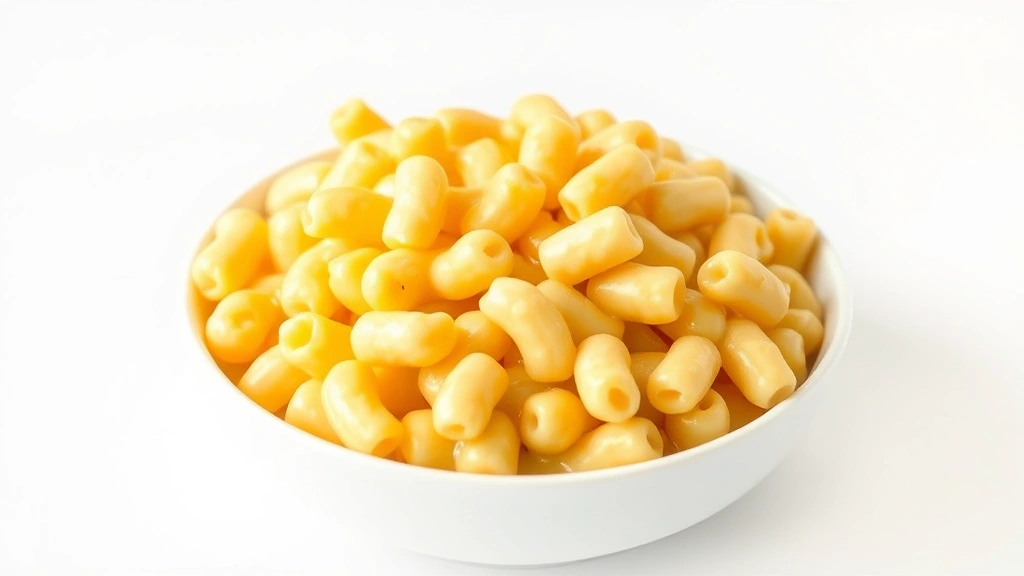
The best mac and cheese recipe combines creamy sauce, perfectly cooked pasta, and just the right cheese blend to create comfort food that actually tastes homemade. I’ve tested dozens of versions over the years, and I’m going to walk you through exactly what separates a mediocre mac and cheese from one that’ll have everyone asking for seconds.
Table of Contents
Why Homemade Matters
Box mac and cheese has its place, but making it from scratch takes maybe 25 minutes and tastes exponentially better. The difference comes down to real cheese, proper emulsification, and not using mystery powder packets. When you build a creamy sauce from butter, flour, and milk instead of relying on processed cheese powder, you get actual flavor depth. Plus, you control the salt level and can use whatever cheese combination appeals to you.
I learned this the hard way after years of accepting mediocre versions. Once you taste a properly made batch with sharp cheddar and a touch of gruyere, the box stuff becomes impossible to go back to. It’s one of those dishes where minimal effort yields maximum payoff.
Cheese Selection Strategy
This is where most people stumble. Using only mild cheddar creates a bland, one-note dish. The winning formula uses a blend: sharp cheddar for flavor punch, gruyere for creaminess and depth, and a small amount of cream cheese for silky texture. That combination hits different than any single cheese.
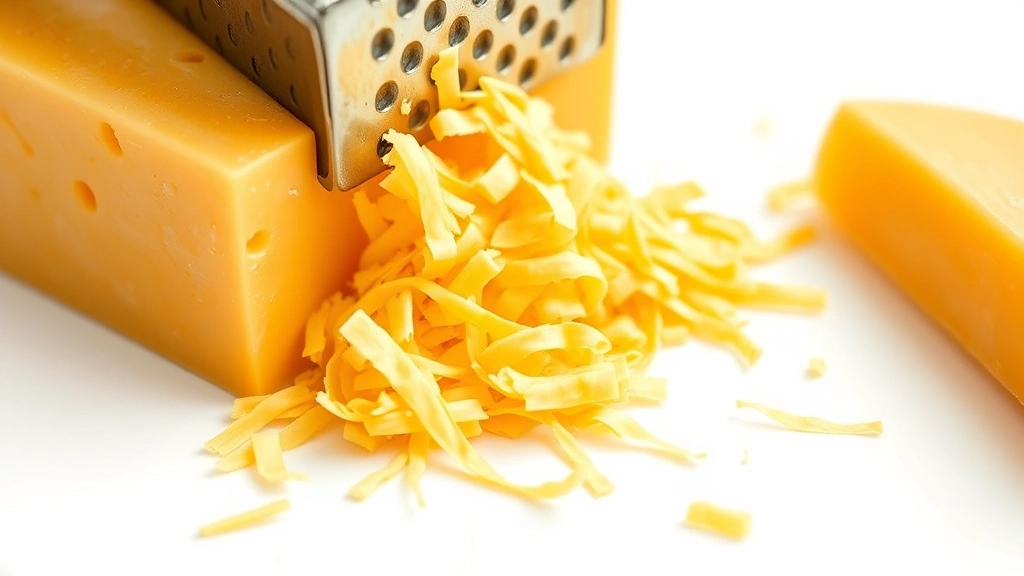
Here’s what I use for a standard 1-pound pasta batch: 8 ounces sharp cheddar (shredded fresh, not pre-shredded), 4 ounces gruyere, and 2 ounces cream cheese. The sharp cheddar carries the main flavor, gruyere adds sophistication, and cream cheese acts as an insurance policy against graininess. Some folks add a bit of smoked gouda or white cheddar for variation, which works great too.
Pro tip: buy blocks and shred them yourself. Pre-shredded cheese contains anti-caking agents that prevent smooth melting. It’s a small step that makes a measurable difference in sauce texture.
The Roux Foundation
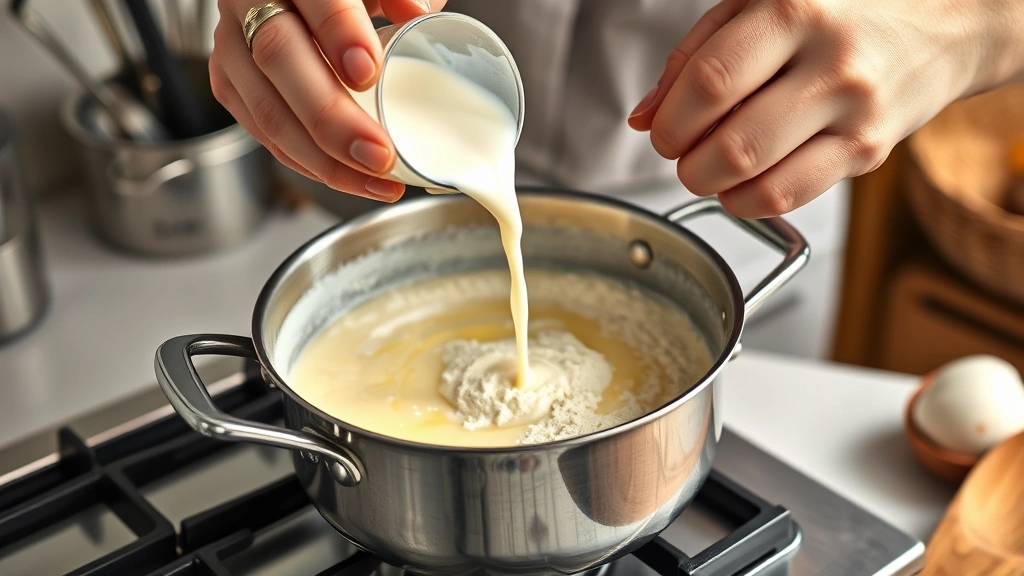
A proper roux is your sauce foundation, and getting it right prevents lumpy, broken, or thin sauces. Start with equal parts butter and flour by weight. I use 3 tablespoons butter and 3 tablespoons flour for a standard batch. Melt the butter over medium heat, then whisk in the flour immediately. Keep whisking constantly for about 2-3 minutes until it smells toasty and turns light golden.
This cooking step matters because it removes the raw flour taste and allows the starch to properly gelatinize when you add liquid. Don’t rush it or skip it. The roux should be smooth and paste-like at this point, with no lumps. If lumps form, strain the roux through a fine sieve before proceeding.
Milk and Cream Ratio
The liquid component determines whether your sauce is silky or heavy. I use 2 cups whole milk and 1 cup heavy cream for that 1-pound pasta batch. This ratio gives you richness without making the dish feel heavy or overly thick. The milk provides volume and helps distribute heat evenly, while cream adds luxurious mouthfeel.
Add the liquid slowly to your roux while whisking constantly. Start with about 1/4 cup, whisk until smooth, then gradually add the rest. This gradual approach prevents lumps from forming. Keep the heat at medium and stir frequently as the sauce thickens. You’re looking for a consistency that coats the back of a spoon but still flows slightly. It’ll thicken more once you add the cheese and pasta.
Pasta Cooking Technique
Cook your pasta about 1-2 minutes under the box’s recommended time. You want it just shy of fully tender because it’ll continue cooking when you combine it with the hot sauce and potentially bake it. Oversalting the pasta water is essential here—it should taste like the sea. This is your only chance to season the pasta itself.
Drain the pasta but don’t rinse it. That starch coating helps the sauce cling to the noodles and contributes to overall creaminess. Reserve about 1 cup of pasta water before draining. You’ll use this to adjust sauce consistency if needed. If your sauce seems too thick when you combine everything, a splash of pasta water thins it perfectly while maintaining flavor.
Combining Ingredients
Remove your sauce from heat and let it cool for about 1 minute. This prevents the cheese from breaking or becoming grainy from excessive heat. Add your cheese blend in batches, stirring constantly until each addition melts completely before adding more. Patience here prevents that broken, oily sauce texture.
Once the cheese is fully incorporated and smooth, add your pasta and mix thoroughly. The sauce should coat every noodle without pooling at the bottom. If it seems too thick, add pasta water a tablespoon at a time until you reach the right consistency. Season with salt, white pepper, and a pinch of cayenne for subtle heat that enhances cheese flavor without making it spicy.
Baking vs Stovetop
You have two finish options depending on your goals. Stovetop mac and cheese is done immediately after combining ingredients—creamy, smooth, and ready to eat. This works perfectly for weeknight dinners and feeds people faster. It’s also easier to control the consistency since you’re not dealing with oven baking.
Baked mac and cheese goes into a 350°F oven for 20-25 minutes after you combine everything. Top it with a breadcrumb mixture (panko mixed with melted butter and a bit of parmesan) if you want a crunchy topping. Baking creates a slightly firmer texture and allows you to make it ahead and reheat it. The tradeoff is that it takes longer and can dry out if you’re not careful.
For most situations, I stick with stovetop because it’s faster and the texture stays silkier. Save the baked version for potlucks or when you need to prepare ahead.
Troubleshooting Common Issues
Sauce too thick? Add pasta water a tablespoon at a time. Sauce too thin? You either didn’t cook the roux long enough or added too much liquid. Next time, reduce liquid by 1/4 cup. Grainy or broken sauce? Your heat was too high when adding cheese, or you used pre-shredded cheese. Remake with fresh-shredded blocks and keep heat at medium.
Cheese flavor too mild? Use entirely sharp cheddar or add a bit of sharp white cheddar. Add a tablespoon of dijon mustard or a pinch of smoked paprika to deepen savory notes. Sauce separating into oil and solids? This usually means the cheese overheated. Whisk in a tablespoon of cornstarch mixed with cold milk to re-emulsify.
If you’re making this for the first time and something goes sideways, don’t panic. Mac and cheese is forgiving. Even a slightly imperfect version tastes better than box stuff. Learn from it and adjust next time.
Variations and Additions
Once you master the basic technique, you can build on it. Crispy bacon bits, sautéed mushrooms, or caramelized onions add complexity. Fresh thyme or smoked paprika enhance the cheese flavor. Some folks mix in cooked broccoli or roasted cauliflower for vegetables. A touch of hot sauce or fresh cracked black pepper works too.
For a lobster mac and cheese situation, fold in chunks of cooked lobster or crab meat just before serving. Keep it simple though—the cheese sauce should remain the star. Too many additions muddy the flavors and make it feel like you’re trying too hard.
Storage and Reheating
Leftover mac and cheese keeps in an airtight container for 3-4 days in the fridge. Reheat gently on the stovetop over low heat, adding a splash of milk to restore creaminess. The microwave works in a pinch but tends to create hot spots. If you made a baked version, you can reheat it covered in a 325°F oven until warmed through.
You can also freeze mac and cheese for up to 2 months. Thaw it overnight in the fridge before reheating. The texture changes slightly after freezing—it becomes a bit more grainy—but it’s still delicious and saves time on busy nights. Many people make a double batch specifically for freezing.
Frequently Asked Questions
Can I use evaporated milk instead of heavy cream?
Yes, but the texture won’t be quite as rich. Evaporated milk works fine for a lighter version. You can use 3 cups evaporated milk and skip the cream entirely. The sauce will be slightly less luxurious but still creamy and delicious.
What’s the best cheese for mac and cheese?
Sharp cheddar combined with gruyere creates the best flavor and texture balance. Avoid mild cheddar alone, which tastes flat. If you want to experiment, aged gouda or smoked cheddar add interesting dimensions.
Should I stir the mac and cheese while baking?
No. Stirring during baking breaks up the pasta and can make the sauce grainy. Let it bake undisturbed. If you’re worried about drying out, cover it loosely with foil for the first 15 minutes.
Can I make this dairy-free?
You can substitute with plant-based milk and butter, but the sauce won’t be as creamy. Nutritional yeast adds cheesy flavor, and cashew cream can replace heavy cream for richness. It requires some experimentation to get right.
How do I prevent the sauce from breaking?
Keep heat at medium, add cheese slowly off the heat, and use fresh-shredded cheese rather than pre-shredded. Don’t let the sauce boil vigorously after adding cheese.
What if my pasta is overcooked and mushy?
You’ll have to start over with a fresh batch. Overcooked pasta can’t be fixed. Next time, cook it 1-2 minutes under the package time since it continues cooking when combined with hot sauce.
The best mac and cheese recipe isn’t complicated—it’s just built on proper technique and good ingredients. Master the roux, nail the cheese blend, and you’ve got a dish that beats restaurant versions. Once you make it a few times, you’ll do it on autopilot and wonder why you ever bothered with boxes. If you’re looking for other quick comfort food options, check out our guide to making ramen in the microwave for another weeknight winner. You might also enjoy exploring other classic recipes like our apple compote recipe for desserts and side dishes. For those interested in creative cooking projects, our avocado shake recipe offers a refreshing complement to hearty main dishes.


