
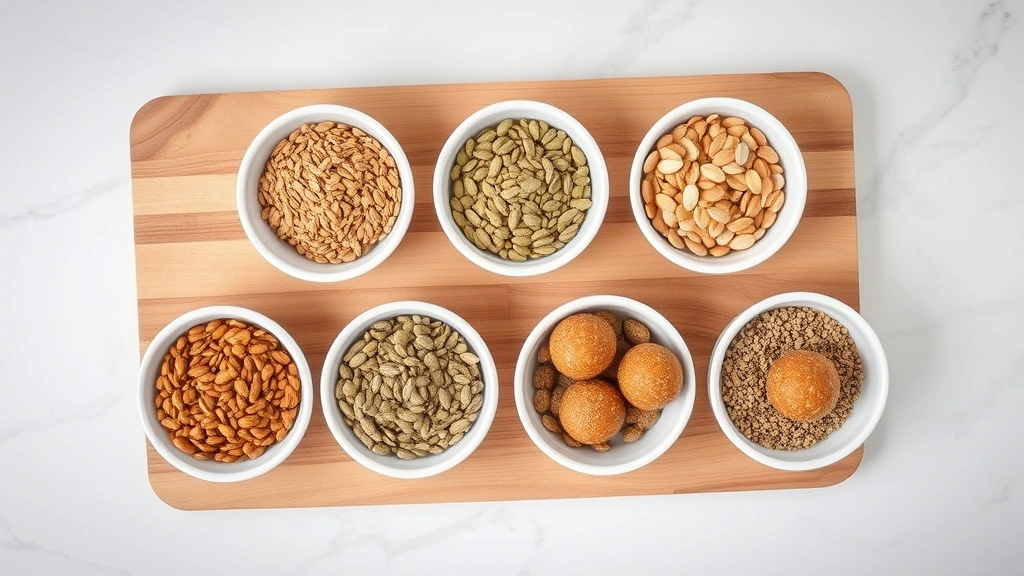
A bariatric seed recipe is your secret weapon for staying full longer while hitting your protein goals after weight loss surgery. Seeds pack serious nutritional punch—we’re talking fiber, healthy fats, and plant-based protein in tiny, easy-to-digest packages. Whether you’re weeks or months post-op, these five recipes will become your go-to moves for snacks and meal additions that actually taste good and keep you satisfied.
Table of Contents
Why Seeds Matter Post-Op
After bariatric surgery, your stomach’s smaller, but your nutritional needs don’t shrink. Seeds are nutrient-dense powerhouses that deliver maximum benefit in minimal volume. A single tablespoon of seeds can contain 3-5 grams of protein, plus fiber that keeps you feeling full for hours. Unlike heavy starches, seeds digest smoothly and won’t cause dumping syndrome or discomfort. They’re also naturally shelf-stable, affordable, and work in both sweet and savory applications. Think of seeds as your nutritional insurance policy—small bets that pay huge dividends.
Pumpkin Seed Protein Balls
These no-bake bites are my favorite grab-and-go option. Mix one cup raw pumpkin seeds (ground in a food processor), half cup natural almond butter, quarter cup unsweetened cocoa powder, and two tablespoons honey. Roll into walnut-sized balls and refrigerate. Each ball delivers about 4 grams of protein and tastes like a legitimate dessert. The beauty here is portion control—one or two balls satisfy cravings without overdoing it. Store them in an airtight container for up to two weeks. When prepping meals ahead, batch these on Sunday and you’re set for the week.
Sunflower Seed Butter Blend
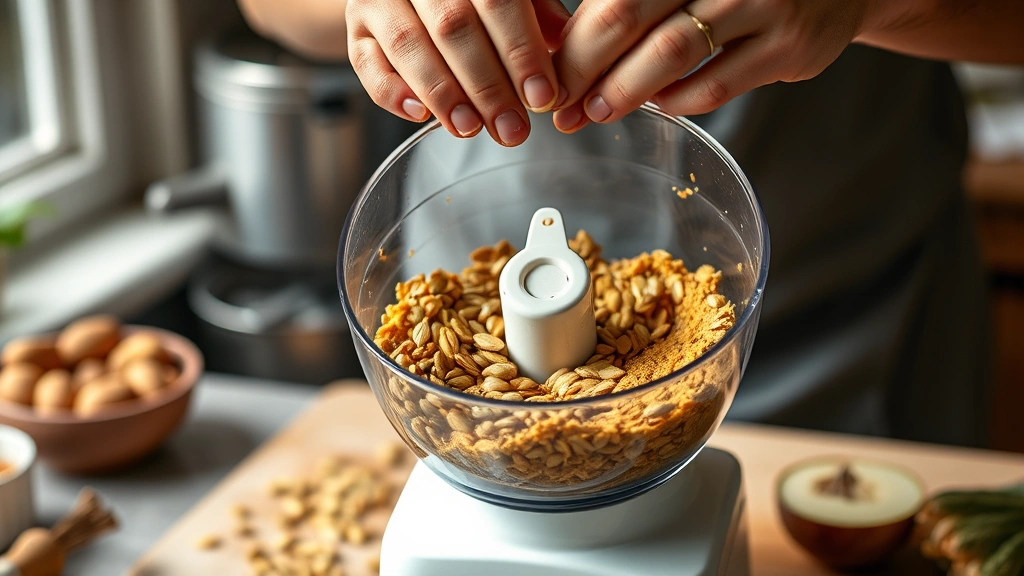
Sunflower seed butter is the unsung hero of post-bariatric eating. It’s creamy, protein-rich (8 grams per 2 tablespoons), and gentler on sensitive post-op stomachs than peanut butter. Make your own by blending one and a half cups raw sunflower seeds with a pinch of sea salt in a food processor for 8-10 minutes, scraping sides as needed. The natural oils release and create that smooth, spreadable consistency. Add this to Greek yogurt, cottage cheese, or thin it with water to create a sauce for grilled chicken. According to research from the Academy of Bariatric Surgery, seed-based proteins absorb more efficiently than many animal sources in post-op patients.
Chia Seed Pudding Hack
Chia seeds absorb liquid and expand, creating a naturally thick pudding that feels substantial without being heavy. Combine three tablespoons chia seeds, one cup unsweetened almond milk, half teaspoon vanilla extract, and one tablespoon monk fruit sweetener. Let it sit overnight in the fridge. In the morning, you’ve got a protein-packed breakfast that takes literally two minutes to prepare. Top with a tablespoon of sunflower seed butter or a sprinkle of hemp seeds for extra nutrition. The soluble fiber in chia seeds also helps regulate blood sugar, which is crucial post-surgery when your metabolism is recalibrating.
Hemp Seed Smoothie Base
Hemp seeds contain all nine essential amino acids, making them a complete protein source—rare for plant-based foods. Blend half cup unsweetened Greek yogurt, quarter cup hemp seeds, half frozen banana, half cup unsweetened almond milk, and ice. This creates a smooth, creamy texture that’s easy on the digestive system. Hemp seeds have a slightly nutty flavor that plays well with vanilla, cinnamon, or cocoa powder. Each serving delivers about 10 grams of protein in a portion your post-op stomach can handle. Unlike heavy grain-based smoothies, this won’t cause bloating or discomfort.
Flax Seed Egg Substitute
Ground flax seeds create a binder that works in baking and cooking without the heaviness of actual eggs. Mix one tablespoon ground flax with three tablespoons water and let sit five minutes. This replaces one egg in recipes like protein pancakes or meatballs. Flax delivers omega-3 fatty acids and lignans that support hormone balance during weight loss. The soluble fiber also promotes satiety—you’ll feel fuller longer after eating flax-based meals. When preparing lean protein dishes, use flax-seed binders to add nutrition without extra fat or volume.
Storage and Prep Tips
Raw seeds stay fresh longest in airtight containers in a cool, dark pantry—aim for temperatures below 70 degrees. Ground seeds oxidize faster, so grind only what you’ll use within two weeks, or freeze ground seeds in ice cube trays for portion control. Label everything with dates. Toasted seeds add crunch to yogurt or cottage cheese, but toast them yourself rather than buying pre-toasted versions, which often contain added oils. A dry skillet over medium heat for 3-4 minutes is all you need. Refrigerate seed butters after opening to prevent rancidity. Pro tip: store seeds in the freezer if you live in a warm climate or have a long pantry shelf life goal.
Portion Control Reality Check
Here’s the honest truth—seeds are calorie-dense. Two tablespoons contain roughly 180-200 calories, so portions matter more than ever post-op. Your surgeon likely gave you specific protein targets (usually 60-80 grams daily in early stages). Seeds contribute protein but shouldn’t replace lean meats, fish, or dairy as your primary sources. Think of seeds as supplements and flavor-boosters, not meal replacements. Use a kitchen scale for the first month to calibrate your portions visually. Most post-op patients do well with one to two tablespoon servings per snack. According to the Academy of Nutrition and Dietetics, portion awareness is the single biggest factor in long-term bariatric success.
Frequently Asked Questions
Can I eat seeds immediately after surgery?
Not immediately. Most surgeons recommend waiting 4-6 weeks until you’re in the soft foods phase. Start with seed butters before whole seeds, as they’re easier to digest. Always check with your surgical team before introducing new foods.
Which seeds have the most protein?
Hemp seeds win with about 10 grams per three tablespoons, followed by pumpkin seeds (9 grams per quarter cup) and sunflower seeds (6 grams per quarter cup). Chia and flax are lower in protein but excel in fiber and omega-3s.
Will seeds cause constipation or blockages?
The opposite—seeds are high in fiber, which promotes regular digestion. However, drink plenty of water (at least 64 ounces daily) when consuming seeds. Dehydration combined with high fiber can cause issues, so hydration is non-negotiable.
Are sprouted seeds better than raw seeds?
Sprouted seeds have slightly higher bioavailability of nutrients, but raw seeds work fine for post-op patients. If you can find sprouted seeds, they’re worth trying, but don’t stress if they’re not available.
Can I use these recipes if I have a nut allergy?
Absolutely. Seeds are technically not nuts (they’re the reproductive organs of plants, while nuts are seeds with hard shells). However, cross-contamination in processing facilities is possible, so buy from brands with clear allergen statements.
How much protein should I aim for daily?
Most bariatric programs recommend 60-100 grams daily depending on your surgery type, weight, and timeline. Seeds contribute but shouldn’t be your only protein source. Lean meats, fish, eggs, and dairy should form your foundation.
Wrapping It Up
A bariatric seed recipe isn’t just about nutrition—it’s about making your post-op journey sustainable and enjoyable. These five options give you variety, convenience, and real satisfaction without compromising your goals. Start with one recipe, master it, then add another. Your taste buds will thank you, your stomach will feel better, and your protein numbers will hit target. Seeds are small, but they pack the kind of punch that turns post-surgery eating from a chore into something you actually look forward to. When exploring new recipe options, remember that simplicity often wins—the best recipe is the one you’ll actually make and eat consistently.


