
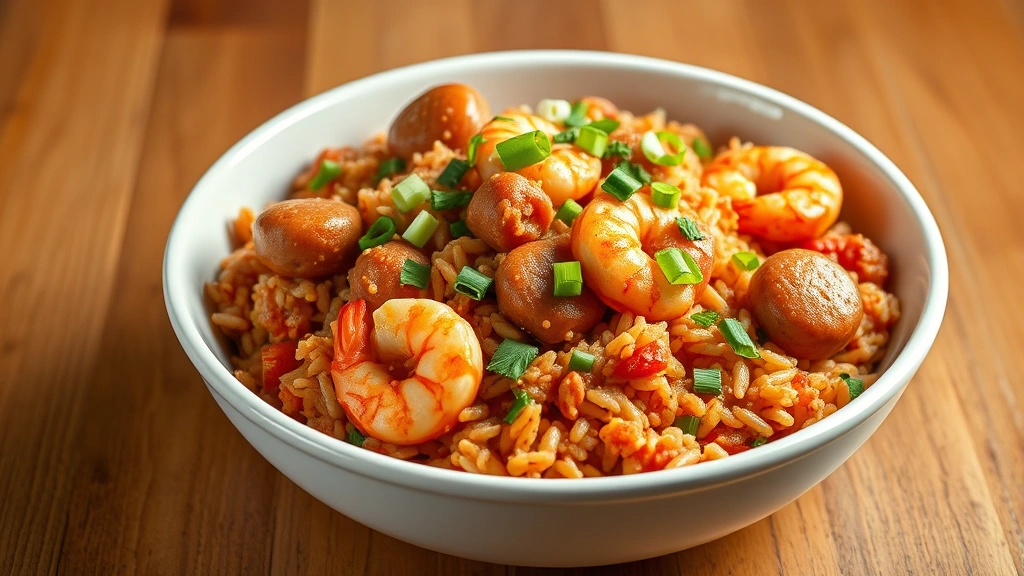
An authentic jambalaya recipe is the soul of Louisiana cooking—a one-pot wonder that brings together the holy trinity of vegetables, bold spices, and whatever protein you’ve got on hand. This isn’t fancy restaurant food; it’s the real deal that families have been making in New Orleans kitchens for generations. I’m going to walk you through building this classic dish from scratch, no shortcuts, no fuss.
Table of Contents
What Is Jambalaya?
Jambalaya is a Creole rice dish that originated in New Orleans, blending French, Spanish, and African culinary traditions. Unlike gumbo, which relies on a roux-thickened broth, jambalaya cooks the rice directly in the liquid, letting it absorb all those incredible flavors. You’re basically making a complete meal in one heavy-bottomed pot—protein, vegetables, rice, and seasoning all working together.
The dish comes in two main styles: Creole (sometimes called red jambalaya) uses tomatoes and is more common in New Orleans proper, while Cajun jambalaya (brown jambalaya) skips the tomatoes and relies on a darker roux. We’re focusing on the Creole version here because it’s the most forgiving for home cooks and absolutely delicious.
The Holy Trinity Foundation
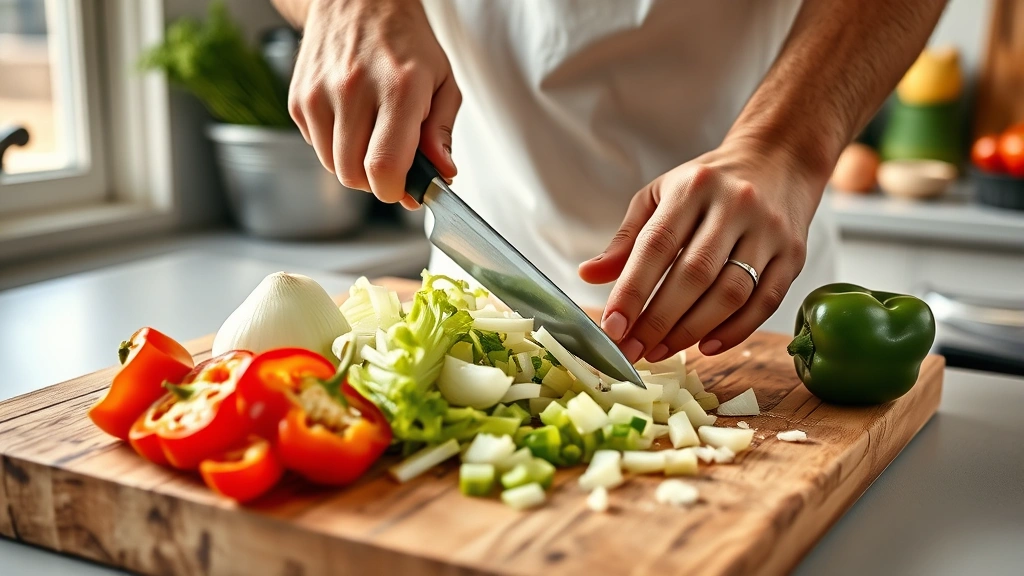
Every authentic Creole dish starts with the holy trinity: onions, celery, and bell peppers in a 2:1:1 ratio. This is non-negotiable. You’ll want roughly 2 cups diced onions, 1 cup celery, and 1 cup bell peppers (any color works, but green is traditional). Dice them all to about the same size so they cook evenly.
Start your pot with a couple tablespoons of oil over medium heat. Add your trinity and let it sweat for about 5-7 minutes until the onions turn translucent. This is where the magic starts—you’re building a flavor foundation that’ll carry the entire dish. Don’t rush this step. The vegetables should be soft and fragrant, filling your kitchen with that classic New Orleans aroma.
Proteins and Your Options
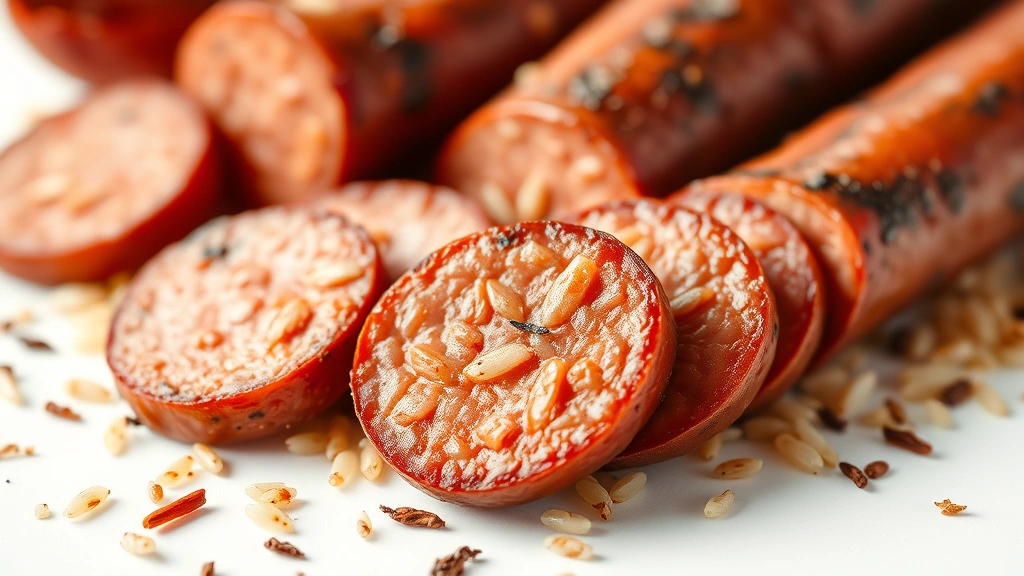
Traditional jambalaya uses a combination of meats. The most authentic approach uses andouille sausage (a spicy smoked Cajun sausage), chicken, and sometimes shrimp or crawfish. You don’t need all three, but using at least two creates better depth.
For a standard batch serving 6-8 people, use about 1 pound of andouille sausage (sliced into rounds), 1.5 pounds of chicken (cut into bite-sized pieces), and optionally 1 pound of shrimp added near the end. If you can’t find andouille, smoked kielbasa works in a pinch, though it won’t be quite as authentic. Brown your sausage first in the pot, remove it, then brown your chicken pieces. This step develops flavor through the Maillard reaction—don’t skip it.
Spice Blend Secrets
The spice profile is what separates authentic jambalaya from bland rice dishes. After your trinity is soft and your proteins are browned, add 3-4 minced garlic cloves and cook for 30 seconds until fragrant. Then layer in your seasonings:
Add 2 tablespoons tomato paste and cook for 2 minutes to deepen the flavor. Follow with 1 tablespoon paprika, 2 teaspoons cayenne pepper, 1 teaspoon dried oregano, 1 teaspoon dried thyme, and 1/2 teaspoon black pepper. Some recipes call for file powder (ground sassafras), but that’s optional. Stir everything together and let those spices bloom in the oil for about a minute. This is crucial—dry spices need heat to release their essential oils and full flavor potential.
Now add 2 cups diced tomatoes (canned is fine), 3 cups chicken or seafood stock, and your browned sausage back to the pot. Bring everything to a simmer and taste for seasoning. This is your chance to adjust—add more cayenne if you want heat, more paprika for depth, more salt if needed.
Step-by-Step Cooking Method
Once your base is simmering with good flavor, add 2 cups long-grain white rice (or brown rice if you prefer, though it’ll take longer). Stir well to combine, then bring the liquid back to a boil. Once it’s boiling, reduce heat to low, cover the pot with a tight-fitting lid, and let it cook undisturbed for about 18-20 minutes.
Resist the urge to peek. That steam is doing important work. After 18 minutes, check if the rice is tender and the liquid is mostly absorbed. If it needs more time, cover and cook another 2-3 minutes. In the last 5 minutes of cooking, if you’re using shrimp, add them now—they’ll cook perfectly in that residual heat.
When the rice is done, remove from heat and let it sit covered for 5 minutes. Then fluff with a fork, stir in some fresh chopped green onions and parsley, and you’re ready to serve. The whole process takes about 45 minutes from start to finish.
Rice Selection Matters
Long-grain white rice is the traditional choice because it stays separate and fluffy rather than getting mushy. Jasmine or basmati rice will work but will give you a slightly different texture and flavor profile. Medium-grain rice tends to clump together, which isn’t ideal for jambalaya’s texture.
The rice-to-liquid ratio is important: use roughly a 1:1.5 ratio (1 cup rice to 1.5 cups liquid). Your liquid comes from the stock plus the moisture released by the tomatoes and vegetables. If you’re using frozen shrimp, account for any extra liquid they’ll release. Better to be slightly drier than waterlogged—you can always add more liquid if needed, but you can’t remove it.
Common Mistakes to Avoid
The biggest mistake people make is stirring the rice too much while it’s cooking. Once you cover that pot, leave it alone. Constant stirring breaks down the rice grains and releases starch, turning your jambalaya into a gluey mess. Patience here pays dividends.
Another common error is using the wrong sausage. Don’t substitute regular breakfast sausage for andouille—it won’t have the smoke and spice that defines authentic jambalaya. If you absolutely can’t find andouille, look for it online or use smoked kielbasa as a backup.
Under-seasoning is also common. This dish should have bold flavor. Taste as you build it and adjust seasonings before the rice goes in. Once rice is in, you can’t easily fix it. Some cooks also make the mistake of using too much liquid or not letting proteins brown properly—both result in a bland, soupy dish rather than the rich, cohesive meal you’re after.
Serving and Storage Tips
Jambalaya is best served hot, straight from the pot. Ladle it into bowls and top with extra green onions and a dash of hot sauce if people want more heat. A simple green salad on the side cuts through the richness nicely. Some folks like cornbread alongside it, which is perfect for soaking up every last bit of sauce.
Leftovers keep well in the refrigerator for up to 4 days in an airtight container. Reheat gently on the stovetop with a splash of stock or water to restore moisture—the microwave works but tends to dry it out. Jambalaya also freezes beautifully for up to 3 months. Thaw overnight in the fridge before reheating. You can even make a double batch and freeze half for an easy weeknight dinner down the road.
If you’re interested in other cooking techniques, you might find our guide on how long to steam crab legs useful for seafood preparation, or check out how long to steam asparagus for vegetable side dishes. For those who want to explore other recipes, the Alabama Slammer recipe offers a different regional flavor profile.
Frequently Asked Questions
Can I make jambalaya without andouille sausage?
Absolutely. You can use smoked kielbasa, chorizo, or even skip the sausage entirely and go with just chicken and shrimp. The dish will still be delicious, just slightly different in flavor profile. Andouille is traditional, but jambalaya is flexible enough to work with what you have available.
What’s the difference between jambalaya and gumbo?
The main difference is thickening method and texture. Gumbo uses a roux (flour and fat cooked together) to thicken the broth, creating a stew-like consistency. Jambalaya cooks rice directly in the liquid, so the rice absorbs the flavors and creates a one-pot meal. Gumbo is served in a bowl with rice on the side; jambalaya is the rice dish itself.
Can I use brown rice instead of white rice?
Yes, but adjust your cooking time. Brown rice takes about 40-45 minutes instead of 18-20 minutes, and you’ll need slightly more liquid (about 1:1.75 ratio). The flavor will be nuttier and the texture chewier, which some people prefer. Just know it’ll be a different experience than traditional jambalaya.
Is jambalaya spicy?
Authentic jambalaya has heat from cayenne pepper, but it’s not brutally spicy. The recipe I’ve given you has moderate heat that most people enjoy. If you’re sensitive to spice, reduce the cayenne to 1 teaspoon. If you want more kick, add more cayenne or serve with hot sauce on the side for people to customize their heat level.
Can I make this vegetarian?
You can, though it won’t be traditional. Skip the meat and use extra vegetables like mushrooms, okra, and beans. Use vegetable stock instead of chicken stock. Add extra seasoning to compensate for the depth that meat provides. It’ll be good, but acknowledge you’re making a variation rather than an authentic jambalaya.
How much does this recipe serve?
The recipe as written (2 cups rice, 6 cups total liquid) serves 6-8 people as a main course. If you’re serving it as part of a larger meal with sides, you could stretch it to 8-10 servings. For a smaller batch, cut everything in half and use a smaller pot.
Final Thoughts
Making an authentic jambalaya recipe isn’t complicated—it’s just about respecting the process and not taking shortcuts. Build your holy trinity foundation, brown your proteins properly, bloom your spices, and let the rice do its thing undisturbed. You’ll end up with a dish that tastes like you’ve been cooking Creole food your whole life.
The beauty of jambalaya is that it’s forgiving enough for beginners but deep enough to keep experienced cooks interested. Every time you make it, you’ll dial in your own preferences—more heat, different proteins, extra vegetables. That’s how authentic recipes evolve. Start with this foundation, then make it yours.
According to the City of New Orleans official resources, jambalaya has been a cornerstone of Louisiana food culture for centuries. For more detailed culinary history, Smithsonian Magazine has excellent articles on Creole cuisine origins. If you want to explore regional cooking techniques further, Family Handyman occasionally covers kitchen setup and cooking methods.


