
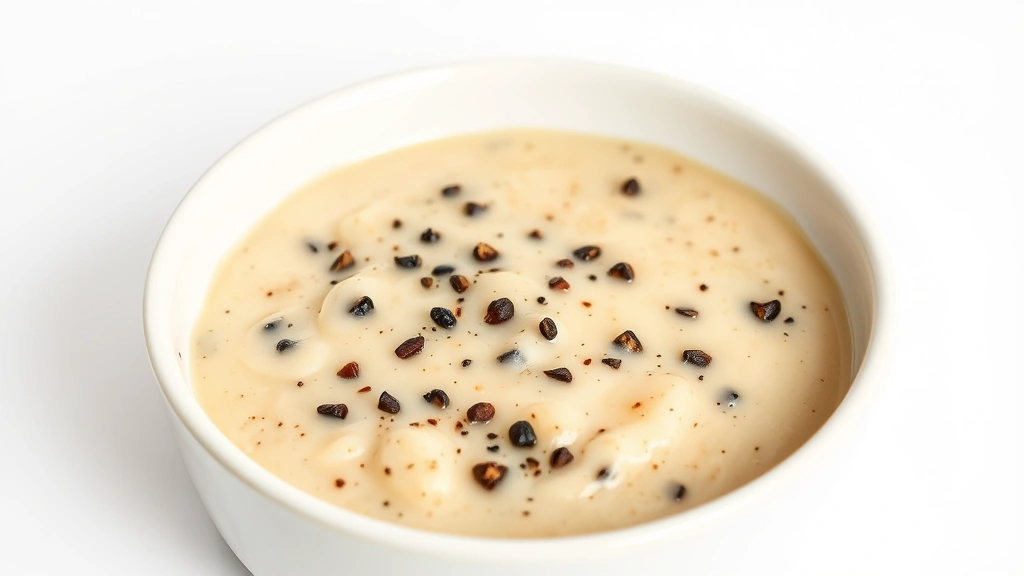
An au poivre sauce recipe is your ticket to restaurant-quality steaks and elegant dinners at home. This classic French sauce, built on a foundation of crushed peppercorns, cream, and a splash of cognac, transforms simple proteins into something genuinely impressive. Whether you’re cooking for yourself or impressing guests, mastering this sauce puts you in the craftsman’s chair—no fancy equipment needed, just technique and quality ingredients.
Table of Contents
What Is Au Poivre Sauce?
Au poivre—French for “with pepper”—is a classic French sauce that’s been gracing steakhouse plates for over a century. The magic happens when you combine crushed peppercorns with the fond (those flavorful brown bits) left in your pan after searing meat. Add cream, beef stock, and a touch of spirits, and you’ve got a sauce that’s bold, creamy, and sophisticated without being fussy.
This isn’t some delicate mother sauce that requires culinary school training. It’s honest cooking—the kind that rewards good technique and quality ingredients. The sauce works because of contrast: the heat and bite of pepper against the smoothness of cream, the richness balanced by acidity. Once you understand the mechanics, you can make it consistently.
Essential Ingredients Matter
Don’t skip quality here. You’re working with a short ingredient list, so each component carries weight. For a proper au poivre sauce recipe, gather these non-negotiables:
Peppercorns: Whole black peppercorns, freshly crushed. Pre-ground pepper loses potency and won’t deliver the same punch. You need about 1-2 tablespoons of whole peppercorns, crushed coarsely.
Butter: Unsalted butter for the initial pan work and finishing. Salted butter throws off your seasoning control.
Shallots: Minced fine. They add sweetness and complexity without overpowering the pepper.
Cognac or brandy: A quarter cup. This isn’t optional—the spirit adds depth and helps deglaze the pan. If you can’t use alcohol, use beef stock instead.
Beef stock: Quality matters. Use homemade if you’ve got it; otherwise, choose low-sodium store-bought. You’ll need about 1 cup.
Heavy cream: Full-fat, about three-quarters cup. This is what makes the sauce luxurious.
Dijon mustard: One teaspoon. It acts as an emulsifier and adds subtle tang.
Salt and fresh cracked pepper: For seasoning the finished sauce.
Choosing Your Peppercorns
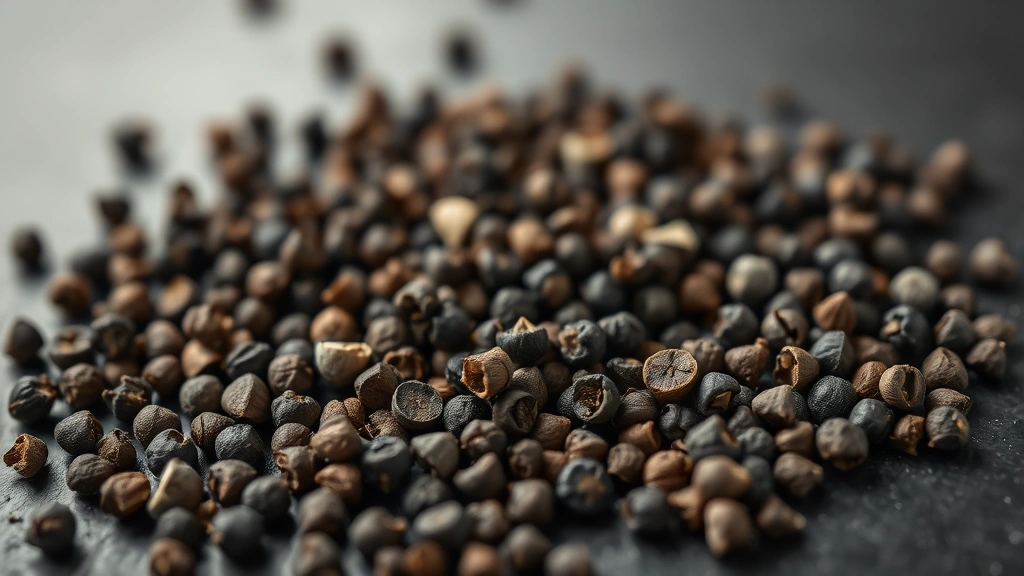
This is where amateurs and craftspeople diverge. Black peppercorns are your foundation, but quality varies. Look for peppercorns that are heavy, dark, and fragrant. Smell them before buying if possible—they should smell peppery and slightly floral, not dusty or stale.
Some cooks get adventurous and use a mix: black, white, and pink peppercorns. White peppercorns are milder and slightly fruity. Pink peppercorns add a subtle berry note. But if you’re new to making au poivre sauce recipe, stick with black. You can experiment once you’ve nailed the basics.
Crush your peppercorns right before cooking. Use a mortar and pestle or wrap them in a kitchen towel and crack them with the bottom of a heavy pan. You want coarse, irregular pieces—not powder, not whole berries. The size variation actually helps; larger pieces provide texture and flavor bursts, while smaller bits integrate into the sauce.
Step-by-Step Cooking Method
Here’s where the magic happens. This method works for two steaks or four smaller portions:
Step 1: Sear your protein. Season your steaks (or whatever you’re cooking) generously with salt. Heat a heavy skillet—cast iron or stainless steel—over medium-high heat. Add a thin film of neutral oil. When it shimmers, place your steaks in the pan. Don’t move them. Let them develop a golden crust, about 4 minutes per side for medium-rare, depending on thickness. Remove the steaks to a warm plate. They’ll continue cooking as the sauce comes together.
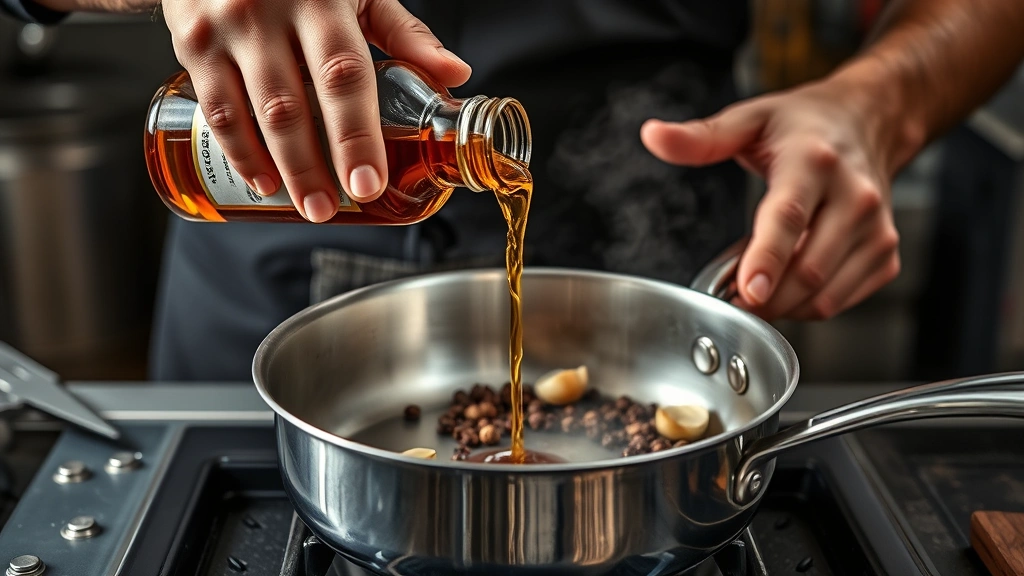
Step 2: Toast the peppercorns. In the same pan (don’t clean it—that fond is liquid gold), reduce heat to medium. Add your crushed peppercorns directly to the hot pan. Toast them for about 30 seconds, stirring constantly. This blooms the pepper’s flavor and removes any raw edge.
Step 3: Add shallots and butter. Add a tablespoon of butter to the pan. Once it foams, add your minced shallots. Cook for 2-3 minutes, stirring occasionally, until they soften and become fragrant. You’re building layers of flavor here.
Step 4: Deglaze with cognac. Carefully pour in your cognac. If you’re using a gas stove, tilt the pan toward the flame to ignite it (optional, but traditional). Let it burn for about 30 seconds—this burns off the harsh alcohol and concentrates the flavor. If you’re using electric heat or prefer not to flame, just let it simmer for a minute.
Step 5: Add stock and reduce. Pour in your beef stock. Bring to a simmer and let it reduce by half, about 5 minutes. This concentrates the flavors and creates a more structured sauce.
Step 6: Temper and add cream. Reduce heat to low. Pour your heavy cream into a small bowl and whisk in the Dijon mustard. Slowly add this mixture to the pan, whisking constantly. This tempering prevents the cream from breaking (curdling) when it hits the hot liquid. The mustard acts as an emulsifier, keeping everything smooth.
Step 7: Season and finish. Simmer gently for 2-3 minutes. Taste it. Season with salt and fresh cracked pepper to your preference. The sauce should coat the back of a spoon. If it’s too thin, simmer another minute. If it’s too thick, whisk in a splash of stock.
Step 8: Final butter swirl. Remove from heat and whisk in a final knob of cold butter. This adds gloss and richness—it’s called monter au beurre in French kitchens.
Avoiding Common Mistakes
Breaking the cream is the most common disaster. This happens when cream hits too-hot liquid without tempering. Solution: always temper your cream by whisking it with a bit of the hot sauce before adding it all back to the pan.
Using pre-ground pepper is another shortcut that backfires. Pre-ground pepper oxidizes and loses volatility. Your sauce will taste flat and dusty instead of vibrant. Crush whole peppercorns every time.
Overseasoning is easy with this sauce. Remember, you’re reducing liquids, which concentrates salt. Taste as you go and season conservatively at first. You can always add more salt; you can’t remove it.
Cooking the sauce too aggressively causes it to break or become grainy. Keep heat at medium or below once the cream is added. Gentle simmering is your friend.
Skipping the fond is a missed opportunity. Those brown bits on the pan bottom are concentrated flavor. They’re why restaurant sauces taste better than homemade versions—the fond is your secret weapon.
Flavor Variations to Try
Once you’ve mastered the basic au poivre sauce recipe, variations open up. Try adding a teaspoon of whole grain mustard for texture. A splash of red wine instead of cognac shifts the flavor profile toward earthiness. A pinch of fresh thyme or a bay leaf during reduction adds herbal notes.
Some cooks add a touch of demi-glace for deeper beef flavor, or substitute some of the cream with crème fraîche for tang. A whisper of Worcestershire sauce adds umami depth. Even a teaspoon of honey can balance the heat if your pepper hand gets heavy.
For lighter versions, substitute half the cream with beef stock. You lose some richness but gain a more refined, less heavy sauce. This works beautifully if you’re serving it with fish or chicken instead of steak.
Pairing Your Sauce
Au poivre is traditionally paired with beef—particularly high-quality steaks like ribeye, New York strip, or filet mignon. The pepper’s heat and the cream’s richness complement beef’s fat and umami perfectly.
But don’t limit yourself. This sauce works beautifully on duck breast, where the pepper cuts through the richness. Pork tenderloin benefits from the sauce’s sophistication. Even firm white fish like halibut or swordfish can handle it, though you might lighten it slightly.
Vegetable sides should be simple so the sauce remains the star. Steamed or roasted broccoli, creamed spinach, or buttered egg noodles all work. Avoid heavy, complex sides that compete with the sauce.
Storage and Make-Ahead Tips
Au poivre sauce keeps in the refrigerator for up to 4 days in an airtight container. The flavors actually deepen slightly as it sits. Reheat gently over low heat, whisking in a splash of stock if it’s thickened too much.
You can make this sauce ahead up to step 5 (after reducing the stock). Stop there, let it cool, and refrigerate. When you’re ready to serve, reheat gently and proceed with the cream addition. This approach lets you time everything perfectly for dinner service.
Freezing isn’t ideal because the cream can separate when thawed, but it’s possible in a pinch. Freeze in ice cube trays for portion control. Thaw in the refrigerator overnight and reheat very gently, whisking constantly.
If you’re making sauce recipes regularly, batch-make the stock reduction (step 5) and freeze it. Then finishing the sauce becomes a 10-minute job.
Frequently Asked Questions
Can I make au poivre sauce without alcohol?
Yes. Replace the cognac with an equal amount of beef stock or even water. You’ll lose some complexity, but the sauce will still taste good. Some cooks add a teaspoon of balsamic vinegar to compensate for the depth the alcohol provides.
What if my sauce breaks or becomes grainy?
Start over with a clean pan. Add a tablespoon of cold cream and whisk the broken sauce into it slowly. Sometimes this rescues it. If not, strain it through a fine-mesh sieve and accept that it’ll be thinner. Prevention is easier than rescue.
Can I use white pepper instead of black?
You can, but the flavor will be milder and slightly different. White pepper is less peppery and more subtle. Black pepper is traditional and delivers the boldness that defines the sauce.
How do I make this sauce less spicy?
Use less peppercorn—start with 1 tablespoon instead of 2. Toast it briefly to avoid raw pepper bite. Add a touch of honey or a teaspoon of sugar to balance the heat. Increase the cream proportion slightly.
Is this sauce gluten-free?
Yes, as written. None of the core ingredients contain gluten. Just verify your stock and any optional additions (like Worcestershire sauce) are certified gluten-free if that matters for your table.
Can I make this in large batches?
Absolutely. Scale the recipe proportionally. The technique remains the same. Just use a larger pan and allow more time for reduction. Batch-making is smart if you’re cooking for a crowd.
What’s the difference between au poivre and peppercorn sauce?
Technically, they’re the same thing. Au poivre is the French name. Some American recipes call it peppercorn sauce. The classic French version uses cognac; American versions sometimes use other spirits or skip alcohol entirely.
Wrapping It Up
Mastering an au poivre sauce recipe is one of those kitchen skills that makes you feel like a legitimate cook. It’s not complicated, but it demands attention and respect for technique. The ingredients are simple, the method is straightforward, and the results are restaurant-quality.
Start with the basic recipe, nail the technique, and then experiment. Try different peppercorn combinations. Play with spirits. Adjust cream ratios. The foundation is solid enough to support variations, and you’ll develop your own style through practice.
This is the kind of sauce that transforms ordinary dinner into something memorable. Your guests will think you’ve spent hours in the kitchen, but you’ll know it took 20 minutes and genuine skill. That’s the real craftsman’s advantage—knowing that technique and quality ingredients beat complexity and time every single time.


