
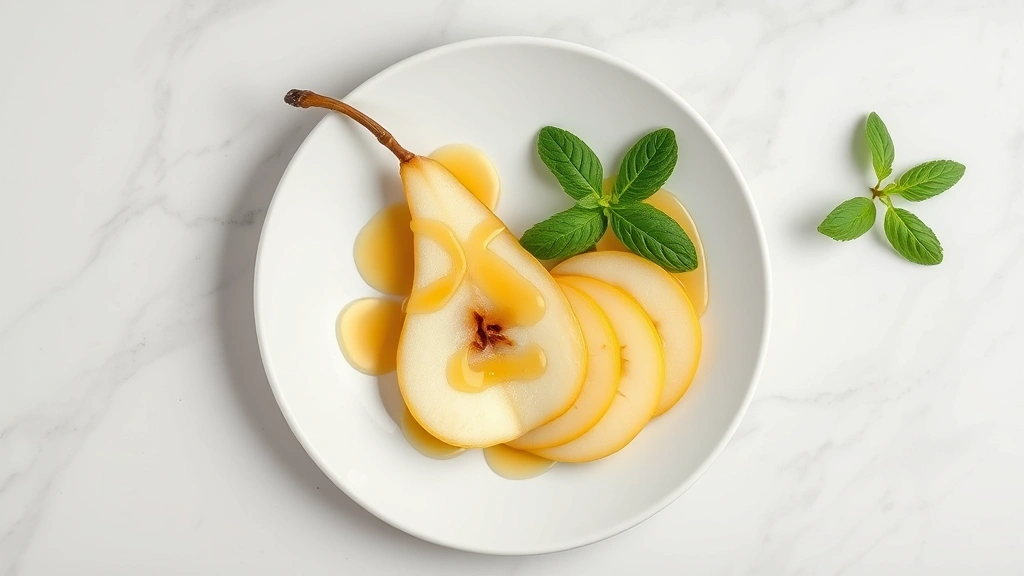
Asian pear recipes offer a refreshing way to use this crisp, juicy fruit that’s become increasingly popular in home kitchens. Whether you’re looking to incorporate them into savory dishes, desserts, or beverages, these versatile fruits deserve a spot in your cooking rotation. I’ve spent years experimenting with different ways to prepare them, and I’m excited to share the techniques that actually work.
Table of Contents
Fresh Eating & Prep
The simplest way to enjoy Asian pears is eating them fresh, right out of your hand. These fruits have a naturally crisp texture that’s almost apple-like, with a subtle sweetness that doesn’t require any cooking. Start by selecting ripe pears that yield slightly to pressure but aren’t mushy. Wash them under cool running water and pat dry.
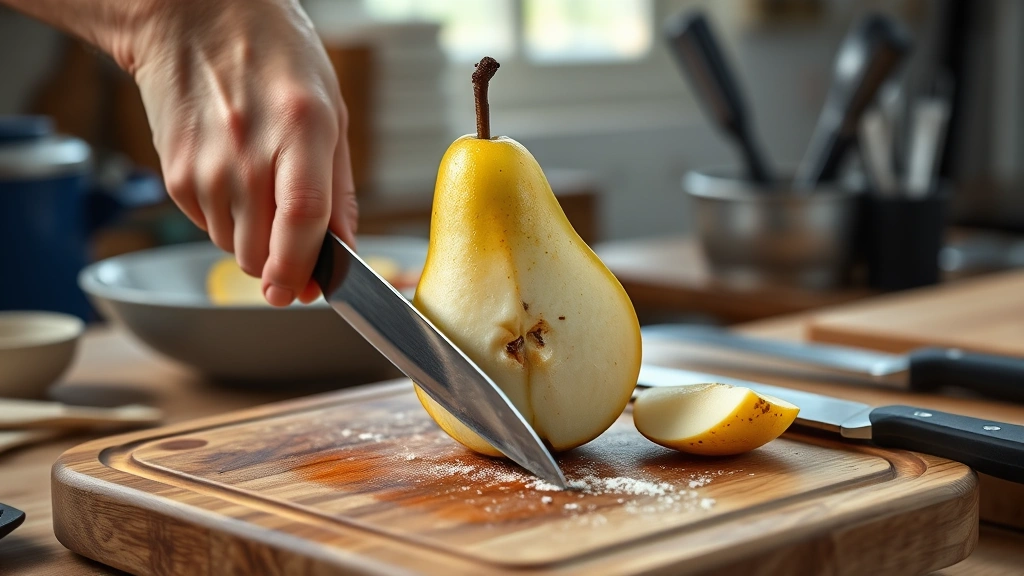
To prep them for eating, slice vertically from top to bottom, working around the core. You can eat the skin—it’s totally edible and contains valuable fiber. If you prefer peeled pears, use a vegetable peeler or paring knife to remove the thin skin before slicing. The flesh underneath is snow-white and stays firm even when cut, making it perfect for platters or lunchboxes. Store cut pears in an airtight container in the fridge for up to three days.
Grilled Pears with Honey
Grilling brings out the natural sugars in Asian pears and creates a caramelized exterior that’s absolutely addictive. Slice your pears lengthwise into quarter-inch-thick planks. Brush both sides lightly with melted butter or coconut oil, then sprinkle with a pinch of sea salt and cracked black pepper.
Heat your grill to medium-high (around 400°F). Place pear slices directly on clean grates and cook for two to three minutes per side until you see light char marks. The pears should still have firmness in the center—don’t overdo it or they’ll turn mushy. Transfer to a serving plate and drizzle with raw honey, a squeeze of fresh lemon juice, and optional crushed pistachios. This works beautifully as a side dish for grilled chicken or pork, or serve warm with vanilla ice cream for dessert. You can also capture pan drippings if you’re cooking these alongside proteins for an integrated meal.
Asian Pear Salad Ideas
Asian pear recipes shine in salads where their crisp texture contrasts beautifully with tender greens and creamy dressings. My go-to combination starts with mixed baby greens or arugula as the base. Slice one medium Asian pear into thin matchsticks and toss with the greens immediately—the natural acids in the pear prevent oxidation better than most fruits.
Build your salad by adding complementary ingredients: candied walnuts or toasted almonds for crunch, crumbled goat cheese or blue cheese for tang, and dried cranberries or pomegranate seeds for color. For dressing, whisk together three parts neutral oil with one part rice vinegar, a teaspoon of Dijon mustard, and a touch of honey. The sweetness of the pear means you need less sugar in your vinaigrette.
For a more substantial meal, add grilled chicken breast, shrimp, or crispy tofu. Asian pears also pair surprisingly well in coleslaw—replace half your cabbage with julienned pears and dress with a ginger-sesame vinaigrette. The fruit adds natural sweetness that balances the spice perfectly.
Poached Pears Recipe
Poaching is an elegant technique that transforms Asian pears into a sophisticated dessert. Combine two cups of water, one cup of sugar, and one cinnamon stick in a saucepan. Add the zest of one lemon and a vanilla bean split lengthwise. Bring to a gentle simmer over medium heat, stirring until the sugar dissolves completely.
While your poaching liquid heats, peel four medium Asian pears using a vegetable peeler, keeping them whole. Leave the stems attached for presentation. Using a melon baller or small spoon, carefully remove the core from the bottom of each pear, working upward about two-thirds of the way through.
Gently place the pears into the simmering liquid. They should be mostly submerged—add more water if needed. Reduce heat to low and simmer for fifteen to twenty minutes until the pears are tender when pierced with a knife but still hold their shape. The cooking time depends on ripeness, so start checking at twelve minutes.
Remove pears with a slotted spoon and set aside. Increase heat to medium-high and reduce the poaching liquid by half, about ten minutes. This concentrates the flavor into a beautiful syrup. Pour the warm syrup over the cooled pears and refrigerate for at least two hours. Serve chilled with a dollop of whipped cream or Greek yogurt.
Homemade Pear Jam
Making jam from Asian pears is straightforward and yields a delicate spread that’s perfect on toast, yogurt, or baked goods. You’ll need four pounds of ripe Asian pears, three cups of sugar, juice of two lemons, and one vanilla bean (optional but recommended).
Peel, core, and dice your pears into half-inch chunks. Combine them in a large heavy-bottomed pot with the sugar and lemon juice. Split the vanilla bean and scrape the seeds into the pot, adding the pod as well. Let the mixture sit at room temperature for one hour—this allows the pears to release their juices and the sugar to begin dissolving.
Place the pot over medium-high heat and bring to a rolling boil, stirring frequently to prevent sticking. You’ll notice foam rising to the surface; skim this off with a spoon. Continue cooking for thirty to forty-five minutes, stirring every five minutes. The jam is ready when it reaches 220°F on a candy thermometer, or when a small spoonful on a cold plate wrinkles when pushed with your finger.
Remove from heat and let cool for five minutes. Ladle into sterilized jars, leaving quarter-inch headspace, and process in a water bath for ten minutes. This jam keeps for up to one year unopened, or three weeks refrigerated after opening.
Smoothie & Drink Recipes
Asian pears blend beautifully into smoothies where their mild flavor doesn’t overpower other ingredients. For a simple pear smoothie, combine one chopped Asian pear, one cup of Greek yogurt, half a cup of almond milk, one tablespoon of honey, and a handful of ice. Blend until completely smooth. The result is creamy, naturally sweet, and packed with protein.
For something more adventurous, try a ginger-pear smoothie: blend one Asian pear with one cup of coconut milk, half an inch of fresh ginger, a pinch of turmeric, and a tablespoon of almond butter. This combination is warming and anti-inflammatory—perfect for post-workout recovery.
Asian pears also make excellent juice. Run peeled and cored pears through a cold-press juicer for the clearest, most delicate juice. Mix it with sparkling water and fresh mint for a sophisticated mocktail. If you’re making cocktails, Asian pear juice pairs beautifully with vodka, white rum, or sake. The fruit’s natural sweetness means you need minimal additional sugar in your drinks.
Savory Cooking Methods
Don’t sleep on savory applications for Asian pear recipes. These fruits work surprisingly well in Asian stir-fries where their crisp texture holds up to high heat. Slice pears into thin wedges and add them to a hot wok in the final two minutes of cooking—this prevents them from becoming mushy while allowing them to warm through and absorb surrounding flavors.
Pears are traditional in Korean cuisine, particularly in marinades for beef. Grate one Asian pear and combine with soy sauce, sesame oil, minced garlic, and ginger to create a marinade for bulgogi or short ribs. The fruit’s natural enzymes help tenderize the meat while adding subtle sweetness that balances the savory elements.
For a surprising side dish, try roasting Asian pears alongside root vegetables. Toss pear wedges with carrots, parsnips, and Brussels sprouts in olive oil, salt, and pepper. Roast at 425°F for twenty-five to thirty minutes until everything is caramelized and tender. You can even incorporate this into a steamed vegetable medley for varied cooking methods in one meal.
Storage & Preservation
Proper storage keeps your Asian pears fresh and ready for cooking. Unripe pears should sit at room temperature for three to five days until they yield slightly to pressure. Once ripe, transfer them to the refrigerator’s crisper drawer where they’ll keep for up to three weeks. Check them every few days and remove any that start to soften too much.
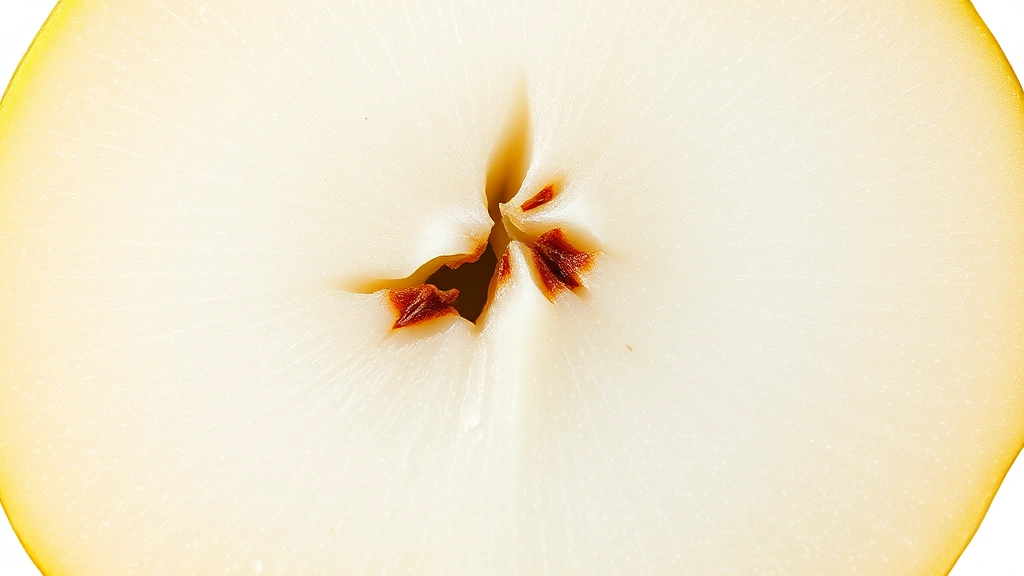
For longer storage, consider freezing. Peel, core, and slice your pears, then arrange them on a baking sheet and freeze for two hours. Transfer the frozen slices to freezer bags and store for up to six months. Frozen pears work best in smoothies, jams, or cooked dishes rather than fresh applications since freezing damages their crisp texture.
Canning and preserving (like the jam method above) extends your pear supply throughout the year. You can also make pear leather by pureeing cooked pears with a touch of honey, spreading the mixture thin on parchment paper, and drying in a low oven (200°F for six to eight hours). Store these shelf-stable snacks in airtight containers.
Frequently Asked Questions
What’s the difference between Asian pears and regular pears?
Asian pears (also called nashi or apple pears) have a rounder shape and much crispier texture than European pears like Bosc or Bartlett. They’re also juicier and sweeter, with a flavor that’s somewhere between an apple and a traditional pear. Asian pears are best eaten fresh or in applications where you want to preserve their crunch, while European pears are better for poaching and jam-making.
How do I know when an Asian pear is ripe?
Ripe Asian pears yield slightly to gentle pressure but remain quite firm—much firmer than a ripe European pear. They should smell fragrant and sweet at the stem end. If you’re unsure, taste a small piece: ripe pears are sweet and juicy, while unripe ones taste starchy and bland. Most Asian pears ripen at room temperature over a few days.
Can I substitute Asian pears in recipes calling for apples?
Yes, in most cases. Asian pears work well in any recipe where you want a crispier texture and milder flavor than apples provide. They’re excellent in salads, slaws, and fresh applications. For baked goods, note that they release more liquid than apples, so you may need to reduce other liquids slightly or add a bit more thickener.
Are Asian pear skins edible?
Absolutely. The thin skin is completely edible and contains fiber and nutrients. Wash them thoroughly under running water before eating. Some people prefer to peel them for texture reasons, but there’s no food safety concern with eating the skin.
What’s the best way to use overripe Asian pears?
Overripe pears are perfect for cooking: jams, poaching, smoothies, and baking. Their softer texture doesn’t matter in these applications, and their increased sweetness is actually desirable. Never waste an overripe pear—it’s just entering its prime for culinary use.
Final Thoughts
Asian pear recipes deserve a permanent place in your kitchen repertoire. Whether you’re enjoying them fresh on a summer afternoon, grilling them alongside dinner, or transforming them into jam for winter mornings, these fruits deliver consistent results and genuine flavor. The techniques I’ve shared here are forgiving enough for beginners but sophisticated enough to impress at dinner parties.
Start with the simplest preparations—fresh eating and salads—to understand the fruit’s natural character. Then experiment with grilling, poaching, and preserving as you build confidence. Most importantly, buy pears when they’re in season (late summer through fall) and support local growers. You’ll notice an immediate difference in flavor and quality compared to off-season imports.
For more cooking techniques and food preparation methods, check out resources like Family Handyman for kitchen setup advice and This Old House for home kitchen design inspiration. These sites offer comprehensive guides on creating the perfect cooking space for experimenting with recipes like these.


