
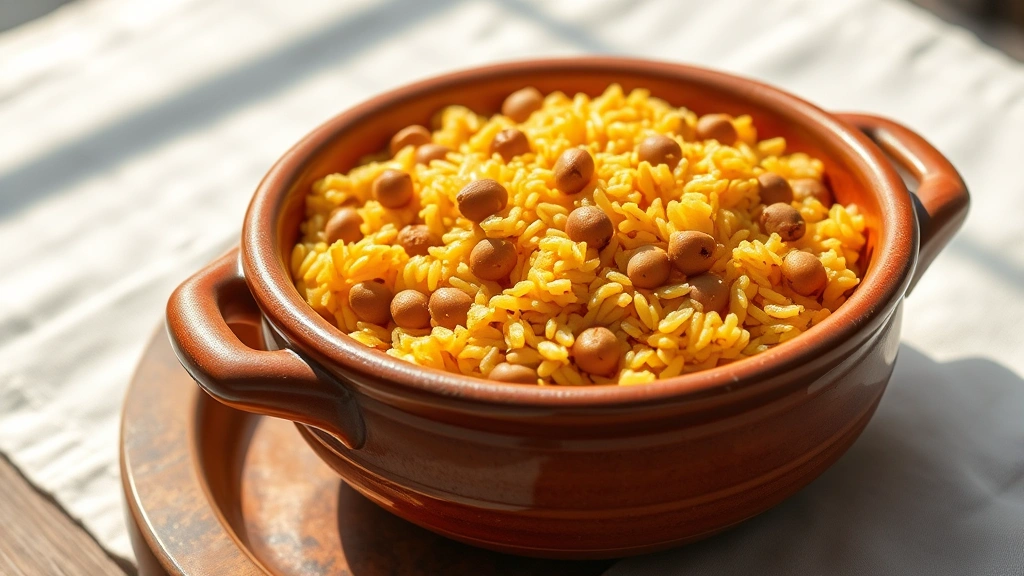
An arroz con gandules recipe is the backbone of Puerto Rican cuisine, and once you nail the technique, you’ll understand why this one-pot wonder shows up at every family gathering from San Juan to the Bronx. This isn’t fancy cooking—it’s honest, flavorful, and built on layers of sofrito, pigeon peas, and rice that come together like a well-oiled machine. I’m going to walk you through exactly how to build this dish from the ground up, no shortcuts, no nonsense.
Table of Contents
What Is Arroz Con Gandules?
Arroz con gandules translates to rice with pigeon peas, and it’s a Puerto Rican staple that’s been feeding families for generations. The dish combines medium-grain rice with gandules (pigeon peas), a savory sofrito base, and broth to create something that’s greater than the sum of its parts. Think of it like a Spanish paella’s Caribbean cousin—it’s got that same one-pot efficiency but with its own distinct flavor profile. The beauty of this recipe is that it’s forgiving once you understand the core technique. You’re building layers: fat, aromatics, rice, liquid, and time.
Gather Your Ingredients
Here’s what you need for a solid four-to-six serving batch:
- 2 tablespoons olive oil
- 4 ounces sofrito (or make your own from cilantro, recaíto, and garlic)
- 1 packet (12 ounces) gandules (pigeon peas), drained and rinsed
- 2 cups medium-grain rice (not arborio, not long-grain—medium is the sweet spot)
- 3.5 cups chicken or vegetable broth
- 1 teaspoon salt (adjust to taste)
- ½ teaspoon black pepper
- 1 teaspoon dried oregano
- 4 pimiento-stuffed olives, sliced (optional but traditional)
- 2 tablespoons capers (optional)
- 1 bay leaf
The ingredient list is short because this dish relies on technique and timing, not complexity. If you can’t find gandules canned, frozen works just as well—actually, frozen often has better texture.
Prepare Your Sofrito Base
Sofrito is where the magic happens. This is your flavor foundation, and it’s non-negotiable. If you’re buying it pre-made (totally acceptable), grab a quality brand from the Latin section of your grocery store. If you’re making it fresh, blend together a handful of cilantro, recaíto (or culantro if you can find it), garlic cloves, and a splash of olive oil until you get a paste. This is your power move.
Heat your olive oil in a heavy-bottomed pot over medium heat—cast iron or stainless steel, nothing non-stick here. Once the oil shimmers, add your sofrito and let it bloom for about 2-3 minutes. You’re not browning it aggressively; you’re coaxing out the aromatics. The kitchen should smell incredible at this point. This is the foundation everything else builds on, so don’t rush this step or skip it.
Cook the Rice Properly
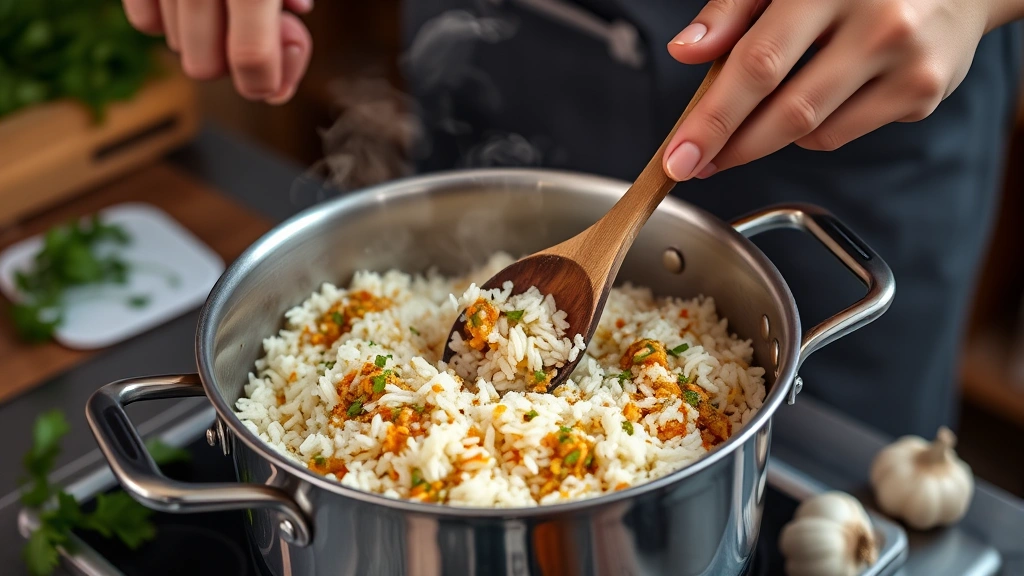
Once your sofrito is fragrant, add your rinsed rice directly to the pot. This is important—rinse your rice under cold water until the water runs mostly clear. You’re removing excess starch, which prevents gumminess. Stir the rice into the sofrito for about 2 minutes, coating every grain. You want each grain toasted slightly in that flavorful fat.
Pour in your broth—chicken broth gives you more depth, but vegetable works fine if you’re going that direction. Add your bay leaf, salt, pepper, and oregano. Stir everything together, then bring it to a boil. Once it’s boiling, reduce heat to low, cover with a tight-fitting lid, and let it go for about 18-20 minutes. Don’t peek. Seriously. Every time you lift that lid, you’re releasing steam and extending cook time. Set a timer and trust the process.
Add the Pigeon Peas
About halfway through cooking (around the 10-minute mark), carefully lift the lid and stir in your drained gandules. If you’re using the olives and capers, add them now too. These additions bring brightness and a little briny punch that balances the richness of the sofrito. Stir gently to distribute everything evenly, then cover again and let it finish cooking.
The gandules don’t need cooking—they’re already cooked if you’re using canned or frozen—so you’re just warming them through and letting them absorb the flavors around them. This is also when you can taste and adjust your seasoning if needed. The rice should be tender but not mushy, and most of the liquid should be absorbed.
Season It Right
Seasoning an arroz con gandules recipe is about balance. The sofrito already brings salt and depth, so be careful not to over-salt. Taste a spoonful of rice and broth together—that’s your benchmark. If it needs more salt, add it a pinch at a time. Oregano is traditional, but some families add a little adobo seasoning or a dash of recaíto powder for extra punch. This is where you make it your own, but start conservative and build from there.
Some cooks add a splash of white wine or a tablespoon of tomato paste to deepen the flavor. These are optional tweaks, but they work. The key is understanding that this dish is forgiving—you can adjust as you go, and it’ll still be delicious.
Rest and Serve
Once the rice is tender and the liquid is absorbed, remove from heat and let it sit, covered, for 5 minutes. This resting period lets the rice firm up slightly and makes serving easier. Then fluff it with a fork—don’t stir aggressively, just break up any clumps and distribute the gandules throughout.
Serve it hot, ideally with a simple green salad on the side and maybe some fried plantains if you’re feeling generous. This dish is comfort food at its finest, and it reheats beautifully. Leftovers actually taste better the next day as flavors meld overnight.
Common Mistakes to Avoid
Rice turned out mushy? You either used too much liquid or cooked it too long. Next time, use the 1:1.75 ratio (1 cup rice to 1.75 cups liquid) and stick to 18-20 minutes exactly. Rice still crunchy? Not enough liquid or not enough cooking time. Add a quarter cup of hot broth, cover, and cook another 3-5 minutes.
Sofrito flavor is weak? You didn’t bloom it long enough in the oil at the beginning. That step matters more than you think. Gandules taste bland? They’re absorbing the rice flavor, which is fine, but make sure your broth is well-seasoned before it goes in the pot. Burnt rice on the bottom? That’s actually a feature in some Puerto Rican kitchens—it’s called pegao, and it’s crispy, flavorful gold. Don’t scrape it off; serve it as a special treat.
Frequently Asked Questions
Can I make arroz con gandules in a rice cooker?
Absolutely. Use the same 1:1.75 rice-to-liquid ratio, add your sofrito to the cooker first, then rice and broth. Add gandules halfway through cooking. It won’t have quite the same depth as stovetop, but it’s convenient and reliable.
What’s the difference between gandules and other beans?
Gandules (pigeon peas) have a slightly earthy, nutty flavor and a firmer texture than black beans or kidney beans. They’re traditional to this dish and worth seeking out, but in a pinch, you can substitute with chickpeas or even white beans. The dish will taste different but still be good.
Can I use long-grain rice instead of medium?
You can, but medium-grain is better because it absorbs liquid more evenly and stays tender without getting mushy. Long-grain tends to stay separate and can dry out. If that’s all you have, reduce your liquid by a quarter cup.
How do I store leftovers?
Keep it in an airtight container in the fridge for up to four days. Reheat gently on the stovetop with a splash of broth to restore moisture, or microwave covered with a damp paper towel. It freezes well for up to three months too.
Is sofrito essential, or can I skip it?
Sofrito is the soul of this dish. Skipping it means you’re missing the core flavor profile. If you can’t find it, make it fresh—it takes five minutes and a blender. This is one step you shouldn’t cut.
What broth should I use?
Chicken broth is traditional and gives the best flavor. Vegetable broth works for a lighter version. Avoid beef broth—it overpowers the delicate balance. Use low-sodium broth if possible so you can control the salt level.
Can I add meat to this dish?
Yes. Many families add diced sofrito-seasoned pork, chorizo, or ham. Brown it first in the oil before adding sofrito, then proceed as normal. This turns it into a heartier one-pot meal.
Final Thoughts
Making an authentic arroz con gandules recipe is less about following rules and more about understanding the fundamentals: build flavor in fat, toast your rice, use the right liquid ratio, and give it time. Once you’ve made it a couple times, you’ll stop thinking about the steps and start thinking about tweaks. Maybe you’ll add a pinch more oregano, or use a different sofrito brand, or throw in some capers. That’s when you know you’ve got it.
This dish has fed Puerto Rican families for generations because it’s reliable, forgiving, and absolutely delicious. It’s the kind of meal that brings people together, and once you master it, you’ll understand why. Start with this recipe, trust the process, and don’t overthink it. You’ve got this.
For more kitchen basics, check out how to make applesauce for another classic technique. And if you’re looking to master your kitchen workspace, how to clean a washing machine keeps your kitchen running smoothly. For creative kitchen projects, how to make paper mache opens up fun possibilities, and how to add a signature in Google Docs helps you document your favorite recipes digitally.


