
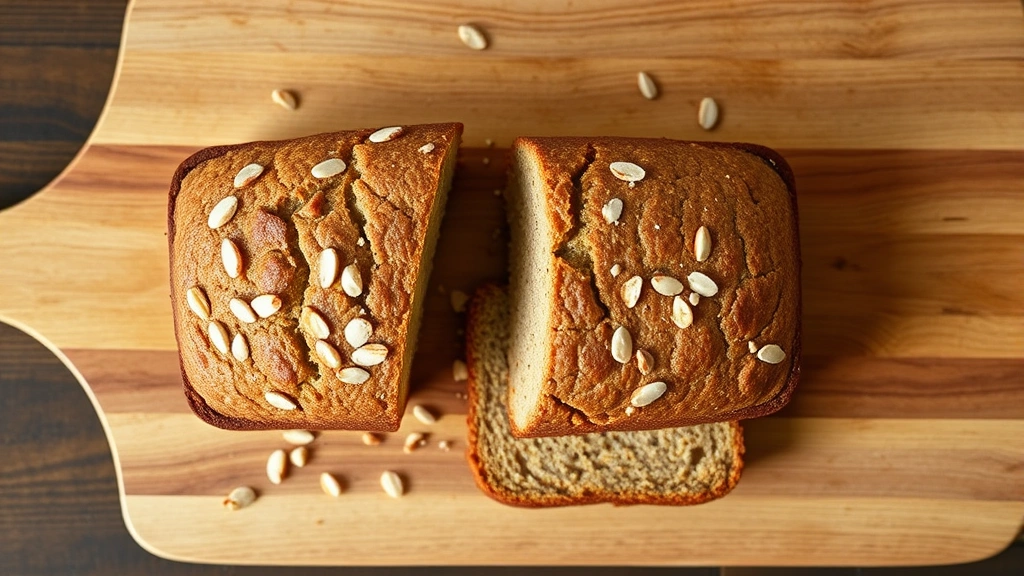
An almond flour banana bread recipe is your ticket to a moist, tender loaf that skips the traditional wheat flour without sacrificing flavor or texture. Whether you’re going gluten-free, keto, or just experimenting with alternative flours, this guide walks you through everything from ingredient selection to troubleshooting common mishaps.
Table of Contents
Why Almond Flour Works
Almond flour isn’t just a trendy substitute—it’s a legitimate ingredient that brings real benefits to banana bread. Unlike wheat flour, almond flour is naturally moist because of its fat content (about 50% of the composition). This means your banana bread stays tender for days instead of drying out by day two. The nutty undertone also complements banana’s sweetness in ways all-purpose flour can’t match.
When you use almond flour, you’re working with finely ground blanched almonds. The texture is powder-like, which allows it to blend seamlessly into batters. The key difference from traditional baking is understanding that almond flour absorbs liquids differently than wheat flour, so you’ll need to adjust your wet-to-dry ratio slightly.

Ingredients You’ll Need
Here’s the foundation for a killer almond flour banana bread:
- 3 ripe bananas (about 1 cup mashed) – overripe is better for sweetness and moisture
- 2 cups almond flour – blanched, finely ground
- 4 large eggs – room temperature for better binding
- 1/2 cup coconut oil or butter – melted (coconut oil keeps it dairy-free)
- 1/2 cup honey or maple syrup – adds moisture and sweetness
- 1 teaspoon vanilla extract
- 1 teaspoon baking soda – crucial for rise
- 1/2 teaspoon sea salt
- 1/2 teaspoon cinnamon – optional but recommended
- 1/4 teaspoon nutmeg – optional, adds depth
The eggs are your secret weapon here. They provide structure that almond flour alone can’t deliver. Room-temperature eggs incorporate better and create a more cohesive crumb.

Step-by-Step Instructions
Prep work (5 minutes): Preheat your oven to 350°F. Grease a 9×5-inch loaf pan with coconut oil or parchment paper. Don’t skip this—almond flour batters stick more than wheat-based ones.
Combine wet ingredients (3 minutes): In a large bowl, whisk together melted coconut oil, honey, and eggs until fully combined. Mash your bananas to a chunky consistency (not baby food texture—you want some texture remaining) and fold them into the wet mixture. Add vanilla extract and stir.

Mix dry ingredients (2 minutes): In a separate bowl, whisk together almond flour, baking soda, salt, cinnamon, and nutmeg. This prevents clumping and ensures even distribution of the leavening agent.
Combine (2 minutes): Pour the dry mixture into the wet ingredients and fold gently with a spatula—don’t overmix. Overmixing develops gluten in any trace wheat contamination and can make the crumb dense. You’re looking for just-combined, with a few flour streaks visible is fine.

Pour and bake (40-50 minutes): Transfer batter to your prepared pan. Smooth the top gently. Bake at 350°F for 40-50 minutes, until a toothpick inserted in the center comes out with a few moist crumbs (not wet batter, but not completely clean either). Almond flour batters benefit from slightly underbaking—they continue cooking as they cool.
Mixing Techniques Matter
This is where most home bakers go wrong. Your mixing method directly affects whether you get a tender crumb or a dense brick. The fold-and-stop approach works best here because almond flour develops a different structure than wheat flour.

When combining wet and dry, use a rubber spatula and fold from the bottom up, rotating the bowl slightly with each fold. Stop when you can barely see dry flour streaks. This takes about 12-15 folds, not 30+ like some recipes suggest. Trust me on this—I’ve made the dense mistakes so you don’t have to.
Another pro move: let your batter rest for 5 minutes after combining. This allows the almond flour to fully hydrate and actually improves the final texture.

Baking Temperature Guide
Temperature precision matters with almond flour. Too hot (375°F+) and your bread will brown on the outside while staying gummy inside. Too cool (325°F) and it bakes unevenly.
350°F is the sweet spot for most ovens. If your oven runs hot, drop to 325°F and add 5-10 minutes to baking time. If it runs cool, bump it to 375°F but watch carefully starting at 35 minutes.

Use an oven thermometer—seriously. Most home ovens are off by 25°F or more. A cheap digital thermometer costs $10 and solves 90% of baking failures.
The toothpick test: Insert a toothpick into the thickest part (usually the center). It should come out with a few moist crumbs clinging to it. If it’s completely clean, you’ve overbaked. If it’s wet batter, you need more time. This “moist crumb” stage is critical for almond flour breads because they don’t have gluten to hold moisture like wheat breads do.

Moisture & Texture Secrets
The holy grail of almond flour banana bread is that perfect moist-but-not-gummy texture. Here are the insider tricks:
Overripe bananas are non-negotiable. They should have brown spots and feel almost mushy. These release more liquid and natural sugars, creating inherent moisture in your batter.

Don’t skip the honey or maple syrup. These hygroscopic ingredients literally pull moisture from the air, keeping your bread moist for days. Sugar alone doesn’t do this as effectively.
Underbake slightly. Almond flour continues cooking as it cools, so pulling it out when a toothpick has a few moist crumbs prevents that dry, crumbly texture.

Cool completely before slicing. I know it smells amazing, but cutting warm almond flour bread creates a crumbly mess. Wait at least 30 minutes. Better yet, wait until the next day when the crumb sets up properly.
Store it wrapped. Almond flour’s high fat content means it can go rancid if exposed to air. Wrap cooled bread tightly in plastic wrap or store in an airtight container.

Storage & Shelf Life
Properly stored almond flour banana bread stays fresh and moist for 4-5 days at room temperature in an airtight container. The high fat content from the almond flour actually helps preservation compared to wheat-based breads.
For longer storage, wrap individual slices in plastic wrap and freeze for up to 3 months. Thaw at room temperature for about 2 hours before eating. Frozen slices also work great straight from the freezer if you pop them in the toaster oven for 5 minutes.

Pro tip: Don’t refrigerate. The cold accelerates staling in almond flour breads. Room temperature or freezer are your only friends here.
Common Mistakes to Avoid
Using raw (unblanched) almond flour: The skin adds bitterness and makes the texture gritty. Always use blanched almond flour for banana bread.

Overmixing the batter: This creates a dense, tough crumb. Mix just until combined—lumpy is better than smooth.
Using cold eggs: Cold eggs don’t incorporate evenly and can result in a separated, curdled batter. Let them sit on the counter for 15 minutes before using.

Skipping the baking soda: Almond flour doesn’t have gluten to trap gas bubbles, so baking soda is essential for any rise at all. Don’t reduce it.
Opening the oven door constantly: Every peek drops the temperature and interferes with even baking. Check only after 35 minutes using the oven light.
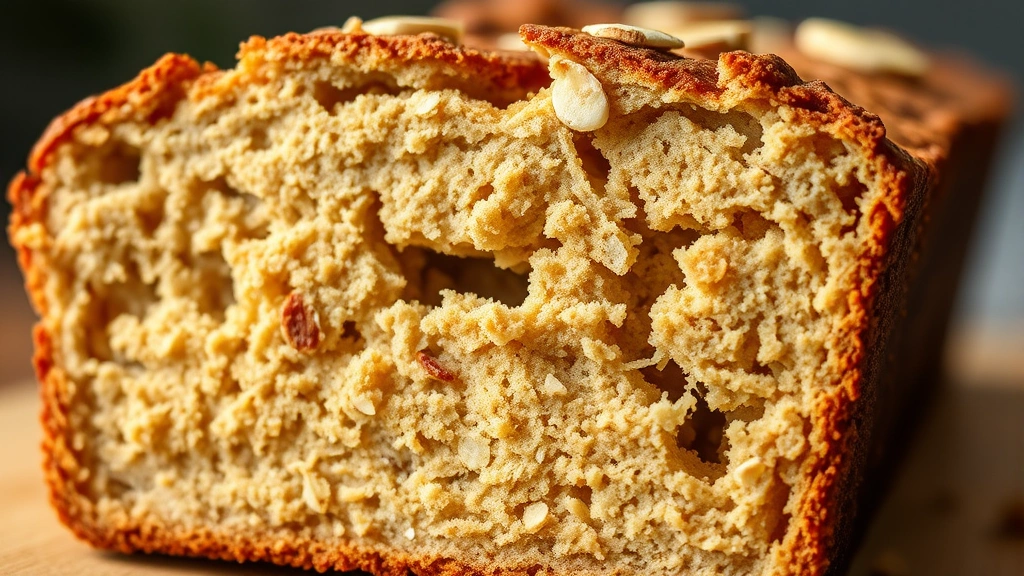
Slicing while warm: This creates crumbles instead of clean slices. The crumb needs time to set.
Recipe Variations
Add-ins: Fold in 1/2 cup chopped walnuts or pecans for texture. Chocolate chips (1/3 cup) work surprisingly well. Fresh blueberries are excellent too—toss them in a bit of almond flour first to prevent sinking.
Spice variation: Increase cinnamon to 1.5 teaspoons and add 1/4 teaspoon cardamom for an Indian-inspired twist. Or add 1/2 teaspoon ginger powder for warmth.
Dairy-free: Use coconut oil instead of butter and ensure your honey is vegan (some use bone char in processing). This version is naturally dairy-free if you use these swaps.

Lower sugar: Replace honey with monk fruit sweetener (use 1/3 cup) or allulose (use 1/2 cup). The bread won’t brown as beautifully, but it works functionally.
Protein boost: Add 2 tablespoons vanilla protein powder to your dry ingredients. This adds structure without affecting taste.

Frequently Asked Questions
Can I substitute regular flour for almond flour?
Technically yes, but it defeats the purpose. If you want a wheat flour version, use 1.5 cups all-purpose flour and reduce the eggs to 3. The texture and moisture profile will be completely different though.
Why is my banana bread dense and gummy?
Three culprits: overmixing, underbaking, or too much liquid. Check that you’re mixing just until combined, baking until a toothpick shows moist crumbs (not wet batter), and using the exact measurements. Almond flour is finicky about ratios.

How do I know when it’s actually done baking?
The toothpick test is most reliable. Insert it into the thickest part. It should come out with a few moist crumbs clinging to it, not clean and not wet. The top should be golden brown and spring back slightly when touched.
Can I make this in a muffin tin instead?
Absolutely. Fill muffin cups 2/3 full and bake at 350°F for 20-25 minutes. Check at 18 minutes because smaller portions bake faster.

Is almond flour more expensive than regular flour?
Yes, significantly. Almond flour costs 3-5x more than all-purpose flour. Buy it in bulk from warehouse stores or online to save money if you bake with it regularly.
Does this recipe work with almond meal instead of almond flour?
Not ideally. Almond meal is coarser and includes the skin, resulting in a grittier texture and slightly bitter taste. Blanched almond flour is finer and gives better results, though almond meal works in a pinch—just expect a denser crumb.
Can I double this recipe?
Yes, but bake in two loaf pans or a 9×13 baking dish. Two loaves bake for the same 40-50 minutes. A 9×13 dish needs about 45-55 minutes. Increase baking soda to 1.5 teaspoons when doubling.
Why does my banana bread sink in the middle?
The batter is too wet or the oven temperature is too low. Ensure you’re using ripe (not overly wet) bananas, measure almond flour by weight if possible, and verify your oven temp with a thermometer. Also, avoid opening the oven door before 35 minutes.
Final Thoughts
An almond flour banana bread recipe produces a naturally moist, tender loaf that rivals any traditional version. The key is respecting how almond flour behaves differently—mixing gently, baking at the right temperature, and stopping before you think it’s done. Once you nail these fundamentals, you can experiment with variations and add-ins to make it your own.
The first time you pull a perfectly golden, moist loaf from the oven and slice into it the next day to find that ideal crumb texture, you’ll understand why almond flour banana bread is worth the extra effort. It’s not just a gluten-free trend—it’s legitimately better in almost every way that matters.
For more kitchen techniques, check out our guides on how long to steam carrots and how to make popping boba for other creative cooking adventures. You might also find how long to bake tilapia useful for expanding your baking repertoire beyond breads.


