
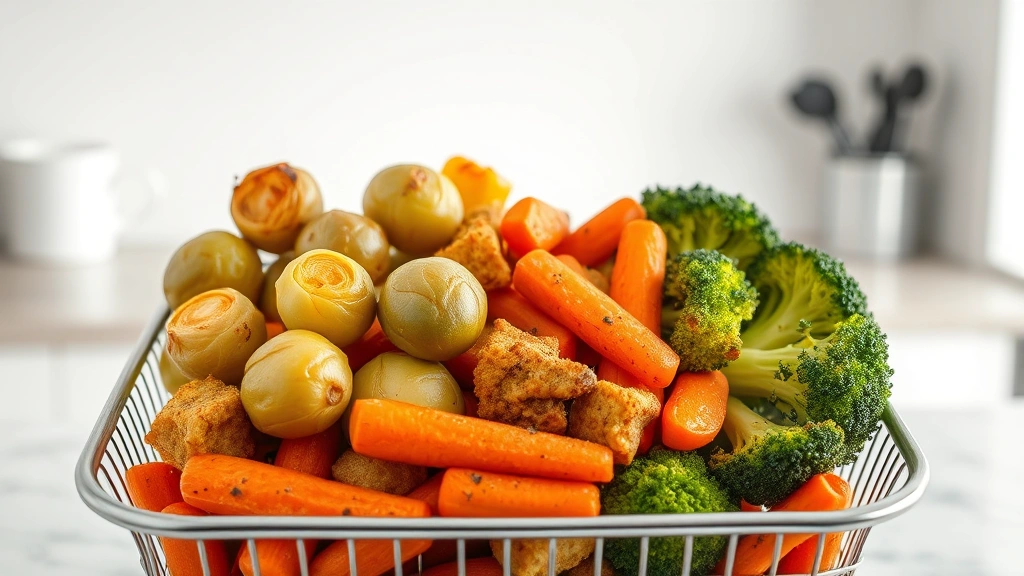
Air fryer vegetable recipes have completely transformed how I cook weeknight dinners. Forget the days of soggy steamed broccoli or limp roasted carrots—when you nail the technique, an air fryer cranks out vegetables that are crispy on the outside, tender inside, and packed with actual flavor. I’m talking about caramelized edges, concentrated natural sweetness, and textures that make you forget you’re eating something healthy.
Table of Contents
Why Air Fryers Nail Vegetables
Here’s the thing about air fryers: they’re basically tiny convection ovens on steroids. The circulating hot air at 350-400°F creates a Maillard reaction—that’s the fancy term for browning that develops complex flavors. You get that restaurant-quality caramelization without deep frying, which means less oil and fewer calories. The moisture in vegetables gets driven off quickly, leaving you with actual texture instead of mush.
I’ve tested this against regular ovens, and the air fryer wins every time on crispness and speed. Most air fryer vegetable recipes cook in 12-18 minutes versus 25-35 in a conventional oven. That’s the kind of difference that matters when you’re hungry.
Prep Techniques That Matter
Don’t skip this part—prep is where most people mess up their air fryer vegetable recipes. First rule: pat everything dry with paper towels. Moisture is the enemy of crispiness. Second rule: cut pieces to roughly the same size so they cook evenly. A Brussels sprout should be halved, carrots cut into batons about pencil-thick, broccoli florets no bigger than a golf ball.
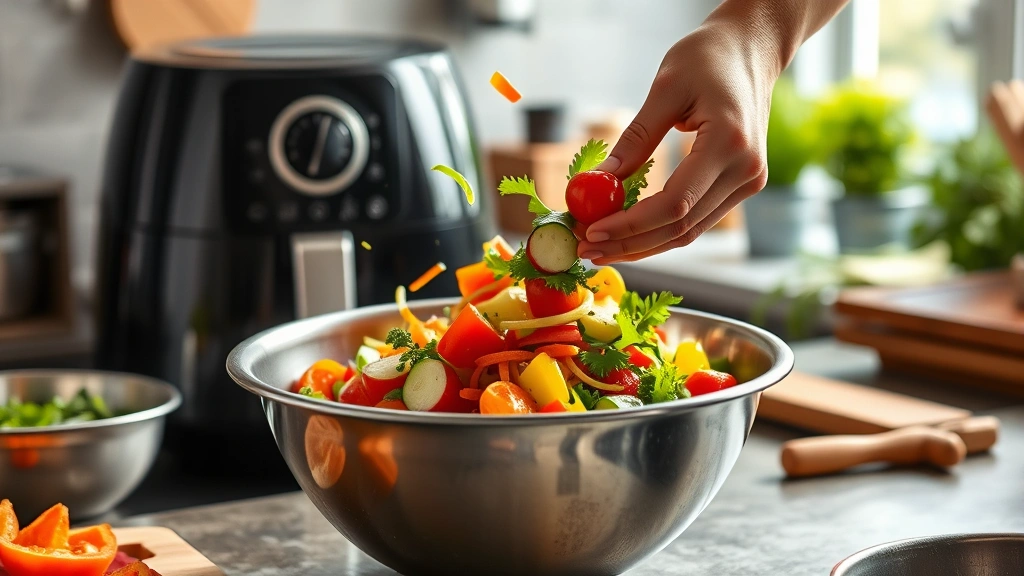
For oil, use about 1-2 tablespoons per 2 cups of vegetables. I know that sounds light, but air fryers need way less than traditional roasting. Toss everything in a bowl with your seasonings, then spread it in a single layer—don’t overcrowd. Overcrowding is the second-most common mistake after skipping the drying step. If pieces are stacked, they steam instead of crisp.
Crispy Brussels Sprouts
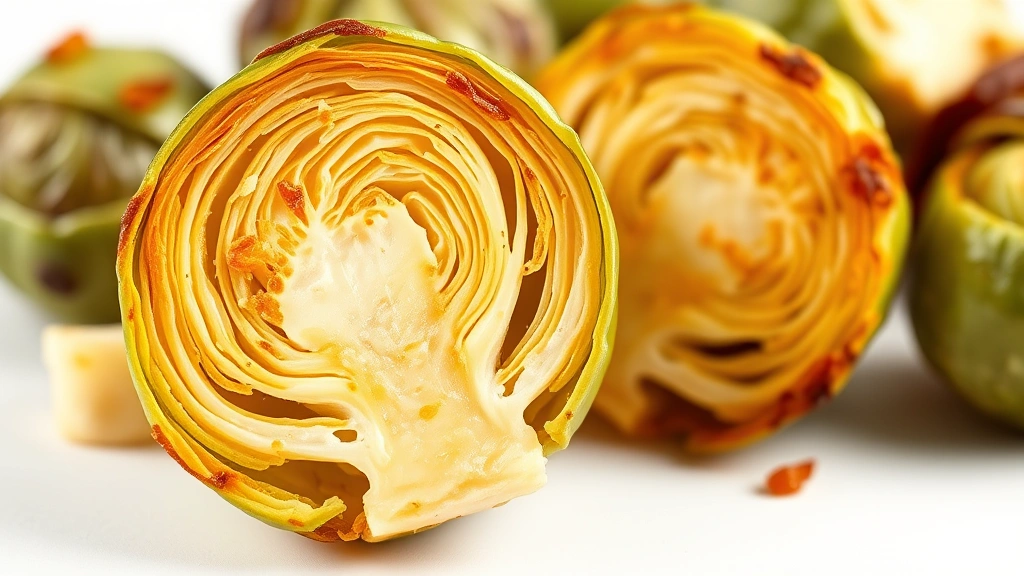
These are the gateway drug to air fryer vegetable recipes. Cut Brussels sprouts in half, toss with olive oil, salt, and pepper. Air fry at 380°F for 15 minutes, shaking the basket halfway through. The cut sides get this incredible caramelized crust while the insides stay tender.
For a flavor upgrade, add garlic powder, smoked paprika, or balsamic vinegar. Some people finish them with a drizzle of honey and a sprinkle of parmesan—that combination of sweet, salty, and savory is addictive. I make a double batch because they disappear fast.
Honey Garlic Roasted Carrots
Cut carrots into 3-inch batons or coins (coins cook faster). Toss with olive oil, minced garlic, salt, and pepper. Air fry at 390°F for 14 minutes, shaking halfway. The natural sugars in carrots concentrate and caramelize—you don’t need much sweetness, but a light brush of honey after cooking takes it to the next level.
This recipe works with baby carrots too, though they cook unevenly because of size variation. If you use them, pick the smaller ones and give them an extra minute or two. The beauty of air fryer vegetable recipes is that you can customize timing based on what you have on hand.
Parmesan Broccoli Bites
Cut broccoli into florets (aim for 2-inch crowns). Toss with olive oil, garlic powder, salt, and pepper. Air fry at 375°F for 12 minutes. The florets get crispy and the stems stay tender. Right when they come out, hit them with grated Parmesan and a pinch of red pepper flakes if you like heat.
Kids actually eat broccoli when it’s prepared this way—it’s not a vegetable anymore, it’s a snack. The crispiness changes everything. You can also dip them in ranch or a light garlic aioli, but honestly, they’re perfect plain.
Zucchini Chips
Slice zucchini into thin rounds (about ¼-inch). Pat them very dry—this is crucial because zucchini releases a lot of water. Toss with olive oil, Italian seasoning, salt, and pepper. Air fry at 400°F for 10 minutes, shaking the basket at the 5-minute mark.
These get genuinely crispy, almost like chips. Some people bread them with panko and Parmesan before air frying for extra crunch. If you go that route, spray the breaded zucchini lightly with cooking spray so the coating browns properly. Summer zucchini overflow? Air fryer vegetable recipes like this are your solution.
Sweet Potato Fries
Cut sweet potatoes into fries about the thickness of a pencil. Soak them in cold water for 30 minutes (this removes excess starch and helps them crisp). Pat dry thoroughly. Toss with a light coating of olive oil, salt, and a touch of cinnamon or cayenne.
Air fry at 400°F for 15-18 minutes, shaking the basket every 5 minutes. They should be golden and crispy outside, creamy inside. These are legitimately better than fast-food fries and take about the same time. Serve with a lime-cilantro dipping sauce or just eat them straight.
Crispy Green Beans
Trim fresh green beans and toss with olive oil, garlic powder, salt, and pepper. Air fry at 380°F for 12 minutes, shaking halfway. They come out with crispy edges and a tender bite. The key is not overcrowding—green beans need air circulation to get properly crispy.
You can also finish these with a squeeze of fresh lemon juice and a sprinkle of sliced almonds. Or go savory with soy sauce and sesame oil for an Asian-inspired side. Air fryer vegetable recipes are endlessly adaptable once you understand the basic technique.
Seasoning Combos That Work
The beauty of air fryer cooking is that the vegetable’s natural flavor shines through. You don’t need complicated spice blends. Here are combos I use constantly:
Italian: Garlic powder, dried oregano, dried basil, salt, pepper, finish with Parmesan and fresh lemon.
Smoky: Smoked paprika, garlic powder, cumin, salt, pepper, optional touch of chili powder.
Garlic Herb: Fresh or powdered garlic, dried thyme, rosemary, salt, pepper. This works on literally everything.
Asian-Inspired: Garlic, ginger powder, soy sauce, sesame oil, rice vinegar, green onions as garnish.
Mediterranean: Garlic, dried oregano, lemon zest, salt, pepper, finish with feta or Parmesan.
The rule I follow: use 2-3 flavors maximum so each ingredient can taste like itself. That’s what separates good air fryer vegetable recipes from ones that taste like a spice cabinet explosion.
Temperature & Timing Chart
These are my tested times for a standard 6-quart air fryer. Smaller units might need 1-2 minutes less; larger ones might need 1-2 minutes more. Always shake the basket halfway through.
Brussels Sprouts (halved): 380°F, 15 minutes
Broccoli (florets): 375°F, 12 minutes
Carrots (batons): 390°F, 14 minutes
Green Beans: 380°F, 12 minutes
Zucchini (sliced): 400°F, 10 minutes
Sweet Potatoes (fries): 400°F, 15-18 minutes
Asparagus (whole): 380°F, 8 minutes
Cauliflower (florets): 380°F, 14 minutes
If you’re cooking multiple vegetables at once, group ones with similar cook times. You can also layer them by adding quicker-cooking items halfway through. Timing variations happen based on how wet vegetables are after patting dry and how tightly you pack the basket.
Pro Tips From Testing
Don’t skip the shaking step—it’s not optional. Vegetables on the bottom of the basket cook faster than ones on top, and shaking redistributes them evenly. Set a timer so you don’t forget.
If you’re making air fryer vegetable recipes for a crowd, cook in batches rather than overcrowding. Yes, it takes longer, but the quality difference is worth it. Overcrowded vegetables steam and lose that crispy texture you’re after.
Invest in a good oil mister or spray bottle. It helps you use less oil while getting even coverage. The difference between a light mist and a heavy drizzle is the difference between crispy and greasy.
Let vegetables cool for 2-3 minutes before serving. They continue to crisp up slightly as they cool, and you won’t burn your mouth. Plus, they’re easier to handle.
For storage, keep cooked vegetables in an airtight container in the fridge for up to 4 days. Reheat at 350°F for 3-4 minutes to restore crispiness. They won’t be quite as good as fresh, but they’re still solid.
One more thing: if you’re using frozen vegetables, add 2-3 minutes to cook times and make sure they’re not clumped together. Spread them out so air circulates properly. Frozen broccoli and Brussels sprouts work surprisingly well in air fryer vegetable recipes—sometimes better than fresh because they’re already partially cooked.
Frequently Asked Questions
Do I need to use oil in air fryer vegetable recipes?
Yes, but not much. Oil helps vegetables brown and develop that caramelized flavor. Use 1-2 tablespoons per 2 cups of vegetables. Without any oil, they’ll dry out and taste bland. Some vegetables with high water content (zucchini, mushrooms) need less oil than denser ones (carrots, Brussels sprouts).
Can I cook multiple vegetables together?
Only if they have similar cook times. Broccoli and carrots work together (both need 12-15 minutes). Zucchini and green beans work together (both need 10-12 minutes). Don’t mix quick-cooking and slow-cooking vegetables in the same batch—you’ll end up with some burnt and some undercooked.
Why are my vegetables soggy?
You’re either not patting them dry enough before cooking, overcrowding the basket, or not shaking them halfway through. Moisture is the enemy. Also check that your air fryer temperature is accurate—some units run hot or cold. An oven thermometer helps verify.
What’s the best oil for air fryer vegetable recipes?
Olive oil, avocado oil, or vegetable oil all work. I use olive oil most because I like the flavor. Avoid coconut oil unless you want coconut-flavored vegetables. The smoke point matters less in air fryers than traditional cooking because temperatures are lower and cooking time is short.
Can I prep vegetables ahead of time?
Cut them, but don’t toss with oil until right before cooking. Dressed vegetables release moisture and get soggy sitting in the fridge. If you must prep ahead, store cut vegetables in airtight containers and season just before air frying.
How do I know when vegetables are done?
They should be golden brown and crispy on the outside, tender inside. Taste one to check. If it’s still tough, give it 2-3 more minutes. If it’s starting to char, you’ve gone too far (though a little charring adds flavor). Timing varies based on piece size and how tightly packed your basket is.
Are air fryer vegetable recipes healthier than roasting?
Yes, slightly. Air fryers use less oil and cook faster, so vegetables retain more nutrients. The trade-off is that some nutrients are lost with any cooking method. The health benefit comes from eating more vegetables, period—and these recipes make that easy because they actually taste good.
Can I use frozen vegetables?
Absolutely. Add 2-3 minutes to cook times. Spread them in a single layer so they’re not clumped. Frozen broccoli, Brussels sprouts, and green beans work great. Frozen carrots and sweet potatoes are fine too. Thaw them first if they’re heavily frosted.
Wrapping Up
Air fryer vegetable recipes changed my approach to weeknight cooking. What used to be a boring obligation—getting vegetables on the table—became something I actually look forward to. The crispy texture, the concentrated flavors, the speed… it all adds up to vegetables that taste like food instead of health punishment.
Start with Brussels sprouts or broccoli if you’re new to this. Once you nail those, branch out to the others. The fundamental technique stays the same: dry, light oil, single layer, shake halfway, season boldly. Master that and you’ll never go back to steaming vegetables again.
If you’re looking to expand your cooking skills beyond vegetables, check out our guide on how to make gravy from drippings—it pairs perfectly with roasted vegetables for a complete side dish. And if you want quick meal ideas, our how to make ramen in the microwave article covers another fast cooking technique. For those interested in food storage and preservation, we also have information on how to store dry ice for keeping fresh produce longer.
The air fryer is one of those kitchen tools that actually delivers on its promises. It’s not a gimmick—it’s a legitimate way to cook vegetables that tastes better, cooks faster, and requires minimal effort. Get yourself an air fryer if you don’t have one, grab some vegetables, and start experimenting. You’ll be amazed at what happens when you stop steaming and start air frying.


