
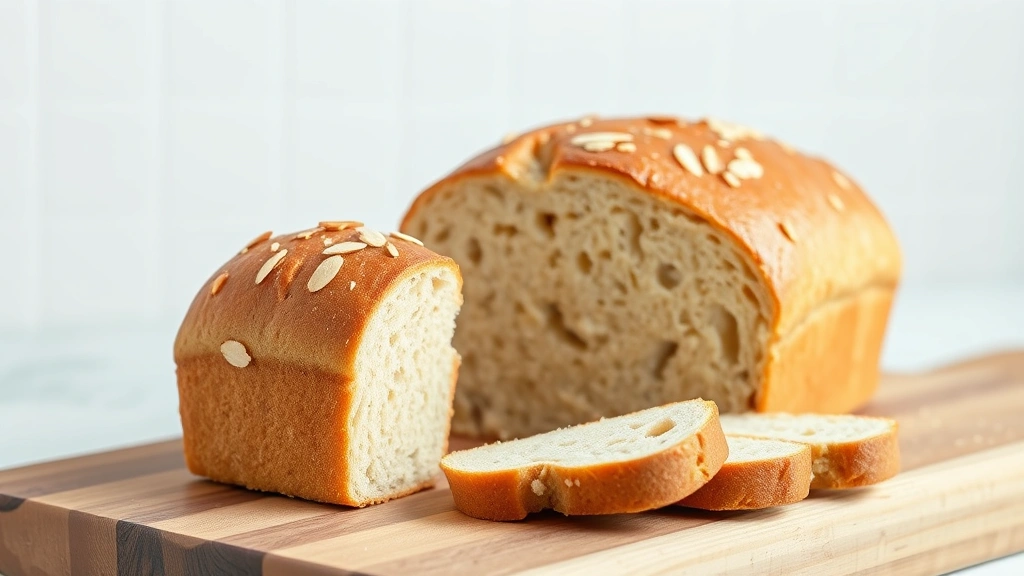
Looking for an almond flour bread recipe that actually tastes good? You’ve come to the right place. I’ve spent countless hours in my kitchen perfecting this low-carb masterpiece, and I’m ready to walk you through every step like we’re troubleshooting a project together.
Table of Contents
Why Almond Flour Works
Before we dive into the recipe itself, let’s talk about why almond flour has become such a game-changer for low-carb baking. Unlike traditional wheat flour, almond flour brings moisture and richness to your bread without the blood sugar spike. It’s got about 3 grams of carbs per ounce, compared to wheat flour’s 20 grams. That’s a massive difference.
The real magic happens because almond flour contains natural oils and proteins that create a tender crumb structure. You’re not just swapping one ingredient for another—you’re fundamentally changing how the bread develops. The fat content means your bread stays moist longer, which is honestly one of the biggest complaints people have about low-carb baking. This almond flour bread recipe solves that problem entirely.
I also appreciate that almond flour brings a subtle nuttiness that complements both sweet and savory applications. Your morning toast gets a sophisticated flavor boost without any weird aftertaste.
Ingredients You’ll Need
Here’s what goes into making this work:
- 2 cups blanched almond flour (finely ground, not the chunky stuff)
- 6 large eggs (room temperature—this matters)
- 3 tablespoons butter or coconut oil, melted
- 1 tablespoon apple cider vinegar or lemon juice
- 2 teaspoons baking powder (aluminum-free if you’re picky)
- 1 teaspoon salt
- ½ teaspoon xanthan gum (optional but recommended)
- ½ teaspoon vanilla extract
Don’t cheap out on the almond flour. Blanched, finely ground flour makes all the difference. The texture will be noticeably better than using meal-style almond flour. You can find quality options at most grocery stores now, or order online if your local options are limited.
The eggs need to be room temperature because they incorporate better into the batter. Cold eggs create a separated, grainy texture. Pull them out of the fridge 20 minutes before you start mixing. The acid from vinegar or lemon juice activates the baking powder and adds lift—it’s a trick that separates decent low-carb bread from exceptional low-carb bread.
Prep Work Matters
Here’s where most people stumble. You need to prep your loaf pan properly. Line a standard 9×5 inch loaf pan with parchment paper, letting it hang over the sides. This isn’t laziness—it’s essential. Almond flour bread sticks like nobody’s business without proper preparation.
Preheat your oven to 350°F. Yes, 350°F, not the 375°F you’d use for wheat bread. Almond flour browns faster, and we want a golden crust without burning the interior. Give your oven a solid 15 minutes to reach temperature.
Get all your ingredients measured and ready before you start mixing. This is called mise en place, and it prevents scrambling around mid-recipe. Have your eggs cracked into a bowl, your dry ingredients in another, and your wet ingredients measured separately.
The Mixing Technique
This is where technique separates success from frustration. Start by whisking your eggs vigorously for about 2 minutes. You’re incorporating air, which is crucial for rise. The eggs should look slightly frothy and pale.
Add your melted butter, apple cider vinegar, and vanilla extract to the eggs. Whisk until completely combined. This should take another minute or so.
In a separate bowl, combine your almond flour, baking powder, salt, and xanthan gum if using. Whisk these dry ingredients together thoroughly. This distributes the leavening agent evenly—uneven distribution means uneven rise.
Now here’s the critical part: fold the dry ingredients into the wet ingredients. Don’t stir vigorously like you’re making pancake batter. Use a spatula and fold gently, rotating the bowl as you go. Overmixing develops gluten (yes, even in almond flour), which makes the bread dense. You want a smooth batter with no visible dry flour, but you don’t want to beat it into submission.

Baking Process Explained
Pour your batter into the prepared loaf pan. Smooth the top with a spatula—this helps it bake evenly. The batter will be thicker than wheat bread batter, almost like a thick brownie batter. That’s exactly right.
Place the pan in your preheated 350°F oven and bake for 45-50 minutes. At the 40-minute mark, check the top. If it’s browning too quickly, tent it loosely with aluminum foil. You want the top golden, not dark brown.
The bread is done when a toothpick inserted into the center comes out clean or with just a few moist crumbs. Don’t rely solely on the toothpick test—also look for the sides pulling slightly away from the pan. That’s your visual confirmation that it’s set.
Remove from the oven and let it cool in the pan for 10 minutes. This is non-negotiable. The bread is still setting up, and pulling it out too early will cause crumbling. After 10 minutes, turn it out onto a wire rack to cool completely before slicing.
Cooling and Storage Tips
I know it smells incredible, but resist the urge to slice into warm bread. Almond flour bread needs to cool completely to set properly. Slice it while warm and you’ll get a crumbly mess. Wait at least 2 hours, or better yet, overnight.
Once cooled, store your bread in an airtight container at room temperature for up to 4 days. The moisture content stays excellent because of the almond flour’s natural oils. If you’re not eating it within that window, freeze it. Wrapped properly in plastic wrap and then a freezer bag, it keeps for 3 months.
To reheat frozen slices, pop them in the toaster or a 300°F oven for a few minutes. This restores the texture beautifully. Unlike wheat bread, almond flour bread doesn’t get that stale, hard texture—it just loses some of the warmth.
Troubleshooting Common Issues
Bread is too dense: You likely overmixed the batter or your eggs weren’t at room temperature. Also check that your baking powder isn’t expired. Dead leavening agent equals dense bread.
Top is burning but inside is raw: Your oven might run hot. Try 325°F next time, and definitely use that foil tent at the 30-minute mark. Also make sure you’re not using a dark loaf pan—they conduct heat too aggressively.
Bread is too crumbly: This usually means insufficient moisture. Check that you’re using blanched almond flour and not almond meal. Also verify your eggs are large—jumbo or medium eggs will throw off the ratio. You can also add an extra tablespoon of butter next time.
Bread tastes bitter: Your baking powder might contain aluminum, or you used too much. Stick with aluminum-free baking powder and measure carefully—use a spoon to scoop, not a measuring cup pressed into the container.
Flavor Variations to Try
Once you’ve mastered the basic almond flour bread recipe, start experimenting. Add 2 teaspoons of cinnamon and ½ teaspoon of nutmeg for a warm spice version. Fold in ½ cup of chopped walnuts or pecans for texture. Mix in 2 tablespoons of unsweetened cocoa powder for a chocolate version.
For a savory bread, skip the vanilla and add 2 teaspoons of Italian seasoning, ½ teaspoon of garlic powder, and ½ cup of grated cheddar cheese. The possibilities are genuinely endless once you understand the base formula.
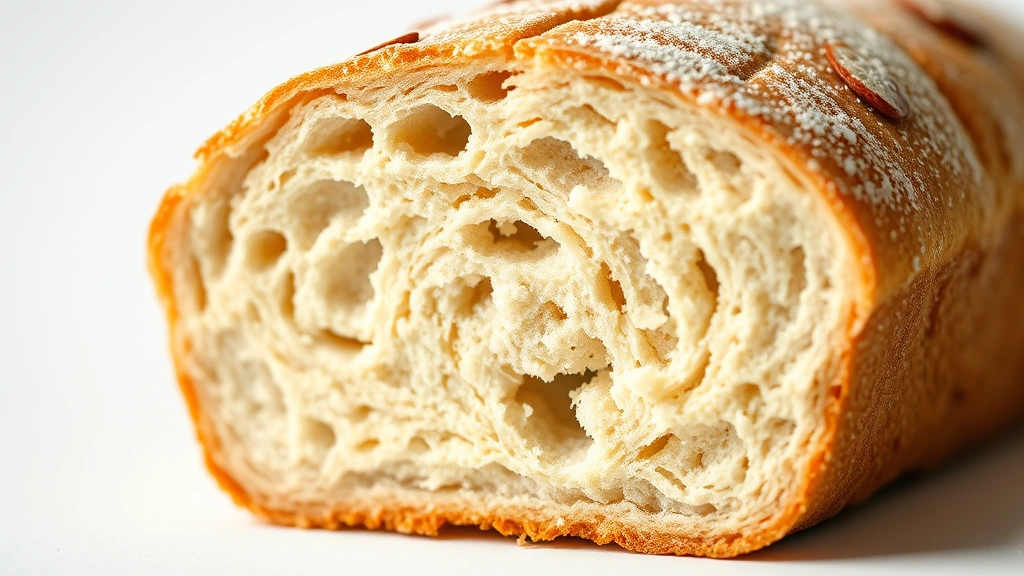
You can also make this recipe work as a flatbread by spreading the batter thinner in a sheet pan and baking at 375°F for 20-25 minutes. Cut it into squares while still warm, and you’ve got crackers or pizza crust alternatives.
Frequently Asked Questions
Can I use natural almond butter instead of almond flour?
Not directly as a one-to-one swap. Almond butter is much wetter and will throw off your ratios. You could use it as a partial replacement for some of the butter, but you’d need to reduce other liquids. Stick with almond flour for consistency.
Is this bread actually keto-friendly?
Yes. One slice (assuming 12 slices per loaf) contains roughly 3-4 grams of net carbs. That fits comfortably into most keto macros. Calculate based on your specific ingredients if you’re tracking strictly.
Why does my bread have a gummy center?
Underbaking. Almond flour bread takes longer to set than wheat bread. Make sure you’re hitting that 45-50 minute window and that your toothpick test shows mostly clean. If it’s still gummy after cooling completely, your oven temperature might be off—use an oven thermometer to verify.
Can I make this in a different pan shape?
Absolutely. Use a muffin tin for individual cakes (reduce baking time to 20-25 minutes), or a round cake pan for a different presentation. Adjust baking time based on thickness—thinner means faster baking.
What if I don’t have xanthan gum?
It’s optional, not essential. Without it, your bread might be slightly crumbier, but it’ll still work. If you want to replace it, use 1 tablespoon of ground flaxseed mixed with 3 tablespoons of water, let it sit for 5 minutes, then add to your wet ingredients.
Final Thoughts
This almond flour bread recipe has genuinely transformed how I approach low-carb baking. It’s not complicated, but it does require attention to detail. The difference between mediocre and exceptional almond flour bread comes down to room temperature eggs, proper mixing technique, and patience during cooling.
Start with the basic recipe exactly as written. Once you understand how it works, you’ll have the confidence to modify it. Maybe you’ll want it sweeter, nuttier, or loaded with mix-ins. That’s when the real fun starts.
The first time you pull a golden, fragrant loaf from the oven and realize you’ve just made legitimate bread that happens to be low-carb, it clicks. You’re not settling for a wheat flour substitute—you’re making something genuinely delicious on its own terms. That’s what this recipe delivers, every single time.
For more baking inspiration, check out our guide on how to make candy apples for sweet treats, or explore how to make a caramel macchiato for the perfect pairing with your fresh bread. If you’re diving into the kitchen, you might also appreciate learning how to cook swordfish for impressive dinner ideas.
Now get in that kitchen and bake something amazing. Your low-carb bread game is about to level up completely.


