
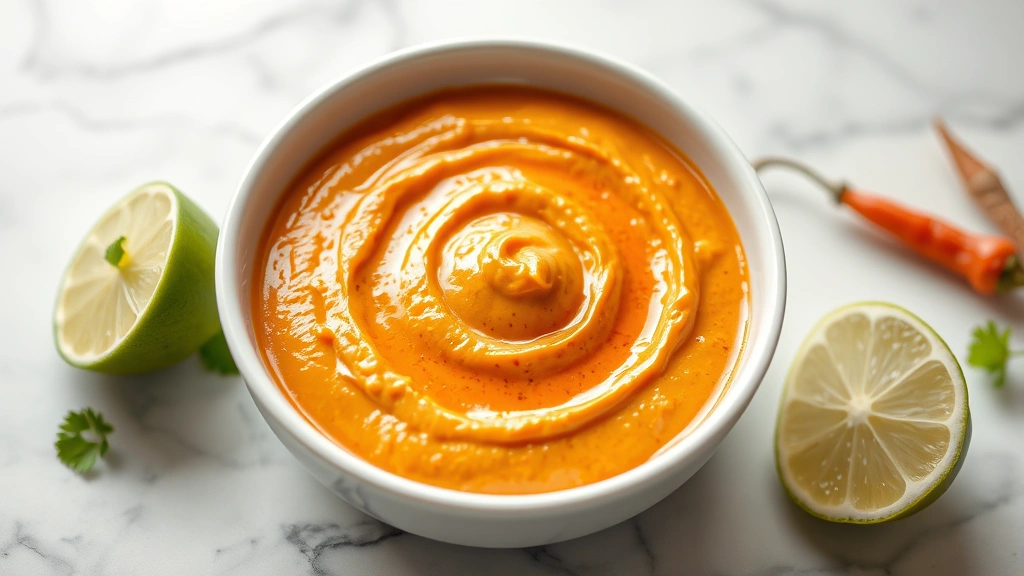
Making an aioli recipe chipotle at home is easier than you’d think, and honestly, it’ll blow store-bought versions out of the water. This creamy, smoky condiment takes just five minutes to whip together, and once you nail the technique, you’ll be drizzling it on everything from fish tacos to burger buns. Let me walk you through exactly how to build this flavor bomb in your kitchen.
Table of Contents
What is Chipotle Aioli?
Aioli is traditionally a garlic and oil emulsion from Spanish cuisine, but modern versions have evolved into creamy, mayo-based condiments. A chipotle aioli recipe takes that foundation and adds smoked jalapeños, creating a sauce that’s rich, slightly spicy, and packed with depth. The beauty of this condiment is its versatility—it works as a dip, a spread, a topping, or a finishing sauce for grilled proteins.
The magic happens when you combine mayonnaise with chipotle peppers in adobo sauce, lime juice, and garlic. These ingredients work together to create something that tastes like it came from a high-end restaurant kitchen, but you made it in under five minutes with basic pantry staples.
Gather Your Ingredients
Here’s what you need to build this aioli recipe chipotle:
- 1 cup mayonnaise (use quality mayo—it matters)
- 2-3 chipotle peppers in adobo sauce
- 2 tablespoons adobo sauce (from the can)
- 2 cloves garlic, minced
- Juice of 1 lime
- 1/2 teaspoon cumin
- 1/4 teaspoon smoked paprika
- Salt and pepper to taste
- Optional: 1 tablespoon honey (to balance heat)
That’s it. No fancy equipment, no complicated ratios. The chipotles in adobo sauce are the star player here—they bring both the smoke and the heat, while the adobo adds another layer of complexity you can’t replicate with fresh peppers.
Why Mayo Base Matters
I know some purists will argue that true aioli shouldn’t have mayo, and they’re technically right. But let’s be real—making aioli from scratch by hand-whisking egg yolks and oil is a patience test, and most of us don’t have that kind of time on a Tuesday night. Using quality mayonnaise as your base gives you a creamy, stable foundation that won’t break or separate.
The mayo acts as an emulsifier, meaning it holds all those other flavors together in a smooth, cohesive sauce. It also creates the perfect texture for dipping, spreading, or dolloping. Choose a good brand like Duke’s or Hellmann’s—the difference between grocery store mayo and premium versions is noticeable when mayo is the main ingredient.
The Emulsion Trick
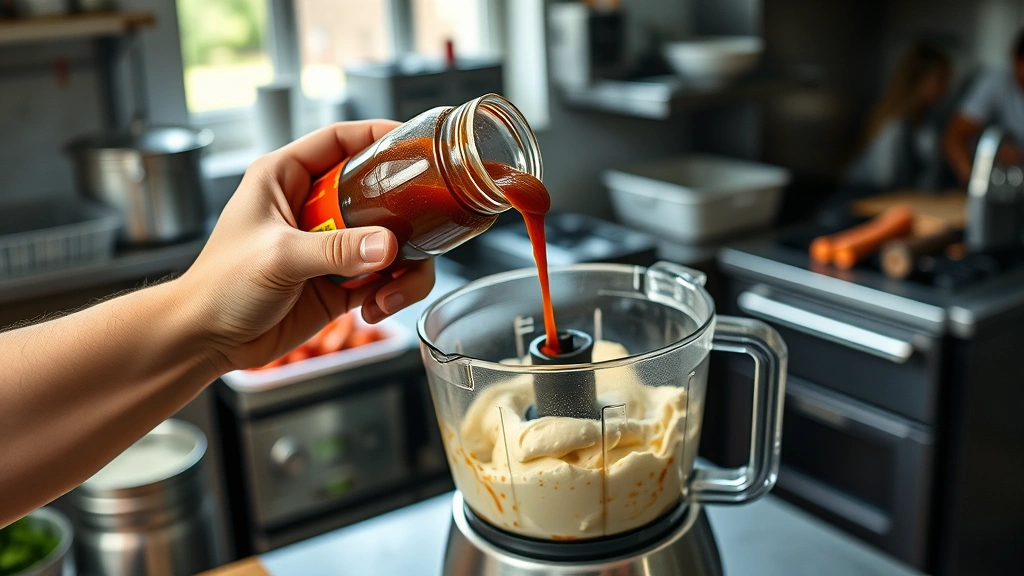
Here’s where technique comes in, though it’s stupidly simple. Add your mayo to a food processor or blender first. Then add your minced garlic, chipotle peppers, and adobo sauce. Pulse everything together until you’ve got a smooth, consistent blend—about 10-15 seconds. Don’t over-blend; you want creamy, not liquefied.
If you don’t have a food processor, use a fork and a bowl. Mash the chipotle peppers into paste, mix them with the mayo and adobo sauce, then fold in your minced garlic. It takes a bit longer, but the result is identical. The key is breaking down the peppers enough so they distribute evenly throughout the mayo.
Once your base is smooth, add the lime juice, cumin, smoked paprika, salt, and pepper. Pulse or stir again just to combine. Taste it. This is crucial—you need to adjust seasoning at this point while everything is still in the bowl.
Building Smoky Flavor
The smokiness in this aioli recipe chipotle comes from two sources: the chipotle peppers themselves and the smoked paprika. Chipotles are jalapeños that have been smoked and dried, so they bring that deep, charred flavor naturally. The adobo sauce they’re packed in adds tomato, vinegar, and spice—it’s basically a flavor trifecta.
If you want to amp up the smoke even more, add a pinch of liquid smoke (like 1/8 teaspoon), but go easy—it’s potent. You can also use smoked salt instead of regular salt. The goal is balanced smokiness, not something that tastes like a campfire.
The lime juice is essential here because it cuts through the richness of the mayo and the heat of the peppers, brightening everything up. Don’t skip it or substitute it with lemon—lime has a different profile that works better with chipotle.
Texture and Consistency
Your finished aioli should be thick enough to hold its shape on a spoon but spreadable enough to work on a sandwich. If it’s too thick, thin it with a tablespoon of water or lime juice at a time. If it’s too thin (which rarely happens), add another tablespoon of mayo.
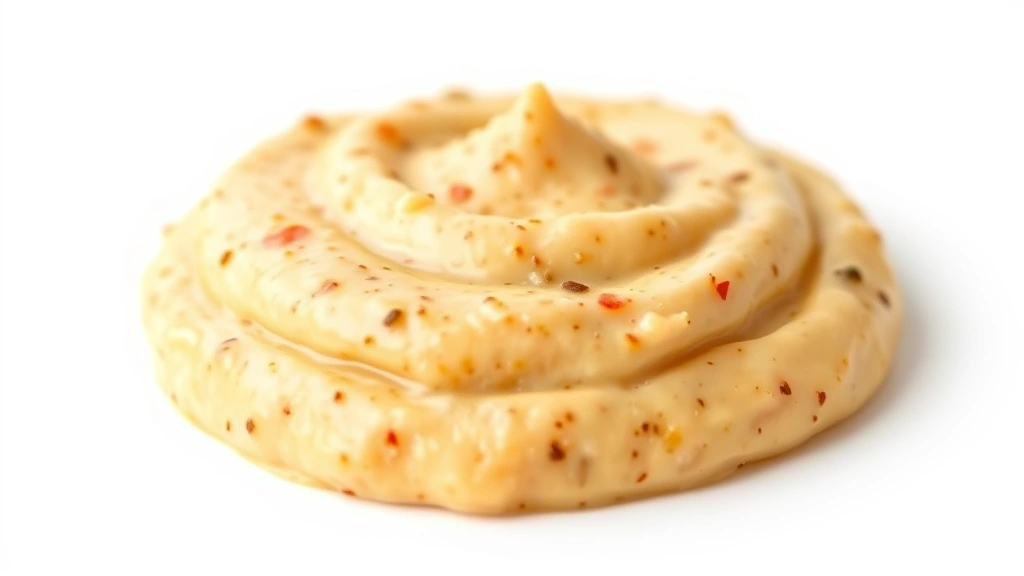
Some people like their aioli with visible flecks of pepper for texture and presentation. If that’s your style, pulse less aggressively or stir by hand instead of using a food processor. Others prefer it silky smooth—both approaches work. The texture is about personal preference and how you plan to use it.
Temperature also matters. Aioli tastes best when it’s cool or room temperature. If you’ve been working with warm ingredients, let it chill in the fridge for 10 minutes before serving. The flavors will meld and develop more fully during that rest time.
Storage Tips
This aioli recipe chipotle keeps in an airtight container in your refrigerator for up to five days. I usually make a batch on Sunday and use it throughout the week on proteins, vegetables, and sandwiches. The flavors actually get better on day two or three as everything melds together.
Don’t freeze aioli—the emulsion breaks down and you’ll end up with separated, grainy sauce. Stick with refrigerator storage. If you need it to last longer, you can always make a fresh batch; it only takes five minutes anyway.
Label your container with the date. I know it seems obvious, but mayo-based sauces can be hard to eyeball for freshness. If it smells off or looks discolored, toss it. Your stomach will thank you.
Serving Ideas
Now for the fun part—actually using this stuff. Spread it on a burger bun before adding your patty and toppings. Use it as a dip for homemade appetizers or crispy vegetables. Dollop it on grilled fish, chicken, or shrimp. Drizzle it over roasted broccoli for a smoky kick.
This sauce works particularly well with seafood. Brush it on steamed crab legs for a restaurant-quality finish. Mix it into tuna or chicken salad for a spicy twist. Use it as a base for a loaded fries dip—just thin it with a little sour cream and you’ve got gold.
For a fresh take, serve it alongside grilled vegetables or use it as a finishing sauce on tacos. The smoky, creamy element balances well with bright, acidic toppings like cilantro and lime-dressed cabbage.
Troubleshooting Fixes
If your aioli tastes too spicy, add more mayo or a teaspoon of honey to balance the heat. Honey won’t make it sweet—it just smooths out the burn. If it’s not spicy enough, add another chipotle pepper or a dash of hot sauce.
If the flavor feels flat, you probably need more salt or lime juice. These two ingredients are your seasoning workhorses. Start with a pinch of salt and the juice of half a lime, then adjust from there.
If it looks grainy or separated (which shouldn’t happen with mayo as your base, but just in case), blend it again with a fresh tablespoon of mayo. This usually fixes it.
If you’re making this for someone who can’t handle spice, reduce the chipotles to one pepper and use just one tablespoon of adobo sauce. You’ll still get the smoky flavor without the heat.
Frequently Asked Questions
Can I make this aioli recipe chipotle without a food processor?
Absolutely. Mash the chipotle peppers with a fork until they’re paste-like, then fold everything into the mayo with a spoon or whisk. It takes a couple extra minutes, but the result is identical. You might end up with slightly more texture, which some people prefer anyway.
How spicy is chipotle aioli?
It’s moderately spicy—not mouth-burning, but definitely noticeable. If you’re sensitive to heat, start with one chipotle pepper instead of three. You can always add more, but you can’t take it out. The adobo sauce contributes heat too, so account for that.
Can I use fresh chipotle peppers instead of canned?
You can, but you’ll lose the smokiness that makes this sauce special. Fresh jalapeños won’t give you the same depth. If you only have fresh peppers, roast them over a flame to add some char, then proceed with the recipe. It won’t be identical, but it’ll be good.
What’s the difference between aioli and mayo?
Traditional aioli is an emulsion of garlic and olive oil. Modern aioli often uses mayo as a base, which is what we’re doing here. Mayo is already an emulsion of egg yolks and oil, so it’s a shortcut that works beautifully. For this recipe, we’re building on that foundation with smoky peppers and spices.
How do I thin out thick aioli?
Add water, lime juice, or a thin cream one tablespoon at a time, stirring well between additions. Don’t dump it all in at once or you’ll overshoot. If you’re thinning for a drizzle sauce, lime juice is your best bet because it adds flavor while reducing thickness.
Can I make this in advance for a party?
Yes, make it up to two days ahead and keep it covered in the fridge. The flavors actually improve as they sit. Just give it a stir before serving. If it’s been in the fridge and feels stiff, let it come to room temperature for 15 minutes before serving.
What brands of chipotle peppers do you recommend?
La Costeña and Goya are solid choices you’ll find in most grocery stores. They’re consistent, flavorful, and reasonably priced. Don’t cheap out on this ingredient—it’s the star of the show. Better chipotles mean better aioli.
Is this gluten-free?
Yes, as long as your mayo and adobo sauce are gluten-free, which most major brands are. Check the labels to be sure. This is a naturally gluten-free sauce, so it works for anyone with celiac disease or gluten sensitivity.
Final Thoughts
Making an aioli recipe chipotle at home is one of those kitchen wins that feels fancy but requires almost no skill. You’re combining five or six quality ingredients and letting them do the heavy lifting. The result is a sauce that tastes like it came from a professional kitchen, costs a fraction of bottled versions, and takes less time than waiting in a drive-through line.
Once you’ve made this once, you’ll understand the formula well enough to adjust it for your taste. Want it spicier? Add another pepper. Want it tangier? Add more lime. Want it smokier? Increase the paprika. This is a recipe that rewards experimentation.
Keep a batch in your fridge this week and use it on everything. Burgers, sandwiches, grilled proteins, roasted vegetables, dipping sauces—this sauce earns its spot in your regular rotation. And when someone asks where you got such a good aioli, you can smile and tell them you made it in five minutes. That’s the kind of kitchen magic that sticks with people.


