

Learning how to wrap a scarf is one of those skills that transforms your entire wardrobe without spending a dime. Whether you’ve got a silk square, a chunky knit, or a lightweight infinity scarf gathering dust in your closet, mastering a few key wrapping techniques opens up endless styling possibilities. I’ve spent years experimenting with different fabrics and techniques, and I’m here to walk you through the methods that actually work—no complicated origami required.
Table of Contents
The Classic Over-Shoulder Drape
This is the bread-and-butter technique that works with almost any scarf type. Start with your scarf draped evenly around your neck, with both ends hanging in front at roughly the same length. The beauty of this method is its simplicity—you’re not tying anything, just letting gravity and fabric drape do the work.
Take one end and flip it over the opposite shoulder, letting it hang down your back. Adjust the length so it sits naturally without bunching at your neck. The key here is balance: if one side looks longer, gently pull the fabric through at the back of your neck until both sides appear even. This works beautifully with lightweight fabrics that won’t weigh you down, and it’s perfect for those mornings when you’re short on time.
French Knot Wrap Technique
The French knot is where things get a bit fancier, and honestly, it’s easier than it sounds. Drape your scarf around your neck with both ends in front. Cross the right end over the left, then wrap the right end around behind your neck and bring it back to the front on the left side. Now take that end and tuck it through the loop you’ve created at your chest.
Pull gently to tighten the knot until it sits snugly but comfortably at your throat. The tucked end should disappear partially behind the knot, creating that polished, European-cafe vibe. This technique works exceptionally well with medium-weight scarves and gives you that intentional, put-together look even when you’re just running errands. I find this pairs nicely with a casual coffee run or casual office setting.
The Infinity Loop Method
If you’ve got an infinity scarf (or a long rectangular scarf you’re willing to loop), this technique is your friend. Simply drape the scarf around your neck once so both ends hang evenly in front. Now take both ends together and wrap them around your neck again, creating a second loop. The scarf now sits in two layers around your neck and shoulders.
Adjust so the loops sit evenly and the fabric doesn’t bunch awkwardly. This method is fantastic for cold weather because you get genuine insulation without looking like you’re wearing a blanket. The double-loop creates visual interest and texture, and it’s practically foolproof. Even if your scarf isn’t technically an infinity style, most rectangular scarves work fine with this method.
Cowl Neck Style Wrapping
Think of this as creating a built-in turtleneck with your scarf. Start with your scarf around your neck, both ends in front and equal length. Twist the scarf once at the front—just a simple 180-degree turn so the fabric wraps around itself. Now take both ends and bring them up and around the back of your neck, then down the front again.
The twisted section at your chest becomes the focal point, and the fabric pools gently around your neck like a cowl. This creates a sophisticated, almost sculptural look that works great for both casual and dressier occasions. The technique requires a scarf with enough length and drape to work properly, so test it out before committing to wearing it out.
Triangle Fold for Square Scarves
Square scarves are versatile little tools, and the triangle fold is probably the most classic approach. Lay your square scarf flat and fold it diagonally so you’ve got a long triangle. Drape this triangle around your shoulders with the point hanging down your back.
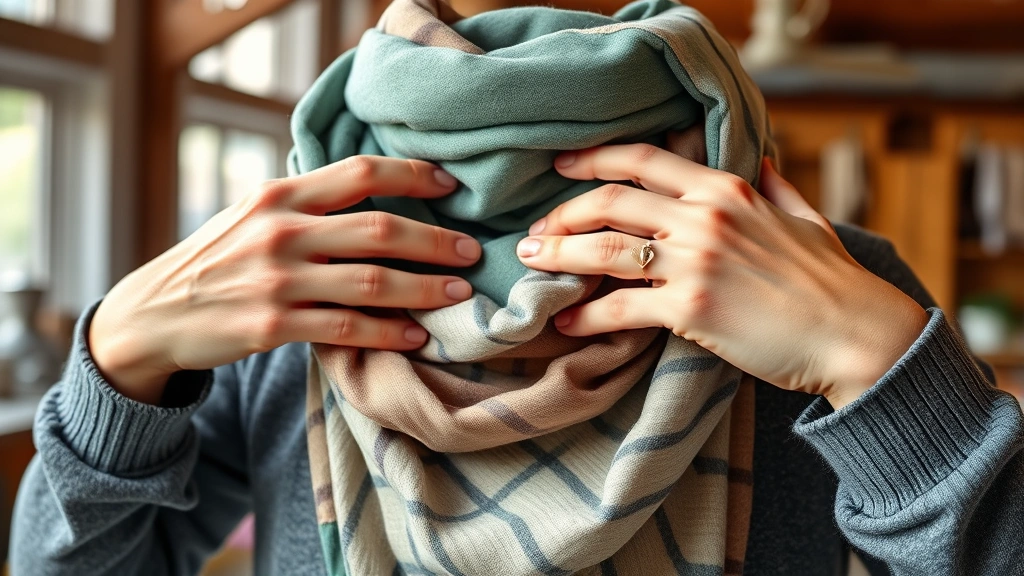
Bring both ends around to the front and tie them in a simple knot or bow at your chest. You can adjust the point length by how far back you position the scarf initially. This method works beautifully for adding a pop of color or pattern to an outfit, and it’s especially flattering if you want to draw attention upward toward your face. The geometric simplicity of this approach appeals to people who like structured, intentional styling.
Shawl Wrap Elegance
For larger scarves or actual shawls, the wrap technique turns your accessory into a statement piece. Drape the scarf across your back and shoulders like you’re putting on a shawl. Bring one end across your body and tuck it into the opposite armpit or hold it against your side. Repeat with the other end, creating an asymmetrical, draped look.
This works beautifully for evening wear or when you want to add dramatic flair to a simple outfit. The key is letting the fabric fall naturally—don’t over-arrange it. Shawl wrapping is particularly effective with luxe fabrics like silk or cashmere because the drape really shows off the material quality. When you’re learning how to wrap a scarf this way, practice in front of a mirror to get the asymmetry looking intentional rather than accidental.
Understanding Your Scarf Materials
Not all scarves are created equal, and the fabric type dramatically affects which wrapping methods work best. Silk scarves are slippery and require techniques that use knots or tucking to stay in place. Cotton and linen scarves hold their shape better and work well with looser draping methods. Wool and cashmere scarves have weight and structure, making them perfect for shawl wrapping or infinity loops.
Synthetic blends vary wildly depending on the specific material composition. Lightweight fabrics like chiffon and gauze work beautifully with the classic drape because they won’t weigh down your neck. Heavier knits need techniques that distribute weight evenly, so avoid wrapping them multiple times around your neck. Understanding your material helps you choose the right technique and prevents that frustrating moment when your carefully arranged scarf slides off halfway through your day.
Pro Tips for Scarf Styling
Here’s what I’ve learned from years of scarf experimentation: always start with clean hands because oils transfer to fabric. When you’re learning how to wrap a scarf, practice in natural daylight so you can see how the colors and drape actually look, not how they appear under fluorescent office lighting.
Keep your scarf length proportional to your frame. Taller people can handle longer scarves and multiple wraps without looking overwhelmed. Shorter folks might want to stick with techniques that don’t add excessive bulk around the neck. Color coordination matters more than most people realize—a scarf that matches your outfit creates a cohesive look, while a contrasting scarf becomes a statement piece.
Invest in a few quality scarves rather than a drawer full of cheap ones. A well-made silk scarf will outlast five synthetic alternatives and actually improve with age. Store scarves rolled rather than folded to prevent permanent creases. When you’re heading somewhere important, arrive a few minutes early so you can adjust your wrap if it shifts during travel.
If you’re working with structured fabrics that hold their shape, you can pre-arrange your scarf at home and it’ll maintain that look all day. For slippery materials, keep a small safety pin handy to anchor the wrap if needed. This is especially useful for silk scarves that tend to migrate throughout the day.
Frequently Asked Questions
What’s the easiest scarf wrap for beginners?
The classic over-shoulder drape is hands-down the easiest starting point. It requires zero knots, zero complicated folds, and works with nearly every scarf type. Once you’ve mastered this, you can progress to more complex techniques.
Can I use these techniques with different scarf sizes?
Absolutely. The techniques adapt well to different sizes, but you might need to adjust the method slightly. Longer scarves work better for multiple wraps and shawl styles, while shorter scarves suit the triangle fold and simple drapes. Experiment with what you have in your closet.
How do I keep my scarf from slipping?
Choose wrapping techniques that include knots or tucking for slippery fabrics. You can also use a small brooch or scarf pin to anchor the fabric. Heavier materials naturally stay in place better than lightweight ones.
What’s the best scarf wrap for formal occasions?
The French knot and shawl wrap techniques convey elegance and intentionality. The cowl neck style also works beautifully for dressier events. Choose scarves in jewel tones or metallics to elevate the formal feel.
How often should I wash my scarves?
It depends on the material and how often you wear them. Silk and cashmere need gentle hand washing or dry cleaning every few months. Cotton and synthetic blends can handle more frequent washing. Always check the care label first.
Can men wear scarves with these techniques?
Completely. Men’s scarf wrapping typically favors the simpler draping techniques and the French knot. The key is keeping the wrap neat and proportional. Neutral colors and quality fabrics tend to work best for men’s scarf styling.
Final Thoughts
Learning how to wrap a scarf opens up a world of styling possibilities without requiring any additional wardrobe investment. You’ve got ten solid techniques now—from the effortless classic drape to the sophisticated French knot to the dramatic shawl wrap. The secret isn’t mastering every single method; it’s understanding which techniques work best with your scarves and personal style.
Start with one or two methods that resonate with you. Practice them until they feel natural, then gradually experiment with others as your confidence grows. Remember that scarves are forgiving—if your wrap doesn’t look perfect the first time, adjust it and try again. The beauty of scarf styling is that there’s no single “correct” way to do it. Your unique interpretation is what makes it yours.
Keep a few quality scarves in your rotation, choose fabrics that feel good against your skin, and don’t be afraid to play with color and pattern. Whether you’re heading to game night or a professional meeting, the right scarf wrap instantly elevates your entire look. Now get out there and start experimenting—your future self will thank you for mastering this timeless skill.


