
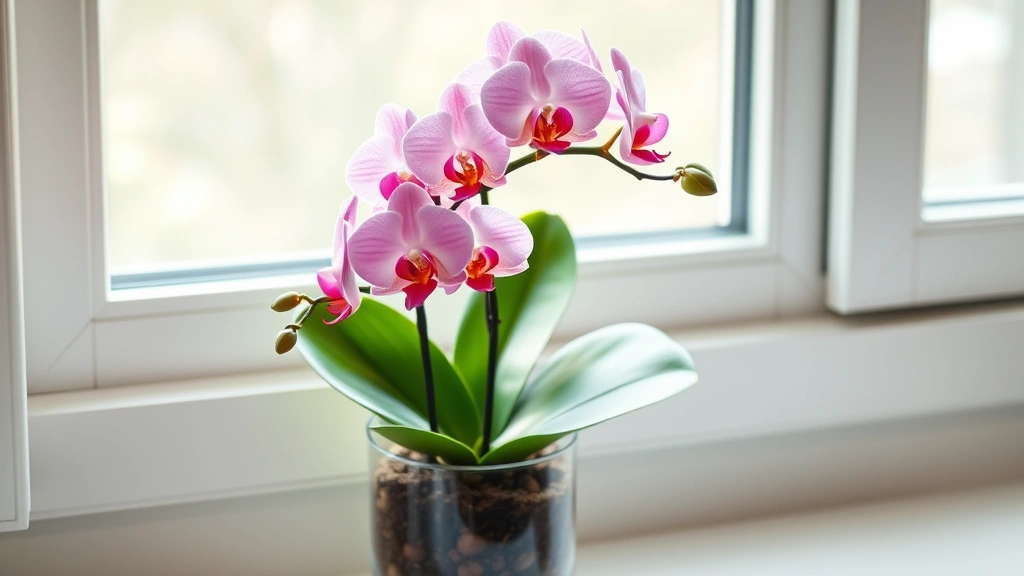
Learning how to water an orchid is the single most important skill you need to keep these stunning plants alive and flowering year after year. Most orchid owners kill their plants with kindness—they water too much, too often, and with the wrong approach. The good news? Once you understand the basics, orchid watering becomes second nature, and you’ll have gorgeous blooms that last for months.
Table of Contents
Understand Your Orchid’s Roots
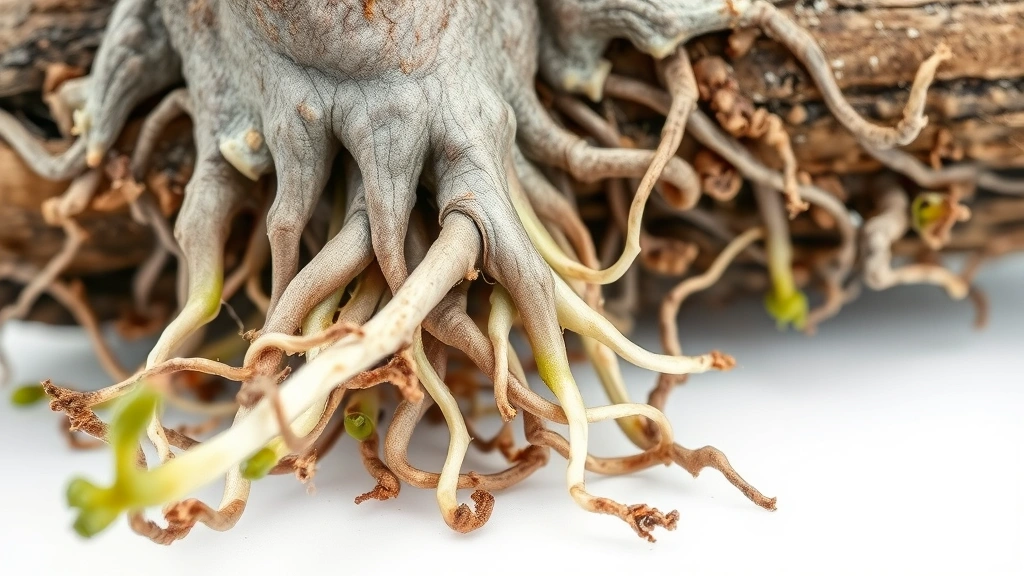
Before you even think about watering, you need to understand how orchid roots work. Unlike most houseplants, orchids are epiphytes—they grow on trees in their natural habitat, not in soil. Their roots are designed to absorb moisture quickly and then dry out. This is crucial: orchid roots need air circulation. They’re not like traditional plant roots that sit in moist soil all day. When you water your orchid, you’re mimicking rainfall in a tropical forest—quick, thorough, then dry.
The roots themselves are covered in a spongy layer called velamen that absorbs water rapidly. When this layer is wet, it appears greenish or white. When it’s dry, it turns silvery-gray. This visual cue is your friend—it tells you exactly what’s happening inside the pot without guessing.
Check Moisture Levels First
The golden rule of orchid watering: always check before you water. Stick your finger about an inch into the potting medium. It should feel slightly damp but not soggy. If it’s still wet from the last watering, wait another day or two. This is where patience pays off. Most orchid problems stem from people watering on a schedule rather than checking conditions.
Another method is the weight test. Pick up the pot and feel how heavy it is. When it’s freshly watered, it’s noticeably heavier. After a few days, it becomes lighter as the medium dries. Once you’re familiar with this feeling, you can water by weight alone. Many experienced growers swear by this method because it’s quick and accurate.
Watering Frequency Guide
Here’s what most beginners get wrong: there’s no magic “water every X days” rule. Watering frequency depends on several factors—your home’s humidity, temperature, the type of orchid, the potting medium, and even the season. That said, most orchids in typical homes need watering once every 7-10 days during growing season, and less frequently in winter.
Phalaenopsis orchids (moth orchids), the most common type you’ll find at garden centers, are pretty forgiving. They can handle slightly drier conditions than other varieties. Cattleyas and Dendrobiums prefer a bit more moisture but still need that air circulation around their roots. Paphiopedilums (lady’s slipper orchids) like to stay slightly moister than their cousins but still shouldn’t sit in water.
The key is consistency with variation. Your orchid wants a wet-dry cycle, not constant moisture and not bone-dry conditions. Think of it as a rhythm: water thoroughly, let it drain completely, then let it dry out before watering again.
Best Watering Methods
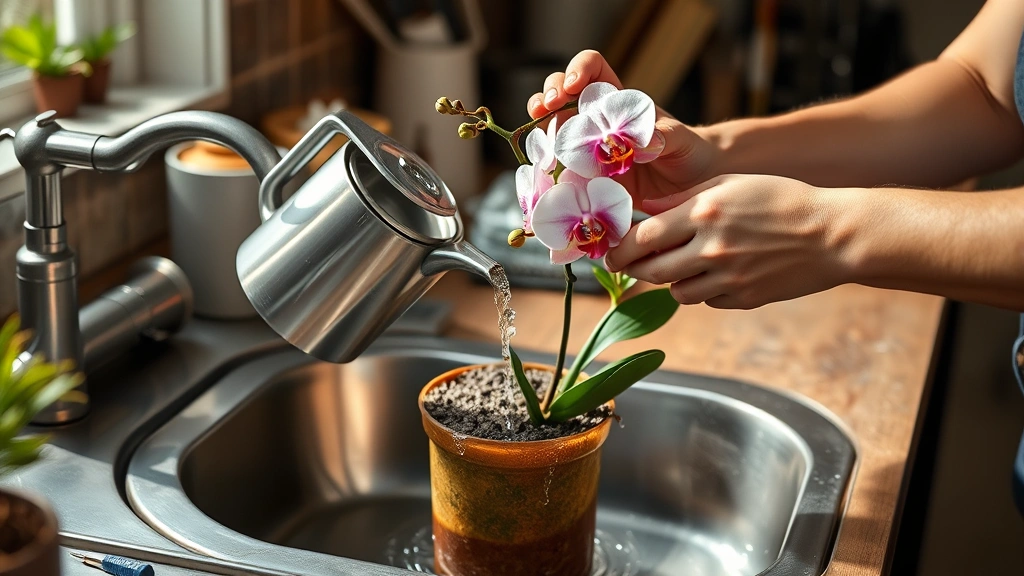
There are several effective ways to water orchids, and the best method depends on your setup and how many plants you have. The sink method is most popular for home growers. Take your orchid to the sink, run lukewarm water over the potting medium for about 10-15 seconds, letting water drain freely from the bottom. Make sure water gets throughout the entire pot, not just one spot. Then let it drain completely in the sink for a few minutes before returning it to its spot.
The ice cube method is gaining popularity, especially for people who tend to overwater. Drop 3-4 ice cubes on top of the potting medium once a week. As they melt, they provide slow, steady hydration without the risk of waterlogging. This works surprisingly well for Phalaenopsis orchids, though purists argue it’s not ideal for all varieties.
The soaking method works for orchids in bark-based media. Submerge the entire pot in a bucket of water for 5-10 minutes, then remove and let drain completely. This ensures water penetrates throughout the medium. It’s excellent for orchids that have dried out significantly, but don’t use it as your regular watering method—it can lead to root rot if done too frequently.
The bottom watering method involves setting the pot on a tray with water and letting the roots absorb moisture from below. This is gentler and reduces the risk of water sitting on the crown of the plant (which can cause rot). Leave the pot sitting for 10-15 minutes, then remove it and let excess water drain.
Water Quality Matters Most
The type of water you use is just as important as how much you use. Tap water contains chlorine and minerals that can build up in orchid media over time. If you have hard tap water, your orchid will eventually suffer from mineral accumulation. The best option is rainwater or distilled water, but if those aren’t practical, let tap water sit overnight before using it—this allows chlorine to evaporate.
Room temperature water is essential. Cold water shocks the roots and can damage them. Warm water, on the other hand, mimics tropical rainfall and is gentler on the plant. Fill your watering can and let it reach room temperature before applying it to your orchid.
If you’re serious about orchid growing, consider investing in a water filter or collecting rainwater. Many growers with multiple orchids set up simple rain barrels. It’s not complicated, and your orchids will thank you with healthier roots and more vigorous blooms. Check out resources from Family Handyman for DIY water collection systems.
Seasonal Adjustments
Orchids have growth cycles, and your watering should reflect these natural rhythms. During spring and summer when most orchids are actively growing, they need more frequent watering—sometimes weekly or even twice weekly depending on conditions. The plant is putting out new leaves and roots, so it demands more moisture.
Fall is transition season. Many orchids enter a rest period as days shorten and temperatures cool. Reduce watering frequency to every 10-14 days. This slight drought stress is actually beneficial—it often triggers blooming in many varieties. Winter is the dormant season for many orchids. Water less frequently, maybe every 2-3 weeks, and only when the medium feels dry. Some orchids like Cattleyas absolutely require this winter dry period to bloom.
However, if you’re growing orchids indoors under artificial lights and maintaining consistent temperature and humidity year-round, these seasonal changes might be less pronounced. Pay attention to your specific plant’s growth patterns rather than blindly following seasonal guidelines.
Common Watering Mistakes
The number one mistake is watering on a fixed schedule. “I water my orchid every Sunday” is the fastest way to kill it. Your orchid doesn’t care what day it is—it cares whether the medium is dry. Stop using a calendar and start using your senses.
The second major mistake is leaving water sitting in the pot or on the leaves. Orchids need excellent drainage. If water pools at the bottom of the pot, your drainage holes are blocked or your medium is compacted. Fix this immediately. Similarly, water left on the leaves or crown can cause fungal or bacterial rot. Always wipe away any water that sits on the foliage.
Using cold water is another common error. It’s a small thing, but it matters. Cold water can damage delicate root tissues and shock the plant. Warm water is always better. Another mistake is using softened water or water with added fertilizers at every watering. Orchids prefer dilute solutions—if you fertilize, do it at quarter or half strength, and not at every watering.
Many people also make the mistake of repotting too frequently or using inappropriate media. If you’re using regular potting soil instead of orchid bark, you’re creating a moisture trap. Orchid media should drain quickly and provide air circulation. If your medium stays wet for days, change it immediately.
Troubleshooting Problems
If your orchid’s leaves are turning yellow and the roots are brown and mushy, you have root rot from overwatering. The fix: remove the plant from the pot, cut away all soft, brown roots with sterile scissors, repot in fresh orchid bark, and reduce watering frequency. Don’t water again until the new medium is almost dry.
If leaves are wrinkled and the medium is bone-dry, your orchid is underwatered. Increase watering frequency slightly, but do it gradually. A severely dehydrated plant needs careful rehydration—don’t suddenly drench it. Use the soaking method once, then return to regular watering.
If you see white, crusty buildup on the roots or medium, that’s mineral accumulation from hard water or fertilizer residue. Flush the pot thoroughly with distilled water, or repot in fresh medium. This buildup can block water absorption and damage roots.
Wrinkled leaves combined with wet medium suggests poor air circulation or low humidity. Improve airflow with a small fan, and increase humidity by grouping plants together or using a humidity tray. See This Old House for tips on improving indoor plant environments.
If your orchid isn’t blooming despite healthy growth, it might be getting too much water during its rest period. Many orchids need a distinct dry spell to trigger flowering. Reduce watering in fall and winter, and ensure the plant experiences cooler nighttime temperatures if possible.
Frequently Asked Questions
How often should I water my orchid?
Most orchids need watering once every 7-10 days during growing season. Check the potting medium first—it should feel slightly damp but not soggy. In winter or during dormancy, water less frequently, sometimes every 2-3 weeks. The key is checking conditions rather than following a fixed schedule.
Can I use tap water for my orchid?
Tap water is acceptable, but it’s not ideal if you have hard water with high mineral content. Let tap water sit overnight to allow chlorine to evaporate. Better options are rainwater or distilled water. If mineral buildup becomes visible on the roots or medium, switch to filtered or distilled water.
What’s the best time of day to water?
Morning is ideal because it allows any excess moisture to evaporate during the day. This reduces the risk of fungal or bacterial issues. Avoid watering in the evening when the plant can’t dry out as quickly. If you water in the morning and the foliage gets wet, it will dry naturally as the day warms up.
Should I water the leaves or just the roots?
Focus on watering the potting medium and roots. If water gets on the leaves, that’s fine—just make sure it doesn’t pool in the crown of the plant. Wipe away any water that sits on the foliage to prevent rot. The goal is hydrating the roots, not the leaves.
What do I do if my orchid is sitting in water?
Remove it immediately. Drain any standing water from the pot and the saucer beneath it. Check the roots—if they’re mushy and brown, you have root rot and need to repot. Improve your drainage situation by ensuring the pot has adequate drainage holes and using well-draining orchid bark medium.
Is misting good for orchids?
Misting increases humidity, which orchids appreciate, but it shouldn’t replace proper watering. Misting alone doesn’t provide enough water for the roots. Use misting to increase ambient humidity, but water the roots separately. Mist in the morning so foliage dries quickly.
How do I know if my orchid is getting too much water?
Signs of overwatering include yellow leaves, soft brown roots, a musty smell from the potting medium, and root rot. The medium stays wet for days instead of drying between waterings. If you notice these signs, stop watering immediately, check the roots, and repot in fresh medium if necessary.
Can I use fertilizer in my watering water?
Yes, but dilute it properly. Use fertilizer at quarter or half strength, and not at every watering. Many growers fertilize every other watering or once a month. During the growing season (spring and summer), you can fertilize more frequently. In winter, reduce or stop fertilizing altogether. Always water with plain water occasionally to flush out any fertilizer buildup.
Final Thoughts
Mastering how to water an orchid transforms you from a frustrated plant killer into a confident grower. The fundamentals are simple: check before you water, use room-temperature water, ensure excellent drainage, and let the medium dry between waterings. Your orchid isn’t asking for much—just consistency with variation, good air circulation, and respect for its natural growing cycle.
Start with these five essential steps, pay attention to your specific plant’s response, and adjust as needed. Every home is different—humidity, temperature, and light all affect how quickly your orchid’s medium dries. What works for your neighbor might not work perfectly for you, and that’s okay. Trust your observations, not a watering schedule. Within a few months, you’ll develop an intuition for your orchid’s needs, and you’ll be rewarded with those stunning, long-lasting blooms that make all the effort worthwhile.
For more detailed information on plant care in general, check out Bob Vila. And if you’re interested in setting up the perfect growing environment, consider looking into proper home maintenance to keep your living space ideal for plants. You might also want to learn about home improvement basics if you’re planning to create a dedicated plant room.


