
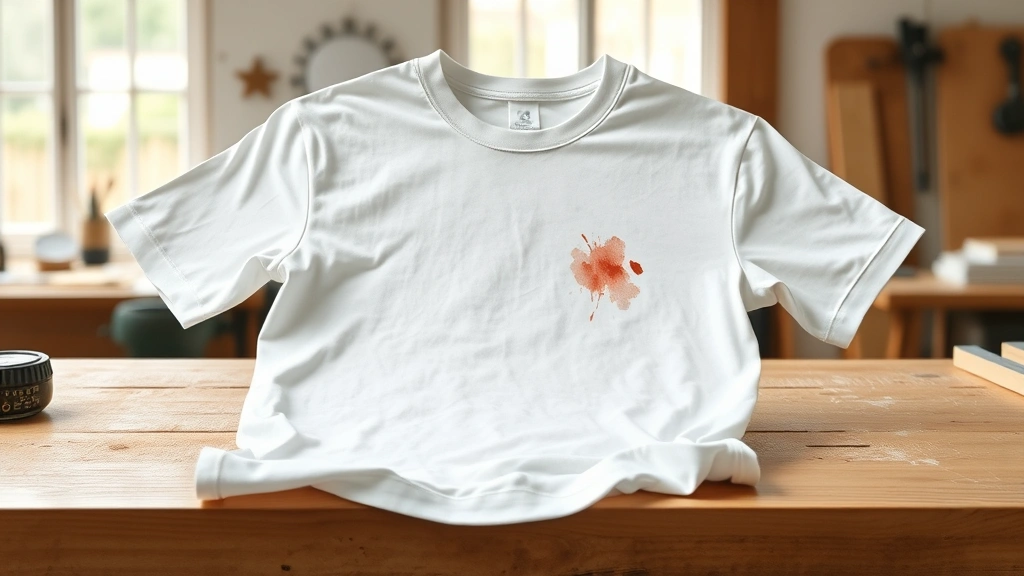
Learning how to take out acrylic paint from clothes is one of those skills that separates the confident DIYer from the panicked painter. Whether you’re tackling a home renovation, working on an art project, or helping your kids with a craft session, acrylic paint splatters happen—and they don’t have to mean the end of your favorite shirt.
Table of Contents
Act Fast Before It Sets
The golden rule for removing acrylic paint stains is timing. Acrylic paint dries quickly—we’re talking minutes to hours depending on thickness and humidity. The moment you notice paint on your clothes, stop what you’re doing and address it. Fresh acrylic paint hasn’t bonded with the fabric fibers yet, making removal exponentially easier. Don’t toss the garment aside thinking you’ll handle it later. That procrastination will cost you.
Dried acrylic paint becomes plastic-like and mechanically locks into fabric. Once it’s fully cured, you’re fighting against chemistry and physics. I’ve seen people successfully remove paint that’s been wet for an hour, but nearly impossible to budge after 24 hours. The window of opportunity is real, and it matters.
Remove Wet Paint Immediately
Your first move with wet acrylic paint is simple: rinse. Hold the stained area under cold running water, working from the back of the fabric. This forces the paint out through the weave rather than deeper into it. Use your fingers to gently rub the paint away as water flows through. Don’t scrub aggressively—that pushes paint deeper into fibers.
For thicker paint deposits, use a soft brush or old toothbrush under the water stream. The combination of water pressure and gentle mechanical action lifts fresh paint effectively. You might remove 80% of the paint this way alone. Keep rinsing until the water runs clear, then assess what remains.
This wet-paint approach works best within the first 5-15 minutes of the spill. After that window closes, you’ll need stronger solvents to break down the paint’s binding properties.
Rubbing Alcohol Technique
Isopropyl rubbing alcohol is your workhorse solvent for acrylic paint removal. It breaks down the paint’s polymer structure without being as harsh as acetone. Grab 70% or 90% isopropyl alcohol from any pharmacy or hardware store.
Blot the stained area with a cloth dampened in rubbing alcohol. Don’t pour it directly on the garment—you’ll spread the stain. Instead, saturate a white cloth (so you can see the paint transfer), press it against the stain for 30 seconds, then blot and lift. Repeat this process, using fresh sections of the cloth each time. You’ll see paint transferring to the cloth with each application.
Work from the outside edges toward the center of the stain to prevent spreading. Change to a clean cloth frequently—you’re essentially painting the stain onto the cloth rather than the fabric. This method works on both wet and partially dried paint, making it incredibly versatile for the workshop or studio.
Acetone for Stubborn Stains
When acrylic paint has started setting but isn’t fully cured, acetone (the active ingredient in most nail polish removers) becomes your heavy hitter. This solvent is more aggressive than rubbing alcohol and dissolves acrylic paint faster. Use 100% acetone rather than nail polish remover, which contains additives that can stain fabric.
Test acetone on an inconspicuous area first—it can damage certain synthetic fabrics or dyes. Once you’ve confirmed it’s safe, apply acetone-soaked cloth to the stain and let it sit for 2-3 minutes. The solvent needs contact time to penetrate and break down the paint. Gently rub the area, and you’ll feel the paint beginning to soften.
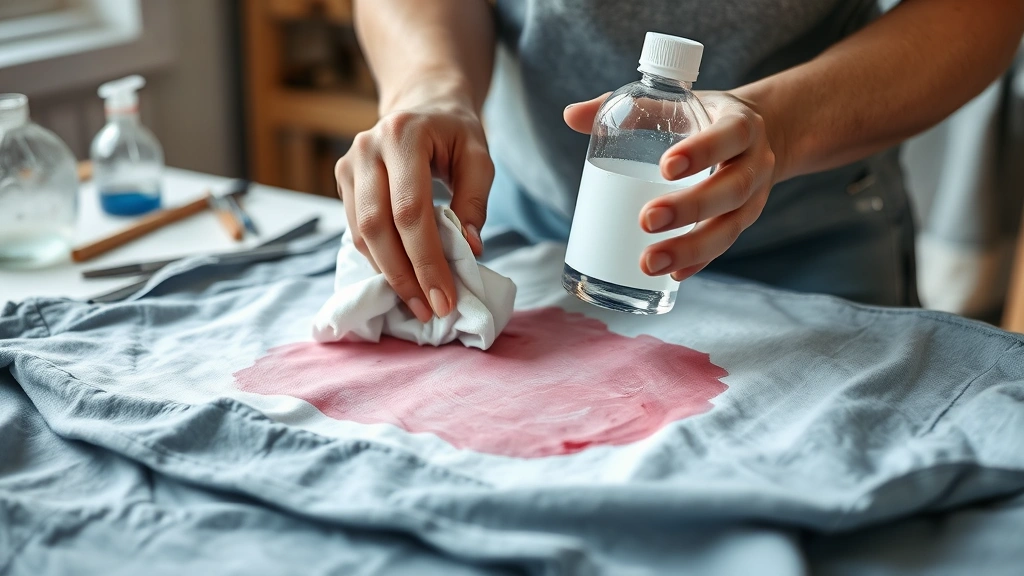
Keep applying fresh acetone and rubbing until the paint lifts. This might take 5-10 minutes of repeated applications. Ensure good ventilation when working with acetone—it has strong fumes. Once the paint is removed, rinse the area thoroughly with water and wash the garment normally.
White Vinegar Method Works
If you prefer a gentler, more natural approach, white vinegar deserves consideration. While less powerful than alcohol or acetone, vinegar works surprisingly well on acrylic paint that’s still somewhat fresh. The acidity helps break down the paint’s binding properties.
Heat white vinegar (don’t boil it, just warm it to about 110-120°F), then soak the stained area in the warm vinegar for 10-15 minutes. The heat accelerates the breakdown process. After soaking, use a soft brush to gently work the paint away. You might need to repeat the soak-and-brush cycle several times, but this method is fabric-safe and won’t damage delicate materials.
The vinegar smell will dissipate once the garment dries. This method works best when combined with other techniques—use vinegar first for gentle removal, then graduate to alcohol or acetone if needed.
Dish Soap and Water Combo
For very fresh paint or as a preliminary step before stronger solvents, plain dish soap and water can work. Use hot water (as hot as the fabric can handle) with a few drops of dish soap. Soak the stained area for 15-20 minutes to soften the paint.
After soaking, gently rub the stain under running water while applying a bit more dish soap directly to the paint. The surfactants in dish soap help lift paint from fibers. This method is safest for delicate fabrics and works well for light paint splatters.
The downside? It’s slower and less effective on dried or thick paint. But it’s your safest first option, especially if you’re uncertain about the fabric’s durability.
Know Your Fabric Type
Different fabrics require different approaches. Cotton and cotton blends tolerate aggressive solvents well—you can use acetone without worry. Synthetics like polyester need caution; test any solvent on a hidden seam first. Delicate fabrics like silk or wool demand gentler methods; stick with vinegar, dish soap, or diluted alcohol.
Check the garment’s care label before applying any solvent. If it says “dry clean only,” consider having professionals handle stubborn stains rather than risk damage. For everyday cotton work clothes, you can be more aggressive with removal methods.
The fabric’s weave also matters. Loose weaves (like canvas or linen) release paint more easily than tight weaves (like denim). Knits can trap paint in loops, requiring more patience and gentle handling than woven fabrics.

Prevention Beats Removal
The best paint stain is the one that never happens. Wear dedicated painting clothes—old jeans, t-shirts you don’t mind losing, or actual painting aprons. Keep a shop apron or old button-up shirt handy whenever you’re working with acrylics. The minimal investment beats the stress of removing paint.
Use drop cloths, plastic sheeting, or newspaper under your work area. Lay them generously—paint splatters travel farther than you’d expect. Protect nearby surfaces and furniture. Keep wet rags nearby for quick cleanup of spills before they dry.
When painting furniture or walls, tape off areas you want to protect. Use painter’s tape on baseboards and trim. Cover floors completely. These preventive measures take 10 minutes and save hours of stain removal work.
Frequently Asked Questions
Can dried acrylic paint be removed from clothes?
Yes, but it’s much harder. Dried acrylic paint requires aggressive solvents like acetone and repeated applications. Success depends on how long it’s been dry and the paint’s thickness. Paint dry for more than a week is nearly impossible to remove completely, but acetone can still soften and lift some of it. For best results, treat paint within hours of it drying.
Will acrylic paint wash out in the washing machine?
Wet acrylic paint might partially wash out if treated immediately, but dried paint won’t budge in a standard wash cycle. Never put a garment with dried paint in the washer—the agitation can spread the stain and set it permanently. Always pre-treat with solvents before washing.
Is rubbing alcohol safe for all fabrics?
Rubbing alcohol is generally safe for most fabrics, but test it on a hidden area first. It can fade certain dyes, especially on darker colors. Stick with diluted alcohol (50/50 with water) on delicate fabrics. For wool or silk, use vinegar instead.
What’s the difference between acrylic and latex paint removal?
Acrylic paint (water-based craft paint) is easier to remove than latex house paint because it’s thinner and dries faster. Both respond to water when wet, but dried latex paint is thicker and requires stronger solvents. The methods described here work for both, but latex paint stains typically need more aggressive treatment.
Can I use nail polish remover instead of acetone?
Nail polish remover contains acetone but also includes other chemicals that can stain fabric. Use 100% pure acetone from the hardware store instead. It’s cheaper, more effective, and won’t leave secondary stains.


