
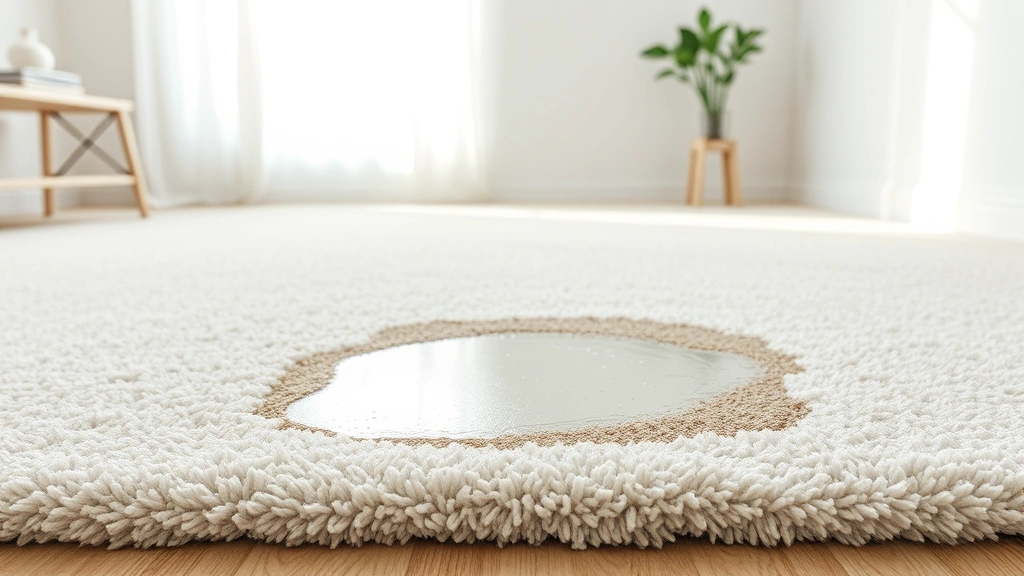
Spilled paint on your carpet? Don’t panic—I’ve got you covered. Learning how to get paint out of carpet is easier than you think, and with the right approach, you can save that carpet from permanent damage. Whether you’re dealing with fresh latex paint or dried acrylic, I’ll walk you through every method that actually works.
Table of Contents
Act Fast: Wet Paint Method
The golden rule of paint spills: speed matters. If you catch fresh paint while it’s still wet, you’ve got maybe a 10-15 minute window before things get complicated. Grab paper towels or old rags and blot—don’t rub—the paint from the edges toward the center. This prevents the paint from spreading across more carpet fibers.
Once you’ve lifted the bulk of the wet paint, grab some warm water and a clean cloth. Blot repeatedly with fresh sections of cloth, working from the outside edges inward. You’re essentially diluting the paint and transferring it to your cloth. This method works best for latex-based paints, which are water-soluble. Keep going until you’re not picking up any more color on your cloth.
Solvent Approach for Dried Paint
Dried paint requires a different strategy. For acrylic or latex paint that’s already hardened, mineral spirits or paint thinner becomes your best friend. Test your chosen solvent on a hidden carpet area first—you want to make sure it won’t damage or discolor your specific carpet material.
Apply the solvent to a cloth and press it onto the paint stain, letting it sit for 5-10 minutes to break down the paint’s bond with the fibers. Then gently work the cloth in circular motions, lifting paint as it loosens. You might need to repeat this process several times. Always work in a well-ventilated area when using solvents, and keep a window open. Wear gloves to protect your skin, and avoid inhaling fumes directly.
Heat and Scrape Technique
Heat softens dried paint, making it easier to remove. Use a heat gun or even a hair dryer set to medium-high heat, holding it about 6 inches from the stain for 30-60 seconds. You’ll see the paint begin to soften slightly. Immediately follow up by gently scraping with a plastic scraper or old credit card—metal tools can damage carpet fibers.
Work carefully in small sections, scraping away loosened paint bits. If the paint hardens again, reapply heat and continue. This method works particularly well for oil-based paints and is less harsh than aggressive chemical solvents. After scraping, you’ll likely need to follow up with one of the other methods to remove residual staining.
Enzyme Cleaner Solution
Enzyme-based cleaners are your secret weapon for stubborn paint residue. These cleaners break down organic compounds and work surprisingly well on paint stains. Spray or apply the enzyme cleaner directly to the stain and let it sit for the time recommended on the bottle—usually 15-30 minutes.
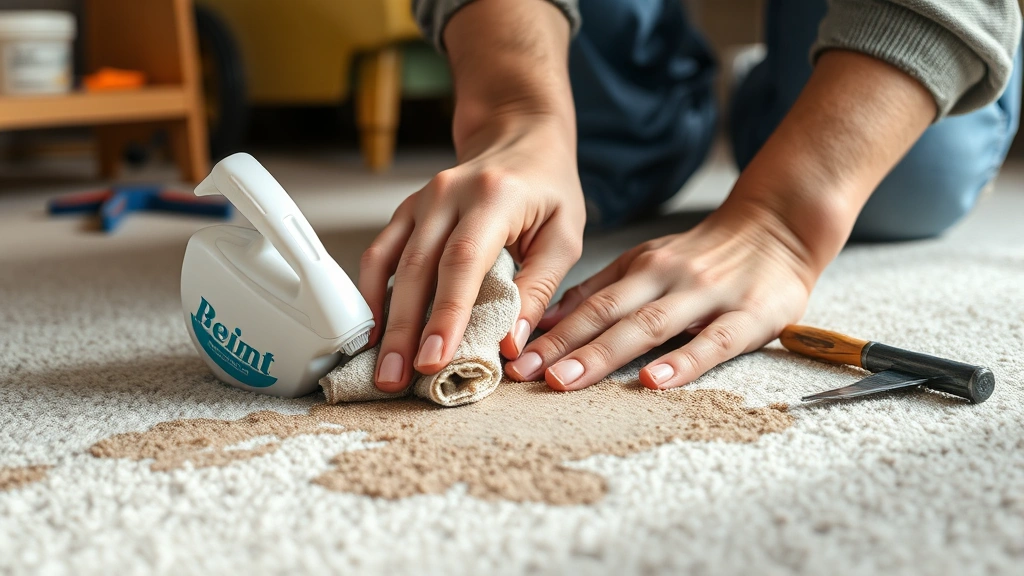
Then blot with a damp cloth, working from the edges inward. The enzymes will have broken down the paint’s structure, making it much easier to lift away. You might need multiple applications for heavily stained areas. This method is gentler on carpets than harsh solvents and works on both dried and semi-dried paint. Many enzyme cleaners also deodorize, which is a nice bonus.
Acetone: The Last Resort
If you’re dealing with oil-based paint or shellac, acetone (found in some nail polish removers) might be necessary. This is your nuclear option—it’s powerful but can damage certain carpet materials and dyes. Always test on a hidden area first, and only use pure acetone, not acetone-containing products with additives.
Apply acetone to a cloth and press onto the stain for several minutes. The paint should begin to dissolve. Work gently, as acetone can strip carpet dyes if you’re too aggressive. Use this method sparingly and only when other approaches have failed. Ensure excellent ventilation, as acetone fumes are strong. After using acetone, rinse thoroughly with water and allow the carpet to dry completely.
Preventing Future Paint Disasters
An ounce of prevention beats a pound of cure. When painting indoors, lay down drop cloths or plastic sheeting before you start. Cheap plastic sheeting from any hardware store prevents 99% of paint spills from reaching your carpet. Use painter’s tape around baseboards and edges to create a protective barrier.
Keep paint cans stable and away from high-traffic areas. Use paint trays with lids, and never leave an open can unattended. If you’re working on a ladder, secure your paint bucket to prevent accidental kicks. Consider using a paint grid instead of a roller tray for cleaner, more controlled painting. These simple precautions save hours of cleanup work and carpet repair headaches.
When to Call the Professionals
Some paint stains are just too stubborn or extensive for DIY removal. If you’ve tried multiple methods over several days without success, or if the stain covers a large area, professional carpet cleaners have industrial-strength equipment and specialized solutions you don’t have at home. They can often remove stains that seem permanent to the untrained eye.
Professional cleaners also understand different carpet materials and can choose methods that won’t damage your specific fiber type. If your carpet is expensive or antique, it’s worth calling professionals immediately rather than risking damage with aggressive DIY methods. Many carpet cleaners offer stain-specific treatments and can often save carpets that homeowners assume are ruined.
Frequently Asked Questions
Can I use vinegar to remove paint from carpet?
Vinegar can help with fresh latex paint spills, but it’s not as effective as dedicated solvents or enzyme cleaners. Mix equal parts white vinegar and water, apply to the stain, and blot repeatedly. It works best as a follow-up treatment after you’ve removed the bulk of the paint using other methods.
Will paint thinner damage my carpet?
Paint thinner can potentially damage certain carpet materials and dyes. Always test on a hidden area first. Use it sparingly and ensure good ventilation. For delicate or valuable carpets, consider professional cleaning instead of risking damage with strong solvents.
How long can I wait before treating a paint stain?
Fresh paint is easiest to remove—ideally within 15-30 minutes. However, you can still remove paint that’s been sitting for days or weeks using solvents, heat, or enzyme cleaners. The longer you wait, the more stubborn the stain becomes, but it’s not impossible to remove.
What’s the difference between latex and oil-based paint removal?
Latex paint is water-soluble and responds well to water, enzyme cleaners, and mild solvents. Oil-based paint requires stronger solvents like mineral spirits, paint thinner, or acetone. If you’re unsure which type spilled, try water first—if it doesn’t work, move to stronger solvents.
Can I use a carpet steam cleaner on paint stains?
Steam cleaning can actually set paint stains deeper into carpet fibers, especially if the paint hasn’t been fully dissolved first. Remove as much paint as possible using the methods above, then you can safely use a steam cleaner as a final rinse step.
Wrapping It Up
Paint spills on carpet don’t have to mean permanent damage. The key is acting quickly with wet paint and using the right solvent or method for dried stains. Start with the gentlest approach—water for fresh latex paint, enzyme cleaners for stubborn residue—and work your way up to stronger solvents only if needed. Most importantly, prevent future disasters with proper drop cloths and preparation before you even open that paint can. Your carpet—and your future self—will thank you.


