

Learning how to clean pennies is one of those surprisingly satisfying DIY tasks that turns dull, tarnished coins into shiny treasures. Whether you’ve got a jar of old pennies gathering dust or you’re working on a restoration project, I’ve got five proven methods that actually work—no fancy equipment needed. Most use stuff you’ve already got lying around your kitchen or garage.
Table of Contents
Why Clean Pennies?
Before we dive into the methods, let’s talk about why you’d want to clean pennies in the first place. Tarnish happens because copper oxidizes when exposed to air and moisture—that’s just chemistry. But here’s the thing: cleaning old coins isn’t just about making them look pretty. If you’re collecting coins, restoring antique items, or teaching kids about chemistry through hands-on experiments, knowing how to clean pennies properly matters. Plus, it’s genuinely fun to watch a grimy penny transform into something that gleams.
Vinegar & Salt Method
This is my go-to method because it’s reliable and uses two ingredients most kitchens have. The acetic acid in vinegar dissolves the oxidation layer, while salt acts as a gentle abrasive.
Here’s what you need: White vinegar, table salt, a shallow bowl, and a soft cloth or old toothbrush. Pour about a quarter cup of vinegar into your bowl and stir in a tablespoon of salt until it dissolves. Drop your pennies in and let them soak for 5-10 minutes. For heavily tarnished coins, you might need 15-20 minutes. Use the toothbrush to gently scrub each penny, focusing on stubborn spots. Rinse thoroughly under running water and pat dry immediately with a clean cloth. This method works best for moderate tarnish and won’t damage the coin’s surface like harsh scrubbing might.
Lemon Juice Technique
Fresh lemon juice is surprisingly effective because citric acid attacks tarnish without being overly aggressive. This method is gentler than vinegar and works well if you’re concerned about damaging older or valuable coins.
Cut a lemon in half and pour the juice into a bowl—you’ll need about a quarter cup. Add a pinch of salt if you want extra cleaning power. Place your pennies in the juice and let them sit for 10-15 minutes. The longer they soak, the more the acid works on the tarnish. Gently rub each penny with your finger or a soft cloth, then rinse and dry. The advantage here is that lemon juice smells better than vinegar and tends to leave a brighter finish. I often use this method when I’m working with coins that have sentimental value since it’s the most gentle option available.
Baking Soda Paste
Baking soda is your friend for this job because it’s mildly abrasive and slightly alkaline, which helps neutralize the oxidation without scratching. This method works particularly well for light tarnish.
Mix three parts baking soda with one part water to create a thick paste. You can adjust the consistency based on how much cleaning power you need. Apply the paste directly to your pennies and use an old toothbrush or soft cloth to gently scrub in circular motions. Work on small sections at a time—this isn’t a race. Rinse thoroughly with water and dry immediately. The beauty of this method is that baking soda is so gentle you can use it on valuable coins without worry. It’s also the least messy option and works great if you’re cleaning large batches of pennies.
Ketchup Trick
Yes, ketchup actually works for cleaning pennies, and it’s probably the most fun method. The acidity in ketchup (thanks to vinegar and tomato) dissolves tarnish while the tomato solids provide gentle abrasion.
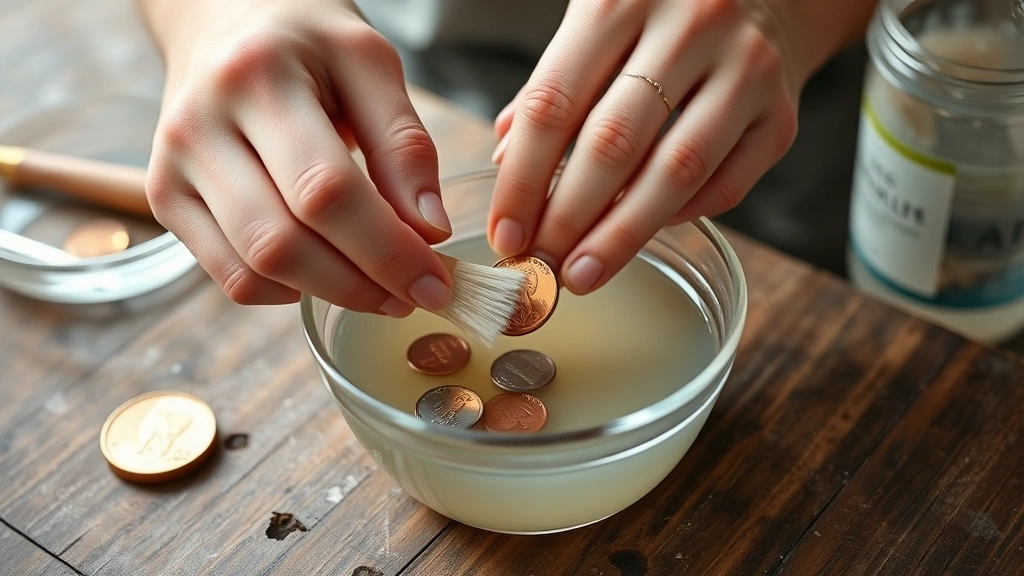
Squeeze ketchup onto a plate or shallow dish and place your pennies directly in it. Let them sit for 5-10 minutes, then use a soft cloth or your finger to rub each penny gently. The ketchup will start looking darker as it pulls the tarnish off. Rinse thoroughly under running water—this is important because you don’t want ketchup residue left on your coins. Pat dry with a clean cloth. This method is perfect for kids’ science projects because it’s safe, non-toxic, and surprisingly effective. Plus, there’s something satisfying about using condiment chemistry to restore coins.
Coca-Cola Soak
The phosphoric acid in cola drinks can clean pennies effectively, though this method requires patience. It’s best for heavily tarnished coins that need serious work.
Pour cola into a bowl—enough to cover your pennies—and drop them in. Let them soak for 24-48 hours. Yes, this takes time, but the extended soak does heavy lifting for you. After soaking, use a soft brush to gently scrub away any remaining tarnish, rinse thoroughly, and dry immediately. The longer soak time means less manual scrubbing needed. This method works well when you’re dealing with coins that have been neglected for years. Just remember that cola is sticky, so rinsing is crucial. This approach pairs well with other cleaning methods—you might do a cola soak first, then follow up with vinegar or lemon juice for final polishing.
Safety Tips First
Before you start cleaning, here’s what you need to know about staying safe. First, never use harsh chemicals like bleach or ammonia—these can damage coins permanently and create toxic fumes. Stick with food-grade acids and mild abrasives. If you’re cleaning valuable or antique coins, research their worth first. Some collectors actually prefer the patina on old coins, and aggressive cleaning can reduce value. Wear old clothes because some methods (especially ketchup) can stain. Keep your workspace well-ventilated, even though we’re using mild ingredients. If you have sensitive skin, wear gloves—vinegar and lemon juice are acidic and can irritate skin with prolonged contact. Work over a sink or tray to catch any spills. This is similar to how you’d approach how to clean an iPhone charging port—careful, methodical work beats aggressive scrubbing every time.
Drying & Storage
How you dry and store your cleaned pennies matters more than you’d think. Moisture is the enemy of shiny coins, so dry them immediately after rinsing—don’t let them air dry. Use a soft, lint-free cloth and pat gently. If you’ve got a lot of pennies, lay them out on a clean towel and use another towel to pat them dry. Once dry, store them in a cool, dry place. If you’re keeping them long-term, consider storing them in airtight containers or coin holders. Avoid plastic bags that trap moisture. Silica gel packets can help keep your storage area dry. If you’re storing cleaned pennies in jars like you might organize items in a clean washing machine, make sure the container is completely dry before adding coins. Tarnish returns when coins are exposed to air and moisture, so proper storage extends your cleaning work’s lifespan.
Frequently Asked Questions
Will cleaning pennies damage their value?
Light cleaning with gentle methods usually doesn’t hurt collector value. However, aggressive scrubbing or harsh chemicals can permanently damage a coin’s surface. If you suspect you have valuable coins, consult a numismatist or coin appraiser before cleaning. For ordinary circulated pennies, cleaning won’t affect their face value.
How long does it take to clean pennies?
Most methods take 5-20 minutes of active time, depending on how tarnished your coins are. The vinegar and salt method is fastest (5-10 minutes), while the cola soak takes 24-48 hours but requires minimal effort. Choose based on your timetable and how dirty the pennies are.
Can I clean rare or old pennies?
Yes, but use the gentlest methods available—lemon juice or baking soda paste are your safest bets. Never use harsh chemicals or scrub aggressively on coins older than 1950 or those with collector markings. When in doubt, research the specific penny’s value first or consult an expert.
Why does tarnish come back?
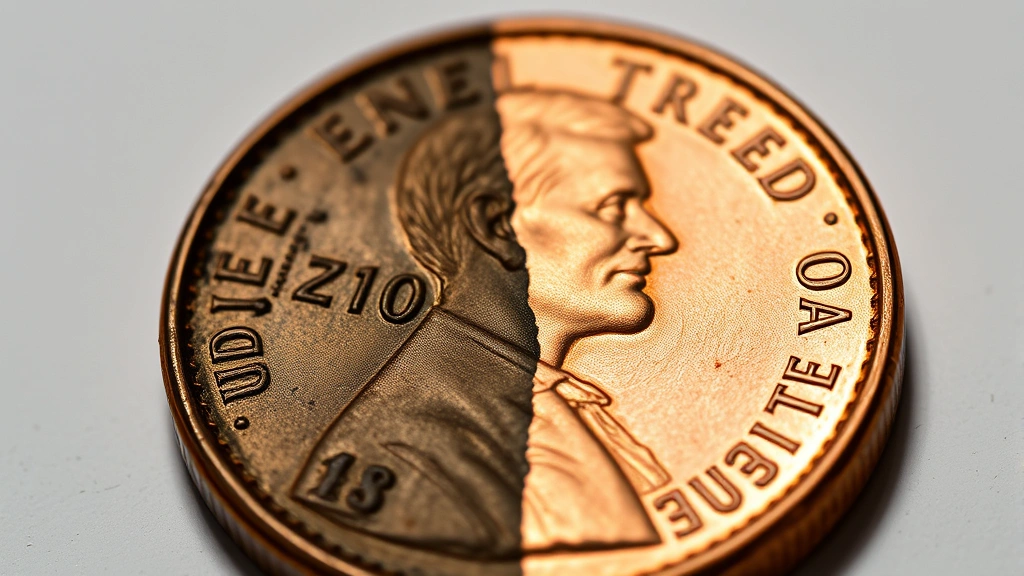
Tarnish returns because copper naturally oxidizes when exposed to air and moisture. It’s not a sign you did something wrong; it’s just chemistry. Proper storage in airtight containers slows the process significantly.
Which method works best?
For most situations, the vinegar and salt method offers the best balance of effectiveness and safety. It’s fast, uses common ingredients, and works on moderate to heavy tarnish. For valuable coins or light tarnish, lemon juice is gentler. For fun and kids’ projects, ketchup is your winner.
Do I need special tools?
Nope. A soft toothbrush, cloth, and common kitchen ingredients are all you need. Avoid wire brushes or steel wool—they scratch coins. An old soft-bristled toothbrush is perfect for gentle scrubbing.
Can I clean pennies with toothpaste?
While some toothpastes have mild abrasives, they’re not ideal because they contain fluoride and other additives that can leave residue. Stick with the methods outlined here for better results and less risk of damage.
The bottom line: Knowing how to clean pennies opens up a world of possibilities—from restoring old collections to running cool science experiments with kids. The five methods I’ve shared all work, so pick the one that matches your situation. Start gentle, be patient, and you’ll transform those grimy coins into shiny treasures. The satisfaction of watching a dull penny transform is genuinely rewarding, and you’re using basic chemistry that anyone can master. Keep your workspace organized and your pennies properly stored, and they’ll stay bright for years to come. For more detailed cleaning guidance on other household items, check out our guide to cleaning a weighted blanket for similar step-by-step approaches.
Happy cleaning, and enjoy those shiny pennies!


