

Learning how to clean baseboards is one of those tasks that seems tedious until you discover a few smart shortcuts—then it becomes almost satisfying. Baseboards collect dust, pet hair, and grime faster than you’d think, but with the right approach and tools, you can knock this job out in under an hour and keep your home looking polished.
Table of Contents
Why Clean Baseboards Matter
Your baseboards are the unsung heroes of home cleanliness. They sit at floor level where dust settles, pets shed, and foot traffic kicks up debris. Dirty baseboards make even a clean room look neglected—it’s one of those details visitors notice subconsciously. Beyond aesthetics, buildup can harbor allergens and dust mites that affect indoor air quality. Regular baseboard cleaning is a simple habit that pays dividends in both appearance and health.
The good news? You don’t need expensive equipment or harsh chemicals. I’ve tested five methods that range from dead simple to thoroughly professional, and each one works better for different situations.
Gather Your Tools & Supplies
Before you start, assemble what you need. Having everything ready means you won’t waste time hunting for supplies mid-project. Here’s what works:
- Microfiber cloths (reusable and highly effective)
- Vacuum with upholstery attachment (optional but helpful)
- Warm water (your baseline cleaning agent)
- All-purpose cleaner or diluted vinegar solution (1 part vinegar to 3 parts water)
- Magic erasers (for stubborn marks)
- Bucket (for mixing and rinsing)
- Knee pad or old towel (your back will thank you)
- Optional: handheld steam cleaner (for deep cleaning)
Pro tip: Keep a microfiber cloth in your cleaning caddy year-round. It’s the MVP of baseboard maintenance and costs almost nothing.
Method 1: Microfiber Cloth Dry Sweep
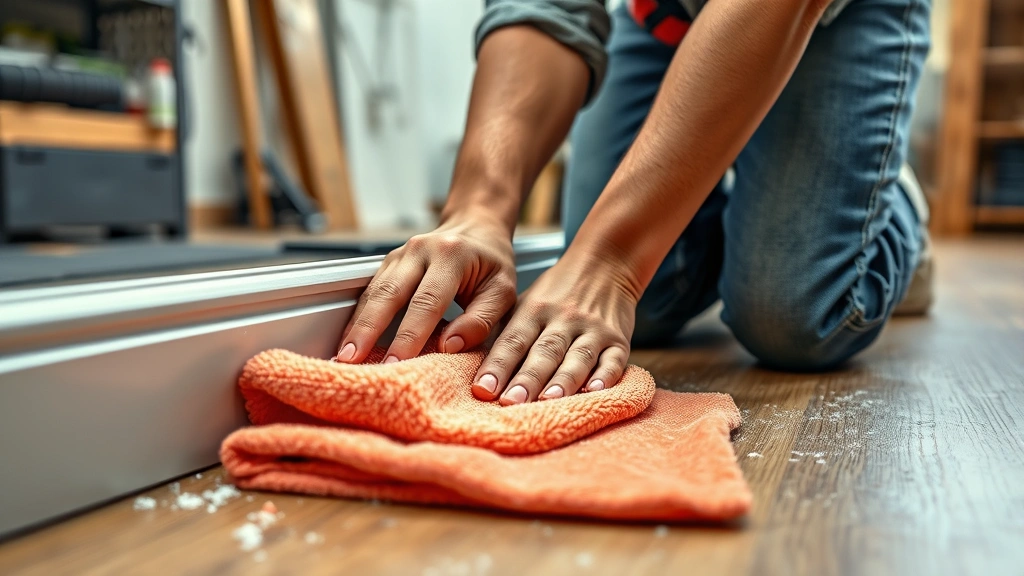
This is your fastest option and my go-to for weekly maintenance. Microfiber cloths attract dust like magnets—they work through static electricity rather than relying on moisture.
Steps:
- Fold a dry microfiber cloth into quarters for maximum surface area
- Run it along the entire baseboard length, pressing gently
- Pay extra attention to corners where dust accumulates
- Flip the cloth frequently to use clean sections
- For stubborn dust, dampen the cloth slightly with water
This method takes 15-20 minutes for an average room and requires zero drying time. It’s perfect for quick touch-ups between deeper cleanings. The dry microfiber method works especially well if you’re managing pet hair—the static cling grabs it immediately.
Method 2: Damp Cloth & Solution
When baseboards need actual cleaning rather than just dust removal, a damp cloth with solution gets the job done without chemicals. This is my preferred method for monthly maintenance.
Steps:
- Mix warm water with a small squirt of dish soap or diluted all-purpose cleaner
- Wring out a microfiber cloth until it’s damp but not dripping
- Wipe the entire baseboard length in smooth, overlapping strokes
- Use a second cloth with plain water to remove any residue
- Dry with a third cloth to prevent water marks
The beauty of this method is simplicity—you’re using gentle cleaning power without harsh fumes. For stubborn grime, let the damp cloth sit on the spot for 30 seconds before wiping. If you want to upgrade your regular cleaning routine, check out how to clean your washing machine to ensure your cloths stay fresh and effective.
Method 3: Magic Eraser Technique
Magic erasers are melamine foam blocks that work through mild abrasion. They’re fantastic for scuffs, marks, and ground-in dirt that won’t budge with cloth alone.
Steps:
- Dampen a magic eraser slightly with warm water
- Test on an inconspicuous spot first (some finishes are sensitive)
- Gently rub the baseboard using light pressure and circular motions
- Work in small sections to avoid over-wetting
- Wipe away residue with a damp cloth
- Dry immediately with a microfiber cloth
Magic erasers work especially well on white or light-colored baseboards where scuffs show easily. Don’t use heavy pressure—let the eraser do the work. One block lasts through several rooms before it becomes too small to handle.
Method 4: Vacuum Attachment Method
If you have a vacuum with an upholstery attachment, this method is efficient for removing loose dust and pet hair before wet cleaning.
Steps:
- Use the upholstery attachment (soft brush head) on your vacuum
- Run it along the baseboard at a low-suction setting to avoid damage
- Pay special attention to corners and where walls meet baseboards
- Follow up with a damp cloth for any remaining residue
This approach works well if you’re already vacuuming the room. It’s particularly useful for homes with pets or high-traffic areas. The vacuum removes the bulk of debris, making subsequent wet cleaning faster and more effective.
Method 5: Steam Cleaner Power Clean
For deep cleaning or seasonal maintenance, a handheld steam cleaner delivers professional results without chemicals. This is the heavy artillery option.
Steps:
- Fill the steam cleaner with distilled water (prevents mineral buildup)
- Allow it to heat according to manufacturer instructions
- Attach the smallest nozzle for precise application
- Move slowly along the baseboard, letting steam do the work
- Wipe away loosened grime with a cloth
- Allow baseboards to air dry completely
Steam cleaning kills bacteria and allergens while dissolving stubborn grime. It’s ideal for baseboards in kitchens or high-traffic areas. The downside? You need to own or rent the equipment, and it takes longer than other methods. However, the results are thorough and chemical-free, making it worth the effort annually.
Pro Tips for Maintenance
Smart maintenance prevents baseboard cleaning from becoming a major project. Here’s what works:
Weekly: Quick dry microfiber cloth sweep while you’re tidying. Takes five minutes and keeps dust from accumulating.
Monthly: Damp cloth cleaning with your all-purpose solution. Targets light grime before it sets in.
Seasonally: Deep cleaning with steam or magic erasers. Addresses scuffs and stubborn marks that monthly cleaning misses.
Keep a microfiber cloth in your cleaning caddy so it’s always accessible. The more frequently you touch baseboards lightly, the less often you’ll need intensive cleaning. This approach also prevents dust from becoming airborne and settling on furniture.
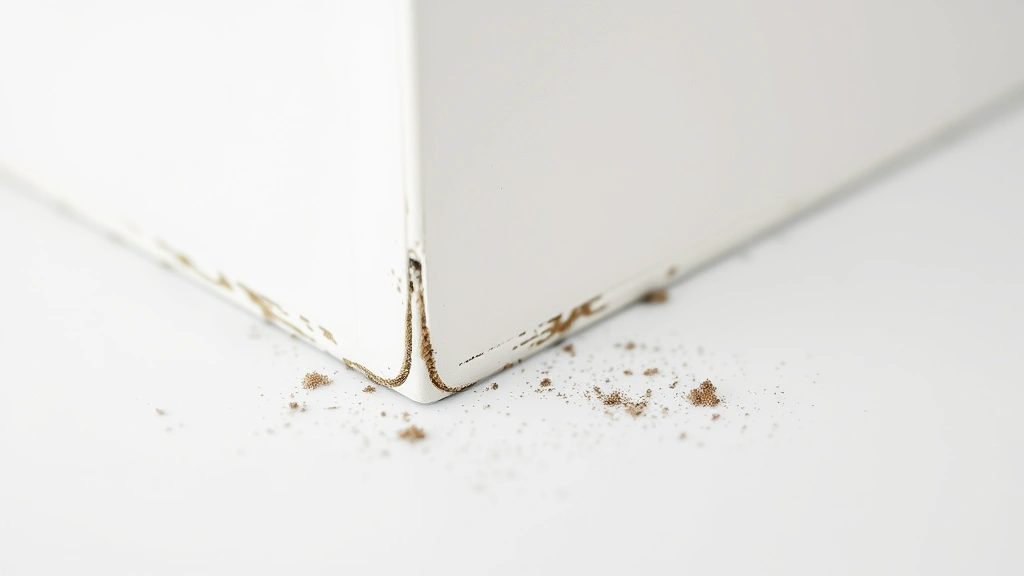
For homes with kids or pets, consider protective baseboard guards or wainscoting in high-impact areas. They’re easier to clean and reduce the number of scuffs you’ll deal with.
Frequently Asked Questions
What’s the fastest way to clean baseboards?
The dry microfiber cloth method is fastest—15-20 minutes for an average room with zero drying time. For weekly maintenance, this is your best bet. It requires no mixing or preparation and works through static attraction rather than moisture.
Can I use vinegar on all baseboard types?
Vinegar works great on most baseboards, but test it first on a hidden spot. Dilute it 1:3 with water to minimize acidity. Avoid vinegar on natural wood with delicate finishes—stick to mild soap solution instead. For painted baseboards, vinegar is perfectly safe and effective.
How often should baseboards be cleaned?
Weekly dry dusting keeps them looking fresh. Monthly wet cleaning removes grime before it builds up. Deep cleaning seasonally handles stubborn marks. Adjust frequency based on your home’s traffic and whether you have pets or allergies.
Are magic erasers safe for all finishes?
Magic erasers work through light abrasion, so they can dull glossy finishes if you’re too aggressive. Always test on a hidden area first. They’re safest on matte or flat-finish baseboards. Use gentle pressure and avoid extended rubbing on high-gloss surfaces.
What’s the best cleaner for baseboard grime?
Simple warm water with a drop of dish soap handles 90% of baseboard cleaning needs. For tougher grime, diluted vinegar (1:3 ratio) or all-purpose cleaner works well. Steam cleaning is the chemical-free option for deep cleaning. Avoid bleach unless dealing with mold, and never mix cleaning products.
Can I prevent baseboard dust buildup?
Regular vacuuming of floors reduces dust settling on baseboards. Using HEPA filters in your vacuum and air purifier helps. Microfiber dusting weekly prevents accumulation. In high-traffic areas, consider baseboard guards or protective coatings that make cleaning easier.
Final Thoughts
Knowing how to clean baseboards isn’t complicated—it’s mostly about picking the right method for your situation and sticking to a maintenance schedule. Start with the dry microfiber cloth approach for weekly touch-ups, graduate to damp cloth cleaning monthly, and deploy steam or magic erasers seasonally for deeper work.
The key is consistency. Spending five minutes weekly with a dry cloth prevents the need for hours of scrubbing later. Your baseboards are one of those details that dramatically affect how clean your home feels, and they’re surprisingly easy to maintain once you find your rhythm.
Keep your tools simple, your solutions gentle, and your schedule regular. Your baseboards—and your back—will thank you. For other household cleaning tips, explore how to unclog a toilet fast and how to install ring doorbell for maintaining different areas of your home. And if you’re managing smart home devices alongside your cleaning routine, how to clear cache on iPad keeps your devices running smoothly while you tackle household projects.


