
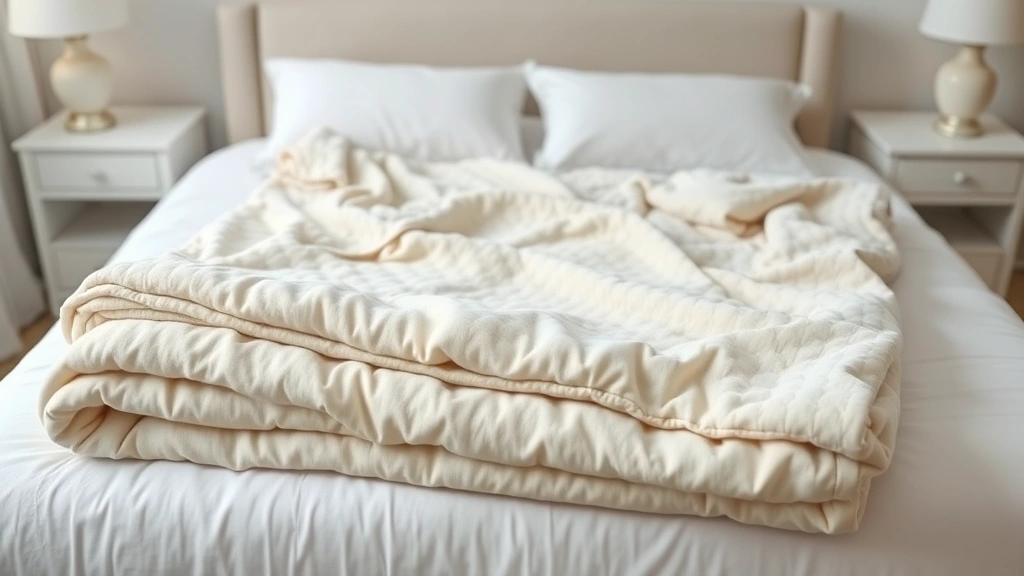
Learning how to clean a weighted blanket is essential if you want to keep this cozy investment fresh, hygienic, and performing at its best for years to come. Unlike regular bedding, weighted blankets require a bit more finesse because of their special construction and the materials inside them. The good news? It’s totally doable, and I’m going to walk you through every method so you can pick what works best for your situation.
Table of Contents
Check Your Care Label First
Before you do anything else, flip that blanket over and read what the manufacturer says. I know it sounds basic, but this step saves you from potential disasters. Your care label is like the instruction manual for your weighted blanket—it tells you the exact water temperature, whether machine washing is allowed, and what cleaning products won’t damage the fabric or the fill material inside.
Some weighted blankets use glass beads, others use plastic pellets, and some use sand. Each material has different tolerances for water temperature and agitation. The cover fabric matters too—some are delicate synthetics that need gentle treatment, while others are sturdy cotton blends that can handle more robust cleaning.
Understanding Your Blanket’s Construction
Weighted blankets aren’t like regular blankets. They’ve got weight distributed throughout, usually in small pockets or channels. This construction is actually what makes cleaning trickier but also more important. If moisture gets trapped inside those pockets, you’re looking at potential mold or mildew issues.
Most quality weighted blankets have a removable cover—and here’s the pro tip: if yours does, you can often wash the cover separately, which makes the whole process way easier. The cover does most of the heavy lifting in terms of getting dirty anyway. It’s where you get sweat, dust, and all the stuff that accumulates from regular use.
If your blanket doesn’t have a removable cover, you’ll need to be more cautious with your cleaning approach. You’re basically doing spot cleaning or very gentle hand washing to avoid saturating the inner material.
Spot Cleaning Method
For small stains or quick cleanups, spot cleaning is your best friend. This method works great for fresh spills before they set in. Here’s exactly what I do:
First, blot the stain immediately with a clean, dry cloth. Don’t rub it—blotting lifts the liquid without pushing it deeper into the fabric. Once you’ve absorbed what you can, mix a solution of lukewarm water and a tiny bit of mild detergent (like Woolite or baby shampoo). Dip a cloth into this solution and gently dab the stained area. Work from the outside of the stain toward the center to prevent it from spreading.
Rinse with a fresh cloth dampened in plain water, then blot dry. The key is using minimal water and drying thoroughly afterward. If you’re dealing with a protein-based stain like blood or vomit, use cold water instead of warm—hot water sets protein stains permanently.
Hand Washing Your Blanket
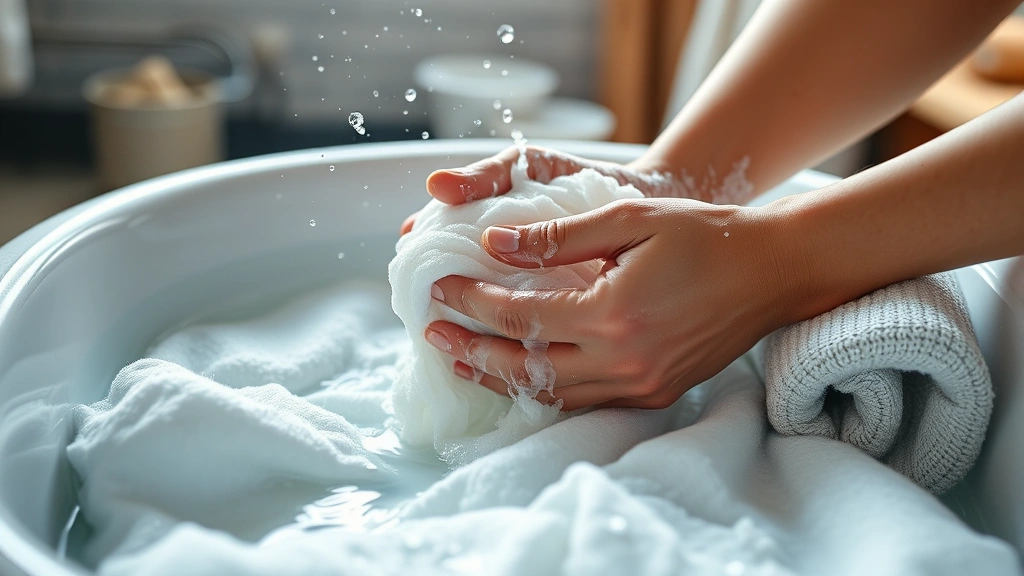
When your weighted blanket needs a proper cleaning, hand washing is the gentlest method that actually works. Fill a bathtub with cool or lukewarm water—never hot, as this can damage both the cover and the fill material. Add a small amount of mild detergent, then submerge your blanket.
Let it soak for about 10-15 minutes. This gives the detergent time to work without you having to agitate the blanket aggressively. Gently squeeze the soapy water through the fabric with your hands. Avoid wringing, twisting, or bunching it up. Think of it like you’re gently massaging the blanket rather than scrubbing.
After the initial wash, drain the tub and refill it with clean water. Squeeze the blanket several times in fresh water to rinse out the soap. You might need to do this 2-3 times until the water runs clear and you don’t see any soap suds. Incomplete rinsing leaves detergent residue that attracts dirt and can make the blanket feel stiff.
Once rinsed, carefully lift the blanket out of the tub. Have someone help you if possible—wet weighted blankets are heavy, and you don’t want to strain your back or accidentally tear seams. Support the entire blanket as you move it.
Machine Washing (When Safe)
Some weighted blankets are machine-washable, but you’ve got to follow specific guidelines. Check that care label again. If machine washing is approved, use a commercial-sized machine at a laundromat rather than a home machine. Your home washer probably isn’t big enough to handle a weighted blanket without putting stress on the seams and agitator.
Use the gentle or delicate cycle with cold water and mild detergent. Don’t use bleach or fabric softener—these can damage the cover and potentially react with the fill material. Wash with similar colors to prevent dye transfer. If you’re washing with other items, keep it light. A weighted blanket plus a few light towels is fine; don’t stuff the machine.
Never use a dryer for a weighted blanket. The heat can damage the materials, and the tumbling action can shift the fill or damage seams. Always air dry instead.
Drying Techniques That Work
This is where patience matters. Lay your weighted blanket flat on a clean surface—a bed, clean floor, or outdoor deck works great. Spread it out fully so air can circulate around all sides. If weather permits, drying in sunlight is fantastic because UV rays naturally kill bacteria and odors.
Flip the blanket halfway through drying to ensure both sides dry evenly. Depending on humidity and thickness, this can take 24-48 hours. Yes, it’s slow, but rushing it by using heat or hanging it up can cause uneven drying and potential mildew.
If you’re drying indoors, place the blanket in a well-ventilated room with air circulation. A fan nearby helps speed things up. Never hang a wet weighted blanket from a clothesline or rod—the weight of the water pulling down on wet seams can cause them to tear or stretch out of shape.
Deep Cleaning Strategy
A few times a year, give your weighted blanket a deep clean beyond regular washing. This involves a thorough hand wash with a bit more detergent, longer soak time, and extra rinses. Some people swear by adding a cup of white vinegar to the rinse water—it helps remove detergent residue and neutralizes odors without adding chemicals.
For stubborn odors, you can also sprinkle baking soda on the blanket and let it sit for a few hours before vacuuming it off. This works especially well if you’ve stored the blanket for a while or if it’s picked up musty smells. Just make sure the blanket is completely dry before doing this.
If you notice any mold or mildew spots (which shouldn’t happen if you’re drying properly), mix equal parts white vinegar and water, spray the affected area, and let it dry in sunlight. Don’t use bleach—it can damage the fabric and isn’t necessary.
Preventative Maintenance Tips
The best cleaning is the cleaning you don’t have to do. Use a duvet cover over your weighted blanket. This is honestly the single best move you can make. The cover catches sweat, dust, and spills, and you can wash it weekly just like regular bedding. Your actual blanket stays cleaner longer.
Air out your blanket regularly—once a week, hang it outside for a few hours if possible. Fresh air and sunlight naturally freshen it up and prevent odors from developing. Vacuum your blanket occasionally with an upholstery attachment to remove dust and skin cells that accumulate over time.
Don’t eat or drink in bed with your weighted blanket. I know it’s tempting, but spills are the enemy. If you do have an accident, address it immediately with spot cleaning rather than waiting.
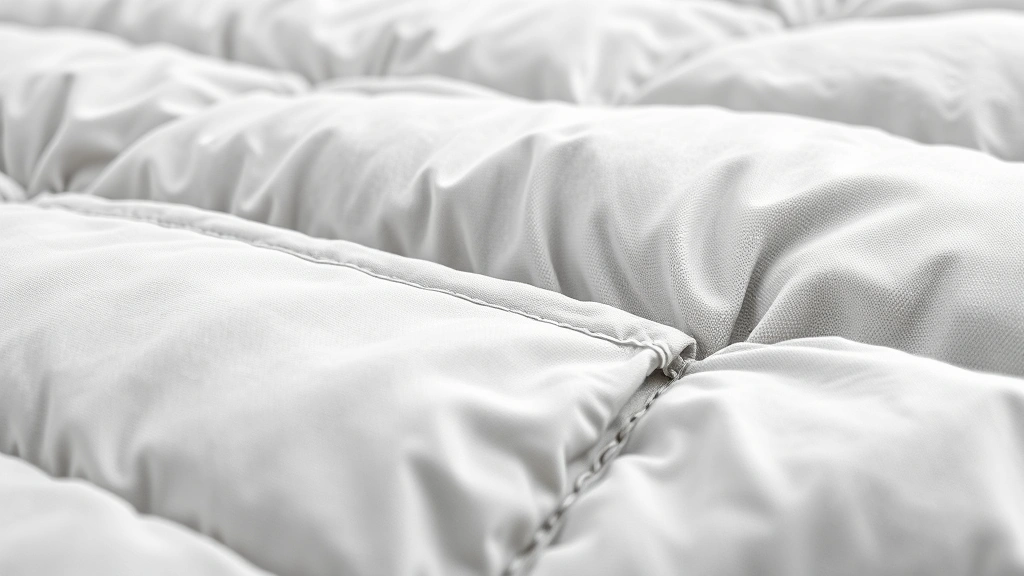
Store your blanket in a dry, cool place. Never seal it in a plastic bag for long-term storage—moisture can get trapped. Use a breathable cotton storage bag or just keep it folded in a closet. Make sure the storage area isn’t damp or prone to humidity.
Frequently Asked Questions
Can I dry clean my weighted blanket?
Generally, no. Dry cleaning chemicals can damage the fill material and the cover’s special treatments. Always check your care label, but most manufacturers recommend avoiding dry cleaning. Hand washing or machine washing on gentle cycle is the safer route.
How often should I wash my weighted blanket?
If you’re using a duvet cover, wash the cover weekly and the blanket itself every 1-2 months. Without a cover, wash it every 2-4 weeks depending on use and how much you sweat. Listen to your blanket—if it smells off or looks dingy, it’s time for a wash.
What if my weighted blanket smells bad?
First, make sure it’s completely dry after washing—dampness causes odors. If it still smells, soak it longer in the wash water, do extra rinses, and dry it in sunlight. Baking soda and white vinegar are also effective odor fighters. If the smell persists after proper cleaning, there might be mold inside, which means you need to contact the manufacturer.
Is it safe to wash a weighted blanket with glass beads?
Yes, glass beads are water-resistant and won’t be damaged by washing. The key is making sure water doesn’t get trapped inside the pockets where the beads are. Hand washing is safer than machine washing for glass bead blankets because there’s less agitation and movement that could damage seams.
Can I use a washing machine if my blanket is machine-washable?
Only if you use a commercial-sized machine at a laundromat. Home washing machines typically aren’t large enough, and the stress on seams can cause damage. Always use gentle cycle, cold water, and mild detergent.
What’s the best way to remove stains from a weighted blanket?
Address stains immediately by blotting with a dry cloth. For fresh stains, use cold water (hot water sets some stains). Mix mild detergent with water, dab the stain, and rinse thoroughly. For set-in stains, you might need to soak the blanket longer during regular washing, but avoid using harsh chemicals or bleach.
How long does it take to dry a weighted blanket?
Typically 24-48 hours depending on humidity, air circulation, and blanket thickness. Lay it flat and flip it halfway through. Using a fan speeds up the process. Never use a dryer—the heat and tumbling can damage the blanket permanently.
Can I wash my weighted blanket in cold water?
Yes, cold water is actually preferred for most weighted blankets. It’s gentler on fabrics and fill materials, and it prevents color fading. Warm water is okay for heavily soiled blankets, but avoid hot water entirely.
Wrapping It Up
Cleaning a weighted blanket doesn’t have to be intimidating once you understand what you’re working with. The key is being gentle, patient, and thorough—especially with drying. Whether you’re doing a quick spot clean or a full wash, the methods I’ve shared here will keep your blanket in great shape for years.
Invest in a good duvet cover to protect your blanket and make cleaning easier. Hand wash when possible, air dry always, and use mild detergents. If you follow these guidelines, your weighted blanket will stay fresh, clean, and cozy without any damage. Now go give that blanket the care it deserves, and enjoy the peaceful sleep it provides. For more tips on home maintenance and care, check out our guide on how to install a toilet or learn about how to patch a hole in drywall for other household projects.


