

Learning how to clean a rug properly can save you hundreds in professional cleaning bills and extend the life of your floor coverings by years. Whether you’re dealing with fresh spills, ground-in dirt, or just general grime buildup, the right approach makes all the difference between a rug that looks tired and one that looks freshly installed.
Table of Contents
Assess Your Rug’s Condition
Before you start any cleaning process, take a hard look at what you’re working with. Check the rug’s care tag first—most rugs come with manufacturer recommendations that’ll tell you exactly what cleaning methods are safe. Some delicate rugs, particularly antique or hand-woven pieces, can be damaged by aggressive cleaning. Look for discoloration, matting, or fraying edges that might indicate deeper issues.
Run your hand across the fibers. If they feel stiff or crusty, you’ve got dried cleaning product or mineral deposits. If the rug feels damp or smells musty, there’s moisture trapped inside that needs attention. Identify your stain types too—fresh spills need different treatment than set-in stains. This assessment takes five minutes but saves you from making costly mistakes.
Vacuum Thoroughly First
This step isn’t optional, and it’s where most people rush. Vacuuming removes loose dirt, dust, and debris that will turn into mud when you apply water or cleaning solution. Use a quality upright or canister vacuum with strong suction. Go over the rug at least twice in different directions—once lengthwise, once widthwise.
Pay extra attention to high-traffic areas and edges where dirt accumulates. If your vacuum has adjustable height settings, set it for your rug type. Delicate rugs need lower suction; sturdy synthetic rugs can handle maximum power. For stubborn matted areas, use a stiff-bristled brush to loosen fibers before vacuuming. This prep work prevents dirt from embedding deeper during the cleaning process.
Spot-Treat Problem Areas
Fresh spills need immediate attention. Blot—don’t rub—any wet spots with clean white cloths. Work from the outside of the stain toward the center to prevent spreading. For set-in stains, mix a solution of one teaspoon dish soap with one cup warm water, or use equal parts white vinegar and water for natural cleaning.
Test your cleaning solution on a hidden corner first. Apply it to a cloth and dab the stain repeatedly, blotting between applications. For protein-based stains like blood or pet accidents, use cold water. For oil-based stains, warm water works better. Let the solution sit for 5-10 minutes on stubborn spots, then blot again. Don’t oversaturate—you’re trying to lift the stain, not soak the backing.
Choose Your Cleaning Method
You’ve got several options depending on your rug type and available equipment. Dry powder cleaners work well for light cleaning and don’t require drying time. Shampoo-based methods provide deeper cleaning but need thorough rinsing. Steam cleaning offers professional-level results but requires a machine rental or professional service.
For most home situations, the water-and-vinegar or soap-and-water method works great. Renting a carpet cleaner from your local hardware store costs $30-50 and lets you control the process. If you’re dealing with delicate fibers or antique rugs, dry cleaning powder might be your safest bet. Consider your rug’s fiber content—wool needs gentler treatment than synthetic fibers.
Deep Clean the Entire Surface
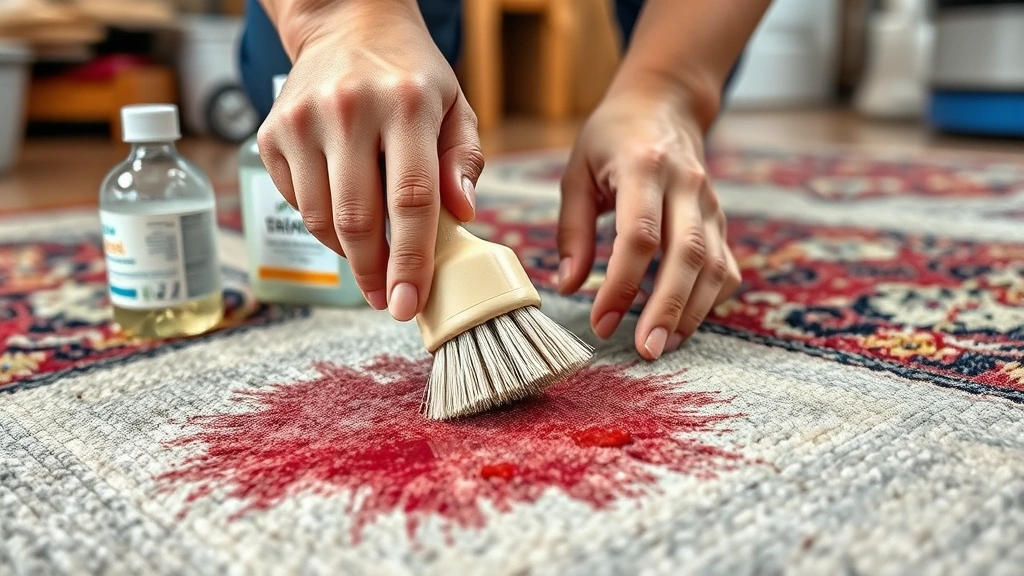
Once you’ve spot-treated, it’s time for the full treatment. Mix your chosen cleaning solution according to directions. If using a rented carpet cleaner, fill the hot water tank and add cleaner concentrate as instructed. Work in overlapping passes, moving slowly to let the machine extract moisture effectively.
Start at the corner farthest from your exit point and work backward toward the door. This prevents walking across wet areas. For hand-cleaning, apply your solution with a soft brush or cloth in circular motions, working in manageable sections. Let the solution sit briefly—usually 10-15 minutes—then extract or blot thoroughly. The key is removing all cleaning solution; any residue left behind attracts dirt and makes future cleaning harder.
Dry Your Rug Properly
Improper drying causes mildew, odors, and fiber damage. After cleaning, extract as much moisture as possible using your carpet cleaner’s water extraction mode or by blotting with towels. Open windows and doors to create airflow. Use fans pointed across the rug surface—ceiling fans work great for this.
In humid climates, run a dehumidifier in the room. Avoid walking on the rug until it’s completely dry, which typically takes 12-24 hours depending on humidity and rug thickness. If you notice any musty smell developing, increase ventilation and consider running an air purifier. Never roll up or store a damp rug—this guarantees mildew growth.
Regular Maintenance Matters
Consistent maintenance prevents deep cleaning from being necessary as often. Vacuum high-traffic areas weekly and the entire rug every two weeks. Use area rug pads underneath to prevent slipping and reduce dirt transfer from the floor. Rotate your rug quarterly to ensure even wear and fading.
Deal with spills immediately—the longer they sit, the harder they are to remove. Keep a small cleaning kit handy with white cloths, mild soap, and vinegar. For additional guidance on home maintenance, check out our article on how to patch a hole in drywall, which covers general home care principles. Professional cleaning once yearly, or every 18 months for lightly-used rugs, keeps them looking fresh without the DIY effort.
When to Call the Professionals
Some situations demand professional attention. Antique rugs, Persian rugs, and hand-woven pieces should be professionally cleaned every 3-5 years. If you’ve got a large stain you can’t budge, water damage, or mold growth, professionals have specialized equipment and expertise you don’t. They can also apply protective treatments that make future stain removal easier.
Professional cleaners typically cost $100-300 depending on rug size and condition, but they’re worth it for valuable pieces. They have industrial-strength extraction equipment that removes more moisture than consumer machines, reducing drying time significantly. If your rug has sentimental value or you’re unsure about cleaning it yourself, investing in professionals is smart insurance.
Frequently Asked Questions
How often should I clean my rug?
Light vacuuming weekly keeps dirt from embedding. Deep cleaning every 12-18 months maintains appearance and fiber health. High-traffic areas may need more frequent attention. Households with pets or kids might benefit from quarterly deep cleans.
Can I use bleach on my rug?
Never use bleach on colored rugs—it causes permanent discoloration. Even on light rugs, bleach can damage fibers and create weak spots. Stick with mild soap solutions or white vinegar for safe, effective cleaning.
What’s the best way to remove pet odors?
Baking soda sprinkled on the rug overnight absorbs odors naturally. Vacuum thoroughly the next day. For set-in pet smells, mix equal parts white vinegar and water, apply to affected areas, let sit 15 minutes, then extract. Professional enzymatic treatments work best for stubborn odors.
How long does a rug take to dry after cleaning?
Most rugs dry in 12-24 hours with good ventilation and moderate humidity. Thick rugs or humid climates may take 24-48 hours. Using fans and dehumidifiers speeds the process significantly. Don’t walk on the rug or replace furniture until completely dry.
Is vinegar safe for all rug types?
White vinegar is safe for most synthetic and wool rugs, but test it on a hidden area first. Avoid vinegar on natural fibers like silk or jute without checking manufacturer guidelines. The acidity can sometimes affect delicate dyes or fibers.
Final Thoughts
Learning how to clean a rug properly puts you in control of your home’s appearance and extends your investment’s lifespan. Start with assessment and thorough vacuuming, treat problem spots, choose an appropriate cleaning method, and dry completely. Regular maintenance between deep cleans keeps your rugs looking fresh without constant heavy-duty work. For additional home care tips, explore our guide on how to install vinyl siding for broader home maintenance strategies. Most rugs respond beautifully to consistent, gentle care—you don’t need expensive equipment or professional help every time. Start with these proven steps, and you’ll be amazed at the difference you can make.


