

Learning how to clean a couch is one of those skills that’ll save you hundreds of dollars and keep your favorite furniture looking brand new. Whether you’re dealing with pet hair, spilled coffee, or just everyday grime, a solid cleaning routine beats replacing your sofa every few years. I’ve tackled plenty of couches over the years, and I’m going to walk you through exactly what works.
Table of Contents
Prep Your Space Right
Before you start cleaning your couch, take five minutes to set yourself up for success. Move the couch away from the wall if you can—this gives you access to all sides and prevents water or cleaner from dripping onto your baseboards. Open windows to get airflow going; you’ll need ventilation, especially if you’re using commercial cleaners.
Check your couch’s care tag first. This tag is your instruction manual, and ignoring it is like skipping the safety briefing on a power tool. Most tags show symbols that tell you whether the fabric can handle water-based cleaners (W), solvent-based cleaners (S), or if you need to go dry-clean only (X). If you can’t find the tag, test any cleaner on a hidden spot first—like the underside of a cushion or the back panel.
Gather your supplies before you start. You’ll want a vacuum with upholstery attachments, a soft-bristle brush, clean white cloths (colored ones can bleed), and your chosen cleaning solution. Having everything within arm’s reach beats running around mid-project.
Vacuum Thoroughly First
This step is non-negotiable. Vacuuming removes loose dirt, dust, pet hair, and debris that would otherwise turn into mud when you add moisture. Use the upholstery attachment on your vacuum—the one with the soft bristles—and work methodically across every surface.
Start at the top of the backrest and work downward. Pay special attention to crevices where cushions meet the frame, and between cushions. This is where crumbs, pet hair, and dust love to hide. If your couch has removable cushions, take them off and vacuum underneath. You’d be surprised what accumulates under there.
For really stubborn pet hair or lint, use a lint roller or a stiff-bristled upholstery brush before vacuuming. Run the brush in one direction with firm pressure, then vacuum up what you’ve loosened. This two-step approach pulls out embedded fibers that a vacuum alone might miss.
Spot Treat Stubborn Stains
Stains need individual attention before you do a full clean. Identify what you’re dealing with—is it a food stain, pet accident, ink, or just general discoloration? Different stains need different approaches, and treating them first prevents spreading them around during deep cleaning.
For fresh spills, blot immediately with a clean cloth. Don’t rub—rubbing pushes the stain deeper into the fibers. Press down firmly and let the cloth absorb the moisture. For dried stains, mix a solution of one part white vinegar to two parts water. Apply it to the stain with a spray bottle, let it sit for 5-10 minutes, then blot with a clean cloth.
For greasy stains, sprinkle baking soda directly on the spot and let it sit for 15 minutes. The baking soda absorbs the oil. Vacuum it up, then treat with a small amount of dish soap mixed with water. Protein-based stains like blood or pet accidents respond well to cold water and a little hydrogen peroxide (test on hidden fabric first). Avoid hot water with protein stains—heat sets them permanently.
Deep Clean Method
Once stains are handled and the couch is vacuumed, it’s time for a proper deep clean. You have two solid options: upholstery cleaning machines or manual cleaning with a brush and solution.
For the manual approach, mix a cleaning solution appropriate for your fabric type. A general-purpose solution is one tablespoon of liquid dish soap, one tablespoon of white vinegar, and two cups of warm water. Dip a soft-bristled brush into the solution and work it into the fabric with circular motions. Don’t oversaturate—you want the fabric damp, not soaking wet.
Work in sections, about two square feet at a time. After brushing, immediately blot with a clean, damp cloth to lift the cleaner and dirt. This is where those white cloths matter—you’ll see exactly what you’re pulling out. Repeat the brush-and-blot process until the cloth comes away mostly clean.
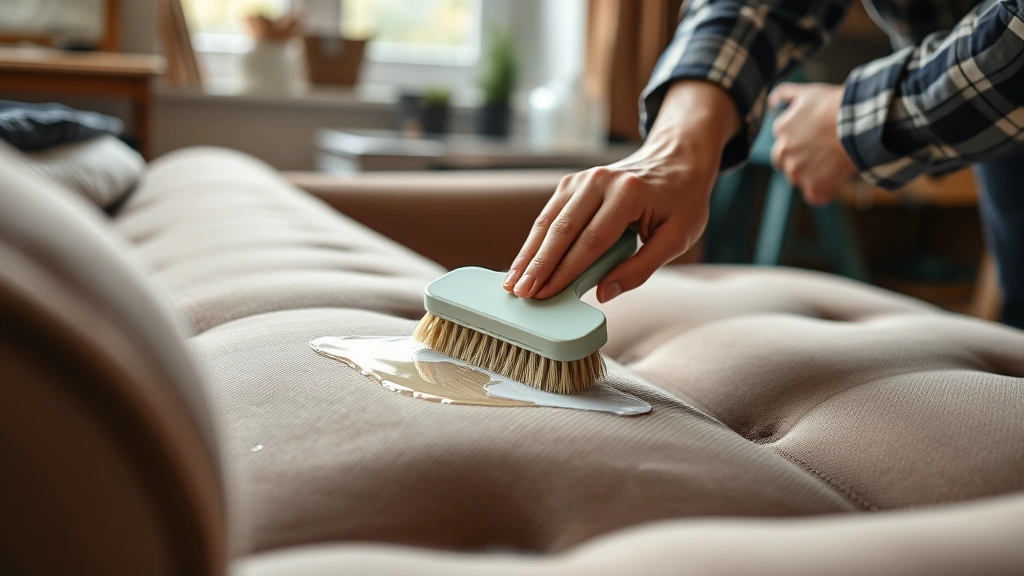
If you’re renting or buying an upholstery cleaning machine, follow the manufacturer’s instructions carefully. These machines inject hot water and cleaner, then extract it back out. They’re powerful and effective, but they can damage fabric if you oversaturate or use the wrong solution. Many rental places provide recommended cleaning solutions—use those rather than experimenting.
Deodorize and Refresh
A clean couch that still smells musty isn’t truly clean. Deodorizing is the final touch that makes your furniture feel fresh again. Baking soda is your best friend here—it’s cheap, effective, and safe for virtually all fabrics.
Sprinkle baking soda liberally across the entire couch. If you want to add scent, mix a few drops of essential oil into the baking soda before sprinkling (lavender, lemon, or eucalyptus work great). Let it sit for 30 minutes to several hours. The longer it sits, the more odor it absorbs. Then vacuum it all up thoroughly.
For stubborn odors like pet smells or smoke, you might need to repeat this process or leave baking soda on overnight. Some people swear by sprinkling it, covering the couch with a sheet, and leaving it overnight before vacuuming. If baking soda doesn’t cut it, try an enzymatic odor eliminator designed for upholstery—these actually break down the odor-causing compounds rather than just masking them.
Dry Properly Between Steps
Moisture is your enemy when cleaning upholstery. Wet fabric can develop mildew, mold, or musty smells if it doesn’t dry completely. After any wet-cleaning step, you need to manage the drying process.
Open all windows and get air moving through the room. A fan pointed at the couch speeds up drying significantly. If you have a dehumidifier, run it—this is especially important in humid climates. Avoid sitting on the couch until it’s completely dry; you’ll just re-wet the fabric and undo your work.
In winter or humid conditions, drying takes longer. Plan your cleaning for a day when you can keep windows open and the couch undisturbed for at least 8-12 hours. If you’re in a pinch and need the couch usable sooner, use a hair dryer on low heat, but keep it moving and don’t concentrate heat on one spot for too long.
Regular Maintenance Tips
The best way to keep your couch clean is preventing dirt from building up in the first place. Vacuum your couch weekly if you have pets, or every two weeks if you don’t. This catches dirt before it gets ground into the fibers.
Use couch covers or throws to protect high-traffic areas. They’re removable and washable, which beats scrubbing the actual upholstery. Keep food and drinks away from the couch when possible—I know it’s tempting to eat while watching TV, but crumbs and spills are the primary culprits behind dirty furniture.
Address spills immediately. The longer something sits, the harder it is to remove. Keep a small spray bottle of your cleaning solution and a cloth nearby for quick spot-cleaning. Rotate and flip cushions regularly to distribute wear evenly and prevent permanent indentations.
Fabric-Specific Care Guide
Different fabrics require slightly different approaches. Microfiber is durable and usually responds well to water-based cleaners, but it can be prone to water spots. If your microfiber couch gets wet spots, let it dry completely, then use a soft brush to restore the nap of the fabric.
Leather and faux leather need different treatment entirely. They don’t respond well to water-based cleaners. Instead, use a leather cleaner specifically formulated for your leather type. Wipe with a damp cloth and dry immediately to prevent water spots and mildew.
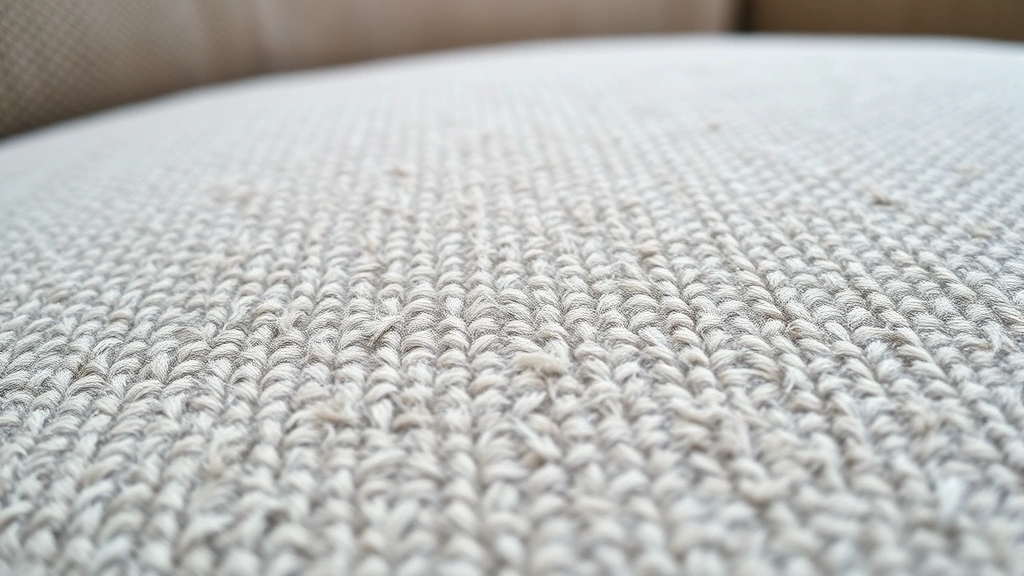
Natural fabrics like linen and cotton are generally sturdy and handle water-based cleaning well, but they can shrink or fade. Use cooler water and gentler agitation. Velvet and suede are delicate—these fabrics usually require professional cleaning or dry-cleaning-only solutions. When in doubt, consult the care tag or contact the manufacturer.
For more detailed cleaning guidance on similar surfaces, check out our guide on how to clean stainless steel appliances, which covers protective treatments. You might also find our article on how to build a table useful if you’re considering custom furniture solutions. And if you’re interested in protecting your investments, our piece on how long does caulk take to dry covers proper finishing techniques.
When to Call a Professional
Some situations call for professional help. If your couch has extensive staining, odor that won’t go away, or visible mold or mildew, professional upholstery cleaners have equipment and solutions you can’t replicate at home. They also know how to handle delicate fabrics safely.
According to Family Handyman, professional cleaning should be done every 12-18 months for regular use, or more frequently if you have pets or kids. This extends the life of your furniture significantly.
Check This Old House’s upholstery guide for additional expert tips on maintaining different fabric types. For government-backed cleaning advice and safety information, the EPA provides resources on safe cleaning practices and chemical handling.
Frequently Asked Questions
How often should I clean my couch?
Vacuum weekly if you have pets or high traffic, every two weeks otherwise. Deep clean every 6-12 months depending on use. Spot-clean spills immediately as they happen.
Can I use bleach on my couch?
Never use bleach on upholstered furniture unless the care tag specifically allows it. Bleach discolors most fabrics and can weaken fibers. Stick to gentler solutions like vinegar and water or specialized upholstery cleaners.
What’s the best homemade couch cleaning solution?
Mix one tablespoon dish soap, one tablespoon white vinegar, and two cups warm water. This works on most washable fabrics. Always test on a hidden area first.
How long does it take for a couch to dry after cleaning?
Plan for 8-12 hours minimum, longer in humid conditions. Use fans and keep windows open to speed the process. Don’t sit on the couch until it’s completely dry.
Can I use a regular carpet cleaner on my couch?
You can use an upholstery attachment on a carpet cleaning machine, but be careful not to oversaturate. Test on a hidden area first and follow the manufacturer’s instructions for upholstery mode.
What do I do if my couch smells like mildew?
Sprinkle baking soda generously, let it sit overnight, and vacuum thoroughly. If the smell persists, use an enzymatic odor eliminator. Ensure the couch is completely dry and the room has good airflow to prevent mildew from returning.
Is it safe to use essential oils on my couch?
Yes, but mix them with baking soda first (a few drops per cup of baking soda). Never apply essential oils directly to fabric as they can stain. Always test on a hidden area first.


