
Learning how to care for hydrangeas is one of the most rewarding skills you can pick up as a gardener—these showstoppers reward you with massive blooms that’ll make your neighbors jealous. I’ve spent years working with hydrangeas in my own yard, and I’m going to walk you through exactly what these plants need to thrive.
Table of Contents
Understanding Hydrangea Varieties
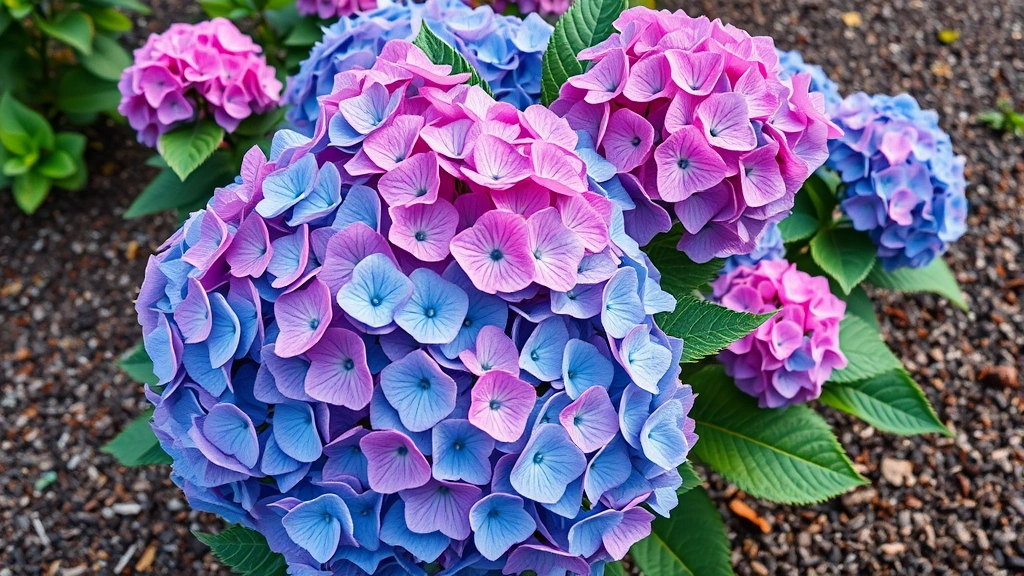
Before you can properly care for hydrangeas, you need to know what type you’re working with. There are several main varieties, and each has slightly different needs. The big-leaf hydrangea (Hydrangea macrophylla) is the most common one you’ll see in home gardens—these are the ones with those massive flower clusters that come in pink, blue, or purple depending on your soil pH.
Then there’s the panicle hydrangea (Hydrangea paniculata), which produces cone-shaped flower clusters and handles heat better than its cousins. Smooth hydrangeas (Hydrangea arborescens) are hardy workhorses that produce white flowers and can handle colder climates. Oakleaf hydrangeas (Hydrangea quercifolia) are the showoffs with elongated white flower clusters and gorgeous foliage that turns burgundy in fall. Knowing which type you have will determine your pruning strategy and blooming expectations.
Light Requirements Matter
Hydrangeas aren’t too picky about light, but they do have preferences. Most varieties want morning sun and afternoon shade—think of them as creatures that enjoy a break from the heat. In cooler climates, they can handle more direct sun, but in hot regions, that afternoon shade is non-negotiable. I’ve learned this the hard way: plant them where they get 3-6 hours of sunlight daily, and you’ll see the difference in bloom production.
If you’re planting near trees, make sure the canopy is high enough that your hydrangeas still get decent light. Too much shade and you’ll get foliage but fewer flowers. Too much direct sun in hot climates and the leaves will look stressed and burnt. It’s all about finding that sweet spot in your yard.
Soil Preparation Essentials
Here’s where it gets interesting: hydrangea soil needs to be rich, well-draining, and slightly acidic to neutral. Start with a soil pH test before you plant—this matters because soil pH actually affects flower color in big-leaf hydrangeas. Acidic soil (pH below 6) produces blue flowers, while alkaline soil (pH above 7) produces pink flowers. Neutral soil gives you purple.
Work about 2-3 inches of compost or aged bark into your planting area before you put the plant in the ground. This improves drainage and adds organic matter that hydrangeas love. If your soil is heavy clay, you absolutely need to amend it—hydrangeas will rot in waterlogged soil. Mix in perlite or sand along with that compost. The goal is soil that holds moisture but doesn’t stay soggy.
When you’re planting, dig a hole twice as wide as the root ball but not deeper. You want the top of the root ball level with the ground surface. Planting too deep is a common mistake that leads to root rot and poor establishment.
Watering Schedule Guide
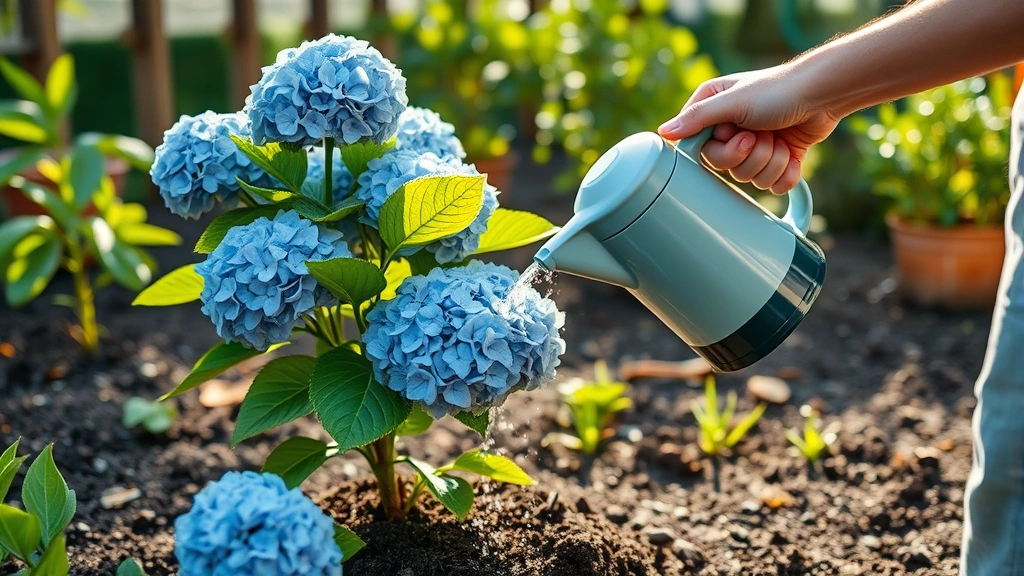
Watering is where most people struggle with hydrangea care. These plants need consistent moisture—not soggy, but not dry either. During the growing season (spring through fall), water deeply once or twice a week, depending on rainfall and temperature. In hot, dry weather, you might need to water more frequently.
The best approach is to water early in the morning so the soil has time to absorb moisture before the heat of the day. Water at the base of the plant, not on the foliage, to reduce disease risk. Stick your finger 2 inches into the soil—if it feels dry, it’s time to water. If it’s still moist, wait another day or two.
Mulch is your friend here. Apply 2-3 inches of organic mulch around the base of the plant (keeping it a few inches away from the stem). This keeps soil temperature consistent, reduces water loss, and adds organic matter as it breaks down. I refresh my mulch every spring and it makes a noticeable difference in plant health.
Fertilizing and Feeding
Hydrangeas aren’t heavy feeders, but they do appreciate some nutrition during the growing season. Start fertilizing in spring when new growth appears and stop by mid-summer—feeding too late in the season can encourage tender new growth that won’t survive winter.
Use a balanced fertilizer (like 10-10-10) or one specifically formulated for hydrangeas. If you want to adjust flower color, you can use sulfur to make soil more acidic (for blue flowers) or lime to make it more alkaline (for pink flowers). But honestly, don’t overthink this—a general-purpose fertilizer applied monthly from spring through mid-summer is plenty.
I prefer slow-release granular fertilizers because they feed steadily over time without the risk of burning roots. Follow the package directions and don’t overdo it—more fertilizer doesn’t mean more blooms. In fact, too much nitrogen can lead to lots of foliage and fewer flowers.
Pruning Techniques
This is critical: different hydrangea types need pruning at different times. Big-leaf, oakleaf, and smooth hydrangeas bloom on old wood (branches from the previous year), so you prune them right after they finish flowering in late summer. Panicle hydrangeas bloom on new wood, so you prune them in early spring before growth starts.
For big-leaf and oakleaf types, remove dead branches and spent flower clusters right after blooming. You can also remove up to one-third of the oldest canes to encourage new growth. For panicle hydrangeas, cut back the previous year’s growth by about one-third in early spring. For smooth hydrangeas, you can be more aggressive—cut them back to 12-18 inches from the ground in early spring and they’ll come back stronger.
Always use sharp pruning shears and make cuts just above a leaf node or bud. Remove any dead, diseased, or crossing branches whenever you see them. The key to successful pruning is understanding your plant’s blooming habit—prune at the wrong time and you’ll cut off next year’s flowers.
Pest and Disease Management
Hydrangeas are pretty tough plants, but they can face a few issues. The most common pest is the Japanese beetle, which skeletonizes leaves in midsummer. Hand-pick them early in the morning when they’re sluggish, or use neem oil if the infestation is heavy. Powdery mildew can appear in humid conditions—improve air circulation and avoid watering foliage to prevent it.
Root rot is the biggest disease threat, and it’s usually caused by poor drainage or overwatering. If your plant starts looking droopy despite moist soil, suspect root rot. The best cure is prevention: ensure good drainage and don’t overwater. Leaf spot diseases can occur in wet conditions—again, improve air circulation and avoid wetting foliage when you water.
Spider mites can be an issue in hot, dry conditions. Spray the undersides of leaves with water to dislodge them, or use insecticidal soap if needed. Most hydrangea problems are preventable through good cultural practices: proper watering, good drainage, adequate light, and air circulation.
Seasonal Care Tips
Spring is when hydrangeas wake up. Remove winter mulch, prune as needed for your variety, and start your fertilizing schedule. Watch for new growth and make sure plants aren’t drying out as temperatures warm.
Summer is bloom time, and your job is to keep plants watered and deadheaded if desired. Removing spent flowers encourages more blooms on some varieties. Keep an eye out for pests and diseases, and maintain consistent watering—this is when plants need the most moisture.
Fall is when you stop fertilizing and gradually reduce watering as temperatures cool. This helps plants harden off for winter. If you live in a cold climate, mulch heavily around the base in late fall to protect the root system.
Winter is dormancy time. In cold climates, some hydrangea buds may be damaged by extreme cold, but the plant will survive. Don’t prune in winter—wait until spring. In mild climates, hydrangeas may stay partially evergreen.
Troubleshooting Common Problems
No blooms? This is usually caused by incorrect pruning (cutting off next year’s buds), late frost damage to flower buds, or insufficient light. Make sure your plant gets at least 3 hours of sunlight daily and prune at the right time for your variety.
Brown or scorched leaf edges? This often indicates inconsistent watering or too much direct sun in hot climates. Adjust your watering schedule and consider afternoon shade in hot regions.
Yellow leaves? Check for nutrient deficiencies or poor drainage. If drainage is good, apply a balanced fertilizer. If leaves are yellow between the veins while veins stay green, your plant may have an iron deficiency—use a chelated iron product.
Wilting despite moist soil? Suspect root rot. Check drainage and reduce watering frequency. If the soil is compacted, carefully loosen it around the plant to improve aeration.
Frequently Asked Questions
Can I grow hydrangeas in pots?
Absolutely. Use a large container (at least 18 inches deep) with drainage holes and quality potting soil. Container plants dry out faster, so you’ll need to water more frequently. Bring potted hydrangeas indoors or mulch heavily in cold climates, as roots are more exposed to freezing temperatures in containers.
How do I change hydrangea flower color?
For big-leaf hydrangeas, adjust soil pH. To get blue flowers, lower pH with sulfur. To get pink flowers, raise pH with lime. Changes take time—usually a season or two. You can’t change the color of panicle or smooth hydrangeas; they’re genetically programmed to be white or pink.
When should I plant hydrangeas?
Spring or fall are ideal times to plant hydrangeas. This gives them time to establish roots before extreme summer heat or winter cold. Avoid planting in the heat of summer or the depths of winter.
How long do hydrangeas live?
With proper care, hydrangeas can live 30-50 years or more. Some gardeners have plants that have been thriving for decades. They’re a long-term investment in your landscape.
Do hydrangeas need a trellis or support?
Most hydrangeas don’t need support, but panicle hydrangeas can develop heavy flower clusters that bend branches. In windy locations, you might stake them for support. Oakleaf hydrangeas are naturally upright and rarely need support.
Wrapping It Up
Caring for hydrangeas isn’t complicated once you understand the basics. Give them the right light, well-draining soil, consistent moisture, and prune at the right time for your variety, and they’ll reward you with years of spectacular blooms. Start with understanding what type of hydrangea you have, match it to your garden conditions, and adjust as needed based on how your plant responds. Every garden is different, and what works in my yard might need tweaking in yours—that’s the fun of gardening. If you want to expand your outdoor skills, check out our guide on how to install artificial grass for a low-maintenance landscape complement. For more creative projects, you might enjoy how to do paper mache to create garden art. And if you’re thinking about landscape design elements, our article on how to make apple sauce could inspire edible garden combinations with your hydrangeas.
Get your hands dirty, pay attention to how your plants respond, and don’t be afraid to experiment. That’s how you become a real hydrangea expert.


