
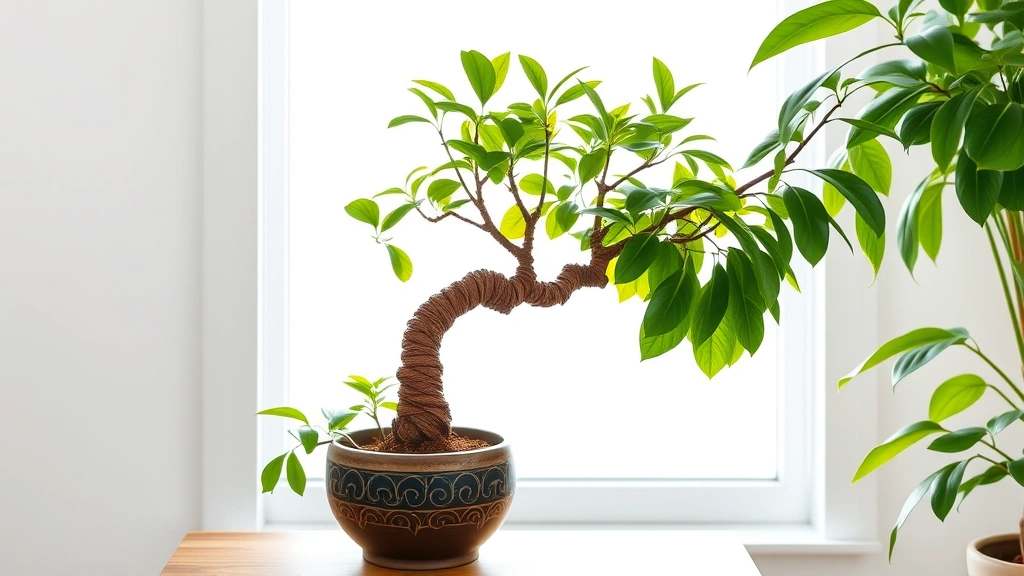
Learning how to care for a money tree is one of the easiest wins in the houseplant game—these resilient beauties practically thrive on neglect, but they’ll absolutely flourish when you give them a little attention. Whether you’re a seasoned plant parent or just starting your indoor garden journey, money trees (Pachira aquatica) are forgiving enough to bounce back from mistakes while rewarding you with lush, braided trunks and glossy green foliage that’ll make your living room look like a botanical showroom.
Table of Contents
Light Requirements Matter
Money trees are sun worshippers, but they’re cool with indirect light—think of them as the introverts of the plant world who still enjoy a good party. Place your money tree near a bright window where it gets filtered sunlight for at least 6-8 hours daily. East or west-facing windows are your sweet spot; they provide morning or afternoon sun without the intense midday heat that can scorch those beautiful leaves.
If you’re working with a north-facing window or a darker corner, your money tree will survive but won’t exactly thrive. You’ll notice slower growth and less vibrant foliage. In these situations, consider a grow light positioned 12 inches above the plant, running it 12-14 hours daily. The key is consistency—sudden changes from low to high light can stress the plant, so acclimate it gradually if you’re moving it to a brighter spot.
Rotate your money tree every two weeks to ensure even growth on all sides. This prevents the plant from leaning toward the light source and keeps that braided trunk balanced and attractive. It’s a simple habit that makes a massive difference in your plant’s appearance.
Nailing Your Watering Schedule
Here’s where most people mess up: money trees hate wet feet. Overwatering is the number-one killer of these plants, so err on the side of caution. Water only when the top inch of soil feels dry to the touch—stick your finger in there and check. During growing season (spring and summer), that’s typically every 1-2 weeks, but it varies based on your home’s humidity and temperature.
In fall and winter, your money tree enters a slower growth phase and needs less water. Cut back to watering every 2-3 weeks or even less frequently. The soil should dry out more between waterings during these cooler months. Always use room-temperature water; cold water shocking the roots isn’t ideal.
When you do water, water thoroughly until it drains from the drainage holes, then empty the saucer completely. Standing water is a no-go—it promotes root rot faster than you can say “plant funeral.” If you’re unsure whether to water, wait another day. A slightly thirsty money tree bounces back quickly; a waterlogged one takes weeks to recover, if it survives at all.
Soil and Drainage Setup
Your money tree needs well-draining soil more than it needs your love (okay, that’s harsh, but it’s close). Use a high-quality potting mix designed for houseplants, then amend it with perlite or coarse sand—aim for a ratio of about 2 parts potting mix to 1 part perlite. This creates the loose, airy structure that prevents water from sitting around the roots.
Never use regular garden soil in containers. It compacts over time, restricts drainage, and creates the perfect environment for root rot. The pot itself matters too—use a container with drainage holes, always. If you love a pot without drainage, use it as a decorative cache pot and keep your money tree in a draining nursery pot inside.
Refresh your soil every 18-24 months. Over time, potting mix breaks down, compacts, and loses its drainage properties. When you repot, you’re essentially giving your plant a fresh start with nutrients and structure.
Temperature and Humidity Control
Money trees are tropical plants, so they prefer warm, humid conditions. Ideally, keep temperatures between 65-75°F (18-24°C). They can tolerate temperatures as low as 50°F (10°C), but anything colder causes stress and slowed growth. Avoid placing your money tree near drafty windows, heating vents, or air conditioning units—temperature swings stress the plant.
Humidity is where many indoor gardeners struggle. Money trees appreciate humidity levels around 50% or higher. If your home is dry (especially during winter with heating running), mist your plant 2-3 times weekly with a spray bottle, or place it on a pebble tray filled with water. The water evaporates around the plant, creating a humid microclimate. Just make sure the pot sits on the pebbles, not in the water itself.
A bathroom or kitchen is often an ideal location for money trees because of the naturally higher humidity from showers and cooking. Just make sure it still gets adequate light.
Fertilizing and Feeding
During the growing season (March through September), feed your money tree every 4-6 weeks with a balanced, water-soluble fertilizer diluted to half strength. A 10-10-10 NPK ratio works great. Over-fertilizing causes salt buildup in the soil, which damages roots and creates yellow leaves—the opposite of what you want.
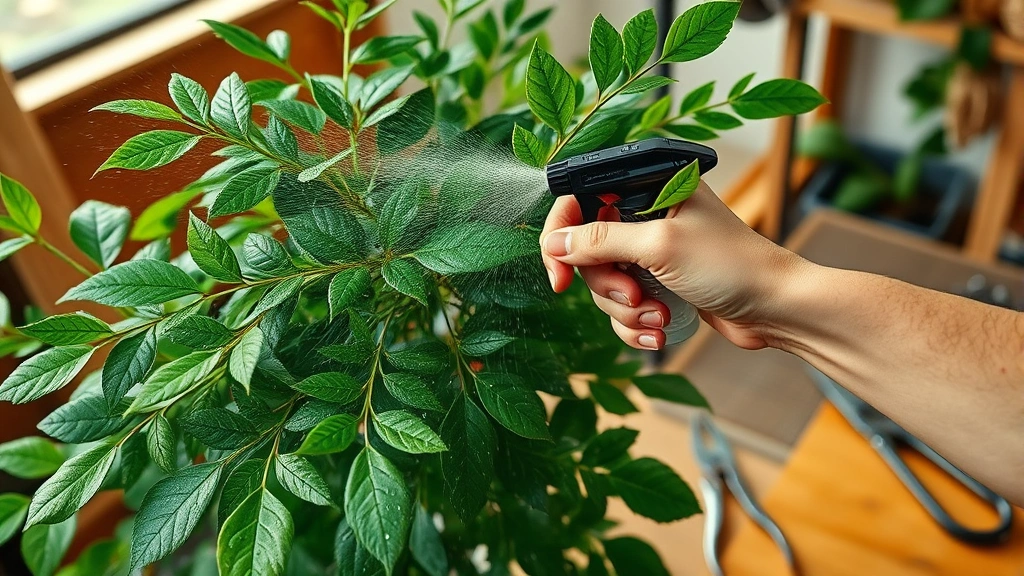
In fall and winter, skip the fertilizer entirely. Your money tree isn’t actively growing, so it doesn’t need the extra nutrients. Feeding a dormant plant is like trying to force someone to eat when they’re not hungry—it just creates problems.
If you prefer a slower-release option, use a balanced slow-release fertilizer pellet at the start of spring. Follow the package directions carefully; it’s hard to overdo it with these, but it’s still possible.
Pruning and Shaping Techniques
Money trees are naturally bushy, but pruning keeps them compact and encourages fuller growth. Prune in spring when new growth is emerging. Use clean, sharp scissors or pruning shears—sterilize them with rubbing alcohol first to prevent spreading disease.
Remove any dead, yellowing, or diseased leaves first. Then, prune back leggy stems to just above a leaf node (the bump where leaves emerge). Cutting here stimulates two new shoots to grow from that point, creating a bushier plant. Don’t be afraid to prune—money trees respond beautifully to it.
If your money tree has a braided trunk (as many do when purchased), be gentle around the braid. These are created when the plant is young, and mature plants don’t typically need additional braiding. Focus your pruning on the foliage above the braid.
Pest Problems and Solutions
Money trees are generally pest-resistant, but spider mites and mealybugs occasionally show up, especially if the plant is stressed or in low humidity. Check the undersides of leaves regularly—that’s where pests like to hide. If you spot tiny webbing, sticky residue, or white cottony clusters, you’ve got company.
Treat infestations early with insecticidal soap or neem oil spray. Spray the entire plant, including the undersides of leaves, and repeat every 7-10 days for three weeks. Isolate the affected plant away from your other houseplants to prevent spreading.
Prevention is easier than treatment: maintain good humidity, avoid overcrowding plants, and inspect new plants before bringing them home. A healthy, well-cared-for money tree resists pests far better than a stressed one.
Repotting and Root Health
Repot your money tree every 18-24 months or when roots start poking out the drainage holes. Spring is the ideal time. Choose a pot only 1-2 inches larger in diameter than the current one—too much extra soil stays wet and causes root rot.
Gently remove the plant from its current pot and loosen the root ball with your fingers. If roots are circling tightly (root-bound), make 3-4 vertical cuts along the outside of the root ball to encourage outward growth. Place fresh potting mix in the new pot, set the plant at the same depth it was before, and fill around it with more mix. Water thoroughly and let it drain.
After repotting, hold off on fertilizing for 6-8 weeks—fresh potting mix contains nutrients. Resume your normal watering schedule immediately, but be extra careful not to overwater for the first few weeks as the roots establish in the new soil.
Troubleshooting Yellow Leaves
Yellow leaves are your money tree’s way of saying something’s wrong. The cause depends on the pattern. If lower leaves are yellowing and dropping naturally, that’s often normal aging—just remove them. If multiple leaves throughout the plant are yellowing, suspect overwatering (the most common culprit), poor drainage, or root rot.
Check the roots by gently removing the plant from its pot. Healthy roots are white or light tan and firm. Brown, mushy roots mean root rot—trim them away with clean scissors and repot in fresh, dry soil. Hold off watering for a few days to let the plant recover.
Yellow leaves with brown spots might indicate a fungal issue, usually caused by poor air circulation or excessive moisture on the foliage. Improve air flow, stop misting, and remove affected leaves. If it persists, a fungicide spray can help—check your local nursery for options.
Pale, yellowing leaves with no other symptoms might mean nutrient deficiency. If you haven’t fertilized in a while, start your feeding schedule again. Alternatively, your plant might need more light—move it closer to a window and see if new growth improves.
Frequently Asked Questions
Can I grow a money tree from a cutting?
Absolutely. Take a 4-6 inch cutting from a healthy stem just below a leaf node. Remove the lower leaves, dip the cut end in rooting hormone powder, and stick it in moist potting mix or water. Keep it warm (70-75°F) and in bright, indirect light. Roots typically develop in 2-4 weeks. Once rooted, transfer to soil and care for it like a mature plant.
How often should I rotate my money tree?
Every two weeks is ideal. This ensures even light exposure and prevents the plant from leaning toward the light source. It also helps you spot pests or problems on all sides of the plant regularly.
Is my money tree toxic to pets?
Great news: money trees are non-toxic to cats and dogs. You can keep them anywhere in your home without worrying about accidental ingestion. That said, they’re still not meant to be eaten, so discourage pets from chewing on them.
Why is my money tree dropping leaves?
Leaf drop usually signals stress from overwatering, temperature fluctuations, drafts, or sudden light changes. Review your care routine: check soil moisture, ensure stable temperatures away from vents, and confirm adequate lighting. Once you address the cause, new growth typically returns within weeks.
How long does a money tree live?
With proper care, money trees can live 10+ years indoors, sometimes much longer. They’re long-term investments in your home’s greenery, so establishing good habits now pays off for years.
Can I keep a money tree in low light?
It’ll survive, but it won’t thrive. Money trees need bright, indirect light to develop full foliage and vibrant color. In low light, growth slows dramatically and leaves may become sparse. If your space is dim, consider adding a grow light.
For additional houseplant care guidance, check out resources from Family Handyman, which offers comprehensive plant care tips. You might also find This Old House‘s plant guides helpful for creating the right environment. And Bob Vila has solid advice on indoor gardening setups.
For more detailed plant care, you can also reference plant preservation techniques and preventative plant care methods. Even maintaining clean growing spaces contributes to plant health.
Final Thoughts
Caring for a money tree doesn’t require a green thumb or a degree in botany. It’s about understanding what these tropical plants need: bright, indirect light; well-draining soil; careful watering; and warm, humid conditions. Start with the basics—get the watering right, provide adequate light, and maintain proper humidity—and you’ll have a thriving money tree that becomes a showstopping feature in your home. These plants are forgiving, resilient, and genuinely rewarding to grow. Stick with it, stay consistent, and your money tree will reward you with years of lush, beautiful growth.


