
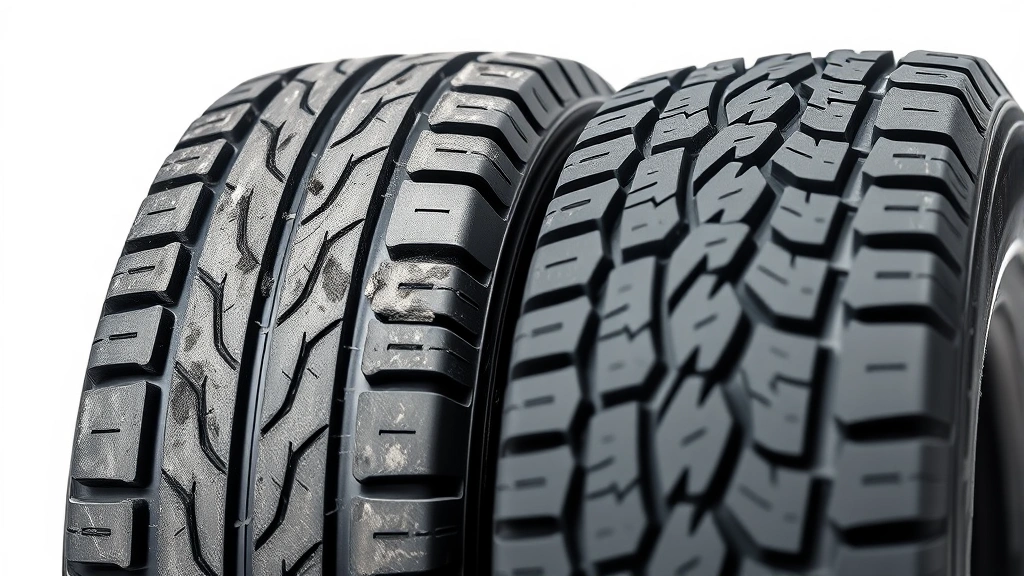
Knowing how often to change tires is one of those things that separates responsible car owners from folks who end up stranded on the side of the road. Your tires are literally where the rubber meets the road, and they’re your only contact point with pavement—so getting this right matters way more than most people think. In this guide, I’ll walk you through everything you need to know about tire replacement timing, wear patterns, and the signs that your tires are screaming for retirement.
Table of Contents
Tire Lifespan Basics
Most quality tires last between 25,000 to 50,000 miles, though premium brands can stretch to 80,000 miles or more. The variation depends on tire quality, your driving habits, road conditions, and how well you maintain them. Budget tires might wear out faster, while performance tires from brands like Michelin or Goodyear tend to last longer. Think of it this way: cheap tires are like buying discount tools—you’ll replace them more often and spend more money overall. The sweet spot for most drivers is replacing tires every 3 to 5 years, regardless of mileage.
Mileage Replacement Timeline
The 25,000 to 50,000-mile range is your baseline. Here’s how it breaks down: if you drive 12,000 miles yearly (the national average), your tires should last roughly 2 to 4 years. If you’re a road warrior putting 20,000 miles annually on your vehicle, you might need replacements every 1.5 to 2.5 years. Check your tire warranty documentation—manufacturers often guarantee specific mileage. According to Family Handyman, tracking your mileage helps you predict replacement timing before problems arise. Keep a simple log in your phone or vehicle maintenance folder.
Tread Depth Inspection
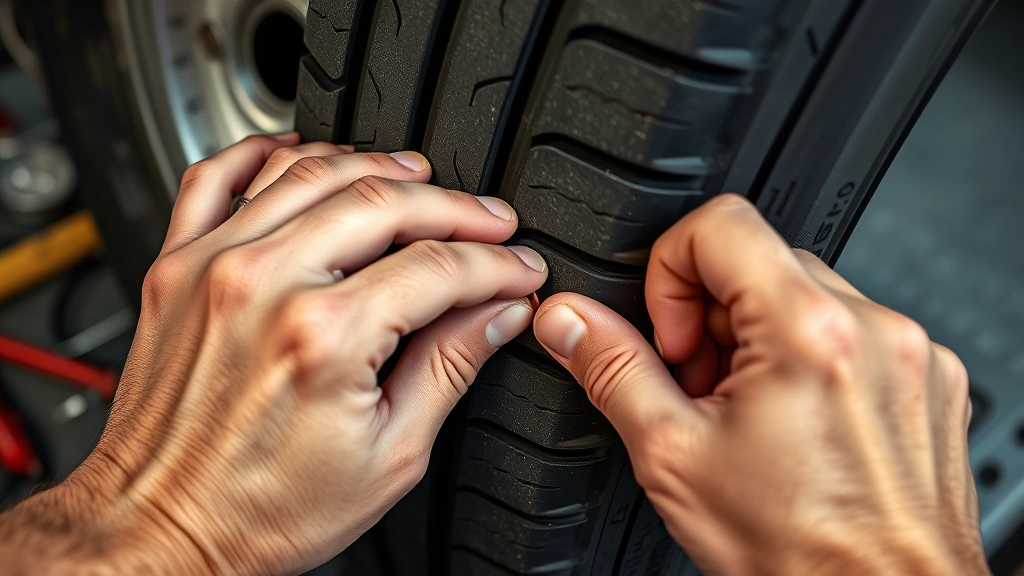
The penny test is your best friend here. Grab a penny, insert it upside down into the tire groove with Lincoln’s head pointing down. If you can see the top of Lincoln’s head, your tread is too shallow—time to replace. Legally, tires need at least 2/32 of an inch of tread depth, but safety experts recommend replacing them at 4/32 inches, especially if you drive in wet conditions. Worn tread means reduced grip on wet roads, longer braking distances, and increased hydroplaning risk. You can also use a tread depth gauge (around $5 at any auto parts store) for precise measurements. Check tread depth at least monthly and always before long road trips.
Age Matters Too
Here’s something most people miss: even if your tires look fine, rubber degrades over time. The DOT (Department of Transportation) recommends replacing tires after 10 years, regardless of tread depth. Most tire manufacturers suggest replacement at 6 to 10 years. You can find the tire’s age by checking the DOT code on the sidewall—the last four digits show the week and year manufactured. A code like “4521” means the 45th week of 2021. If your tires are sitting in storage or on a vehicle you don’t drive often, they’re still aging. UV exposure, temperature fluctuations, and ozone break down the rubber compounds even when stationary.
Seasonal Tire Changes
If you live where winters are serious, switching between winter and all-season tires is a game-changer. Winter tires provide better grip on snow and ice, reducing accidents significantly. All-season tires are fine for mild climates but lose flexibility in cold weather. Here’s the practical approach: switch to winter tires when temperatures consistently drop below 45°F, then switch back to all-seasons in spring. This actually extends the life of both sets because you’re not wearing summer tires on snow or winter tires on warm pavement. According to Bob Vila, proper seasonal rotation can add 10,000+ miles to your tire lifespan. Store off-season tires in a cool, dark place—a basement or garage beats outdoor storage every time.
Signs to Replace Immediately
Don’t wait for scheduled replacement if you notice these warning signs. Visible bulges or blisters on the sidewall mean the tire structure is compromised—replace immediately. Cracks in the sidewall indicate aging or damage. Uneven wear patterns suggest alignment issues (get that checked too), but the tire still needs replacement. A vibration or pulling to one side while driving could indicate a separated belt or flat spot. If your tire pressure warning light comes on repeatedly, investigate whether it’s a slow leak or valve issue—sometimes replacement is necessary. Any puncture larger than 1/4 inch in the tread area usually means replacement; patches are temporary fixes. Loud thumping or thumping sounds while driving demand immediate inspection.
Extend Tire Life Smartly
Proper maintenance directly impacts how long your tires last. Check tire pressure monthly—underinflated tires wear faster and reduce fuel economy, while overinflated tires wear unevenly in the center. Use the pressure listed on your driver’s door jamb, not the maximum pressure on the tire sidewall. Rotate your tires every 5,000 to 7,000 miles to ensure even wear. Get wheel alignment checked annually or whenever you notice pulling or uneven wear patterns. Avoid aggressive acceleration, hard braking, and sharp turns—smooth driving extends tire life significantly. If you’re planning a long trip, check tread depth and pressure beforehand. Keep tires clean and inspect them monthly for debris, punctures, or damage. These simple habits can add thousands of miles to your tire life.
Budget Replacement Strategy
Replacing four tires at once is ideal but not always realistic. If you absolutely must replace fewer tires, replace the two rear tires first—this prevents oversteer in wet conditions. Always install tires of the same brand and tread pattern on the same axle. Mixing brands or patterns creates handling inconsistencies and safety risks. Shop around for deals—tire prices vary wildly between shops. Check warehouse clubs like Costco or Sam’s Club, big box retailers, and local tire shops. Many shops offer free rotation and balancing with purchases. Consider online retailers like Tire Rack or Discount Tire Direct, then have installation done locally. Don’t skip the balancing and alignment step to save money—that’s a false economy that costs you more in the long run. According to This Old House, investing in quality tires upfront saves money through better fuel economy and longer lifespan.
Frequently Asked Questions
Can I replace just two tires instead of four?
Yes, but with caveats. If you must replace only two, install them on the rear axle to improve traction and prevent oversteer. Ensure the two new tires match each other in brand and tread pattern. This is a temporary solution—plan to replace the front pair within a year or so.
What’s the difference between all-season and winter tires?
Winter tires use softer rubber compounds that stay flexible in cold weather, providing better grip on snow and ice. All-season tires are designed for moderate climates and wear faster in winter conditions. Winter tires are essential if you experience regular snow or ice; all-seasons are adequate for mild winters.
How do I know if my tires are properly balanced?
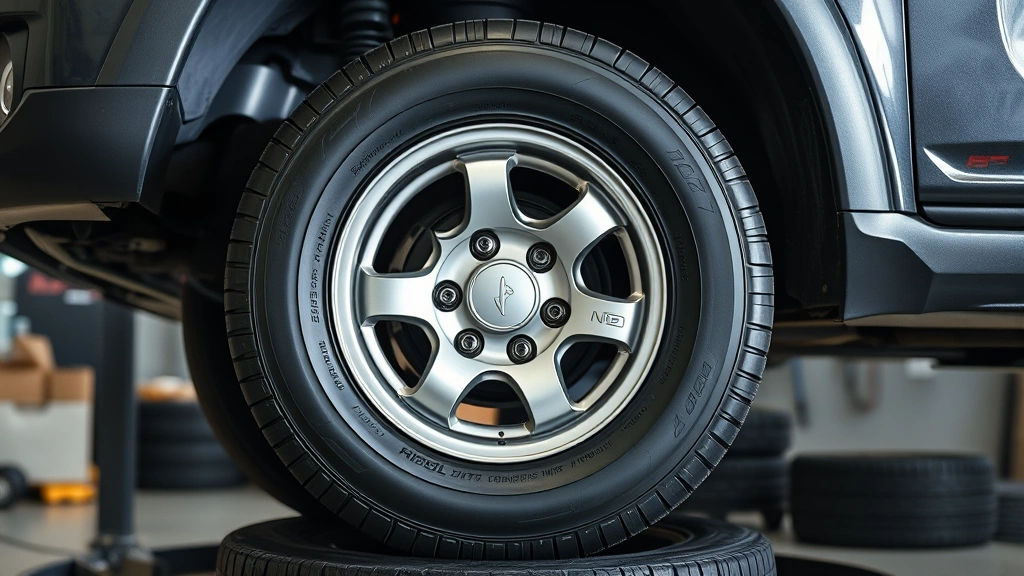
Properly balanced tires feel smooth while driving at highway speeds. If you notice vibration in the steering wheel or seat, especially at specific speeds, your tires likely need balancing. Have a tire professional check the balance—it’s usually inexpensive and takes 15 minutes.
Should I repair a punctured tire or replace it?
Small punctures in the tread (less than 1/4 inch) can be repaired with a plug or patch. Punctures in the sidewall, large punctures, or multiple punctures require replacement. A professional tire shop can assess whether repair is safe.
Do tire pressure and temperature affect replacement timing?
Yes. Underinflated tires wear faster and generate heat, accelerating degradation. Overinflated tires wear unevenly. Check pressure monthly and maintain the recommended PSI. Hot climates also accelerate tire aging, so drivers in Arizona or Florida might need replacements sooner.
What’s the best way to store off-season tires?
Store tires in a cool, dark, dry location away from direct sunlight and ozone sources (like electric motors). Keep them upright or stacked flat—standing them on their sidewall for extended periods causes deformation. A basement or interior garage is ideal; outdoor storage accelerates aging.
Wrapping It Up
Knowing how often to change tires boils down to tracking three things: mileage, tread depth, and age. Most drivers should plan on replacement every 3 to 5 years or between 25,000 and 50,000 miles, whichever comes first. Use the penny test monthly to monitor tread depth, and never drive on tires older than 10 years. Invest in quality tires, maintain proper pressure and alignment, and rotate regularly—these habits extend tire life and keep you safer. When replacement time comes, don’t cheap out; quality tires provide better grip, fuel economy, and longevity. Your tires are the only thing between you and the road, so treat them with the respect they deserve. Stay safe out there.


